Veneer vs. Solid Wood: 5-Year Costs in Singapore
Choosing furniture for a Singapore home is rarely a simple question of appearance. A glass-furniture dining table may look refined beside a Punggol condo window, yet its timber support still has to cope with humidity, frequent cleaning and the limited width of a HDB lift. Veneer can deliver the visual richness of oak or walnut at a lower purchase price, while solid wood offers repairable edges and a longer working life. The sensible comparison is not simply what you pay on delivery day, but what the furniture will cost over 5 years.
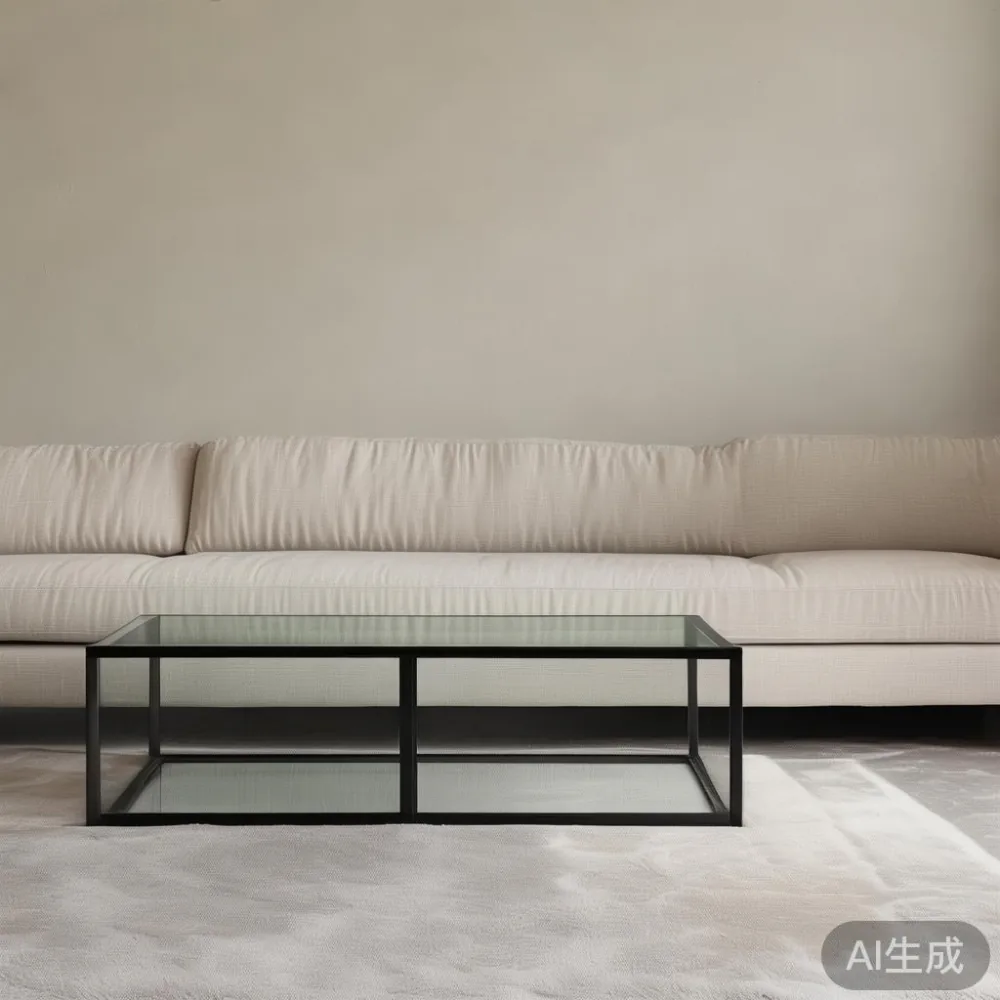
This comparison uses realistic Singapore prices in SGD, including a 9% GST assumption where stated, and considers material, care, repair, refinishing and likely replacement cycles. Actual costs vary by dimensions, timber, hardware and supplier. A 180 cm dining table, for example, must fit a common HDB lift measuring about 110 cm wide and 210 cm deep, so its packaging and manoeuvreability affect the final bill. For solid wood sofa, bed frame, dining table, wardrobe, nightstand and marble table planning, the same principle applies: the smaller the piece, the more practical it may be, while the larger the investment, the more important its long-term care becomes.
What does veneer actually mean, and how does it compare with solid wood?
Veneer is a thin layer of real timber, commonly 0.6 mm to 1.2 mm, bonded to a panel core. It can reproduce the grain and colour of solid wood without the resource demands of a solid timber board. A 200 cm × 100 cm veneer dining table may weigh 42 kg, whereas a comparable solid oak table can weigh 76 kg. Both can look equally convincing in a photograph, but their edge details, repair methods and ageing behaviour differ.
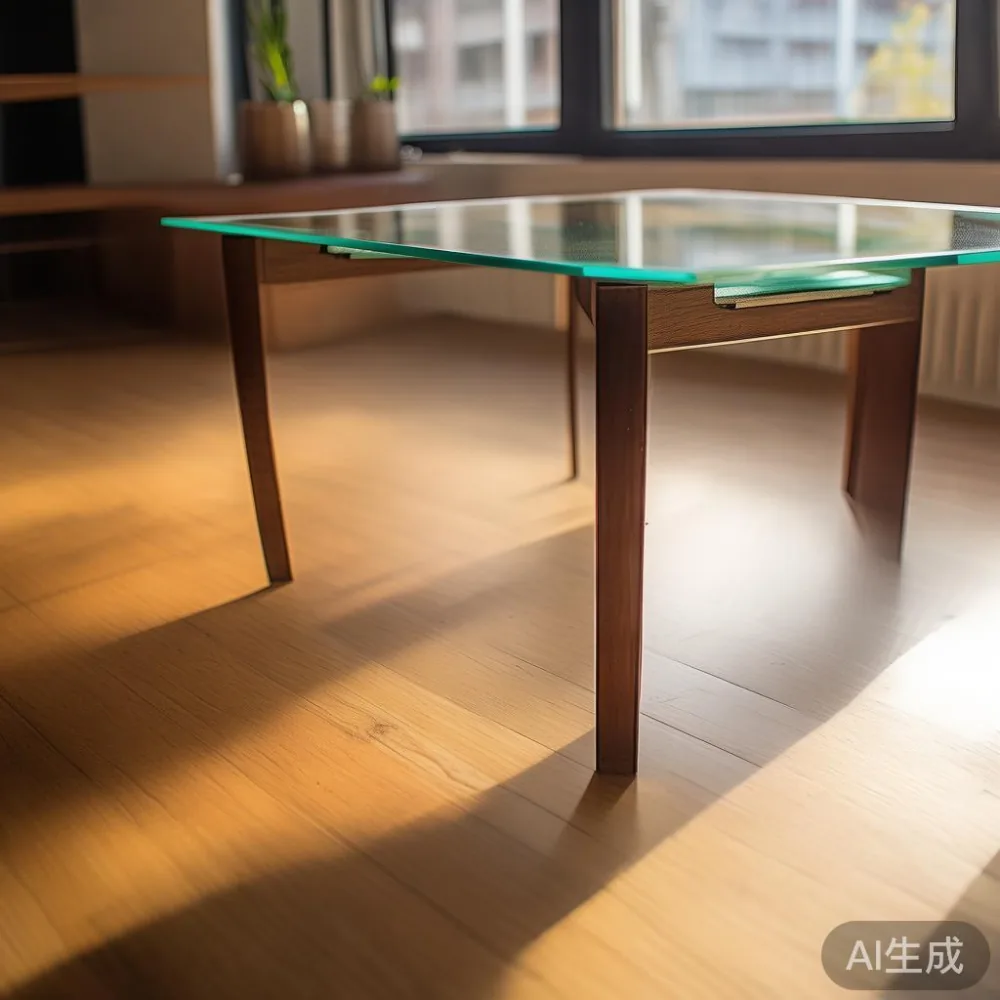
Solid wood uses timber through the visible surfaces and, in many MIDHILL designs, through the structural frame as well. It can be sanded and refinished at its edges if a knock leaves a mark. Veneer cannot be repaired in the same way: cutting through its 0.6 mm face exposes the substrate. A chip at the corner of a wardrobe may therefore become a replacement or an upholstered patch rather than a small sanding job.
This does not mean veneer is poor. Engineered veneer can provide dimensional stability that is useful in air-conditioned HDB flats and high-rise condos. Bedok and Tampines homes often experience sudden humidity shifts when doors open to a corridor or when air-conditioning changes temperature. The issue is the ownership period: if a surface remains intact for 10 years, a reasonable veneer panel can offer strong value. If it is exposed to daily contact, moisture or repeated impact, solid wood may become more economical.
How much do veneer and solid wood furniture cost in Singapore?
The figures below are indicative retail prices for common East Asian and Singapore household sizes. They use SGD and are intended to show ownership cost rather than isolate one supplier. Prices may include delivery to most Singapore addresses, while GST treatment depends on the seller and transaction; the examples include 9% GST so they can be compared directly.
For a 180 cm solid wood dining table in oak or ash, expect about SGD 2,480 before GST and SGD 2,703 after GST. A comparable veneer table may be SGD 1,680 before GST and SGD 1,831 after GST. The initial saving is roughly SGD 872. At that price, many households can justify veneer for a dining table that is treated carefully.
A 180 cm × 90 cm solid wood bed frame may cost SGD 1,880 before GST and SGD 2,049 after GST. A matching veneer frame may cost SGD 1,180 before GST and SGD 1,286 after GST. A two-door solid wood wardrobe at 180 cm wide may cost SGD 3,280 before GST and SGD 3,575 after GST, compared with SGD 2,180 before GST and SGD 2,376 after GST for veneer. A solid wood nightstand may be SGD 680 before GST and SGD 741 after GST, while a veneer model may be SGD 420 before GST and SGD 458 after GST.
For furniture around glass, a 120 cm glass-top dining table with a solid wood base may be SGD 2,280 before GST and SGD 2,485 after GST. A veneer-based version may be SGD 1,580 before GST and SGD 1,722 after GST. Glass furniture introduces another cost line: tempered glass should be measured at roughly 10–12 mm, inspected for chips and replaced only as a full panel if damaged. It should not be confused with solid timber cost.
Delivery in Singapore commonly takes 7–14 working days after production, while custom pieces can take 4–8 weeks. A lift fee of SGD 30–80 and a second-floor carry-in charge of SGD 40–100 are possible. These costs should be added to both options. A narrow corridor of 90 cm or a lift with a 105 cm door opening may require the table to be delivered in two sections.
What maintenance and repair costs should you expect over 5 years?
For the calculation, assume one home move, daily use, quarterly cleaning and no flooding. A veneer dining table receives 2 partial repairs at SGD 180 each and 1 full top replacement at SGD 1,120 in year 4. Its total maintenance cost is SGD 1,480. A solid wood dining table receives 2 minor edge repairs at SGD 140 each and 1 refinishing cycle at SGD 520 in year 3, giving a 5-year maintenance total of SGD 800.
The veneer scenario produces a 5-year cost of SGD 1,831 + SGD 1,480 = SGD 3,311. The solid wood scenario produces SGD 2,703 + SGD 800 = SGD 3,503. Solid wood starts at SGD 872 more but ends at SGD 192 more over this period. In other words, the hypothetical repair pattern erases 78% of the initial difference.
This is not a promise that every veneer panel needs replacing in year 4. It is a planning model. If the veneer table is protected from impacts, stored away from dampness and never cut, its maintenance could be only SGD 180–360. Its 5-year total would then be about SGD 2,011–2,191, below solid wood. If a glass tabletop is involved, plan an additional SGD 220–450 for a professional clean, seal or edge inspection, not an automatic glass replacement.
Solid wood furniture should be wiped with a damp cloth and dried within 10 minutes. Avoid silicone-based polish and standing water. Veneer should be dusted with a soft cloth and kept away from keys, belts and cookware. A 45 kg solid wood coffee table needs 2 people to carry safely; removing its drawers before delivery can protect the runners. A 32 kg glass-furniture side table should be carried upright with padded corners, because edge impact can create invisible fractures.
Is solid wood furniture worth the higher price for HDB flats and condos?
For a frequently used bed frame, the answer often depends less on appearance than on edge exposure. Children, luggage and everyday bumps tend to hit the rails and corners of a bed. A solid wood frame can be sanded locally; veneer may chip through to the core. For a wardrobe, quality of the carcass, drawer runners and hinges may matter more than whether the visible doors are veneer or solid wood. Replacing a damaged 42 cm veneer door could cost SGD 260–520 after GST, while sanding a solid timber door may cost SGD 180–350.
Space also affects the decision. A 210 cm solid wood dining table may be difficult to bring through a HDB lift and impossible to turn in a corridor under 110 cm. A 180 cm table can still be substantial but gives the delivery crew more options. A 200 cm marble table may weigh 105 kg, so the supplier should confirm lift dimensions, turning radius and floor-loading requirements before dispatch. Product terms such as Japanese for guest room and French provincial for office describe style preferences, not construction quality, so buyers should check the timber specification rather than infer it from a catalogue image.
MIDHILL was established in 2008 and exports to more than 15 countries, so the relevant questions are local: Can a Singapore technician restore the piece, are spare parts available, and is the warranty usable in Singapore? Its 10-year structural warranty and lifetime refinishing policy can reduce uncertainty, although buyers should obtain written terms for coverage on moving, misuse and glass components.
How do replacement cycles change the 5-year maths?
Furniture that is moved every 18 months or used in a children’s room can accumulate more damage. Consider a 180 cm bed frame moved twice in 5 years. A veneer version priced at SGD 1,286 may need 2 rail repairs of SGD 150, 1 corner repair of SGD 220 and replacement drawer hardware of SGD 95. Its 5-year total is SGD 2,001. A solid wood version priced at SGD 2,049 may need 2 rail repairs at SGD 120, 1 corner repair at SGD 180 and refinishing at SGD 420, producing SGD 2,889.
The saving for veneer in this scenario is SGD 888. The result changes if the bed is used as a guest bed rather than a daily bed, or if the owner can use the supplied touch-up kit. Someone researching top 10 Japanese furniture or a Modern light luxury dining table may focus on visual style, but cost comparison should record actual use: meals per week, number of moves, sunlight exposure and cleaning frequency.
The phrase how to choose Japandi bed is often used when comparing pale oak lines and low profiles. Material remains only one part of the choice. A bed with 8 solid legs, centre support and a 40 kg weight limit may suit an adult, while a heavier occupant may need reinforcement. For a French provincial for office setup, a 140 cm solid wood desk may cost SGD 1,780 before GST and SGD 1,940 after GST; a veneer version may cost SGD 1,180 before GST and SGD 1,286 after GST. Over 5 years, solid wood wins if desk edges receive regular contact.
For a nightstand, the absolute sums are smaller. A veneer unit bought for SGD 458 with SGD 160 in repairs totals SGD 618 over 5 years. A solid wood unit bought for SGD 741 with SGD 120 in refinishing totals SGD 861. The solid wood option costs SGD 243 more and may outlast 2 veneer units if the piece is moved often.
Which option suits light-luxury interiors?
French light luxury, American light luxury and post-modern light luxury can all feature timber, but their purchasing logic differs. French light luxury often favours pale oak, carved details and slim profiles. Veneer can reproduce those surfaces with less weight, which helps with lifts. American light luxury commonly uses deeper walnut tones, broad slabs and substantial joinery, where solid wood supports the visual weight. Post-modern light luxury may combine glass, metal and timber, making a well-finished veneer a practical choice beside a marble table.
When searching for the best Rustic bed for 2026, note that rustic styling does not guarantee stable construction. Check joint tightness, drawer movement and finish thickness. Likewise, a Modern light luxury dining table with a 10 mm tempered glass top still depends on a stable base. For glass furniture, use coasters, felt pads and non-abrasive cleaners. Avoid placing a 1.8 L stockpot directly on the glass or setting a 12 kg marble bowl on an unsupported edge.
Consider a 120 cm glass-furniture dining table at SGD 2,485 after GST. If it is moved twice, 1 tempered-glass inspection costs SGD 120 and solid wood refinishing costs SGD 420, producing a 5-year total of SGD 3,025. A comparable veneer model at SGD 1,722, with 2 edge repairs costing SGD 180 and 1 glass inspection costing SGD 120, totals SGD 2,202. Here, the lighter mixed-material construction may suit a compact flat better.
What should Singapore buyers ask before paying?
Ask whether the visible surface is solid timber or veneer, and request the panel specification. Confirm core material, veneer thickness, timber species, moisture treatment, joinery, finish type and warranty exclusions. For a dining table, request packaged dimensions and weight, then compare them with the lift door, lift depth, turning space and corridor width. A nominal 120 cm wide lift can make a 120 cm table difficult to manoeuvre even if the glass panel itself fits.
Request a written 5-year cost estimate for the exact product, including delivery, lift, assembly and likely refinishing. MIDHILL offers free shipping above US$350, but that international threshold should be converted or checked separately for Singapore fulfilment rather than assumed as a SGD waiver. The company also provides a 14-day return period, subject to its conditions, and lifetime refinishing for qualifying solid wood products.
Finally, compare the cost of keeping the item with replacing it. A SGD 1,831 veneer table that remains in excellent condition may be the rational choice for a careful owner. A SGD 2,703 solid wood table that can be refinished after 5 years may offer better continuity for a family expecting frequent moves or long service. Both are defensible choices; what fails is buying a low price without knowing the core, the repair route and the dimensions that reach your door.