Veneer or Solid Wood? A Practical 5-Year Cost Comparison
Choosing furniture for a Singapore HDB flat or condo is rarely a matter of appearance alone. A dining table must fit through a lift, a wardrobe must negotiate a common corridor, and a bed frame must work within a room measured in metres rather than showroom metres. The material decision also affects cleaning, repairs, resale and the number of times a piece may need refinishing over five years. This comparison prices veneer and solid wood furniture for a Tampines HDB home, using realistic Singapore dollars and a mix of glass furniture and timber pieces.
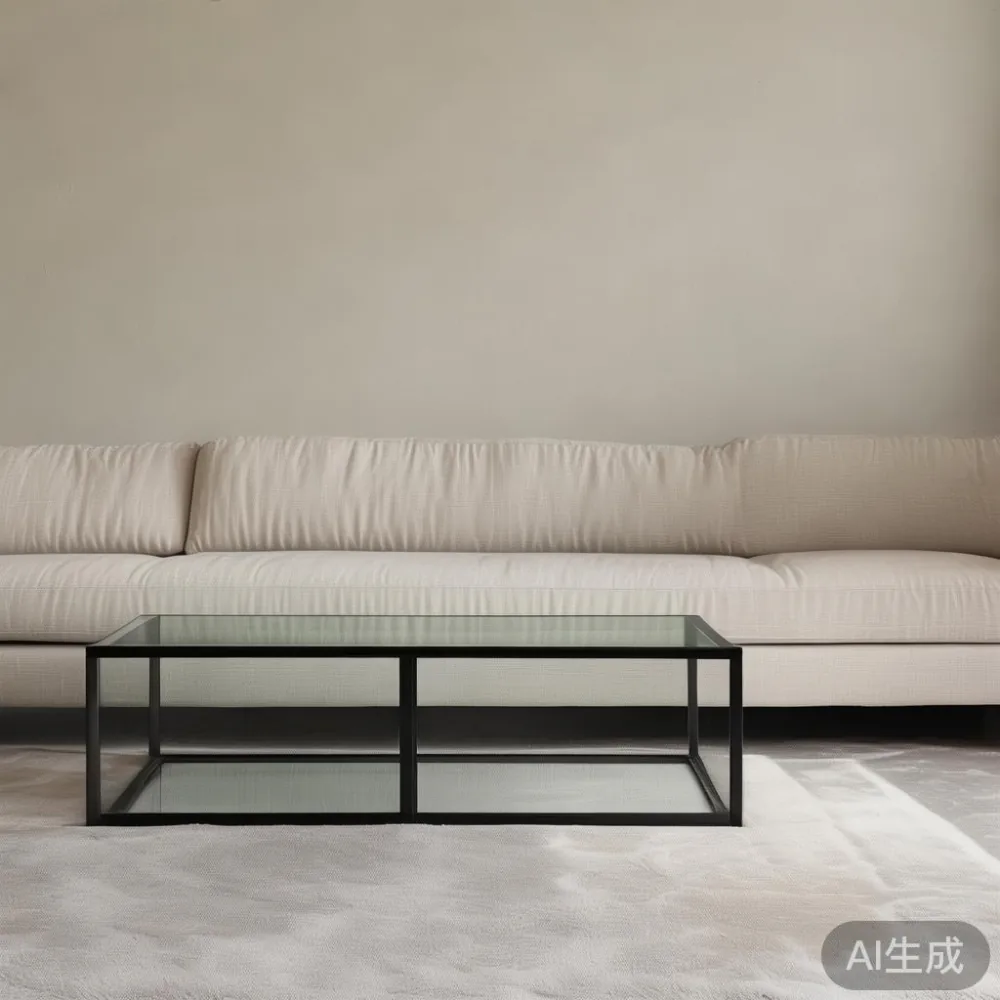
For clarity, the examples below cover one 180 cm veneer dining table, one 180 cm solid oak dining table, one 150 cm glass-top dining table with a timber base, a 160 cm veneer wardrobe, a 160 cm solid wood wardrobe, and a compact 50 cm nightstand. Prices are representative planning figures rather than quotations. They include ordinary delivery within Singapore, but exclude GST where stated, because GST rates and registered business details can change. Furniture dimensions, floor conditions and access arrangements still need checking before purchase.
What Does “5-Year Cost” Actually Mean?
The purchase price is only the first line. Over 60 months, a fair comparison should include delivery, accessories, routine care, likely repairs, refinishing and the residual value of the item. It should also record labour time, because a Singapore household may spend SGD 25 per hour on cleaning or handyman services. A table that costs SGD 1,200 less but requires two refinishing visits can become more expensive than a higher-priced solid wood table.
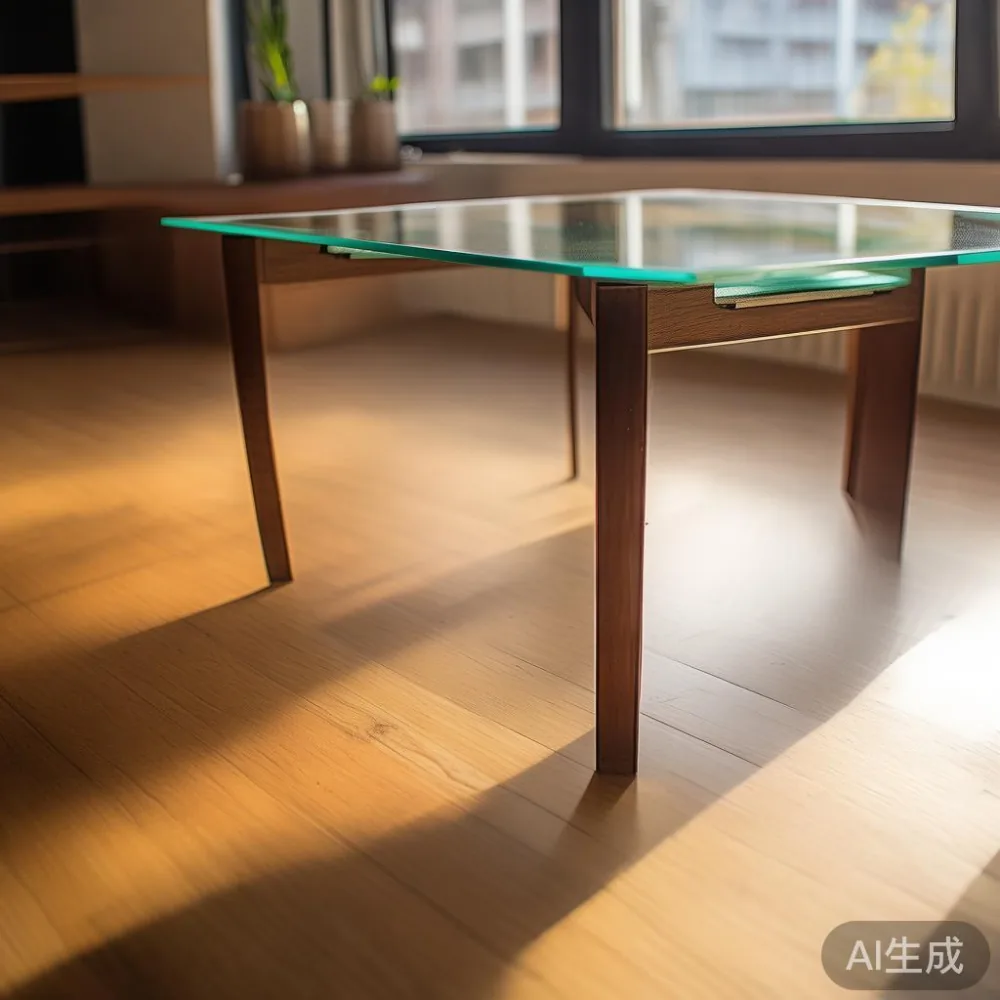
I visited a client’s Bedok condo last month to inspect a 180 cm dining table that had been moved from a Tampines HDB flat. The lift opening measured 82 cm, and the common corridor narrowed to 105 cm at a fire door. The original solid wood table had to be separated at the base, while a lighter veneer table fitted through on its trolley in 12 minutes. That experience showed why access belongs in the cost calculation: an extra SGD 90 removal or delivery charge can erase part of the material saving.
For this exercise, the annual care allowance is SGD 80 for veneer and SGD 55 for solid wood. Veneer receives a slightly higher allowance for edge-band inspection, patching and colour care; solid wood receives an allowance for sanding, oiling and minor surface correction. These are planning amounts, not promises that every piece will need the same treatment.
What Is Veneer and How Does It Behave?
Veneer is a thin layer of real timber, usually about 0.6 mm to 1.2 mm, bonded to a stable engineered core. A high-grade veneer dining table may use a plywood or blockboard core, while some lower-cost pieces use particleboard. The visible face can look like oak, walnut or ash, but the edge exposes the construction. Veneer is not automatically weak. Its performance depends on the core, adhesive, edge treatment and how the furniture is handled.
A representative 180 cm veneer dining table might cost SGD 1,050 before GST, with SGD 90 delivery and SGD 70 for an in-home installation kit. A 180 cm solid oak dining table might cost SGD 2,180, with SGD 120 delivery and no separate installation kit. The veneer table’s visible surface may be 12 kg lighter, making it easier for one person and a delivery crew to manage through an 82 cm lift. The solid table may weigh 62 kg compared with 50 kg for the veneer version.
The disadvantage is repair behaviour. If a veneer table is cut deeply, the repair is more local than a full timber refinishing job. If the core swells after prolonged dampness, the repair can be expensive. Solid wood, by contrast, can often be sanded and refinished across the damaged area, although severe water damage may still affect fibres or joints. For a glass-top dining table, the timber component may be only the base, so the material comparison should focus on the base rather than pretending the glass surface can be refinished.
What Is Solid Wood and Why Does It Cost More?
Solid wood furniture uses timber through the visible panels and, in many cases, across structural parts. It has a more substantial feel and usually shows grain variation from one face to another. A solid wood sofa may combine a timber frame with upholstered cushions; a solid wood bed frame may use solid side rails, slats and headboard components. The words “solid wood” should be checked against the actual product specification, because some frames use engineered panels in hidden locations.
For the sample wardrobe, a 160 cm veneer model might cost SGD 1,280 before GST, plus SGD 110 delivery and SGD 160 for anti-tip anchoring. A 160 cm solid wood wardrobe might cost SGD 2,480, plus SGD 140 delivery and SGD 180 for anchoring. The veneer wardrobe may weigh 74 kg and the solid model 96 kg. A HDB corridor width of 100 cm may allow either unit to move flat, but a 78 cm lift can require the wardrobe to be tilted or partially disassembled.
Solid wood has an advantage when a household values repair over replacement. A nightstand with a scratched top can be spot-sanded and oiled. Veneer can also be repaired, but the result depends on whether the paper layer remains intact. Solid wood does not scratch less; it simply gives the owner more timber available to restore. That restoration option is one reason a piece may retain a useful resale value after five years.
How Much Will Each Option Cost Over 60 Months?
The following comparison uses a five-year ownership period and keeps the same dimensions, basic hardware and ordinary care level. Prices are in SGD, before GST unless noted. The estimates include a delivery charge, but not building alteration, lift operator fees or unusual staircase charges.
For the 180 cm dining table, veneer starts at SGD 1,050 purchase, SGD 90 delivery and SGD 50 assembly accessories. Five years of care at SGD 80 per year adds SGD 400. One likely veneer repair is estimated at SGD 180. Total five-year cost is therefore SGD 1,770. The solid wood table starts at SGD 2,180, plus SGD 120 delivery. Care adds SGD 275 over five years, and one refinishing visit is estimated at SGD 240. Total cost is SGD 2,815. The difference is SGD 1,045.
For the 160 cm wardrobe, veneer costs SGD 1,280, SGD 110 delivery and SGD 160 anchoring. Five years of care adds SGD 400, with SGD 200 allocated to one edge or surface repair. Total: SGD 2,150. Solid wood costs SGD 2,480, SGD 140 delivery and SGD 180 anchoring. Five years of care adds SGD 275, with SGD 220 allocated to one repair. Total: SGD 3,295. The difference is SGD 1,145.
For a 50 cm nightstand, veneer may cost SGD 260 plus SGD 45 delivery. Five years of care adds SGD 240 and one repair may cost SGD 70, producing SGD 615. Solid wood may cost SGD 420 plus SGD 55 delivery. Five years of care adds SGD 165 and one repair may cost SGD 80, producing SGD 720. The difference is only SGD 105, so the smaller piece is a sensible place to test a material preference without committing the whole bedroom to one choice.
A 150 cm glass-top dining table with a solid timber base may cost SGD 1,680, with SGD 110 delivery and SGD 300 over five years for glass cleaning and base care. A matching veneer-base version may cost SGD 1,290, with SGD 90 delivery and SGD 400 for care. The glass surface itself does not need refinishing, but both bases can show movement at the joint. Glass furniture planning should include protective pads and a measured route; a 150 cm top may weigh 38 kg even when the base is comparatively light.
Which Material Fits Singapore Access and Lifestyle?
Singapore access can change the answer. A Punggol HDB lift may have a 90 cm door and a 140 cm internal depth. A Bedok condo corridor may be 120 cm wide but include a 95 cm turning corner. A Tampines block with a narrow common landing may require the furniture to be turned vertically. Before ordering, measure the lift door, the lift car, the corridor, the turning points and the final doorway.
Glass furniture needs a separate checklist. Tempered glass should be specified where children or elderly relatives use the home, and the supplier should confirm glass thickness, edge treatment and replacement policy. A 10 mm glass top may weigh 45 kg at 150 cm by 80 cm, while a 6 mm top may weigh 27 kg. The lighter top is easier to carry, but it is not automatically suitable for every base or storage pattern.
Humidity is another factor. Singapore’s outdoor air can contain high moisture, while air-conditioned interiors may be much drier. Solid wood can move across seasons; veneer can respond to its core and adhesive. Neither material should sit beside a wet bathroom or on a floor that experiences repeated mopping. Leave about 5 cm of ventilation behind a wardrobe where the design permits, and use coasters on a marble table or dining surface.
For a French light luxury apartment, a marble table may suit the visual language better than a heavy timber table, but the stone top should be checked for weight and support requirements. A French provincial TV console may combine painted timber, glass and careful detailing, so it should not be compared with a full solid wood wardrobe on price alone. The relevant question is whether the console’s surface and frame match the room’s use.
How Do Repair and Refinishing Affect the Decision?
Five-year cost is partly a maintenance decision. A solid wood dining table may need sanding and refinishing after 5 to 7 years in ordinary use, although a busy family could need attention sooner. A veneer table may need edge-band repair, glue inspection or a replacement panel after 8 to 10 years if the core remains stable. These are typical planning ranges, not guarantees.
MIDHILL describes a 10-year structural warranty and lifetime refinishing for eligible solid wood products. That support can reduce uncertainty because a household does not need to plan every repair as a new purchase. The warranty should be read with its exclusions, and buyers should confirm whether glass, stone and moving parts are covered. A solid wood sofa may have timber structure that is covered differently from its cushions or fabric.
For a bedroom, the phrase how to style French sofa in bedroom is useful only if the sofa fits the room. A 180 cm sofa may need 390 cm of room width for comfortable circulation, while a 220 cm sofa may need 440 cm. The same principle applies to a solid wood bed frame: a 160 cm mattress may sit on a 166 cm frame, but the frame’s outer width, headboard depth and doorway route matter.
Japanese for dining room is another way to compare proportions rather than copy a catalogue. A Japanese-influenced room often keeps circulation open and uses fewer bulky pieces, but a dining table still needs roughly 90 cm behind each seated person. A glass dining surface can reduce visual weight, while a timber base gives warmth. If searching for the best Japandi wardrobe for 2026, check drawer extension, hanging depth and installation requirements before relying on a narrow profile.
What Should a Singapore Buyer Ask Before Ordering?
Ask whether the visible veneer is 0.6 mm or thicker, what core is used, and whether edges are sealed. Ask whether a “solid wood” frame is solid throughout or uses engineered panels in hidden parts. For a dining table, request the assembled weight, tabletop thickness and delivery method. For glass furniture, ask for glass thickness, safety certification, replacement lead time and instructions for moving the piece.
Buyers comparing a French provincial TV console should measure the television, its wall bracket and the console’s rear cable opening. A 180 cm console may weigh 42 kg and fit a 110 cm lift more easily than a 200 cm unit weighing 61 kg. Buyers comparing a marble table should ask for the stone type, underside support, edge profile and total weight. A 140 cm marble table may weigh 95 kg, so professional placement may cost SGD 120 even when delivery is free.
Some homeowners search for top 10 light luxury furniture lists and then assume every item belongs in the same budget. A useful shortlist separates visual style, material quality, access and care. For a sofa, ask about the frame, suspension, cushion density and fabric treatment. For a solid wood bed frame, check slat spacing and centre support. For a nightstand, check drawer travel and wall clearance.
A five-year budget can also include a contingency of 5 percent. For a veneer dining table package of SGD 1,190, that means about SGD 60. For a solid wood wardrobe package of SGD 2,620, it means about SGD 131. Keeping the contingency makes the comparison realistic without pretending damage is predictable.
Which Choice Gives Better Long-Term Value?
For a dining table or wardrobe used daily, solid wood often makes financial sense when the household values repairability and keeps furniture for more than five years. In the examples above, veneer costs SGD 1,045 less for the dining table and SGD 1,145 less for the wardrobe over 60 months. Solid wood may retain more value if it is refinished carefully, but retention depends on design and condition.
Veneer can be the more practical choice for a rental flat, a narrow HDB route or a first home where the budget is limited. Its lighter weight may reduce delivery labour, and a stable core can perform well when protected from moisture. The same choice suits a glass-top dining table where the visual centre is glass and the timber base is not expected to take hard knocks.
The decision is not a contest between two labels. It is a comparison between a product, a route into the home and a maintenance plan. If you want natural grain variation and repeated refinishing, budget for solid wood. If you want lighter handling, lower initial cost and a controlled appearance, consider veneer with a documented core and edge treatment.
Measure first, compare the full five-year cost, and keep the material specification with the receipt. That small step can prevent a beautiful dining table from becoming a delivery problem, or a popular French provincial TV console from becoming an impractical storage unit in a compact Singapore bedroom.