How to Read a Furniture Warranty Without Getting Caught Out
Buying a new solid wood dining table or a tempered glass sideboard for your Tampines HDB sounds straightforward, until something chips, cracks, or wobbles twelve months after delivery. Then the only thing standing between you and a SGD 1,200 replacement is a piece of paper most shoppers never read. Last month I visited a friend in Punggol Waterway Woodcress who had just received a marble table with hairline cracks along one edge; the vendor's warranty turned out to cover nothing she assumed it did. Her experience is the reason this guide exists.

Furniture warranties look identical at first glance: bold headlines, a logo, ten bullet points. Behind that uniformity hides a minefield of exclusions, prorated schedules, and shipping clauses that only surface when you file a claim. Singapore buyers face extra wrinkles that overseas guides ignore. Corridor widths in older HDB blocks are typically between 1.2 m and 1.5 m, so a 2.4 m solid wood sofa that fits the showroom floor will not even enter the lift on level 7. GST of 9 per-cent applies to every replacement part shipped in from overseas. And if you live on a high floor in a Bedok condo, the delivery team may charge an SGD 80 to SGD 150 carry-up fee that the warranty booklet never mentions.
Below is the reading order I now use for every piece of glass furniture or solid wood sofa I consider bringing into a Singapore home, with the exact line items worth highlighting before you sign the delivery note.
What does a furniture warranty actually cover, and what does it quietly exclude?
A warranty is a contract, not a promise. The body text usually defines three zones:
1. Structural coverage. This is the part the brand wants you to remember. Frames, joints, and load-bearing components are typically covered for 5 to 10 years. A reputable maker exporting 2008-style solid wood craftsmanship to 15 countries will offer a 10-year structural warranty, which is the floor I recommend accepting. Anything shorter for a solid wood bed frame or wardrobe signals thin material or short corporate memory.
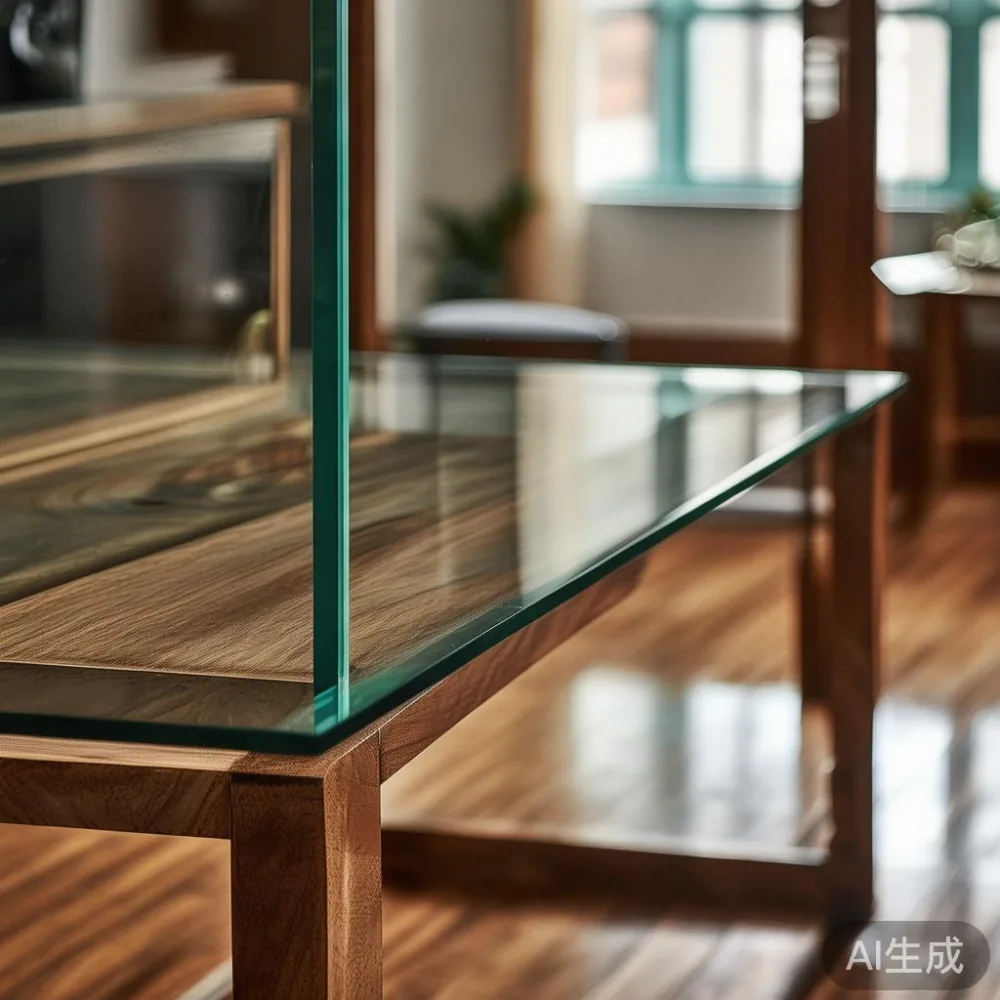
2. Surface and finish coverage. This is where it gets slippery. Wood finishes, lacquer, paint, fabric, and leather are usually covered for 6 to 24 months only. Read the exclusions: most brands do not cover fading from direct sun through an east-facing Punggol balcony, colour shift from air-con humidity swings, or scratches from a robotic vacuum bumping a nightstand at 2 a.m.
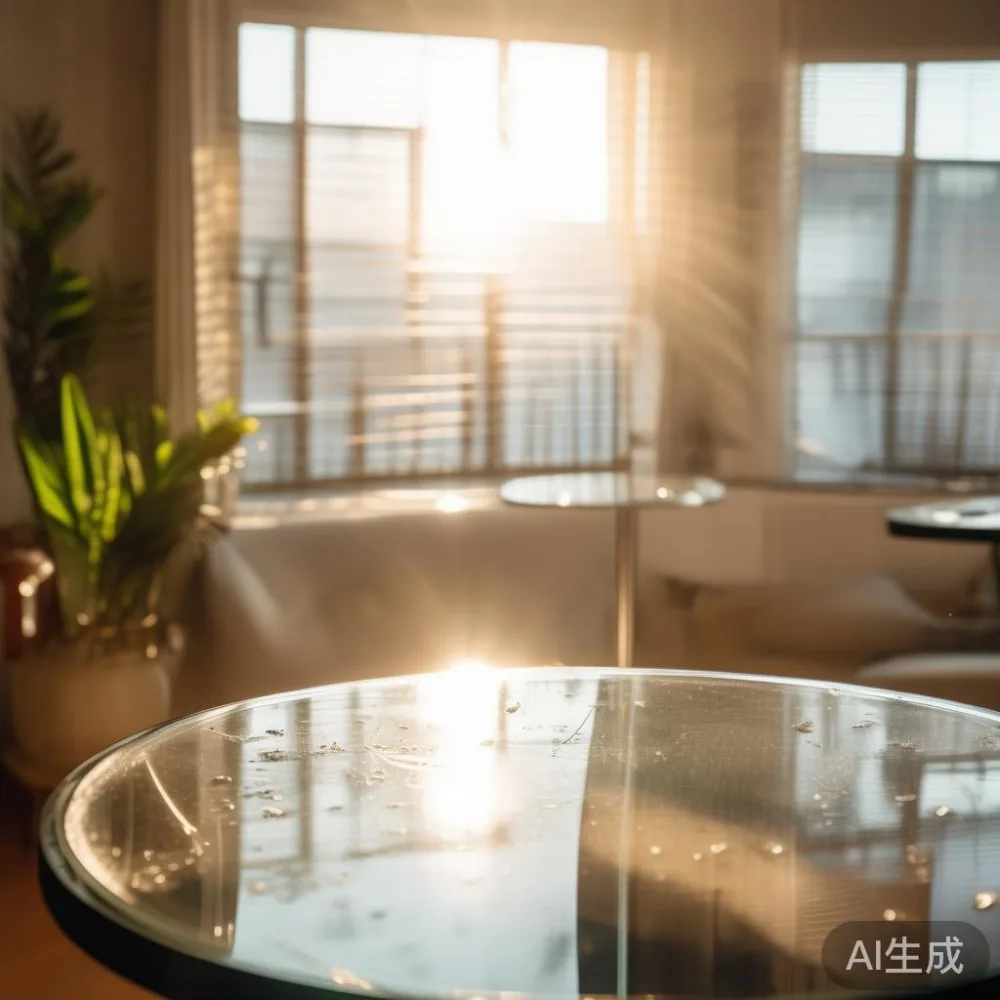
3. Glass furniture specifics. Tempered glass tops, glass cabinet doors, and mirrored panels carry their own rules. Standard exclusions include edge chips under 3 mm, stress cracks caused by uneven support, and any thermal shock from placing a hot pot directly on a marble table with a glass inlay. If a piece is described as glass furniture, the warranty should name the glass thickness (usually 8 mm or 10 mm tempered) and the standard it meets, such as BS 6206 or EN 12150. No standard, no coverage you can enforce.
How long should a warranty actually last for solid wood furniture in Singapore?
Numbers first, then context. For a SGD 2,000 to SGD 4,000 solid wood dining table, I treat anything under 5 years of structural coverage as a red flag. For a glass cabinet or tempered glass sideboard above SGD 1,500, I expect 3 years on the frame and at least 12 months on the glass itself. For wardrobes taller than 1.8 m, the dowels, cam locks, and hanging rails take real stress every time you slam a drawer, so I want 10 years on hardware and 5 years on the carcass.
There is a useful comparison shoppers ask me often: Japanese bed vs Nordic bed, and which one carries the longer warranty. Japanese platform frames use low-profile slats, fewer joints, and a smaller surface area to fail, so brands typically offer 10 years on the slat system. Nordic-style bed frames are taller, often with storage drawers and headboards in mixed materials; warranties of 6 to 8 years are typical, with stricter exclusions on drawer runners. The lesson is not that one is worse. The lesson is that the warranty reflects the design, and your reading should adjust to the moving parts.
What is the difference between a warranty and a lifetime refinishing promise?
A warranty repairs or replaces defective components. A refinishing promise restores surface appearance. They are not the same thing, and confusing them is how customers lose SGD 400 to SGD 900 per service call.
A refinishing promise typically covers sanding, re-lacquering, re-oiling, and colour touch-ups on solid wood. It usually excludes shipping both ways, which from Foshan to a Singapore HDB can run SGD 280 to SGD 450 per piece. It also usually excludes glass components, marble inlays, and metal hardware. For a wardrobe or dining table made of solid ash, oak, or walnut, lifetime refinishing is a meaningful promise because solid wood can be sanded 4 to 6 times across a 30-year lifespan. For engineered wood with a 0.6 mm veneer, refinishing is impossible after the first service.
If you are considering a European light luxury wardrobe at the SGD 3,800 to SGD 6,500 price tier, the question to ask the salesperson is: does the wall have separate warranty terms for the carcass, the drawer runners, the soft-close hinges, and any glass or mirrored panels? One combined number is a negotiation tactic. Four numbers is a real product specification.
Does the warranty cover shipping, GST, and HDB delivery work in Singapore?
Often no, and this is the line item that costs Singapore shoppers the most. Three components sit behind every claim:
Freight from the factory. Cross-border shipping for a single dining table from China to Singapore runs SGD 200 to SGD 600 depending on volume and season. Some warranties include return shipping; most do not. Read for the words "return freight at owner's expense."
Last-mile delivery in Singapore. A standard ground-floor delivery in Tampines or Punggol is included by most online sellers. A high-floor HDB delivery above the 7th storey in a block without a service lift adds SGD 80 to SGD 150. Condo deliveries that require booking a loading bay slot, moving through a 1.5 m corridor, or using a specific service lift add SGD 60 to SGD 200. None of these are typically covered by warranty service.
GST and duty. Replacement parts shipped from outside Singapore attract 9 per-cent GST and, for items above SGD 400 in declared value, possible customs inspection fees of SGD 25 to SGD 60. A warranty that "covers replacement parts" but does not cover taxes and duties is, in practical terms, half a warranty.
MIDHILL's published terms are unusually clear on this point: structural claims cover parts and one-way shipping, and refinishing covers labour only with the customer paying freight in both directions. That kind of plain wording is what I look for.
Which furniture categories in your home are most likely to fail first?
Not every piece carries equal risk. Based on warranty claims I have seen filed across Singapore households, here is the failure order I now use when prioritising warranty reading:
First to fail: drawer runners and soft-close hinges. On any wardrobe, nightstand, or sideboard, these are rated for 50,000 to 100,000 cycles, which in a busy Tampines household with two children means 4 to 7 years. Most warranties cover them for 1 to 3 years only, which is exactly the gap where failure happens. Ask for the cycle rating on the data sheet.
Second to fail: glass shelves and glass cabinet doors. A 6 mm tempered glass shelf loaded with hardcover books can bow slightly over time, and the bracket screws can loosen. Warranties often cover the glass itself but not the bracket hardware.
Third to fail: solid wood table tops and bed slats. Central bowing on a 1.8 m dining table is normal after 3 to 5 years; warranty coverage beyond that is unusual unless the bow exceeds 5 mm across the diagonal. Bed slats on a queen-size frame typically carry a 5-year warranty; ask for the slat material and spacing (anything over 8 cm apart will not support a pocket-spring mattress properly).
Fourth to fail: marble table edges and inlays. Marble is porous and soft on the Mohs scale. A marble table with a glass protector is the single best prevention move. Most warranties exclude chips under 5 mm, which is the most common failure size.
For a solid wood sofa, the cushions and upholstery usually outlast the warranty, but the frame and spring suspension are where the long warranty matters. For a French light luxury accent chair in boucle or velvet, look closely at the zipper warranty and the foam density specification. Foam density under 28 kg per cubic metre will sag inside 18 months regardless of what the warranty says.
How do you spot red flags in a furniture warranty before you pay?
Five patterns show up again and again in warranty documents that look generous but deliver little:
1. Prorated coverage that decays fast. A 10-year warranty that pays 100 per-cent in year one and 10 per-cent in year ten is functionally a one-year warranty for anything expensive. Ask for the schedule in writing.
2. "Original purchaser only" clauses. This kills resale value and makes warranty void the day you move from your Punggol HDB to a Bedok condo. Some brands now offer transferable warranties for an SGD 80 to SGD 200 fee.
3. Mandatory use of brand-approved cleaners. If the warranty voids coverage if you clean a glass table with anything other than the brand's USD 35 starter kit, that is a trap. Avoid.
4. "Acts of nature" broadly defined. Singapore humidity is not an act of nature; it is the operating environment. A warranty voiding on humidity damage in a tropical climate is a warranty that pays nothing.
5. No named warranty provider. If the warranty is issued by a marketplace, a shell company, or a logo without a registered address, you have no one to claim against. A brand exporting from a verifiable factory with 10+ years of operation and a 10-year structural warranty is the safe profile.
What should you photograph and keep when glass furniture arrives?
Documentation matters more than the warranty text. On delivery day, before the team leaves, take four sets of photos: full piece in room, close-up of any glass edges, close-up of any joinery, and the label or batch sticker on the packaging. Also keep the packaging for at least 30 days in case a return through is needed; disposal of a 2.4 m solid wood sofa box costs SGD 60 to SGD 120 in Singapore if you skip this.
For glass furniture specifically, photograph the tempered glass stamp or etched logo in one corner of each glass panel. This is the manufacturer's batch ID, and without it most warranty claims on glass will be denied on the grounds that the part cannot be matched. For a marble table, photograph the underside sealing and any factory-applied felt pads.
Is light luxury wardrobe worth it for the warranty terms alone?
Short answer: only if the warranty structure matches the price. A common search query is whether a light luxury wardrobe is worth it when the base model costs SGD 1,800 and the light luxury version costs SGD 4,200. The price difference is roughly SGD 2,400. Over a 10-year horizon, the warranty on the base model might cover drawer runners for 1 year while the light luxury version covers them for 5 years, with replacement parts covered. The expected cost of runner replacements across a decade in a Singapore home is around SGD 350 to SGD 600, which does not justify a SGD 2,400 premium on its own. What does justify it is the carcass warranty of 10 years versus 3 years on the base model, combined with lifetime refinishing on solid wood doors. Add those together and the premium becomes a rational decision rather than a marketing decision.
The same math applies when comparing American light luxury and French light luxury dining tables. French light luxury to the SGD 5,000 to SGD 9,000 tier typically uses solid oak or walnut with hand-rubbed lacquer, while American light luxury to the SGD 3,000 to SGD 5,500 tier uses solid ash or rubberwood with machine-applied finishes. The warranty difference reflects this: French-tier pieces tend to carry 10-year structural with 3-year finish; American-tier pieces tend to carry 5-year structural with 1-year finish.
How do you file a warranty claim smoothly when something does go wrong?
Three steps. First, stop using the piece the moment you spot the defect; continuing to use a cracked glass shelf or a bowed bed slat is the most common reason warranty providers reduce payout. Second, document with timestamped photos and a short written note. Third, contact the seller within 7 days; most warranties require notification within 14 days, but filing inside 7 days avoids any debate about when the damage occurred.
For cross-border brands, the claim usually goes through the local showroom or distributor rather than the factory. Response times in Singapore for a brand with local operations are typically 3 to 7 working days; for a brand shipping direct from China, response times are 10 to 21 working days plus shipping. A brand such as MIDHILL, which ships container-direct from Foshan with consolidated Singapore delivery, sits in the middle at around 7 to 14 working days, which is acceptable for non-urgent claims.
Where do vintage and post-modern pieces fit into a warranty reading?
Two final categories deserve a quick mention because buyers search for them in Singapore. Buyers looking for under 2000 vintage furniture often expect an antique warranty, which does not exist. Vintage pieces are sold as-is, and any restoration work is the buyer's responsibility. If you want vintage style with a real warranty, the practical path is a reproduction in solid wood, where you can have the look, the lifetime refinishing, and the 10-year structural coverage together.
Similarly, listings for post-modern furniture for sale at the SGD 2,500 to SGD 6,000 tier are usually new pieces in a post-modern design language rather than vintage. The warranty reading order is identical to any other solid wood piece: check the structural term, the finish term, the glass term if applicable, the shipping terms, and the exclusions list. A European light luxury accent chair at this tier should carry 5 years on the frame and 2 years on the upholstery as a minimum.
What is the single takeaway before you sign the delivery note in your Tampines or Bedok flat?
The single takeaway is this: a warranty is a sentence-by-sentence document, not a headline document. The headline tells you what the brand wants you to remember. The sentence tells you what the brand will actually do. Read the exclusions page before the cover page, count the cycle ratings on the runners and hinges, confirm the glass thickness and standard, and clarify who pays for shipping both ways and the 9 per-cent GST. With those five checks, you will spot 90 per-cent of the traps before they cost you a Saturday afternoon of pushing a defective solid wood bed frame back down the corridor.