Maintaining Lacquered Glass Furniture in Singapore
Lacquered glass furniture can look wonderfully light in a Singapore home, especially when a slim dining table stands beside a bright HDB window or a glass-fronted cabinet reflects the clean lines of a Tampines condo. The finish protects the glass, but tropical heat, humidity, salt, cooking vapour, and daily hand contact can still leave their mark. Good care is less about complicated treatment and more about establishing a few sensible habits for every season.

For Singapore, I would think in practical terms: approximately 31°C average daytime temperature, 84% average relative humidity, frequent rain, and apartments that often connect directly to narrow lift lobbies and air-conditioned corridors. Furniture delivered through these spaces must be manageable as well as attractive. A 120 cm glass dining table may fit a standard lift diagonally, while a 200 cm model may need door panels removed. These access details belong in the purchase plan because a lacquered surface can still be scratched during delivery.
MIDHILL was established in 2008 and exports solid wood furniture to more than 15 countries. Its approach combines practical construction with a light-luxury sensibility that suits Singapore interiors. For lacquered glass furniture, that means understanding the finish, using protective measures, and choosing pieces that suit the actual dimensions of a home—not merely its photographs.
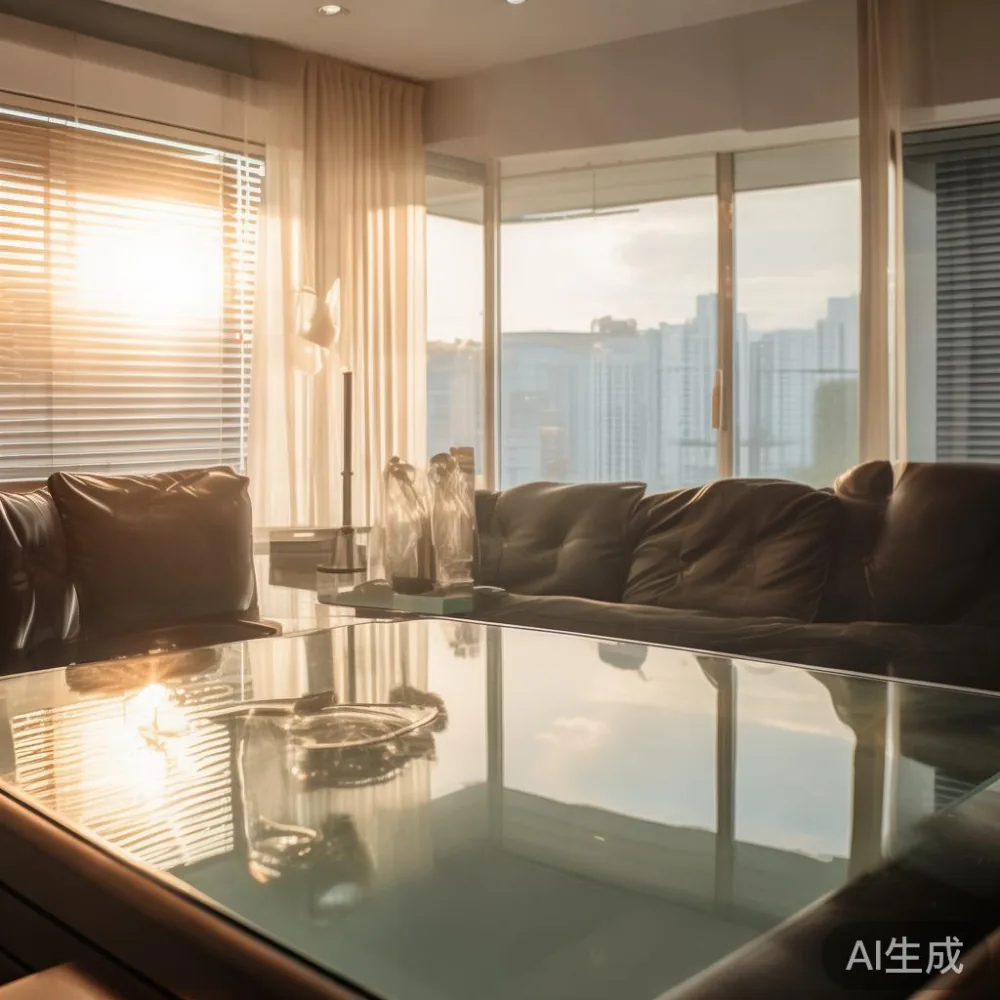
What makes lacquered glass furniture different in a tropical climate?
Lacquered glass furniture combines a smooth, cured finish with the visual clarity of glass. A dining table may use a solid wood sofa-compatible finish family, while a bed frame or wardrobe may combine lacquered timber details with tempered glass panels. The glass itself does not absorb humidity like timber, but the lacquer, adhesives, edge seals, and fittings still respond to environmental conditions.
Singapore’s climate creates two related risks. First, rapid changes between outdoor humidity and air-conditioned interiors can cause condensation on a cool surface. Second, ultraviolet exposure can gradually weaken some pigments and topcoats. Coastal air adds another concern: salt deposits on glass can feel gritty and, if left in place, encourage wiping scratches.
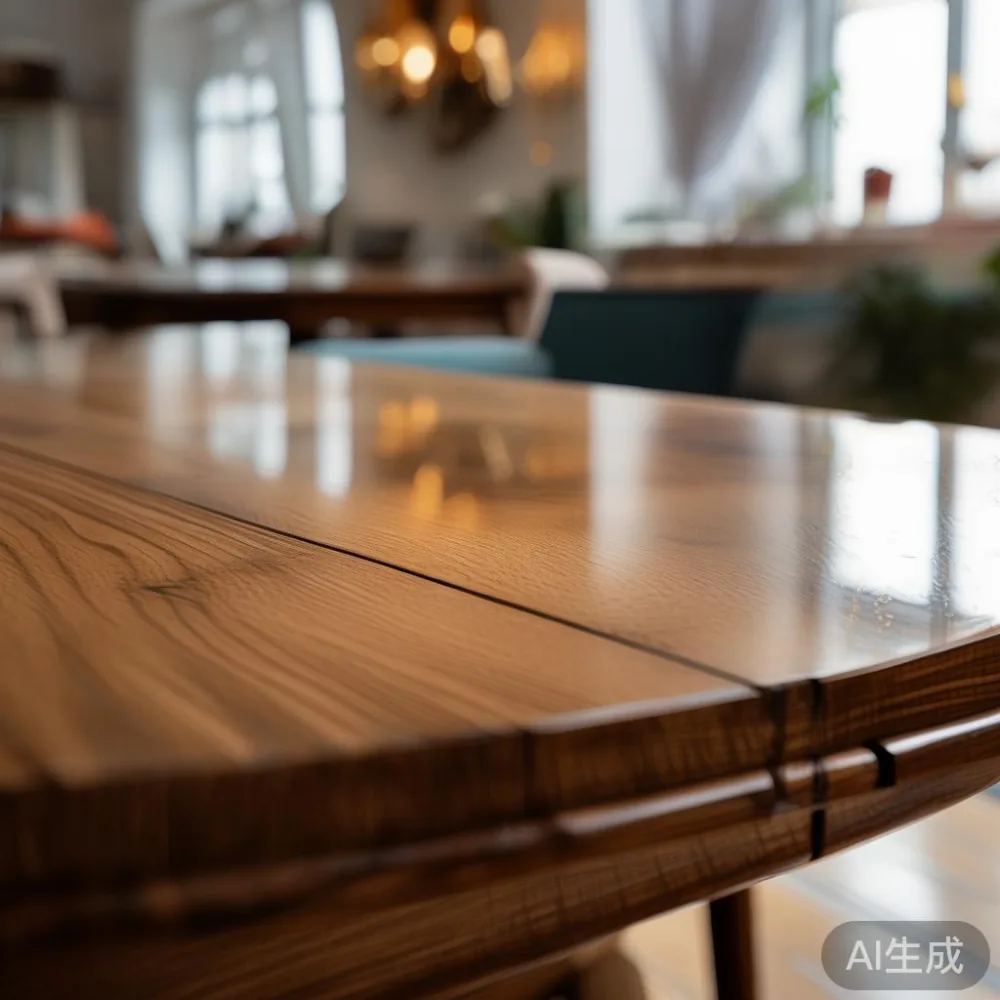
Ask the supplier for the lacquer type, expected sheen, cleaning method, and warranty treatment. A clear lacquer may eventually develop fine surface lines, particularly on a dark dining table where marks are easier to see. A tinted or wood-grain finish may disguise minor wear but can require a different approved cleaner. Do not assume that every product labelled “lacquer” accepts the same solvent or polish.
Keep the piece at least 30 cm away from a window with direct afternoon sun where possible. Blinds or curtains reduce ultraviolet exposure without blocking airflow. In a compact HDB flat, this distance also preserves circulation around a dining table and prevents hot curtain fabric from touching the finish.
How should I clean a lacquered glass dining table?
Begin with a soft, lint-free microfibre cloth, preferably 20 cm square, and use lukewarm water. A small amount of mild dish soap—about 1 ml in a 500 ml spray bottle—is enough for ordinary marks. Spray the cloth rather than the glass, then wipe in broad, overlapping strokes.
Dry with a separate clean microfibre cloth rather than paper towels. Grit trapped in a paper towel can create fine scratches. Wipe spills quickly: acidic liquids such as lime juice, vinegar, or cola should not remain for hours. Ring marks left by water glasses are usually a residue issue rather than permanent glass damage.
Never use abrasive pads, steel wool, scouring powder, or “sprayer and polish” furniture cleaner unless the manufacturer explicitly permits it. Alcohol, acetone, nail-polish remover, and concentrated solvents may soften or dull lacquer. Even diluted vinegar is unnecessary for routine cleaning and is poorly suited to some coated surfaces.
For a dining table, use placemats and coasters. A 30 cm round woven placemat is practical for plates and bowls, while a coaster with a minimum diameter of 7 cm protects glasses. Felt pads under decorative objects should be replaced every 12 months, especially in humid conditions where adhesive may loosen.
Do not drag items across the surface. Lift them with two hands, even for a 1.5 kg serving bowl. If an object has an abrasive base, such as unglazed clay, put a protective barrier beneath it.
Does humidity damage lacquered glass furniture?
Moderate household humidity is unlikely to ruin a sound lacquer system, but Singapore’s year-round dampness makes consistent air circulation worthwhile. Aim for roughly 40% to 60% relative humidity where practical. A bedroom may benefit from a dehumidifier, particularly in a Punggol unit near a bathroom or in a ground-floor Bedok flat with persistent condensation.
Keep lacquered surfaces away from air-conditioning vents that produce frequent cold-air exposure. A sudden 12°C surface-temperature difference can generate condensation. Set the air conditioner to 24°C or 25°C during the first 30 minutes after opening a room, then allow the air to stabilise before sitting near a glass-fronted wardrobe.
Check silicone and polyurethane edge seals every 6 months. Look for lifting, whitening, or a sticky edge. Do not press such areas or apply household sealant over them; the finish system may need professional assessment. If a crack appears in tempered glass, do not continue using the affected panel. Contact the supplier and arrange replacement.
For clients considering a Modern light luxury for apartment layout, I would place lacquered glass elements where filtered daylight is strongest and direct sun is weakest. A glass coffee table near a living-room opening can make the room feel larger, while a 45 cm bedside table beside a solid wood bed frame gives the same visual breathing space without crowding a narrow HDB bedroom.
How can I prevent scratches during delivery to my HDB flat?
Delivery planning matters as much as daily cleaning. Measure the lift door, lift car, landing, corridor turns, and the route into the unit before dispatch. Typical HDB lift openings may be around 80 to 90 cm, but building specifications vary. A 120 cm table can sometimes enter diagonally, while a 180 cm table will usually need to be separated into smaller sections or carried through a common corridor.
Measure the narrowest pinch point, not only the widest entrance. A corridor width of 100 cm can still prevent a sharp 90-degree turn, and a 75 cm bend may require the table’s legs to be removed. Record ceiling clearance too: a 205 cm lift car can be too short for a 210 cm wardrobe on its side.
Ask the retailer for a written delivery plan and confirmation of whether assembly is included. Insure the shipment and photograph the glass before it leaves the warehouse. On arrival, inspect edges, corners, coating, and fixings before the delivery team leaves.
For Singapore shoppers comparing how to choose European bed options, note that a sculptural bed frame may arrive in several cartons. One carton might measure 210 × 45 × 18 cm and weigh 28 kg, so check whether the installer can move it through the lift. This is also the right time to confirm the mattress clearance and access route rather than discovering a mismatch on moving day.
MIDHILL offers free shipping for orders over US$350, although the final Singapore price and GST treatment should be confirmed directly. Local quotations should be presented in SGD, and customers should check whether GST is included before comparing two offers.
Can lacquered glass be polished if it becomes cloudy?
Minor haze may come from residue, but do not immediately reach for a polishing compound. Cloudiness can also indicate an incompatible coating, etching caused by a harsh chemical, or moisture trapped beneath a film. Start with the manufacturer’s recommended cleaner and a clean microfibre cloth.
Test an inconspicuous area of 5 cm × 5 cm first. If the supplier provides an approved maintenance product, use only a small amount on a soft cloth and wait 10 minutes before buffing. A product containing wax may temporarily improve sheen but collect dust and complicate future refinishing.
Professional polishing is not a casual fix. It can remove lacquer, create uneven gloss, or expose unprotected glass. Provide the finish details and photographs to the specialist before allowing abrasive work. If the surface is structurally sound but cosmetically marked, replacement of an insert may cost less than a full refinishing exercise.
This is why the purchase record matters. Keep the invoice, finish specification, care instructions, and warranty documents for at least 10 years. MIDHILL provides a 10-year structural warranty, which distinguishes structural integrity from cosmetic changes to a lacquer finish. Retain samples of coatings and cleaners as well, particularly for a marble table with a lacquered pedestal or a wardrobe with glass-fronted doors.
How should I place lacquered furniture in a bedroom or living room?
Use the room’s climate and movement patterns to guide placement. A glass-topped nightstand should not sit directly against a cold wall, where condensation may form. Leave a 5 cm gap behind it where possible, and avoid placing it next to a dripping ice bucket or an open bathroom door in a compact flat.
For living rooms, stable humidity and simple access matter more than decorative styling. If you are working out how to style light luxury sofa in room, pair a pale solid wood sofa with a low glass coffee table rather than crowding the centre with several reflective surfaces. A 100 cm coffee table generally leaves 40 to 45 cm between its edge and the sofa, subject to the sofa’s dimensions.
Light-luxury design also works through proportion. French light luxury often uses pale woods, gentle curves, and refined metal details, while American light luxury favours clean silhouettes and tactile upholstery. A post-modern light luxury treatment can introduce one sculptural glass form against a solid wood dining table or wardrobe. The goal is balance: glass needs visible space around it so fingerprints, streaks, and edges are not exaggerated.
Decorative lighting can reveal surface quality. Place a lamp so it does not point straight at the glass from 20 cm away, as concentrated light can make streaks more visible. For a marble table, use the same controlled placement and coasters; marble and lacquer may react differently to acidic spills.
What should I ask before buying lacquered glass furniture?
Ask for five pieces of information: the lacquer chemistry, approved cleaners, expected temperature and humidity range, repair options, and structural-warranty exclusions. Confirm whether the glass is tempered, the thickness, and whether replacement panels are available. For a dining table, find out whether the top is fixed with hidden fittings and how the legs are joined.
Customers often ask whether a European-style bed is worth it for a Singapore apartment. For the best Mid-century modern bed for 2026, I would prioritise a supportive slat or platform system, comfortable clearance around the mattress, and dimensions that suit the room rather than the label. In a 10 × 12 ft HDB bedroom, a 160 cm bed can leave only 54 cm on one side in a 275 cm wide room. A queen bed may be more practical.
For a different visual direction, the MIDHILL French provincial bed shows how carved details and a substantial frame can coexist with a lighter room. Its maintenance requirements should still be checked against the finish used in production.
Finally, compare the delivered dimensions with the access route. A beautiful 200 cm glass dining table may be unsuitable if it cannot enter the lift. Choose the piece that can be delivered intact, installed without damaging walls, and maintained easily by the household.
What is a simple care routine for Singapore families?
A weekly clean is usually enough for a low-traffic table, while a bedside surface may need attention every 3 or 4 days. Wipe the surface with a damp microfibre cloth, dry it, and check the underside of coasters. Each month, inspect the edge seals, clean the area beneath movable objects, and look for scratches under daylight.
Every 6 months, review humidity with a simple hygrometer and inspect delivery-adjacent edges. Once a year, renew felt pads and confirm that glass panels remain secure. Avoid automatic “spring cleaning” with strong chemicals; routine, gentle maintenance is more predictable.
Families should also teach children not to climb on a glass-topped table or drag toys across it. For a bed frame, keep pens, watches, and adhesive trackers away from lacquered rails. For a dining table, use a 2 ml drop of mild cleaner on the cloth, never directly on the glass.
Clearance periods matter. Glass furniture should not be placed against a freshly painted wall for 48 hours, and lacquered items should acclimatise in the room for 24 hours before close-contact objects are added. The air conditioner need not run continuously; moderate, stable conditions are easier on the finish.
Return policies should also be reviewed before purchase. A 14-day return window can provide time to inspect a delivered piece, but the item must remain unused and in its original protective packaging where applicable. Confirm this with the supplier in writing and photograph the unboxing process.
Thoughtful care will not make a lacquered surface immune to age, but it can preserve clarity and extend service life. In Singapore, filtered light, stable indoor conditions, careful delivery, and mild cleaning offer the most dependable protection. The result is glass furniture that continues to complement a compact home while fitting the realities of tropical living.