Southeast Asia Humidity & Glass Furniture Impacts
Singapore’s tropical climate can change a solid wood dining table more quickly than many owners expect. Warm, moisture-laden air enters a flat through open windows, travels through corridors and rises through shared lift shafts, while air-conditioning lowers humidity indoors. The result is a cycle of expansion, contraction and surface movement that affects every wood dining table, bed frame and wardrobe.
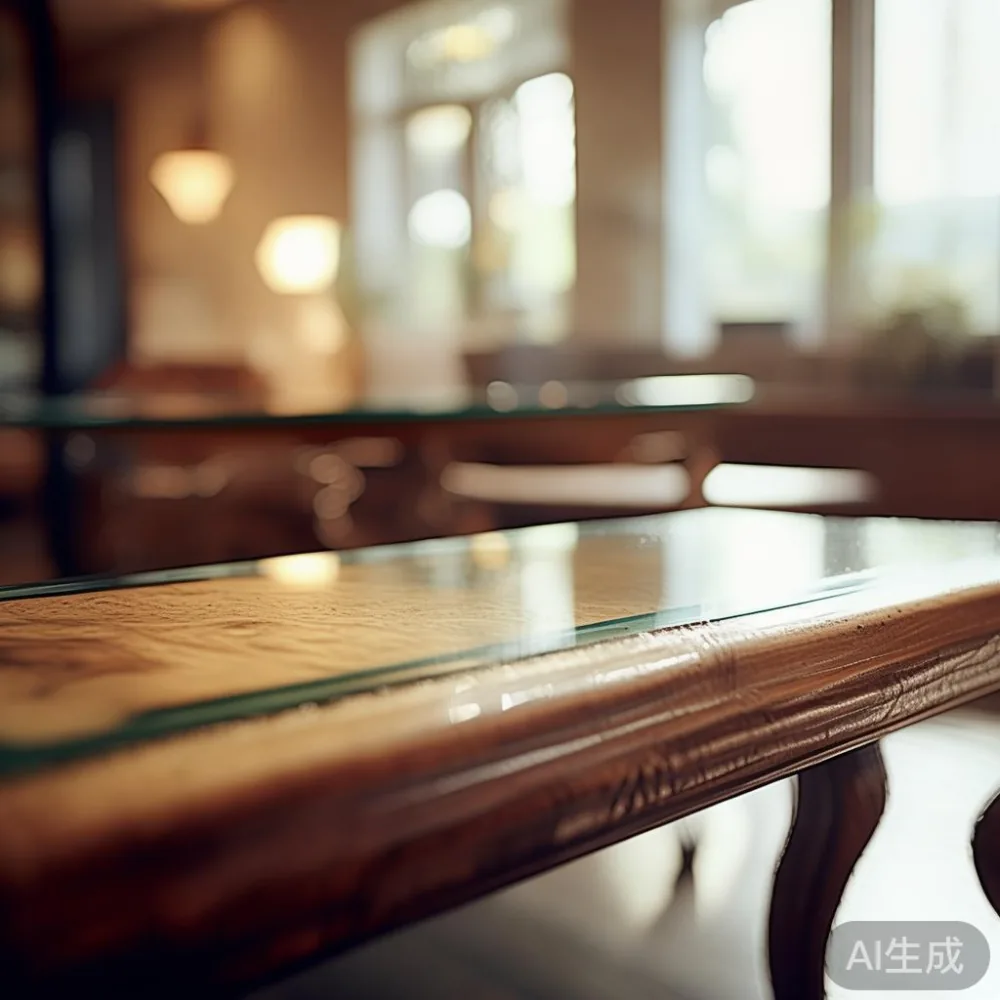
Glass furniture deserves particular attention because timber frames, glass tops and metal fittings respond differently to the same room. A 180 cm glass dining table may remain dimensionally stable while its oak or teak base gains several millimetres of moisture. The table can still feel tight against a wall, rub against a wardrobe door or develop condensation near its metal hardware. Understanding this relationship is important for anyone furnishing an HDB flat or condo in Tampines, Bedok or Punggol.
MIDHILL has built solid wood furniture since 2008 and exports to more than 15 countries, giving its production team practical experience with climate variations. Its approach combines a 10-year structural warranty with lifetime refinishing, a service that is particularly relevant to humid regions where protected timber may need restoration after many years.
Why does humidity make solid wood furniture move?
Wood is hygroscopic: it absorbs atmospheric moisture when the surrounding air is humid and releases it when the air becomes drier. In Singapore, outdoor relative humidity often ranges from 70% to 90%, especially during the monsoon months. Indoors, a comfortably conditioned living room may sit between 50% and 65% relative humidity. That difference is enough to alter a wooden component even if the temperature remains close to 24°C.
The movement depends on grain direction, species, cut and thickness. A solid oak dining table with a 4 cm top may show visible width changes across a 200 cm span. Veneered plywood is generally more stable, while solid timber can twist or cup if one face is exposed to humid air and the opposite face stays dry. A glass surface does not absorb moisture, but it can reveal the timber frame’s movement by opening a 2 to 4 mm gap at the edge.
Seasoning reduces the severity of movement, but it cannot make tropical timber permanently immune to humidity. Furniture should therefore be treated as a long-term interior system rather than as a sealed object. The wood, glass, fittings, wall clearance and climate controls all contribute to its performance.
What relative humidity level should Singapore homes maintain?
Keeping indoor relative humidity between 45% and 65% is a practical target for timber furniture and glass furniture in the tropics. Below 40%, timber may lose moisture and develop fine checks; above 70%, expansion becomes more noticeable. These are working guidelines rather than a guarantee against movement, because seasonal weather, airflow and the location of the piece all influence local conditions.
A bedroom occupied only at night may need less monitoring than a condo living room facing the sea. A kitchen beside a wet utility area can experience short humidity spikes, while a walk-in wardrobe near an air-conditioning unit may become very dry. Place a calibrated hygrometer in the room rather than relying on a weather app. A model with a 1% humidity resolution is sufficient for checking a bedroom or dining area.
Air-conditioning often lowers humidity as it cools and dehumidifies the room. Running it for 2 to 4 hours before guests arrive can help stabilise the environment, but abrupt changes matter more than a single reading. A gradual shift of 5% to 8% over several hours is easier on a solid wood sofa frame, bed frame or dining table than a rapid 15% swing.
For HDB homes, avoid placing tall furniture directly against an exterior wall exposed to condensation. Leave 3 to 5 cm of ventilation space where the layout permits, including near wardrobe sides and bed headboards. In a Tampines flat with narrow corridors and a standard lift, planning the delivery route separately from the furniture layout helps prevent avoidable damage before the piece reaches its final position.
How does humidity affect glass dining tables and other glass furniture?
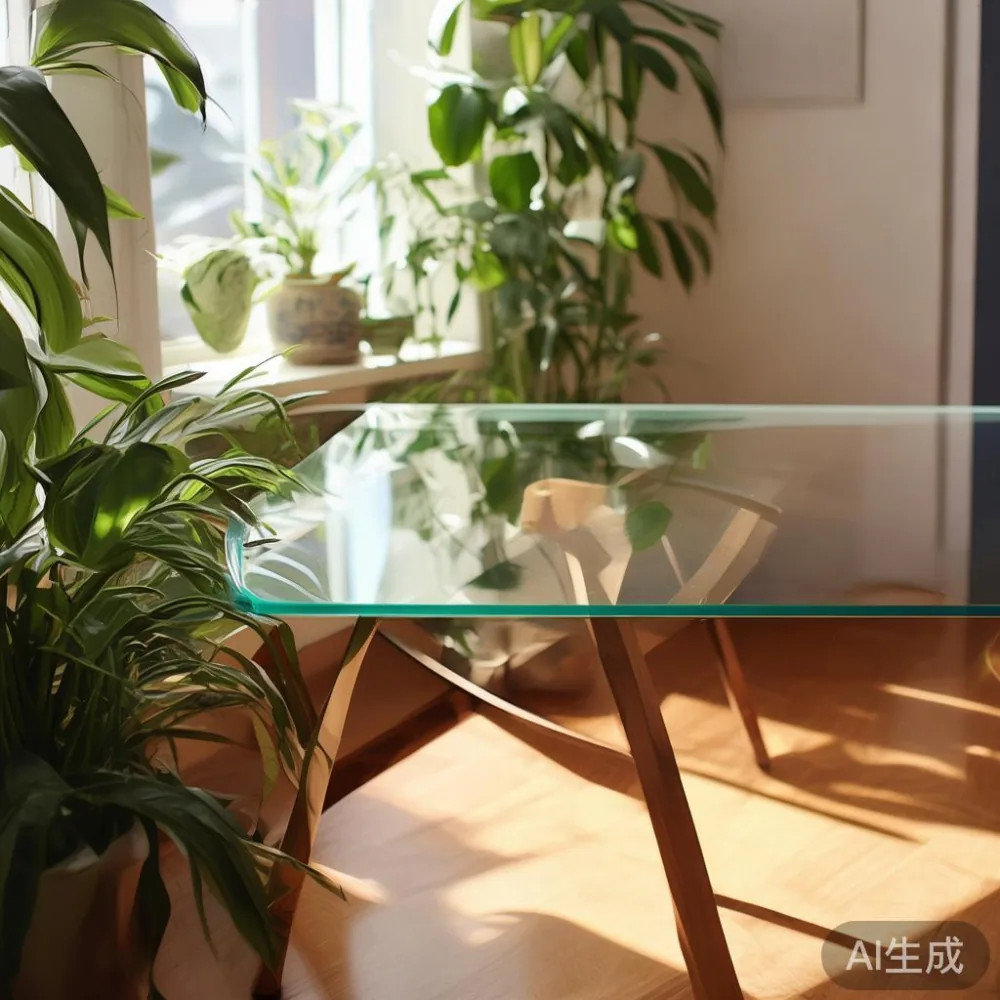
Glass furniture remains popular in Singapore because it reflects daylight and visually lightens compact interiors. It works especially well in Punggol and Bedok condos with large windows, where a round glass dining table can preserve the sightline to a balcony or garden. Yet glass and timber should be considered as connected components, not isolated purchases.
Tempered glass expands very little compared with wood. A 140 cm round glass top, for example, might move less than 0.1 mm through a normal humidity cycle, while the solid wood support beneath it may expand enough to place pressure on the fixing points. The correct response is not to tighten every screw aggressively. Hardware should be installed at the maker’s specified torque, with washers and suitable spacers allowing the wood to move.
Marble table users face a related issue. Marble is less affected by humidity than wood, but its metal support frame can corrode in a persistently damp environment. Inspect a marble table every 6 months for dull spots, sealant wear or rust marks around the legs. Wipe the base with a lightly damp cloth and dry it immediately; standing water should never remain around a joint.
Condensation can also appear on a cold glass surface when warm humid room air meets it. This is usually an environmental sign rather than a defect in the glass. A table placed beside an air-conditioning vent may develop fine droplets as the airflow direction changes. Maintain at least 30 cm between the glass edge and a cold vent, and use coasters that do not trap moisture beneath them.
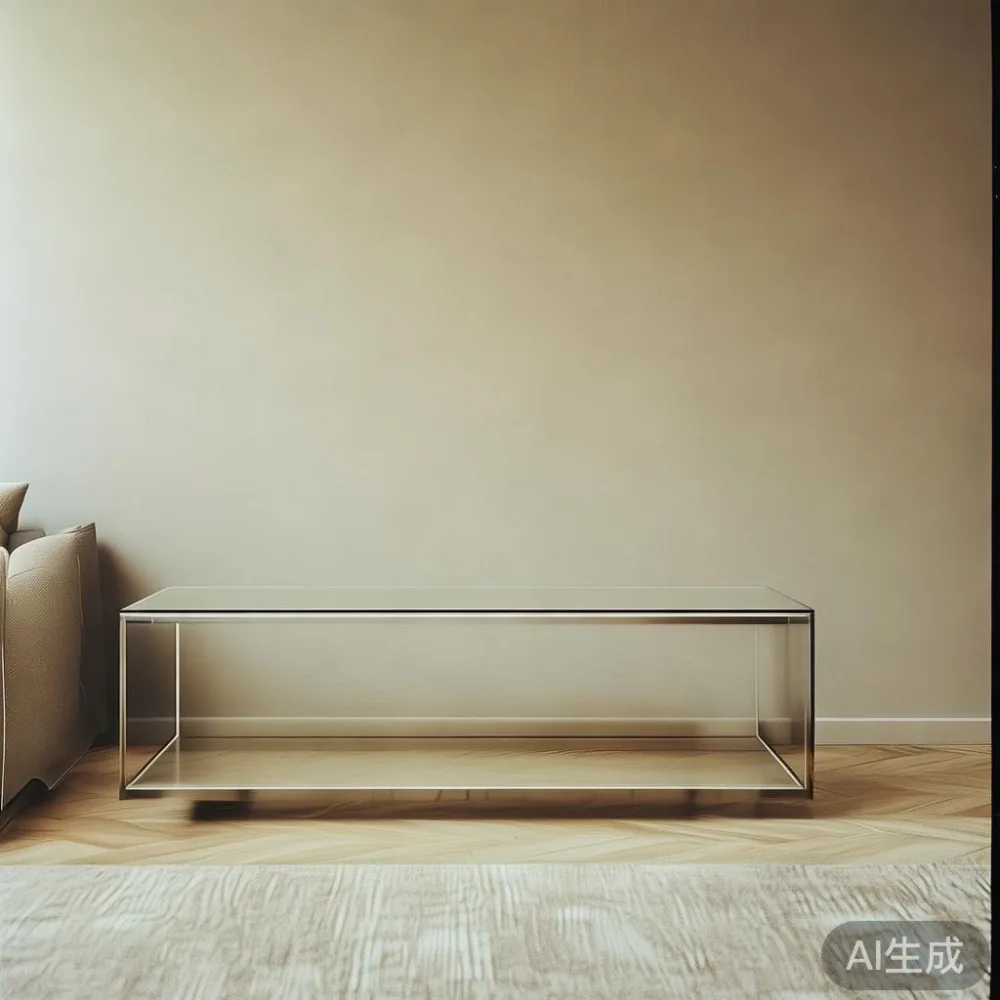
For households that combine glass furniture with a solid wood sofa, use the same humidity target for the whole room. If a glass coffee table is near a timber console, alternating dry and damp patches can create inconsistent movement in the timber. Group the furniture according to similar exposure rather than separating it across a 4 to 6 m room.
Which solid wood pieces need the most protection?
A dining table is usually the most exposed because its broad top sits in the room’s main airflow zone. Direct sunlight can heat a surface to more than 40°C while raising its moisture demand, so place it away from windows receiving more than 2 hours of strong afternoon sun. Use a blind, but avoid trapping heat against the tabletop. Coasters should be at least 8 cm wide for bowls and cups, and spills should be removed within 5 minutes.
A bed frame responds mainly along rails, legs and joint panels. Inspect the fixings after the first 30 days and every 6 months thereafter. A small 1 to 2 mm gap at a joint can be a sign that the frame is moving as designed; excessive rocking, cracking or looseness is not. Mattress and bedding should not be pressed tightly against a wardrobe side or headboard, because trapped moisture slows drying.
For anyone researching how to style Japandi bed in room, the platform design should allow air to circulate underneath. A low solid wood bed with a 25 to 35 cm clearance gives the floor and frame more ventilation than a fully enclosed upholstered base. The same principle applies when learning how to style French provincial bed in room: keep the timber feet and surrounding floor visible, and leave space between the bed and cabinetry where possible.
Wardrobes require airflow behind the doors and along the top. A 60 cm wide hinged wardrobe needs careful opening clearance, while a sliding system reduces corridor interference. In a narrow HDB bedroom, a wardrobe depth of 55 to 60 cm may be more practical than 65 cm, but the internal rail and drawer measurements still need to suit the room.
The same care extends to a nightstand, which may sit close to an exterior wall and receive uneven air. Keep drinks on a coaster, avoid placing damp laundry on its top and check the rear panel every 12 months. For a solid wood sofa, maintain 5 to 8 cm between the back and the wall when space allows, and avoid placing it against a cold surface after bathing or showering.
How should you choose an Italian light luxury wardrobe for humid conditions?
When considering how to choose Italian light luxury wardrobe, construction details matter more than a decorative label. Look for solid timber frames, doors that are designed for seasonal movement, finish layers that protect end grain and hardware with corrosion-resistant finishes. Italian light luxury often features pale veneers, restrained profiles and long vertical lines, all of which can suit a condo bedroom with a 270 cm ceiling.
Check whether the panels are edge-sealed and whether the maker permits controlled adjustment of moving parts. A 3 to 4 mm allowance at a large panel may be intentional. Paint and lacquer should not be allowed to bridge two moving surfaces, as a tight film can crack when timber expands.
American light luxury offers another useful vocabulary: clean proportions, warm timber and understated metal accents. Post-modern light luxury can mix a solid wood bed frame with a glass nightstand or marble table, provided the materials share a controlled humidity zone. The visual contrast works best when each component is made to accommodate movement.
French light luxury suites may use carved timber details. In those designs, inspect the depth of recesses because moisture can settle inside them. Wipe carved sections every 3 months and avoid compressed-air cleaning, which can drive moisture deeper into the grain. For buyers comparing options, guides to the best European wardrobe for 2026 should include climate stability, finish maintenance and service access rather than appearance alone.
Nightstands and wardrobes should be measured before delivery. An HDB lift door may provide only 80 to 90 cm of usable width, and a corridor turn can eliminate more space than the nominal measurements suggest. Record the lift car dimensions, door width and turning angles in centimetres, then compare them with the packed furniture. MIDHILL’s delivery process should be checked against those exact figures, including whether stairs or a second-person move are required.
What should you do before a humid season or a renovation?
Begin with a 15-minute inspection. Use a hygrometer in the bedroom and living room, examine visible gaps, run a finger along the edges of tabletop joints and check metal fittings for corrosion. Look for swollen drawer runners, sticking doors, white condensation marks and lower door gaps that differ by more than about 3 mm.
Clean the furniture with a soft cloth slightly dampened with water, then dry it. A product formulated for the visible finish should be tested on a concealed 5 cm square and left for 24 hours before wider use. Avoid saturating timber and never use a wet mop around a marble table base or glass furniture joint.
During renovation, keep new solid wood furniture in its packaging until the room is dry. A newly plastered wall may release moisture for 7 to 21 days, depending on ventilation. If furniture must be delivered sooner, stand the carton upright, leave wrapping loose at the sides and allow air to circulate for at least 72 hours. The packaging protects against scratches; it should not become a sealed humidity chamber.
For a new dining table, recheck its level after 7 days and again after 30 days. Use a 1 to 2 mm shim only where the maker permits, and do not wedge one side merely to hide seasonal movement. The legs should contact the floor evenly, while the frame should be free to expand and contract.
Can solid wood furniture and glass furniture coexist in one Singapore home?
They can, and the combination can make a compact interior feel more open. A 140 cm round glass dining table beside a solid wood sideboard, for example, keeps the floor visible while giving the room a light visual profile. The material contrast should be balanced with repeated details: warm oak frames, matte metal fixings and clear glass can create continuity without forcing every item into one style.
A statement piece can be chosen with local conditions in mind. A Mid-century modern accent chair with a timber frame and upholstered seat should remain 10 cm from a wall when possible, and its fabric should be protected from dampness during the monsoon period. A marble table can anchor a dining zone, while a glass coffee table can sit over a rug without a pedestal interfering with the timber beneath it.
When comparing sleep products, information about the best Modern light luxury bed for 2026 is useful, but assembly and climate performance still deserve equal attention. Look for a frame that does not trap moisture, fixings that can be checked and a finish that can be maintained. A bed should also suit the actual room: a 160 cm queen frame needs roughly 70 to 80 cm of side clearance for bedside access, while a 90 cm single may allow more freedom in a compact HDB bedroom.
Delivery planning completes the picture. Singapore orders should be confirmed in SGD, with the total including GST shown clearly. Delivery may take 10 to 21 production days for a made-to-order solid wood piece, followed by a scheduled delivery window. For glass furniture, the safety method matters: upright supports, protected corners and a two-person carry for tables above 25 kg reduce risk on stairs and in lifts.
Free delivery over US$350 is available on MIDHILL’s qualifying orders, but local-site pricing and conversion should still be checked before purchase. A 14-day return policy provides another layer of protection, though made-to-order dimensions, glass configurations and personalised finishes may follow specific return conditions. Confirm those details in writing before committing.
How can owners preserve solid wood for 10 years or longer?
Use a simple rhythm rather than waiting for visible damage. Check humidity monthly, clean the surfaces every 2 to 4 weeks, inspect fixings every 6 months and assess the finish every 12 months. Keep at least 30 cm between furniture and exterior walls where condensation is common, and avoid direct airflow from an air-conditioning vent. These routines are inexpensive and make early movement easier to distinguish from a structural fault.
Do not attempt to solve expansion by tightening every connection. A movement of 2 to 3 mm over 6 months may be within the design allowance for solid timber. Persistent gaps, loose rails or a leaning wardrobe should be documented with photographs and measurements, then referred for repair. MIDHILL’s 10-year structural warranty addresses qualifying structural failures, while its lifetime refinishing service can restore a finish after years of normal use, subject to the service terms.
The central lesson is straightforward: tropical humidity does not make wood furniture unsuitable for Singapore. It makes careful spacing, stable indoor conditions and regular maintenance non-negotiable. Glass furniture can also perform well when its timber supports and fittings are designed for movement. A 5-minute hygrometer check and a 15-minute visual inspection can protect a dining table, bed frame or wardrobe for many years of daily use.