How Southeast Asian Humidity Affects Solid Wood and Glass Furniture
Singapore’s warm, humid climate can change solid wood and glass furniture more quickly than many shoppers expect. In a compact HDB flat in Tampines or Bedok, a dining table may experience repeated swings between cool air-conditioning at night and warm, moisture-rich air during the day. A solid wood sofa, bed frame or wardrobe can therefore absorb moisture, expand, dry and contract across several seasons. Glass furniture reacts differently, yet condensation, mineral deposits and frame movement still require care.
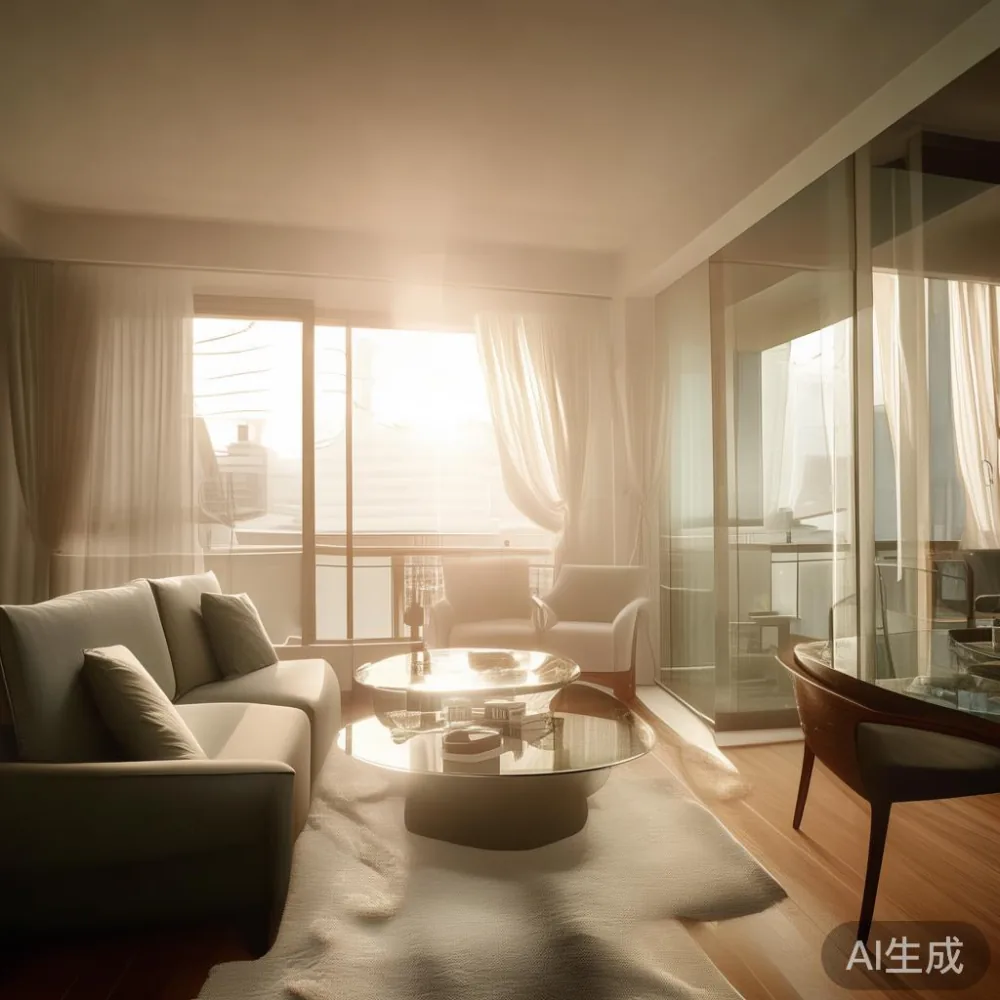
This guide explains how relative humidity affects timber, veneer, upholstery and glass, with practical guidance for homeowners in Punggol condos, narrow lift lobbies and high-rise corridors. It also explains what to inspect during delivery and how to choose furniture that suits Singapore conditions without sacrificing light-luxury character.
For a useful comparison, I searched for the top 10 Scandinavian furniture references before selecting a dining table for a client. Their clean silhouettes were appealing, but I paid more attention to timber species, moisture targets, joinery and after-sales refinishing than to a style label. That approach is equally valuable when assessing for sale French furniture or measuring an American sofa against the American sofa vs Mid-century modern sofa question in a compact living room.
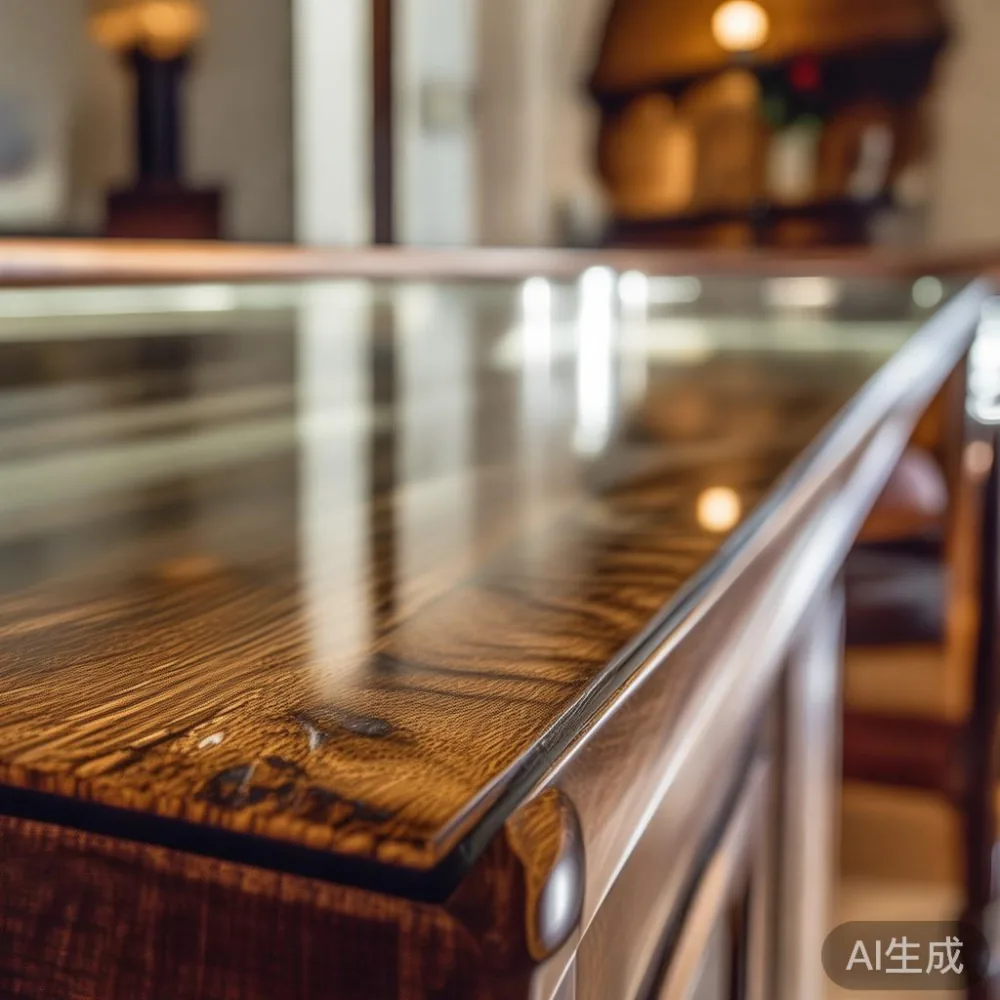
What humidity does to solid wood in Singapore?
Relative humidity is the percentage of water the air holds compared with the maximum it can hold at that temperature. Singapore’s monthly average often falls around 75% to 85%, although condensation, recent rain and air-conditioner operation can push an individual room above 90% or reduce it below 55%.
Wood is hygroscopic: it takes in moisture when the air is humid and releases it when the air becomes drier. The movement is generally small across the grain but more noticeable along the grain. A solid oak dining table 180 cm long may expand by roughly 1 to 3 mm across its width during severe seasonal changes. A door on a 200 cm wardrobe may catch briefly at its edge if the carcass swells. These are normal material behaviours, not automatically manufacturing defects.
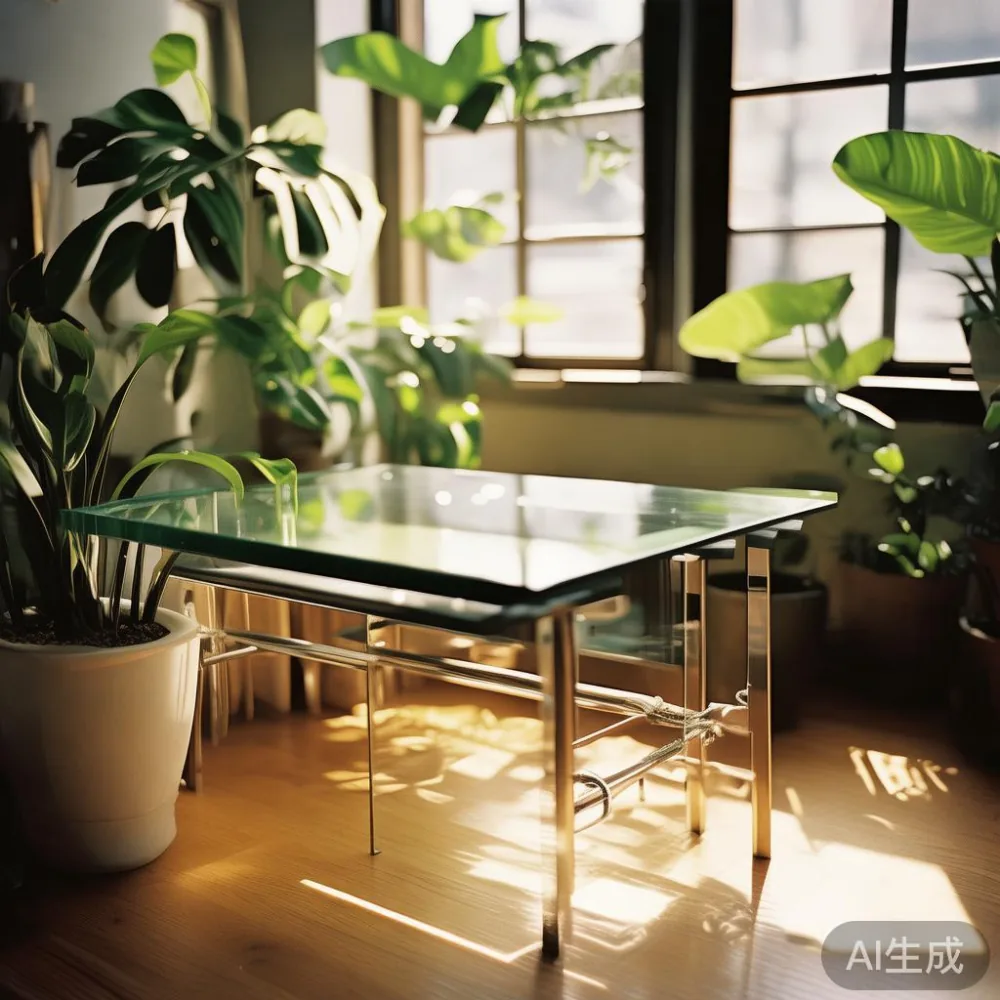
The severity depends on timber stability, thickness, construction and acclimatisation. Oak, ash, beech and walnut are commonly chosen for solid wood furniture, but each species has a different response. Plywood and engineered board can move less in one direction, yet their exposed edges and joints still need protection. A weak particleboard may soften when damp, so solid timber or well-built joinery offers better long-term resilience.
My colleague tested an unfinished oak sample for 28 days in a Bedok flat last month. One side sat beside a frequently opened balcony door; the other remained in an air-conditioned study. The balcony-side sample reached 86% moisture-equivalent conditions and showed the widest dimensional change, while the indoor sample remained stable. The test confirmed what a moisture meter cannot show alone: placement history matters as much as the furniture’s specification.
How does humidity affect glass furniture?
Glass does not absorb much atmospheric moisture, so it does not swell like timber. However, humidity increases the likelihood of condensation on or around glass furniture. A glass-top coffee table near an unglazed window can develop a fine film of water during a rainstorm. If the film persists, the stone or timber base underneath may become damp.
Condensation can leave temporary mineral marks, especially with hard water. Singapore tap water often has a moderate mineral content, and repeated wetting encourages spotting around silicone joints and metal fittings. Use a soft microfibre cloth and a small amount of diluted neutral detergent, then dry the surface completely. Avoid ammonia cleaners near lacquered timber and never pour liquid directly onto a glass top.
Glass furniture is also sensitive to impact and frame movement. A solid wood dining table with a glass extension can remain stable if the extension mechanism has clearance, while a marble table has a different mass and thermal response. The key is to keep an appropriate gap around moving components and to avoid forcing a glass panel during seasonal timber movement.
For homeowners comparing polished glass with pale timber, French light luxury can work well: slim metal lines, tempered glass and lightly toned ash create an airy appearance without making a small room feel heavy. Post-modern light luxury often favours stronger contrast, such as smoked glass with walnut framing. In either case, durability still depends on correct joint spacing, tempered safety glass and moisture-conscious care.
Will an air-conditioner protect furniture from humidity?
Air-conditioning helps, but it creates its own fluctuation. A unit set to 24°C may reduce relative humidity in the room, while an open door or window quickly introduces humid air. Repeated cycles can expose furniture to moisture pickup and drying, particularly at night.
For valuable timber, aim for a reasonably stable indoor environment around 45% to 65% relative humidity. Use a digital hygrometer placed near the furniture rather than near an air-conditioning vent. Check it at roughly the same time on 3 days: morning, afternoon and evening. If readings regularly exceed 75%, improve ventilation, use dehumidification or move the piece away from condensation-prone glazing.
Do not aim for perfect laboratory conditions. Sudden attempts to dry a damp cabinet with a strong fan or heater can cause cracks and joint movement. Instead, use gentle airflow, gradual temperature changes and measured moisture control. In HDB bedrooms, running the air-conditioner for 1 to 2 hours before sleep often reduces overnight humidity without leaving the room dangerously warm.
Which furniture pieces need the most humidity attention?
A dining table usually receives the most direct exposure to meals, spills and outdoor air carried through a kitchen or balcony. Place it at least 60 cm from an open doorway or misty window if space allows, and use coasters and trivets. Felt or cork pads should sit under hot vessels. Wipe spills within 10 minutes, because water can enter an open grain or a joint.
A solid wood sofa needs attention because its timber frame may expand inside the upholstery. Avoid wetting the frame during cleaning, and let a removable seat cover dry fully before replacing it. For cushions, check every 6 months and rotate loose pieces. Fabric should remain slightly damp during washing, not soaked.
A bed frame sits in rooms with overnight temperature changes and sometimes a conditioned window. Stand it at least 30 cm from a cold glass wall or exterior glazing. Leave a gap of approximately 2 to 5 mm where a headboard meets a wall. Solid wood slats may be spaced around 5 to 8 cm apart for airflow, subject to the manufacturer’s design.
A wardrobe should have space for its doors to open, particularly in a narrow bedroom corridor. Allow about 5 cm beside a hinged door for handles and wall clearance. For sliding doors, inspect the lower track every 3 months for grit and damp debris. If timber panels are fitted into a recess, avoid sealing them completely against a damp wall.
A nightstand should not sit directly against an air-conditioner outlet where cool air repeatedly strikes it. Its small size does not prevent seasonal movement. A marble table should have its underside checked, since porous natural stone can absorb water and stain even when its top appears protected.
When comparing a French bed vs Nordic bed, the important questions are timber stability and ventilation rather than national style. The French bed vs Japandi bed comparison has a similar answer: low-platform designs may use a broad timber perimeter and need room for seasonal expansion. Inspect the centre rail, brackets and floor contact points every 12 months.
How should large furniture be delivered to flats and condos?
Measure before ordering, not after delivery. A standard HDB lift opening may be around 90 cm wide and 210 cm high, although individual blocks vary. A luxury lift may measure about 140 cm wide and 220 cm high. Confirm the internal car dimensions, door clearances and turning space with your building management.
Measure the route from the loading area to the unit: car park ramps, fire access doors, corridor turns, stair landings and the final bedroom doorway. For a dining table with a 180 cm top, it may arrive assembled and require more turning space than it weighs. A typical solid oak dining set can weigh 70 to 120 kg; a glass-top dining table may weigh 45 to 80 kg. Check that the route can accommodate both dimensions and the carriers’ equipment.
Protect wall corners with padded blankets and ask the delivery team to remove shoes or use clean covers. Photograph the furniture before it enters the lift and again at the final position. If a glass panel is damaged in transit, record it before assembly and contact the supplier immediately.
MIDHILL offers free shipping for qualifying orders above US$350, with a 14-day return window. Singapore orders are shown in SGD, and any applicable GST is added at checkout. Delivery timing and final charges should be confirmed for the specific Singapore address.
Planning the move can also prevent avoidable humidity problems. Carry furniture into an air-conditioned room and allow it to acclimatise for at least 48 to 72 hours before tightening fittings, hanging doors or placing objects against panels. Keep packaging dry outside the unit and remove it promptly; trapped cardboard can retain moisture against timber.
What should buyers ask about timber quality and warranty?
Ask whether the piece is solid wood, solid veneer or engineered board, and request moisture information. Well-managed kiln-dried timber should usually be conditioned for the destination climate. A maker should explain whether its components are suited to humid conditions and how seasonal movement is handled through joinery.
Look for clear construction details: screws and dowels at load points, supportive rails under a dining table, properly sealed edges and stable joints. For a solid wood sofa, inspect how the frame meets the seat deck and whether the upholstery can be serviced. For a marble table, ask about the substrate, sealer and support method. For glass furniture, confirm the safety-glass specification, edgework, cushioning and fixing system.
Warranty language matters. MIDHILL provides a 10-year structural warranty and lifetime refinishing, which gives owners a practical route for restoring surface appearance after years in a humid climate. Read the exclusions for accidental water damage, outdoor exposure and commercial use. Keep purchase records, care instructions and photographs of the furniture in its home.
Style references can guide an initial search, but physical performance should decide the purchase. A search for American for small living room ideas may lead to a compact American sofa with tight proportions and raised legs. A French light luxury dining table may use pale timber and curved details, while Nordic pieces tend to show simple lines. None removes the need for moisture-aware placement.
How can you maintain furniture without overdoing it?
Use a simple routine. Check the hygrometer every 1 to 2 months, inspect moving joints every 6 months and wipe glass surfaces when spotting appears. Clean timber with a slightly damp cloth, then dry it immediately. Use pH-neutral cleaner and avoid silicone-based furniture sprays, which can create a sticky film.
Place coasters beneath vessels and felt pads beneath table legs. Reapply felt every 12 months, especially under a nightstand or wardrobe. Do not drag furniture across a floor; lift it with two people when the weight exceeds about 25 kg for one handler. For a dining table or bed frame, use at least 2 or 4 people as appropriate and follow the maker’s lifting instructions.
For glass, use a clean microfibre cloth and avoid abrasive pads. If condensation occurs, dry it rather than leaving it overnight. Move glass-top pieces away from open windows during heavy rain when possible, and never place them directly beneath a leaking air-conditioner pipe.
Minor surface marks on solid timber can often be treated through refinishing rather than replacement. Avoid sanding aggressively without advice, because excessive removal can soften edges and joints. A small mark may need only 1 to 2 hours of careful preparation and finish, while deeper wear requires a longer workshop process.
Can humidity damage solid wood furniture beyond expansion?
Yes, if exposure is prolonged or the timber was already damp when it reached your home. Persistent moisture can encourage mould around joints, soften adhesives and contribute to decay. Visible mould, a musty smell, swelling that prevents a door from closing or blackened areas deserve prompt attention.
Do not paint over suspected dampness. Move the item into a dry, ventilated space, reduce the humidity source and contact a furniture specialist. If the piece has structural looseness, stop loading it and avoid placing heavy objects above or against it. For glass furniture, isolate a cracked or loose pane from use and check the supporting base for corrosion or wetness.
A humid climate does not make solid wood furniture impractical in Singapore. It makes controlled placement and regular observation more important. Choose stable construction, allow movement, measure the delivery route, keep readings near 45% to 65% where feasible and address condensation quickly. With those habits, a solid wood bed frame, dining table, wardrobe, nightstand or sofa can remain attractive and serviceable for many years.