Veneer vs Solid Wood Cost: Singapore Home 5-Year Breakdown
Choosing between veneer and solid wood is rarely a simple matter of matching two product labels. In a compact Singapore home, the purchase price is only one part of the calculation. A dining table must fit through a lift door, pass along a narrow corridor, and remain comfortable in a dining area measured in square metres. The wardrobe must survive daily use in a humid climate, while a bed frame must be moved at least twice during the tenancy of an HDB flat or condo. Over 5 years, those practical demands can matter as much as the initial invoice.
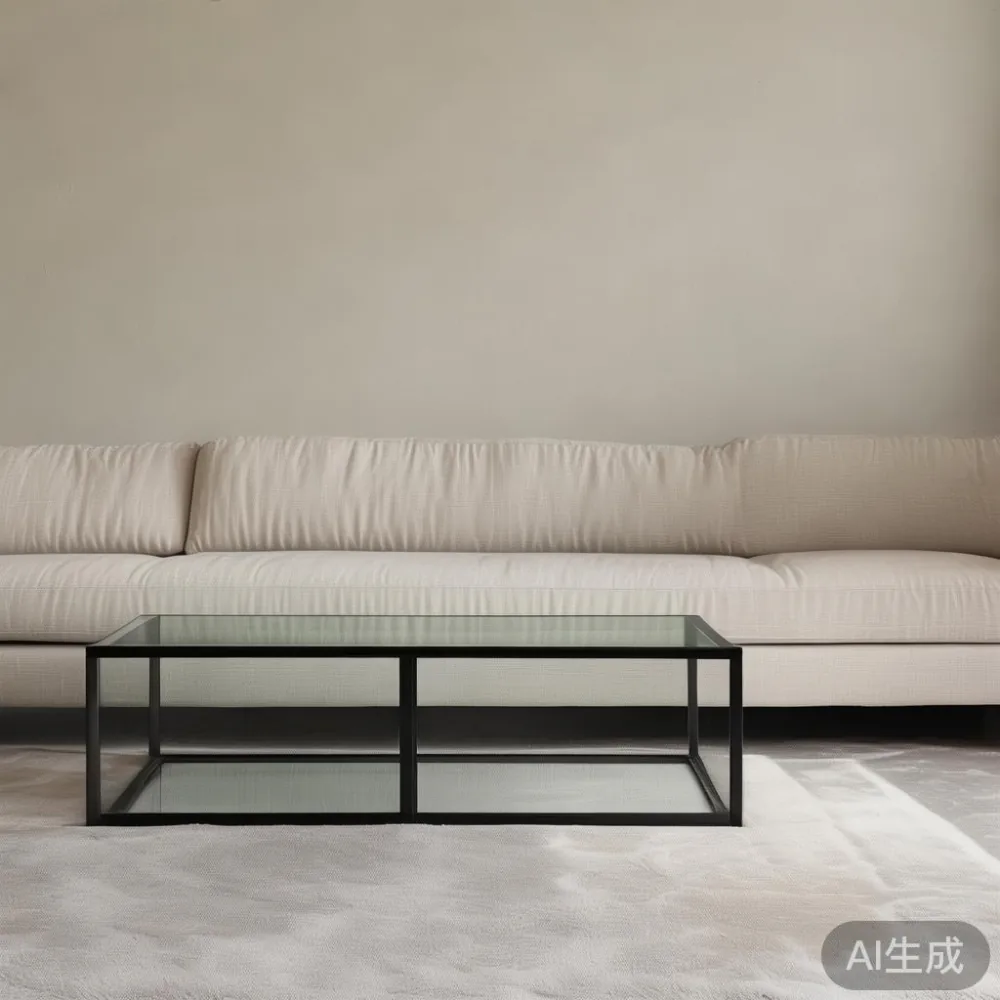
This comparison uses realistic Singapore pricing in SGD, including a 9% GST where applicable, delivery charges within Singapore, and estimated maintenance. It examines veneer and solid wood across a dining table, bed frame, wardrobe, nightstand, solid wood sofa, and a glass-topped marble table. The aim is not to declare one material universally preferable, but to identify the lower 5-year cost for specific homes and purposes.
MIDHILL is a Foshan solid wood furniture maker established in 2008, exporting to more than 15 countries. Its 10-year structural warranty and lifetime refinishing policy also belong in the calculation, because a product expected to remain for 5 years should have meaningful after-sales support. For orders over US$350, international shipping is free, although the prices in this article use SGD because Singapore is the local reference point.
How the 5-year comparison was calculated
The model compares typical retail prices in Singapore, with GST shown separately for clarity. A delivery charge of S$60-S$120 is assumed for furniture that requires a van or two-person handling. Installation adds S$80-S$180 for a wardrobe, S$60-S$100 for a bed frame, and S$40-S$80 for a dining table. Routine care includes the products, materials, and local labour a homeowner would realistically budget over 60 months.
Solid wood has lower expected repair costs because small scratches can be filled and refinished. Veneer is more sensitive to edge damage and moisture, but its factory finish can remain stable if it is not exposed to standing water. Refinishing charges in the model are S$35-S$70 per hour for solid wood, against S$90-S$150 per panel for matched veneer. A full solid wood wardrobe refresh every 7 years falls outside this 5-year window, although a minor touch-up may still be required.
Last month, I visited a three-bedroom HDB flat in Tampines with my colleague to check a delivery route for a 180 cm dining table. The lift opening was 90 cm wide and 210 cm high, while the corridor turned through a 105 cm passage. The 180 cm table could enter the lift diagonally, but its boxed corners touched the protective rail. A disassembled 160 cm table with tapered legs was easier to manage. This experience reinforced that delivery feasibility is not an administrative footnote; it is part of the furniture’s cost and usefulness.
What is the total 5-year cost of a veneer dining table?
A representative veneer dining table measures 160 × 90 × 75 cm, weighs about 42 kg, and carries a retail price of S$1,280 before GST. Delivery to Tampines is estimated at S$80, with assembly at S$40. During the first year, the factory finish may need one polishing session costing S$25. Over 5 years, allow 2 minor touch-ups at S$35 each and one water-ring repair at S$60.
The estimated veneer dining table total is S$1,529 in purchase costs, plus S$125 in maintenance, producing a 5-year cost of S$1,654. That averages S$331 per year. If an edge is chipped during moving, the potential repair could add S$80-S$140 because colour matching is harder on a decorative grain.
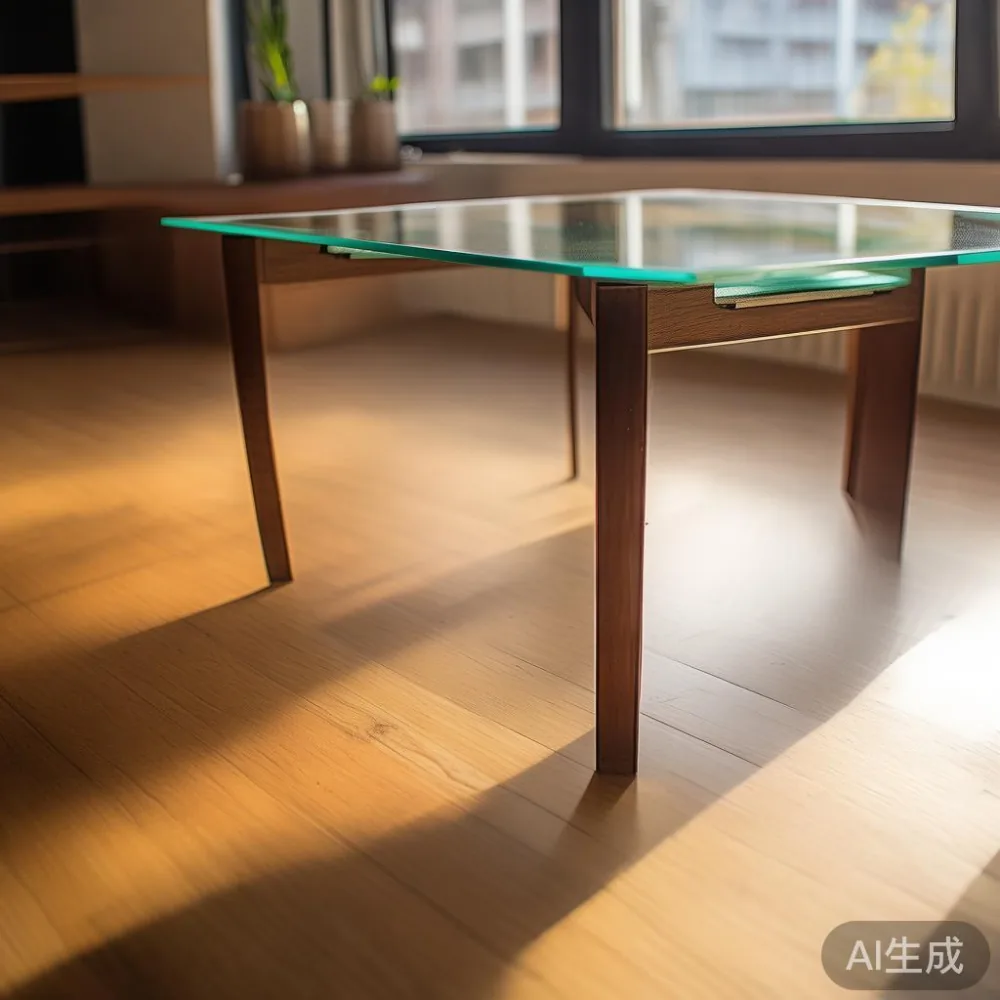
A comparable solid wood dining table measures 160 × 90 × 75 cm, weighs approximately 58 kg, and is priced at S$2,180 before GST. Delivery is still S$80 because the table is supplied disassembled, and assembly is S$40. A 5-year maintenance allowance of S$95 covers one small scratch repair and one oiling service. Its total is therefore S$2,395, or S$479 per year.
The difference over 5 years is S$741. Veneer offers a clear advantage when the table is primarily a surface for meals, the household avoids very hot cookware, and the finish remains away from the sink. Solid wood offers the better long-term result when the table is moved frequently, children use the edges, or the owner values refinishing as the surface ages. For French light luxury styling, a carved apron, shaped corners, and pale oak finish can make the visual difference less obvious, although the material remains visible at the edge.
Singapore’s air conditioning generally keeps indoor humidity around 50%-65%, but kitchens and open balconies create local exposure. A water-resistant mat, coasters, and felt pads are inexpensive at S$12-S$25 a year and reduce risk for either material.
How do veneer and solid wood bed frames compare?
A queen veneer bed frame measuring 152 × 200 cm, with a slatted base and upholstered headboard, weighs about 48 kg. Its retail price is S$980 before GST. Delivery is S$70, assembly S$80, and 5-year care is S$110 for scuff touch-ups and joint checks. The total is S$1,240, or S$248 per year.
The equivalent solid wood bed frame weighs 73 kg and costs S$1,680 before GST. Delivery is S$70, assembly S$80, and care over 5 years is S$75. The total reaches S$1,905, averaging S$381 per year. The veneer option saves S$665 across the period.
The practical complication is size. A boxed queen bed frame may be too long for a HDB lift with an internal depth of 1,400 mm, so flat-pack construction or corridor delivery is needed. In Bedok, a 1,800 mm internal lift can accommodate a boxed frame more comfortably. For Punggol homes, buyers should measure the lift door, the sharpest corridor turn, and the bedroom doorway before ordering.
For a statement room, buyers sometimes search for the best Industrial bed for 2026 because blackened steel, visible fixings, and timber elements create a post-modern light luxury look. That phrase describes an aesthetic, not a guarantee of construction. When metal and timber are combined, check the steel finish against coastal humidity and confirm that the structural warranty covers the complete frame, including joints and supports.
Solid wood becomes more financially attractive in a rental property if the bed will be disassembled and reinstalled. Veneer can still make economic sense for a child’s room or a secondary bedroom where the frame will receive less wear.
Is a solid wood wardrobe worth the extra cost over 5 years?
A three-door veneer wardrobe measuring 180 × 60 × 200 cm weighs 92 kg and costs S$1,780 before GST. Delivery to a Singapore condo is estimated at S$120, while installation and wall anchoring add S$160. Over 5 years, allow S$210 for hinge adjustments, drawer-runner servicing, and finish touch-ups. The total is S$2,270, or S$454 per year.
A three-door solid wood wardrobe of the same size weighs 128 kg and costs S$2,950 before GST. Delivery is S$120, installation is S$160, and 5-year care is S$120. The total is S$3,350, averaging S$670 per year. Veneer is S$1,080 less expensive over the comparison period.
That gap deserves attention because a wardrobe is a large architectural object, not a disposable table. The extra amount for solid wood can be justified if doors are knocked frequently, the unit contains damp clothing after a swim, or the residents expect to resell the home after 5 years. Solid wood can accept repeated refinishing, while veneer paper may crease or lift if moisture reaches the core.
Storage configuration is another factor. A European light luxury with storage concept works well with closed oak doors, integrated pull handles, and a shallow 45 cm jewellery compartment, but a deep shoe shelf still needs adequate ventilation. For anyone comparing a MIDHILL wardrobe, ask for the exact timber species, panel thickness, drawer construction, and warranty scope before comparing prices. A photograph of the back panel and the type of hanging rail says more than the word “premium.”
In an HDB bedroom, a 180 cm wardrobe may block a window or reduce circulation below 600 mm. A 150 cm alternative could cost S$220 less, and a narrower unit may be the financially stronger choice. Dimension accuracy can save more over 5 years than switching from veneer to solid wood.
What do nightstands, sofas, and marble tables add to the comparison?
A 45 × 40 × 55 cm veneer nightstand weighs 14 kg and costs S$240 before GST. With S$45 delivery and S$55 for care, its 5-year cost is S$340. A solid wood nightstand weighs 22 kg and costs S$390, plus S$45 delivery and S$30 for care, giving a total of S$465. The S$125 difference is modest for a frequently touched piece.
A 210 cm three-seat solid wood sofa with upholstered cushions can cost S$3,480 before GST. Delivery into a condo is estimated at S$120, while placement and packaging removal add S$80. Over 5 years, assume S$260 for fabric cleaning, frame checks, and minor frame refinishing. The total is S$3,940, or S$788 per year. A matched veneer version might cost S$2,380, plus S$120 delivery, S$80 placement, and S$310 in care, for a total of S$2,890.
The sofa calculation illustrates where material choice is less important than upholstered maintenance. Cleaning, cushion compression, and moving can outweigh the timber saving. The French light luxury direction often favours pale woods, rounded profiles, and generous fabric, while the American light luxury approach may use deeper walnut tones and cleaner lines. In both cases, inspect the frame joints and seat suspension rather than judging by the visible timber alone.
A 120 × 60 × 38 cm glass furniture dining or side table with a marble top can weigh 34 kg and cost S$1,080 before GST. Add S$60 delivery and S$70 over 5 years for glass cleaning and edge checks, producing a 5-year total of S$1,210. Marble is heavy but requires relatively little repair if protected from impacts. Glass furniture offers the advantage of a light visual footprint in compact rooms, yet the top needs a stable base and careful handling during installation.
Which option has the lower 5-year cost in a Singapore home?
For the six-piece comparison, the total veneer outlay is approximately S$9,704, including estimated delivery, installation, and care. The equivalent solid wood outlay is approximately S$12,225. Solid wood therefore adds about S$2,521, or roughly 26%, across the full set over 5 years.
The annual average is S$1,941 for veneer and S$2,445 for solid wood. These figures are planning estimates, not quotations. Actual prices vary by timber species, finish, dimensions, and whether a piece is flat-packed. GST, lift surcharges, and assembly outside the building’s free service hours can also change the result.
Veneer gives the lower 5-year cost for most budget-conscious Singapore households. Solid wood becomes more competitive when a large piece has a long expected service life, is exposed to frequent movement, or will be refinished rather than replaced. It also fits the post-modern light luxury emphasis on natural grain and repairable surfaces.
Design trends should not force an unsuitable size into the room. A Modern light luxury sideboard may suit a condo dining area, but a 180 cm model can obstruct a corridor entrance. Wholesale French provincial furniture describes a market style, not a reason to import a bulky cabinet without checking measurements. Likewise, a European light luxury accent chair can complete a living room, but its 72 cm width may crowd a HDB lounge.
How can buyers control furniture costs in Tampines, Bedok, and Punggol?
Measure the route before selecting the product. Record the lift door width and height, internal cabin depth, corridor width, staircase turns, and the narrowest bedroom doorway. Add 20 mm of clearance around large boxed pieces. If the route is tight, choose knock-down solid wood legs or flat-pack panels; this may cost S$40-S$90 more but avoid S$150-S$300 in delays or a return trip.
Ask the seller for a Singapore delivery quote rather than relying only on product pricing. Confirm whether the quoted amount includes GST, carrying upstairs, assembly, and packaging removal. For a dining table, wardrobes, and bed frames, clarify the delivery window in working days. A typical local lead time is 7-14 days for standard collections, while custom glass furniture and made-to-measure wardrobes may require 21-45 days.
For those considering international purchasing, MIDHILL’s free shipping threshold is US$350, but freight, customs, local delivery, and GST can still apply. An overseas saving of S$300 may disappear after a large wardrobe is split across two cartons and delivery is charged by volume. Local service and easier damage inspection are part of the ownership cost.
Finally, review the warranty in writing. A 10-year structural warranty should identify the covered frame, joints, drawer boxes, and bed supports, while exclusions for accidental damage should be clear. A lifetime refinishing policy can reduce future surface costs, although transport or labour may not be included. For solid wood furniture, request care instructions suitable for Singapore conditions and expect to wipe surfaces rather than use soaking wet cloths.
After 5 years, the lower-cost choice depends on use. Veneer wins where the budget is fixed and the furniture is protected. Solid wood gains value where repairability, frequent handling, and long ownership outweigh the additional S$2,521 across this six-piece model. Measure the home, understand the maintenance commitment, and compare the complete 5-year cost rather than the showroom price alone.