Maintain Lacquered Glass in Singapore’s Climate
A lacquered glass coffee table may look cool and precise in a Singapore HDB flat, yet its finish has to cope with heat, humidity, salt, cleaning chemicals and the tiny scratches created by everyday use. The glass itself is not the only concern. Lacquer, paint or resin applied to the underside can cloud, lift or yellow if moisture reaches a damaged edge. Care therefore matters just as much as the way you place the piece.

Singapore’s conditions are unusually demanding. Relative humidity commonly reaches 80–90% during the wet months, afternoon temperatures can sit near 32°C, and condensation forms readily when a chilled glass surface meets warm indoor air. HDB corridors and lift lobbies add another layer of risk: narrow passages often measure only 90–120 cm, while furniture may have to turn through corners before reaching a Tampines, Bedok or Punggol home.
MIDHILL makes lacquered glass furniture for clients in 15 countries and recommends a measured maintenance routine rather than harsh chemical cleaning. Its 10-year structural warranty addresses the underlying construction, while the lifetime refinishing service gives owners a route for restoring the surface later. A sensible care plan keeps a marble table or glass dining table attractive without treating it as a display object.
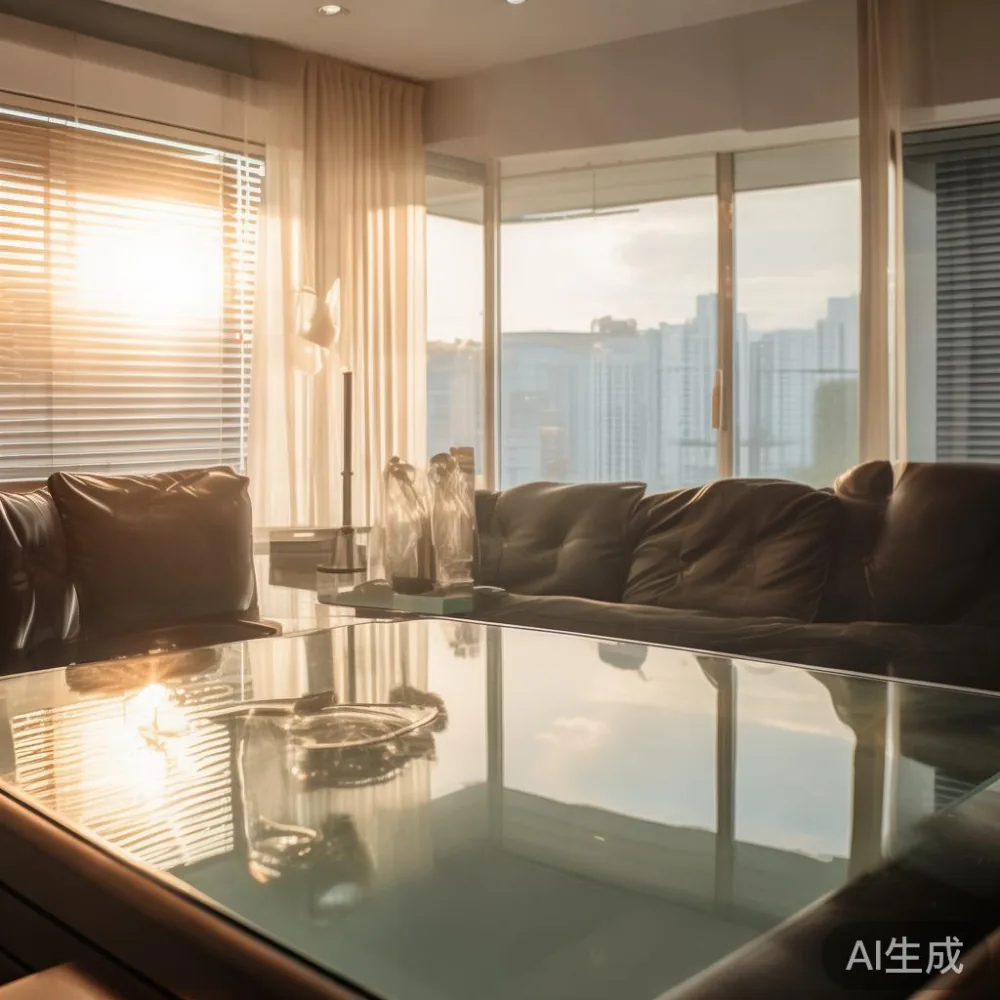
What is the best way to clean a lacquered glass table?
Start with what the surface can tolerate. For lacquered glass furniture with a painted, resin-coated or polished underside, use a soft microfibre cloth, plain lukewarm water and a drop of mild dishwashing liquid. Wring the cloth until it is merely damp. Then wipe the glass in small circles and dry it with a clean cloth. A 10 cm cloth gives you control, while 15–20 cm is useful for the open top of a larger dining table.
Never pour cleaner directly onto the table. A 5 ml puddle can travel beneath a lacquer edge, create a visible tide line or leave surfactant streaks. Avoid acidic liquids, bleach, ammonia, alcohol-based sprays, abrasive pads and household polish. Those products may appear effective on plain glass yet can dull lacquer or attack a coated back panel.
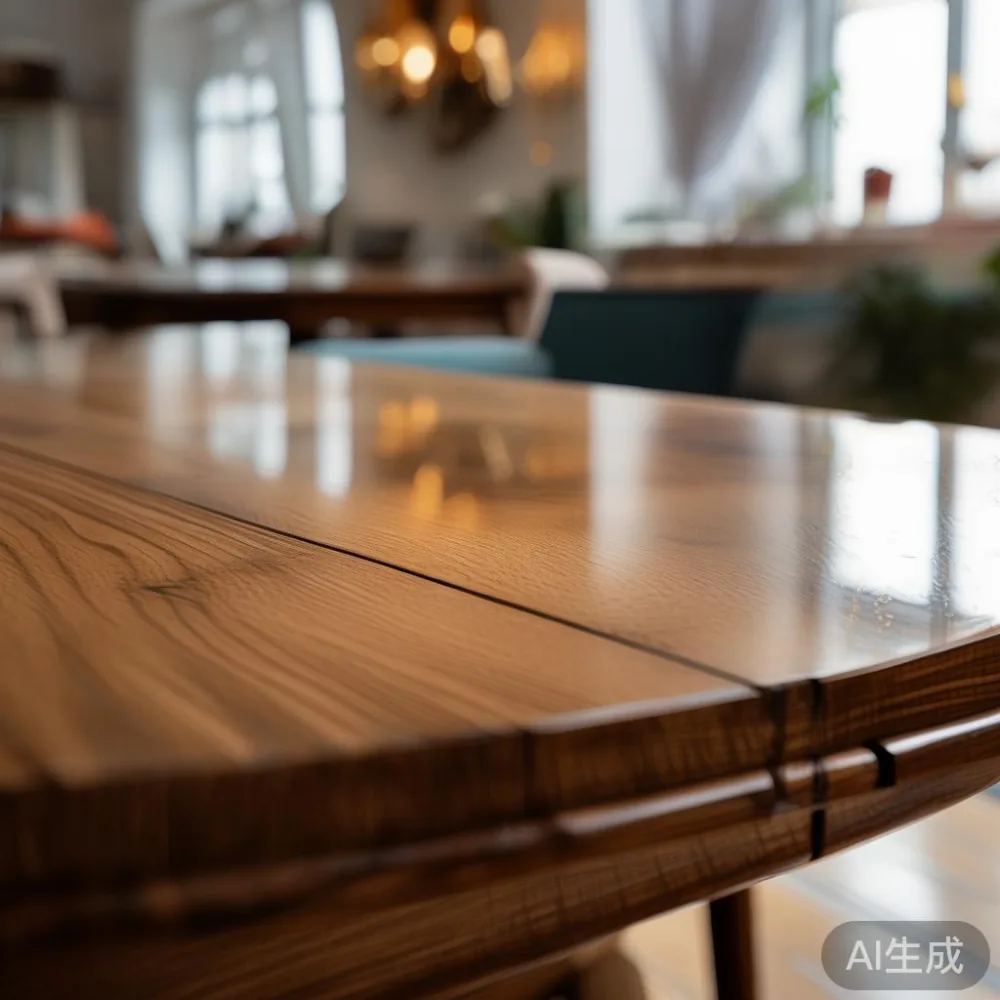
For routine cleaning, allow about 5 minutes for the soapy cloth to loosen a fingerprint, then spend another 5 minutes drying. After a dusty week, clean weekly. After cooking, wipe splashes immediately. Grease near the edge of a lacquered glass coffee table should not remain for 24 hours.
I tested one of our lacquered samples last month in a Singapore home with west-facing windows. I left 3 fingerprints, a 2 ml ring of cooking oil and several droplets of water on the top for 30 minutes. The plain-glass section cleaned up easily, but water that had collected near the coated edge left a faint mark. A second wipe with a barely damp cloth removed the residue, showing why liquid control matters more than scrubbing pressure.
How does humidity affect lacquer on glass furniture?
Humidity affects the lacquer indirectly. High moisture in the air encourages swelling in adjacent timber and can encourage mould around joints or undersides if ventilation is poor. It can also encourage condensation on the cool glass. Repeated wetting and drying may weaken an already stressed lacquer bond, particularly where a dining table edge has been chipped or where a marble table has a narrow painted border.
Keep the finished piece at least 30 cm from a wall or window ledge where air can circulate. If the table sits below an air-conditioning vent, redirect the louvre away from the surface. Target a room reading of roughly 24–28°C with relative humidity below 65% when practical. In a compact HDB flat, this can be supported by running the air conditioner for 30–45 minutes in the evening and using a bathroom or bedroom fan to move air through the living area.
Do not place a chilled drink directly against the glass for more than 10 minutes. More importantly, do not slide glassware from a wet tray across the top. A ceramic mug can weigh 350–450 g; a stoneware bowl may weigh 700 g. The concentrated load can scratch the lacquer if grit is trapped underneath. Use a coaster with a felt base, maintain a 5 cm gap between objects and remove grit with a soft brush before wiping.
For owners comparing design directions, the phrase light luxury bed vs Nordic bed is useful as a broader style prompt, but it does not change the care rules for a lacquered glass side table. Likewise, searching for European light luxury with storage may lead towards a wardrobe or bed frame with integrated compartments, none of which should be exposed to damp cloths. Choose storage furniture for dry items and keep humid linen in ventilated cupboards.
How should I move a glass table through an HDB lift and corridor?
Measure before delivery day. Record the lift car dimensions, the door opening, corridor turns and the route from the void. A common HDB lift interior may be about 140 cm deep and 110–140 cm wide, but older blocks can be narrower. A 180 cm rectangular dining table will not turn upright in a 110 cm lift. Its diagonal also matters: a table measuring 180 by 90 cm has a diagonal of about 201 cm, so it cannot pass diagonally through a 140 cm lift.
Remove the glass top only if the maker explicitly permits it. Protect the corners with 3–5 cm foam, wrap the panel in a rigid 5 mm board and use straps rather than adhesive tape on the lacquer. Carry one side per person with padded gloves. Set a 5 cm drop zone around the table and make sure floor protectors extend at least 30 cm beyond the feet.
Professional delivery is particularly sensible for a marble table because a 25–40 mm stone top can weigh 70–120 kg. Glass tops of 8–12 mm weigh roughly 20–35 kg for a 120 by 60 cm panel. Check the route against those figures and avoid a staircase trolley where each step rises 15–18 cm. If a corridor narrows below 90 cm, arrange a wider turning area or ask building management about move-in windows before the delivery team arrives.
Price is not the only consideration when comparing luxury European light luxury furniture, especially when a solid wood sofa, bed frame or wardrobe may be delivered through the same shared access. Confirm delivery days, the lift reservation, GST treatment and the return terms in writing. MIDHILL offers free shipping above US$350 for qualifying international orders, while Singapore delivery arrangements should be confirmed directly because local access conditions differ from export packing.
How can scratches and dull patches be treated?
First establish whether the mark is on the glass, on the lacquer, or on a removable protective pad. Dirt often looks like a scratch under angled lighting. Place a clean white cloth beneath the item and view the mark from a 45° angle. A fingernail should not catch a real scratch. Hairline marks that catch under a fingernail need professional attention rather than aggressive household polish.
For superficial dust, a dry microfibre cloth is enough. For fingerprints, use the damp-cloth method described earlier. Do not use a razor blade, steel wool or coarse kitchen sponge. Even a green Scotch-Brite pad can create microscopic swirls that become obvious beside a 3 cm water ring or a 2 cm fingerprint.
Small lacquer chips should not be painted over at home. A household touch-up pen may cure to the wrong colour and hardness. Photograph the area with a 5 cm ruler beside it, then contact the manufacturer. MIDHILL’s lifetime refinishing service is intended to provide a path for restoring eligible surfaces, although the exact scope should be checked for each material and order.
This same restraint applies to a light blue luxury sofa placed beside a glass dining table. Keep textured upholstery away from the table by 40–60 cm, and do not assume a cleaning agent safe for fabric is suitable for lacquered glass furniture. Test any cleaner on a hidden 2 cm area first. Even then, the lower risk is to keep spray mist, food oils and damp cloths away from the joint between glass and lacquer.
How often should lacquered glass furniture be maintained?
A light schedule prevents most problems. Dust high surfaces every 7 days, wipe fingerprints every 2–3 days, clean the complete top every 2 weeks and inspect the coated underside every 3 months. After a rain-heavy afternoon, check beneath the edge and around the legs for moisture. After a renovation, clean with a damp cloth because plaster dust, sawdust and paint residue can become embedded.
Use coasters that are at least 8 cm across. Replace felt pads every 12 months or sooner if they feel compressed. Check leg levelers every 6 months because a 2 mm shift can concentrate a load on one edge. Keep heating appliances at least 60 cm from the glass. Do not place a hot pan directly on the surface; even if the glass tolerates brief heat, lacquer and seals may not.
For dining use, place serving boards rather than ceramic plates directly on the lacquered edge. Wipe sugar, soy sauce and oil within 15 minutes. If a stain remains, use a plastic scraper held at a shallow angle and follow with mild soap. If the mark covers more than 5 cm or resists two cleaning attempts, document it and seek specialist advice.
Design references can be helpful when planning a coordinated room. A search for Modern light luxury for hotel often centres on durable finishes, but a residential HDB flat needs ventilation, accessible maintenance and realistic circulation. If you are considering a solid wood sofa, bed frame, dining table, wardrobe, nightstand or marble table, leave 5–10 cm between large pieces and walls where possible, and preserve service access behind movable items.
What should I do if lacquer begins lifting or bubbling?
Stop using wet-cleaning methods. Isolate the area, keep liquids away and take clear photographs in daylight. Bubbling, lifting and a persistent cloudy tide line suggest moisture or an adhesion issue, not ordinary dust. Do not press the coating down, heat it with a hairdryer or cover it with tape. Each action can damage a repairable edge.
Move the table only if it can be lifted without twisting. If one leg is unstable, support the top with timber offcuts and avoid placing weight on the affected edge. If a glass panel is cracked, do not lift it by the rim. Keep people at least 1 m away and ask a qualified furniture professional to assess it.
Singapore’s humid weather makes small preventive actions more effective than occasional heavy cleaning. Use controlled moisture, protect the lacquer from impact and heat, and follow a 7-day cleaning rhythm. For design research, phrases such as best French sofa for 2026 and luxury European light luxury furniture can help define a room’s visual direction, but a successful glass dining table still depends on careful spacing, dry cleaning and prompt attention to damage.
When sourcing, compare dimensions with the route, not only with the room photograph. Ask for the glass thickness, coating details, finish care instructions, delivery timeline and warranty coverage. A 14-day return period can help if the surface arrives damaged, but prevention remains preferable. With thoughtful care, lacquered glass furniture can retain its crisp character through Singapore’s heat and humidity for many years.