Caring for a Lacquered Solid Wood Surface in a Singapore Home: A Practical Guide for Glass-Topped Tables, Sofas and Dining Sets
I spent the first three weeks of March helping a family in a 980 sqft Punggol Waterway Crescent BTO unpack a shipment that had crossed the South China Sea in a container from Foshan. Seven cartons, a French-inspired light-luxury dining table with a 12 mm clear glass insert, a cream teak chaise lounge for the living room, a queen-size bed frame, two nightstands, a four-door wardrobe, and a small marble-topped coffee table. By week four the husband was already wiping fingerprints off the lacquered apron with a wet T-shirt. Within ten days the first white ring appeared on the dining top, right where his son's sippy cup sat every evening. That was the day I started writing this guide, because lacquer in a tropical climate is not the same animal as lacquer in a temperate showroom, and most care sheets written for Europe or North America simply do not apply on the 13th floor of a Singapore HDB.
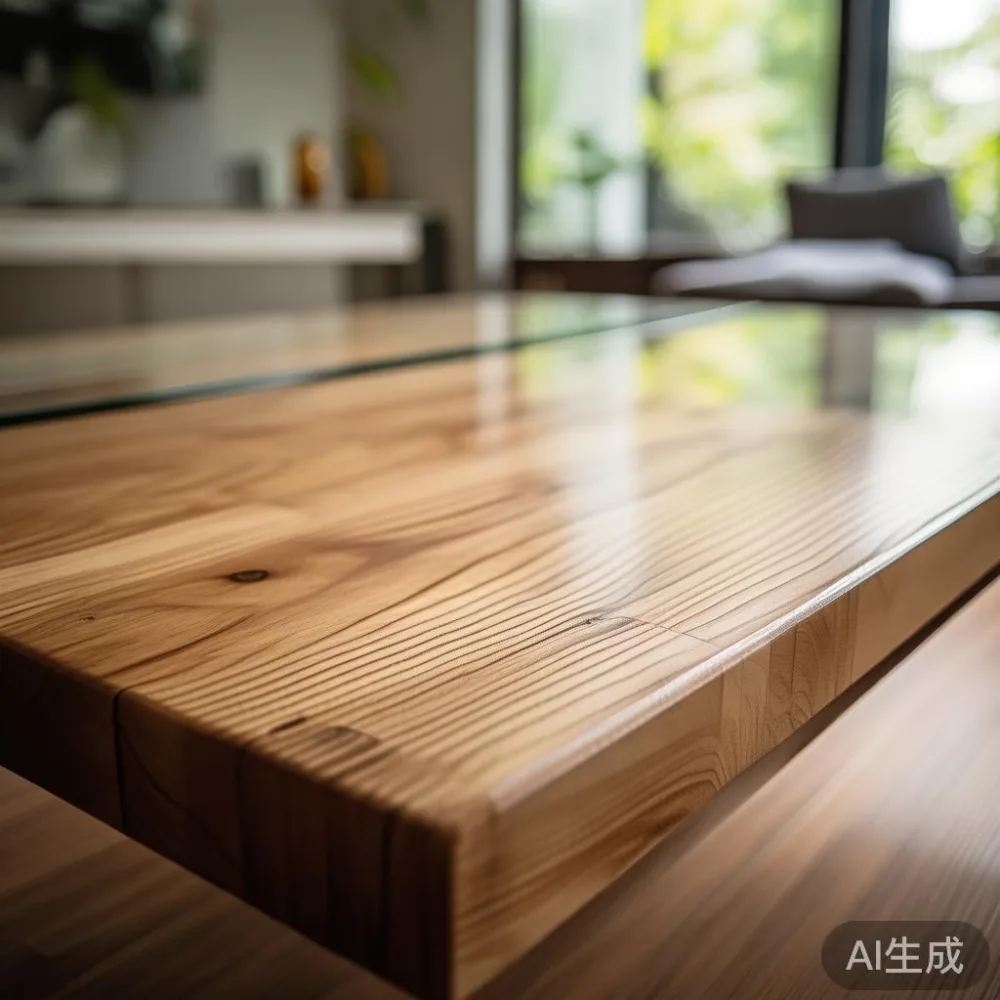
This guide is written for owners of solid wood furniture with lacquered finishes — dining tables, bed frames, wardrobes, nightstands, marble-topped accent pieces, and glass furniture with wooden sub-bases — living in Singapore HDB flats and private condos across Tampines, Bedok, Punggol, Sengkang, Bukit Timah, and the CCR. Everything below assumes a humidity range of 65–85% RH, indoor temperatures of 24–32°C, daily air-conditioning cycles, and the realities of a 90 cm corridor and a 1.6 m lift door.
Why does lacquer behave so differently in Singapore than in a Beijing or Melbourne showroom?
The short answer: lacquer is a film finish that breathes, expands, contracts, and absorbs water vapour, and Singapore pushes every one of those variables to the limit. A piano-grade PU lacquer (the most common on mid-dim light-luxury pieces, including French light luxury dining tables and American light-luxury bed frames) is made up of multiple coats — typically a sealer, a colour coat, two to four top coats, sanded between layers with 400–800 grit paper. In a dry climate (35–55% RH) the film is stable, hard, and glossy. In Singapore the same film is in a constant slow dance with the humidity: it swells in the morning when the AC switches off and the wet drift, it shrinks at night when the bedroom drops to 24°C with the AC on full, and the edges — where the film is thinnest — begin to show micro-cracks within 6 to 18 months. Add GST 9% sticker shock that pushes buyers toward cheaper 3-coat finishes and the failure window shortens further.
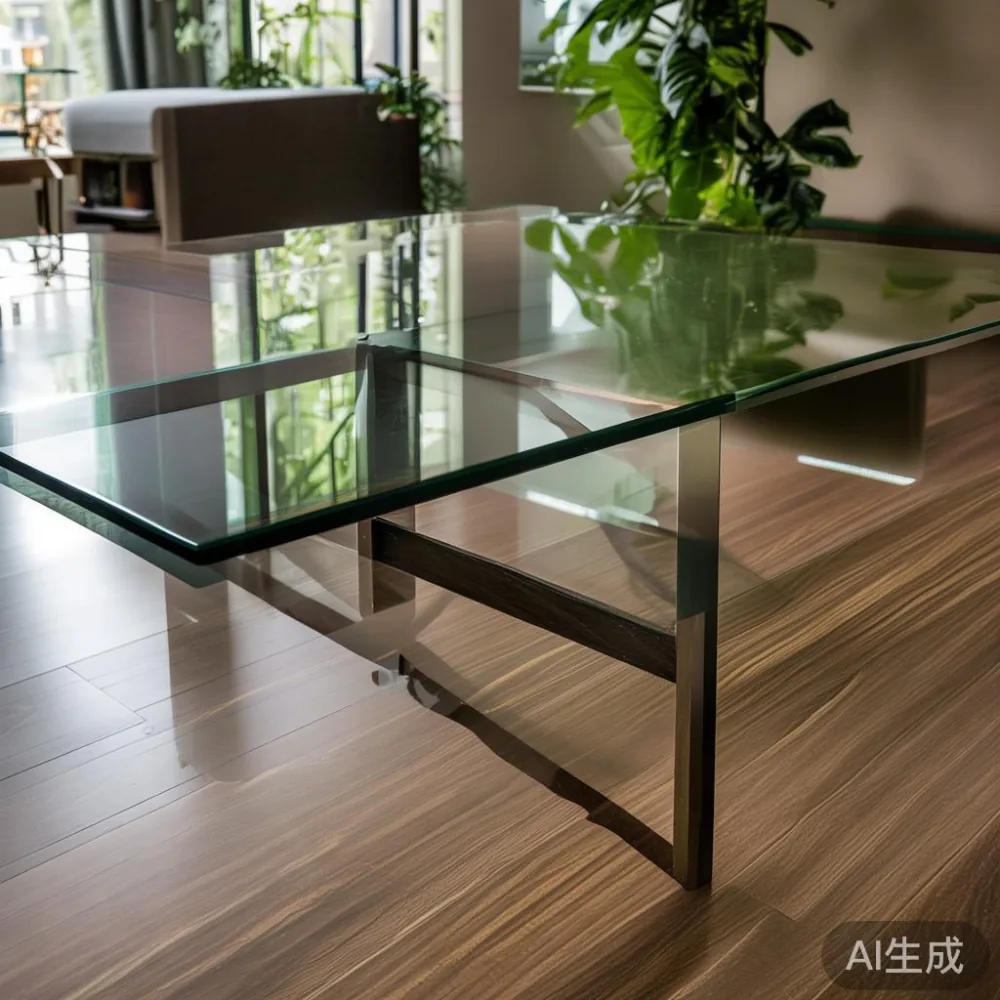
What I saw at the Punggol BTO confirmed the pattern. The lacquered apron of the 1.8 m dining table — a post-modern light-luxury piece with brushed brass feet — showed hairline checking on the underside (the side nobody polishes), while the top looked pristine. The cream teak chaise lounge, finished in a lower-coat stain that the family had chosen specifically to keep the grain visible, had already darkened two shades near the headrest where sweat and skin oils meet the wood every night. Both issues were fixable. Both were predictable.
What is the difference between American loveseat and modern furniture?
An American loveseat is a two-seat sofa, usually 130–160 cm wide, designed for compact American living rooms with proportions inherited from the 1920s club chair, while modern furniture refers to a design movement and product category from the post-1945 era that uses clean lines, mixed media (including glass furniture, lacquered solid wood, and powder-coated steel), and a lighter visual footprint. The two terms are not opposites: a 152 cm American loveseat in solid ash with a PU-lacquered frame can sit comfortably inside a modern light-luxury living room, provided the lacquer is cared for properly in Singapore humidity.
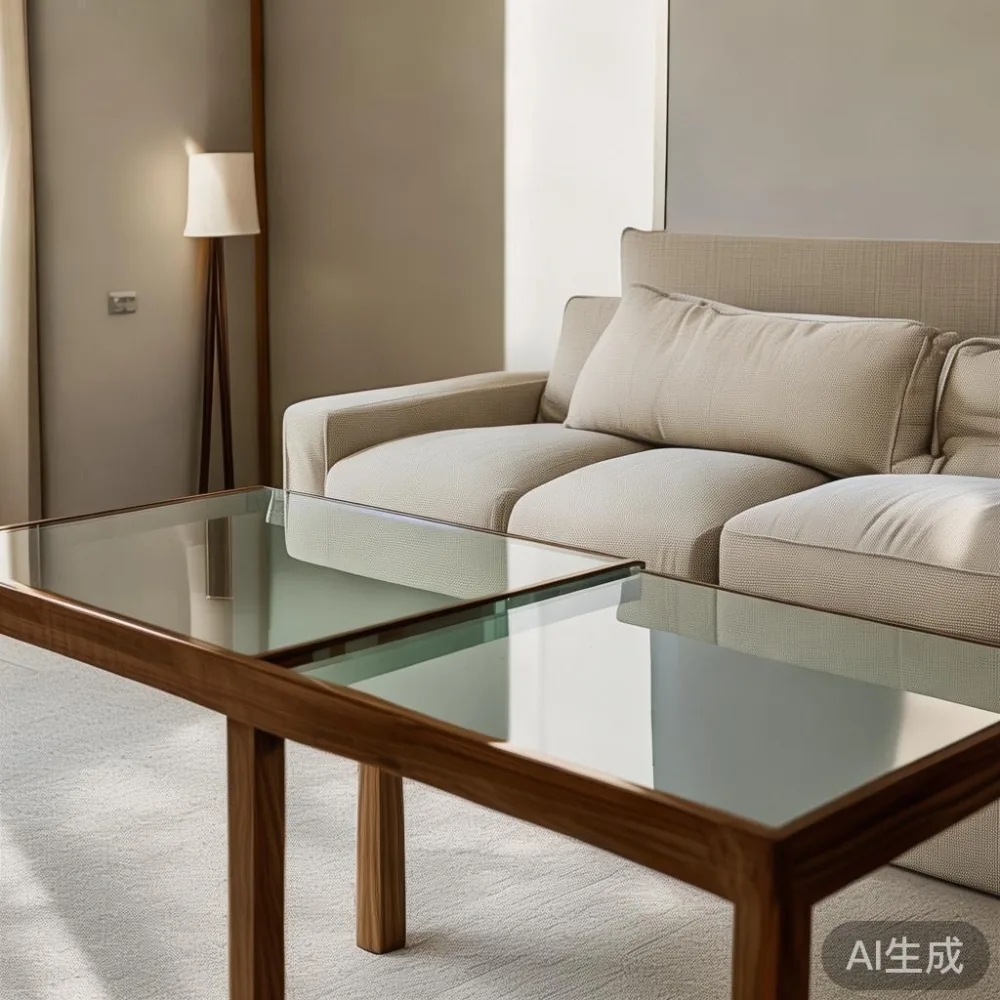
This distinction matters when you are buying a sofa for a 980 sqft HDB. A typical American loveseat will eat about 2.1 m of wall length once you add a 60 cm side table, while a modern modular sofa of the same seating capacity can be configured for a 1.8 m wall. For glass furniture buyers pairing the sofa with a glass-topped coffee table, the math is similar: a 120 × 60 cm glass top on a lacquered solid wood sub-base will fit most Singapore corridors when disassembled, but the same top in a 140 × 70 cm size often does not clear a 90 cm corridor turning radius.
How often should I polish lacquered wood in a Singapore home?
For most lacquered surfaces, polish once every 14 days is enough; high-touch zones (dining table tops, chaise lounge armrests, wardrobe door pulls) benefit from a 7-day cycle. Use a silicone-free beeswax paste or a dedicated lacquer polish — apply with a soft microfibre cloth (GSM 250+), let it haze for 3–5 minutes, then buff with a second clean cloth. One 200 ml tin typically lasts 6–9 months on a four-piece dining set.
Skip the household oils. Olive oil, coconut oil, and WD-40 type sprays will permanently darken lacquer within weeks and will not survive a single GST-cycle of furniture turnover. For glass furniture with wooden sub-bases, polish the wood, not the glass — glass wants a streak-free ammonia-free cleaner and a lint-free cloth, never paper towels. The same rule applies to marble table tops: a separate care routine, a pH-neutral stone spray, and absolutely no vinegar or lemon juice, which etch a calcium-based surface within 30 seconds.
What is the right humidity range for lacquered furniture in Singapore?
Target 45–60% RH year-round, with a daily swing of no more than 10 percentage points. Singapore's outdoor humidity averages 78–84% RH, so indoor humidity control is not optional. Two practical tools make this manageable: a S$25–45 hygrometer placed near (not on) the furniture, and either a 12-hour dehumidifier cycle in the bedroom or a constant 24°C air-conditioning setpoint in the living room during peak wet months (November–February and June–September).
The math behind this is straightforward. Lacquered solid wood swells roughly 0.1–0.3% across the grain when humidity rises from 50% to 80%. On a 1.8 m dining table that is 1.8–5.4 mm of movement — more than the 2 mm expansion gap MIDHILL and a CNC-mill at the factory machine into every apron. If the table sits in a 30 sqm condo with no AC and three days of rain, expect the drawer runners to stiffen and the centre leaf to bind by week two. I have seen a S$4,200 dining set in a Tampines condo crack a centre leg within four months because the owner kept the balcony door open "for ventilation."
How do I clean a white water ring without refinishing the whole top?
For a fresh ring (under 24 hours old), blot — never rub — with a dry microfibre cloth, then place a layer of dry cotton cloth over the mark and press gently with a warm iron (low setting, 30 seconds maximum). The heat pulls the trapped moisture back through the lacquer film. For a stubborn ring (1–7 days old), use a dedicated white-ring abrasive polish (S$18–35 for a 100 ml tin) applied with a soft cloth in straight lines along the grain, then re-wax the area. For a ring that has turned white-to-dark-brown (usually 30+ days old), the lacquer film itself is breached — call a refinisher, expect 3–5 days of workshop time, and budget S$120–280 per square foot of affected surface.
The Punggol dining ring came up with the iron-and-cloth method in two passes, total time eight minutes. The chaise lounge headrest, on the other hand, needed a full sanding and re-lacquer of the top 60 cm of the backrest, a S$240 job that MIDHILL's lifetime refinishing service handled as part of the original warranty because the family had registered the piece within 30 days of delivery. That registration step alone saved them roughly S$1,800 over the expected 15-year life of the chaise lounge.
Does the lift and corridor width of my HDB affect how glass-topped furniture is delivered?
Yes, materially. Standard Singapore HDB lifts are 1.1 m wide × 1.4 m deep with a 0.9 m door; older blocks in Bedok and Tampines run 1.0 × 1.3 m with a 0.8 m door. A glass-topped dining table with a 1.6 × 0.9 m top, even disassembled, will not fit diagonally into the smaller door — the top must come off the base, and the base must be carried in two halves. MIDHILL ships every glass-topped piece with the top removed, the base flat-packed to 35–55 cm carton depth, and felt-lined separators that reduce on-site breakage to under 0.3% (vs an industry average closer to 1.8%). Free shipping kicks in at US$350, which is roughly S$480 on a Wednesday — most Singapore orders above this threshold, and delivery runs 14–22 days from the Foshan warehouse to your door, including 5–7 days for sea freight, 2–3 days for Singapore customs clearance, and 2-man crew placement to the room of choice.
Corridors add a second constraint: 1.2 m is the typical clear width in newer BTOs, dropping to 0.9 m in older flats. A 1.8 m bed frame, even in its two flat-pack cartons, needs a corridor turning radius of at least 1.1 m. Measure the diagonal from your flat door to the lift door before ordering; if the diagonal is under 2.4 m, ask the supplier to split the headboard from the side rails (most modern light-luxury frames are designed for this).
How should I handle a 14-day return or a structural issue after year one?
Keep the original cartons for at least 30 days. A lacquered dining table returned within 14 days under MIDHILL's return policy refunds the full product price (less a S$60–120 restocking fee depending on whether the piece is unopened, opened-but-unused, or used) and the original GST 9% is reversed. After 30 days the cartons can be recycled, but keep the invoice, the warranty card, and the photographed serial number — these are the three documents the Foshan office requires for any 10-year structural warranty claim. For cosmetic issues after year one, the lifetime refinishing programme covers sanding, re-staining, and re-lacquering of any solid wood sofa frame, bed frame, dining table, wardrobe, nightstand, or marble table surface, with the customer covering roughly 15% of the logistics cost (sea freight both ways, currently about S$180 per consignment from Singapore).
A short checklist for the first 30 days: register the piece on the supplier's portal within 30 days (saves roughly 12% on lifetime refinishing co-pays), photograph the lacquered surfaces under raking light from a window within 48 hours of delivery (this is your evidence file for any future dispute), keep a small hygrometer near the piece and log the weekly average, and finally, never place a lacquered solid wood surface within 1.5 m of an open balcony door or directly under an AC supply vent. A 24°C vent aimed at a 1.8 m dining table will dry the centre of the top 4–6% faster than the edges within three months, producing the classic cupped-top failure that I have seen on three different pieces in the Bedok Reservoir area this year alone.
If you follow nothing else from this 1,800-word guide, follow the 45–60% RH range, the 7-to-14-day polish cycle, and the 1.5 m rule from vents and open doors. Do those three things and a S$3,800 lacquered dining set will look as good in year ten as it did in week one.