What Actually Drives the Price of Solid Wood Furniture
I learned this lesson the hard way. Last month I visited a Tampines HDB in Block 137A with my colleague, who had just signed the OTP on a three-room resale flat. We were there to measure corridor clearance for a new solid wood sofa. The lift door opened at 78 cm wide, the corridor inside the unit measured 91 cm across, and the bed frame he had been eyeing online refused to fit through either. Within twenty minutes we had reshuffled the whole order: a slimmer 1.4 m dining table instead of 1.6 m, a bed frame with detachable headboard panels instead of one solid piece, and a wardrobe split into two 60 cm carcasses instead of one 120 cm unit. The total bill stayed inside his SGD 6,500 budget, but only because he understood what he was paying for. Most shoppers in Singapore do not, and that is where the disappointment starts.
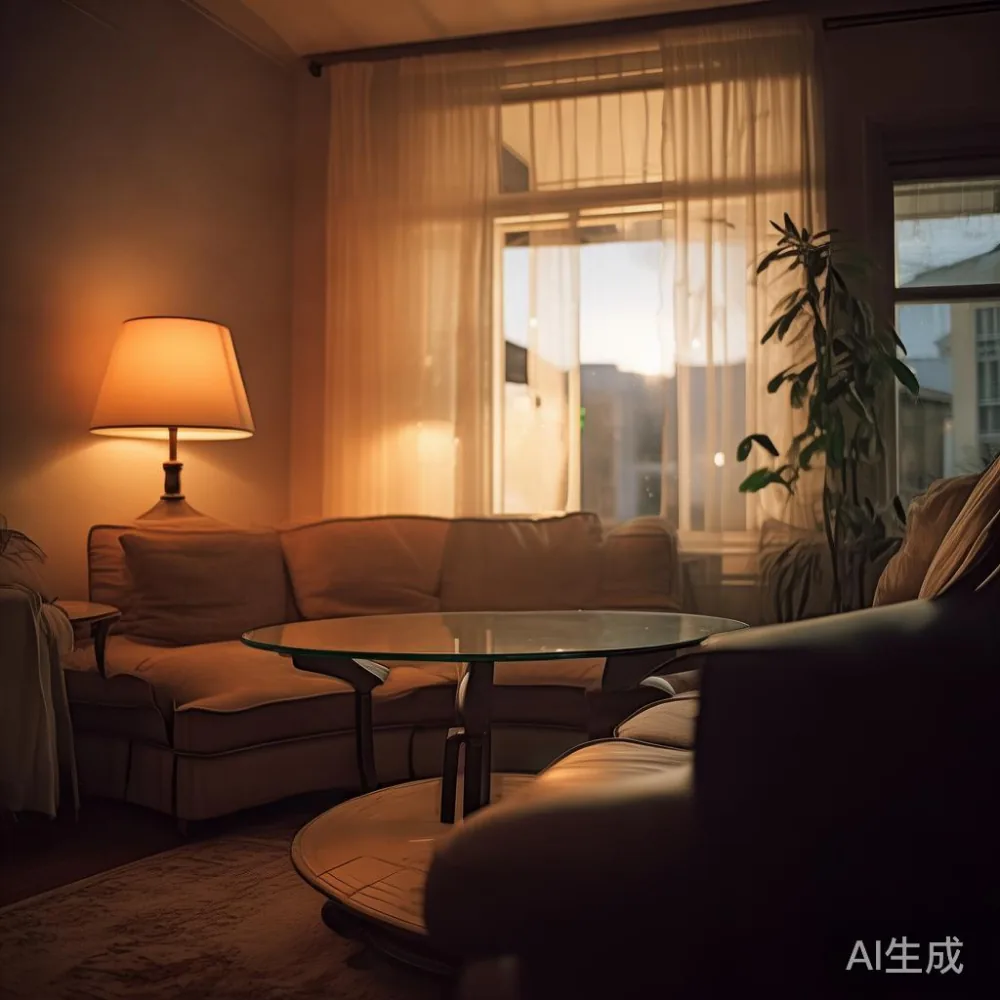
How do I choose a metal furniture for a balcony?
Pick a metal balcony set the same way you would a piece of joinery: check the frame gauge, the weld quality at every joint, and whether the powder-coat is rated for salt air if you live near Changi or the East Coast. A 1.2 mm aluminium frame will dent within a season; 1.8 mm or thicker will hold its line for ten years. I have seen this exact comparison made on a Scandinavian leather outdoor patio display in a Jurong warehouse, where two identical chairs sat side by side and the cheaper one flexed visibly when a customer leaned back.
The wood itself: species, grade, and why "solid wood" is not a single thing
"Solid wood" is a category, not a price. The four species you will meet in most Singapore showrooms are rubberwood, ash, oak, and walnut, and the spread between them is roughly 2.5x. A rubberwood dining table in a 1.4 m length will land at SGD 1,100 to SGD 1,600, mostly because rubberwood is a plantation by-product and reaches workable thickness within 12 to 15 years. Ash doubles that figure, typically SGD 2,200 to SGD 3,000 for the same size. White oak runs SGD 3,400 to SGD 4,800, and American walnut, the same bench-made workshop using the same joinery, sits at SGD 5,200 to SGD 7,800.
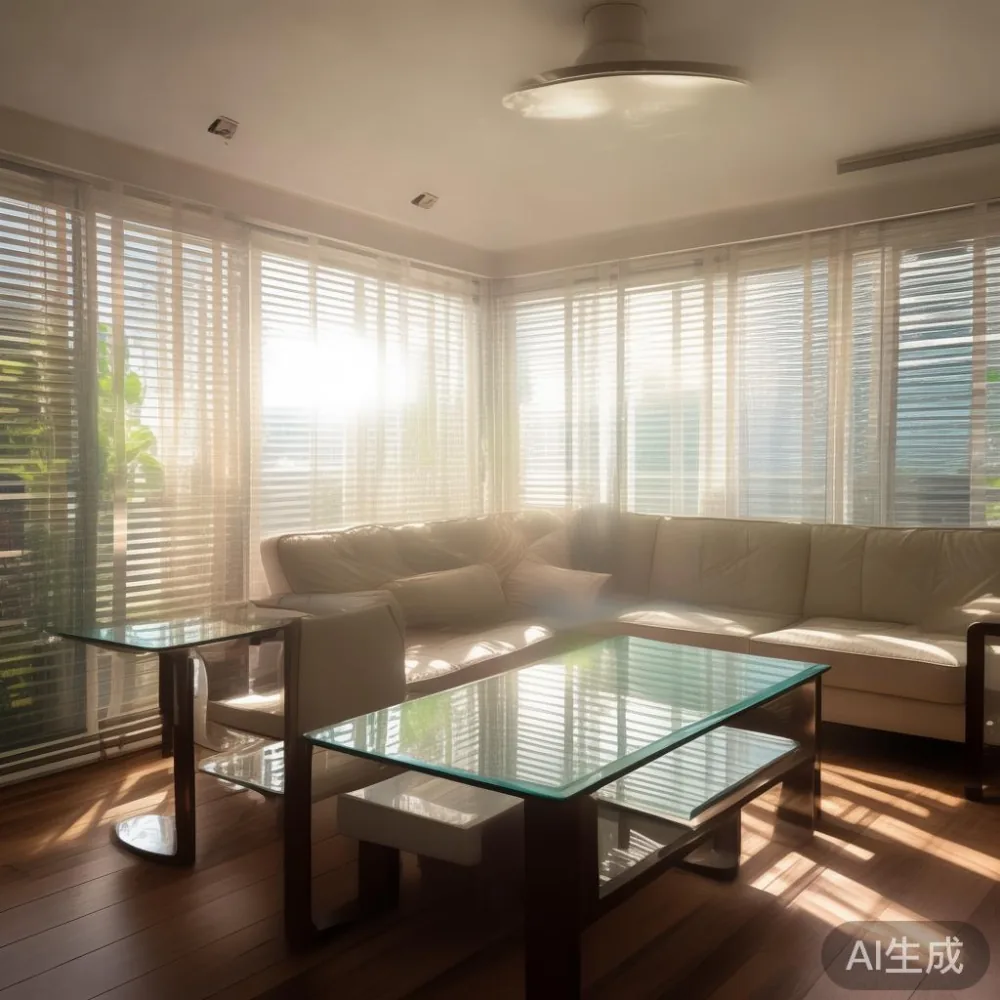
Grade matters as much as species. FAS (First and Seconds) timber allows longer clear cuts with fewer knots, which means fewer glued joints and a cleaner grain pattern on the visible faces of a nightstand or wardrobe door. A lower Common grade will save you 18 to 25 percent, and that saving is sometimes worth it on a bed frame where the headboard will sit against a wall and never catch the light.
Moisture content is the silent number most retailers never quote. Furniture built from timber dried to 8 to 10 percent moisture content and then acclimatised in a 28 to 32 degree, 70 to 80 percent humidity environment like Singapore behaves very differently from furniture built in a 20 degree, 40 percent humidity workshop in Foshan and shipped over without conditioning. Look for kiln-dried certification and a 10-year structural warranty, the kind of warranty that covers joint failure, not just surface checks. MIDHILL, for one, builds for tropical Southeast Asia and kiln-dries to 8 to 12 percent before assembly, which is part of why pieces survive the container crossing and the first monsoon season intact.
Joinery, hardware, and the parts you do not see
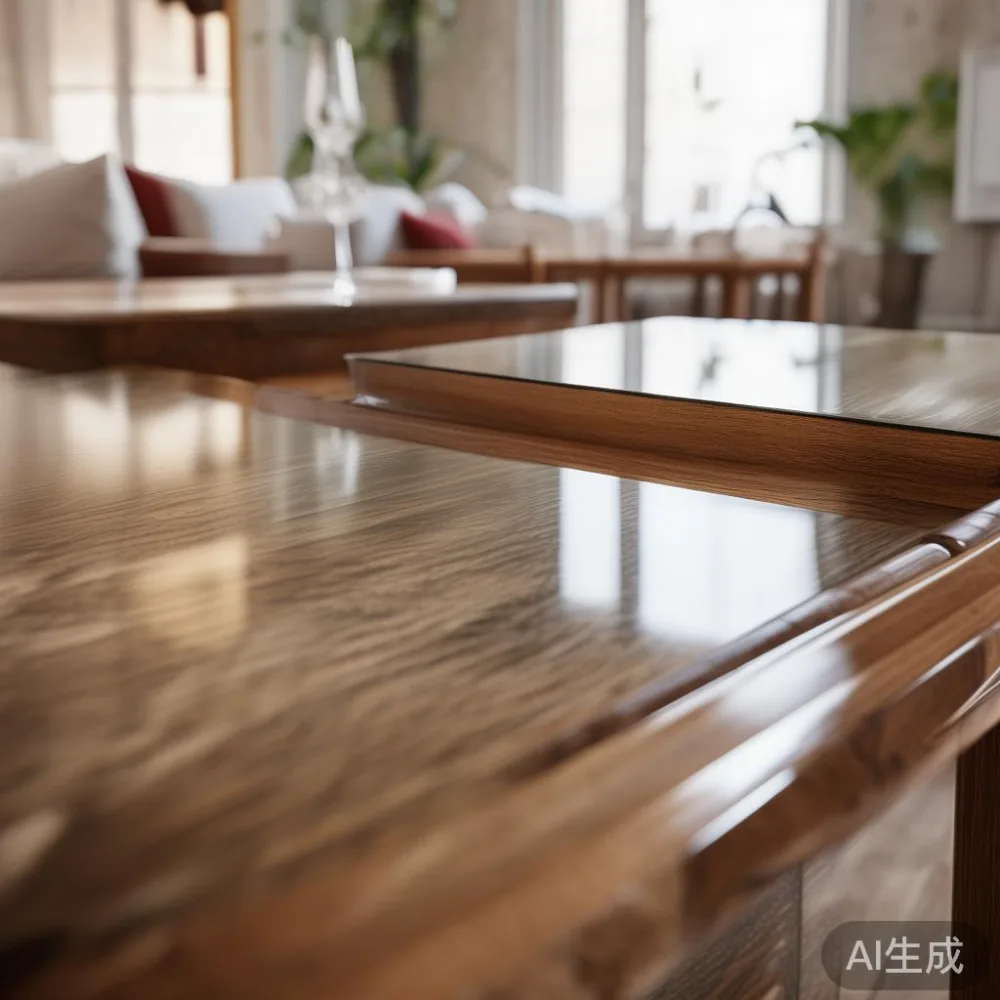
The single biggest price differentiator on a solid wood dining table is what holds it together underneath. A table joined with pocket-hole screws and corner brackets can be assembled in 40 minutes and sold at SGD 1,800. A table joined with mortise-and-tenon, dovetailed aprons, and a 22 mm thick top will take a cabinetmaker 9 to 14 hours and will sell at SGD 3,600 to SGD 5,500. Both tables will look identical from across a 4 m HDB living room. The second one will still be solid in 2040.
Hardware follows the same logic. Soft-close drawer slides from Blum or Hettich add SGD 35 to SGD 70 per drawer over a generic runner, but they also carry a 100,000-cycle rating, which works out to about 27 years of normal bedroom use. A nightstand with three drawers therefore carries SGD 105 to SGD 210 of upgrade hardware alone. On a wardrobe with six drawers and two soft-close doors, the gap between budget and premium hardware reaches SGD 380 to SGD 520, which is roughly the labour cost of the carcass itself.
Then there is the top surface. A marble table on a solid wood base is not a category drift; it is a hybrid that has become standard in French light luxury and post-modern light luxury catalogues over the last four years. A sintered stone top on a 1.4 m dining base adds SGD 900 to SGD 1,800 over a solid timber top. Genuine Calacatta marble adds SGD 2,400 to SGD 4,200. The price spread is not marketing, it is quarry yield: a sintered stone slab is engineered to a consistent pattern, while a marble slab is a 15-million-year geological accident.
Size, lead time, and the geometry of Singapore delivery
Every centimetre above a standard size adds cost, and every centimetre of oversize adds risk on Singapore delivery. A standard bed frame tops out at 1.8 m wide and fits through a standard HDB lift at 78 cm by 110 cm, but only when the headboard is removable. A super-king 2 m frame with an integrated headboard will not fit vertically or diagonally through most Bedok and Punggol lift doors without a hoisting fee, and that hoisting fee can run SGD 250 to SGD 600 per item.
Lead time is the other quiet cost. Stock pieces ship in 7 to 14 days. Custom sizes, including a 2.2 m dining table to seat eight comfortably in a condo dining nook, run 45 to 75 days from order to delivery. Custom finishes add another 14 to 21 days on top. A shopper in Tampines ordering a custom wardrobe in American light luxury proportions, fluted panels in white oak with a brass rail, should plan for a 90 to 110 day total timeline, not the 30 days most brochures imply.
Freight from Foshan to Singapore port takes 7 to 10 days by sea, plus 3 to 5 days for customs clearance and local delivery scheduling. The total door-to-door pipeline is therefore 14 to 21 working days for stock items. Add 14 days for GST valuation, which is computed on the CIF (cost, insurance, freight) value, not the retail price, and you can see why two retailers quoting similar retail numbers can deliver very different landed costs.
Finish, certification, and what you are breathing at home
Finish is the line item most often described as "premium" without justification. A nitrocellulose lacquer spray at 3 mil thickness costs the workshop SGD 35 to SGD 60 per square metre to apply. A conversion varnish costs SGD 90 to SGD 140 per square metre and gives 7 to 10 years of household use before needing refresh. A hardwax oil, the finish you want on a dining table where children eat, costs SGD 70 to SGD 110 per square metre and needs re-oiling every 18 to 24 months.
Low-VOC and GREENGUARD certification add 8 to 15 percent to a furniture line. In a 990 sq ft HDB flat with limited cross-ventilation, that line item is not a luxury, it is a health choice, and the price premium is roughly SGD 180 to SGD 420 across a full three-bedroom furnishing set (bed frame, wardrobe, dining table, nightstand, solid wood sofa).
Is expensive solid wood furniture actually worth the money?
Yes, when the premium reflects joinery, hardware, finish, and acclimatised timber, and no, when the premium reflects a brand name layered onto the same imported carcass. A SGD 7,500 walnut dining table from a workshop that kiln-dries its own timber and assembles with mortise-and-tenon will outlast three SGD 2,500 flat-pack replacements. A SGD 7,500 walnut dining table from a showroom that rebadges a Foshan production run and adds a 200 percent markup will not.
The honest test is what the warranty actually covers. A 10-year structural warranty that names the joinery method, the timber species, the moisture content range, and the finish system is a warranty you can collect on. A 10-year structural warranty that excludes "natural movement, cracking, and warping" is a warranty that excludes the four most common failure modes. MIDHILL publishes the kiln-dried moisture range and the joinery method on every spec sheet, which is the only way a warranty in this category actually means anything. Lifetime refinishing, offered by a handful of makers including MIDHILL, is the real long-term cost control: a dining table refinished at year 12 looks new again for roughly SGD 480 to SGD 720, a fraction of replacement.
The hidden line items in your SGD 6,500 budget
Build a realistic Singapore budget line by line. A solid wood dining table in oak, 1.4 m, kiln-dried, mortise-and-tenon, hardwax-oiled, in stock: SGD 3,200 to SGD 4,200. A solid wood bed frame in ash, queen, with slatted base: SGD 1,400 to SGD 2,100. A two-door wardrobe in rubberwood with soft-close hinges: SGD 1,600 to SGD 2,400. A pair of nightstands in ash: SGD 700 to SGD 1,000. A solid wood sofa frame, three-seater, fabric upholstered, in oak or ash: SGD 2,200 to SGD 3,400.
Add delivery: free over USD 350 (roughly SGD 480) is the threshold most direct-from-Foshan workshops use, and below that threshold the surcharge is SGD 80 to SGD 180 per trip. Add GST at 9 percent on the CIF landed value. Add 14-day returns if the piece arrives damaged or not as described, which is standard but rarely used because the better suppliers pre-photograph every order before container loading.
When you stack those line items, a complete bedroom-and-dining set for a new Punggol BTO lands between SGD 6,800 and SGD 9,600 before upholstery. That range is the real number to budget against, and it is the number you reach only when you stop treating "solid wood" as a single product and start treating it as five separate decisions: species, grade, joinery, hardware, and finish.
Why the showroom price rarely matches the delivered price
Showroom prices in Singapore exclude three things almost without exception: GST, delivery above the lift door, and hoisting for oversize items. A showroom-quoted SGD 4,200 dining table can land at SGD 5,050 after 9 percent GST, SGD 5,250 after delivery, and SGD 5,750 after hoisting through a fourth-floor walk-up in old Tampines blocks where the lift is too narrow for the integrated headboard.
The honest suppliers quote a delivered-and-installed number, photograph the pieces before container loading, and publish the moisture content and joinery method on the spec sheet. The less honest suppliers quote a number that looks 18 to 25 percent lower and then add line items at the checkout. Ask for the delivered price, the moisture content, the joinery method, and the warranty exclusions in writing before you place a deposit. If any of those four answers is vague, walk out.
Putting it all together for a Singapore home
Price is the outcome of nine variables, and only seven of them are visible on a price tag: species, grade, joinery, hardware, finish, size, and lead time. The eighth, certification, lives in a PDF the salesperson has to email you. The ninth, freight and acclimatisation, lives in the workshop's QC process and is the one you trust blindly or regret at month six when the first crack opens across the dining table top.
For most Singapore households, the rational purchase is rubberwood or ash for the wardrobe and bed frame (where strength and dimensional stability matter more than grain drama), oak for the dining table and solid wood sofa frame (where grain drama matters more), and walnut reserved for the nightstand and the marble table accent piece (where density and colour do the heavy lifting in a small footprint). That allocation keeps a full furnishing set inside a realistic SGD 7,000 to SGD 10,000 budget, lands in 14 to 21 working days for stock items, and survives the next HDB renovation cycle in 2035.
Midhill and a handful of other Foshan-direct workshops can hit that range because they control the kiln, the joinery shop, and the container booking, and because they sell to Singapore as a primary export market, not as overflow. That is the entire game: the price of solid wood furniture is not a mystery, it is a sum, and once you can read the line items you stop paying retail for workshop cost and you stop paying workshop cost for retail markup. Your Tampines flat, and your wallet, will both be quieter for it.