Beyond the Surface: What Actually Drives the Price of Solid Wood Furniture in Singapore
The world of furniture shopping in Singapore presents a fascinating puzzle. You walk into a showroom in Tampines or browse online for a new condo in Punggol, and the price tags for seemingly similar items can vary wildly. A solid wood dining table might cost SGD 800 in one place and SGD 3,500 in another. What accounts for this difference? Is it just a brand name, or is there more to the story? For the discerning homeowner, understanding the factors that influence the price of solid wood furniture is key to making an informed investment that will last for years, not just until the next renovation.
Is Solid Wood Furniture Always Expensive, or Are There Hidden Factors?
The common assumption is that all solid wood furniture is prohibitively expensive. While it is generally more costly than its particleboard or laminate counterparts, the price range within the solid wood category is vast. The misconception often arises from not distinguishing between mass-produced, low-quality solid wood and high-craftsmanship pieces. A wardrobe made from a fast-growing, soft wood with minimal finishing will be significantly cheaper than one carved from a slow-growing, dense hardwood with intricate joinery. The key is to look beyond the label 'solid wood' and investigate the specifics of the material, construction, and design. For instance, a European light luxury bed vs a Nordic bed might look similar at a glance, but the materials, hardware, and design philosophy behind them create a substantial price difference.
The Material Matters: Wood Species, Origin, and Sustainability
At the heart of any piece of solid wood furniture is the wood itself. This is one of the most significant contributors to its final price. Not all woods are created equal, and their characteristics directly impact cost, durability, and appearance.
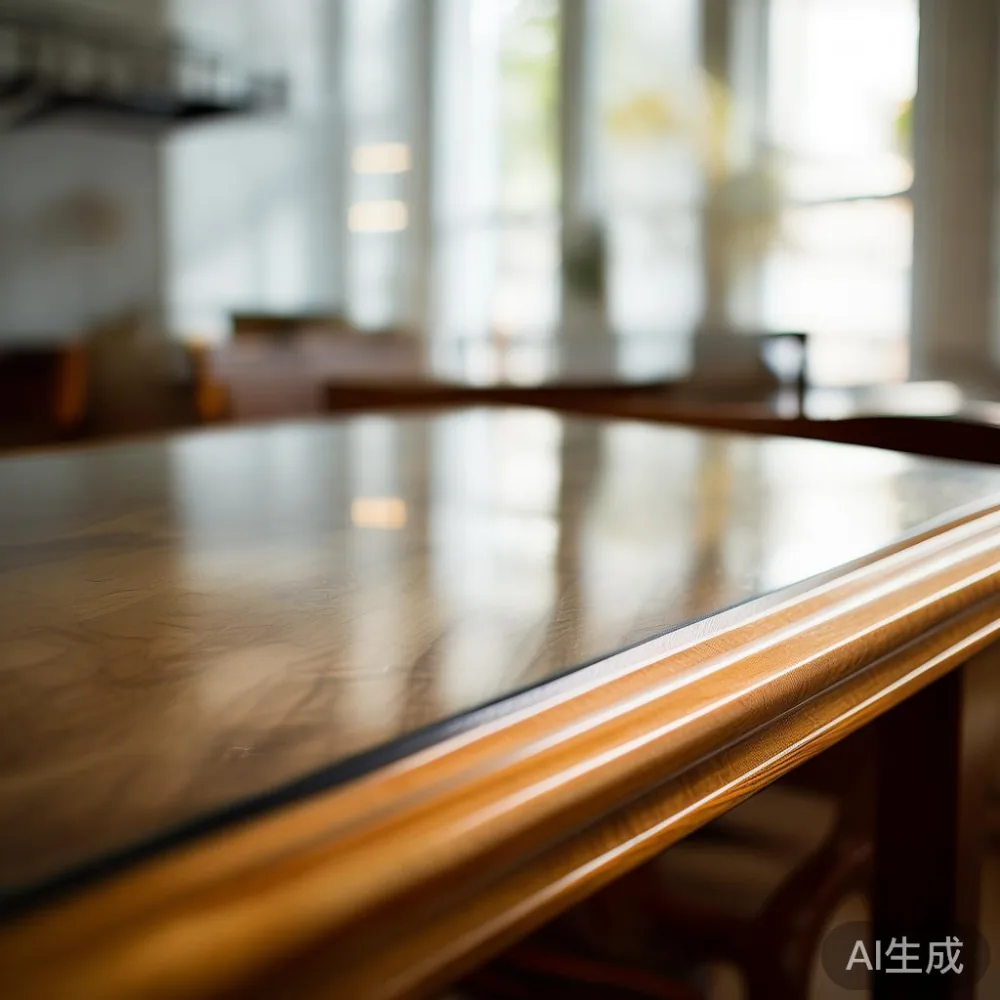
**Wood Species and Density:** The density of a wood species is a primary determinant of its price. Hardwoods like Teak, Walnut, and Oak are denser, more durable, and more resistant to wear and tear than softwoods like Pine or Rubberwood. A solid wood sofa frame made from Teak will command a higher price than one made from Pine due to Teak's superior strength and longevity. For a dining table that will endure family dinners for decades, a dense hardwood like European Oak is a popular choice, often costing between SGD 2,500 and SGD 5,000 for a table seating six to eight people.
**Origin and Sourcing:** The geographical origin of the wood plays a important role. Woods native to temperate climates, such as American White Oak or European Ash, often have slower growth rates, resulting in tighter, more stable grain patterns. This makes them highly desirable for furniture but also more expensive. In contrast, woods from tropical regions like Southeast Asia, such as Rubberwood or Acacia, grow faster and are generally more affordable. However, the cost can be influenced by sustainability certifications. A piece of furniture made from FSC-certified sustainable wood might cost 10-15% more than a non-certified equivalent, but it assures the buyer of responsible forestry practices.

**A Real-World Example:** Last month, I visited a furniture workshop in Foshan to understand their process. My colleague pointed out two identical-looking nightstands. One was made from 'rubberwood', a common and affordable material. The other was crafted from 'American black walnut'. The walnut nightstand was priced at SGD 890, while the rubberwood version was SGD 490. The difference wasn't just the name; the walnut had a richer, more varied grain, felt substantially heavier in the hand, and came with a lifetime refinishing service, whereas the rubberwood option had a 5-year warranty. This tangible difference in material quality and after-sales support is a direct reflection of the price.
Craftsmanship and Construction: The Art of Joinery
How a piece of furniture is assembled is just as important as what it's made from. The method of joinery determines the piece's structural integrity and its ability to withstand the test of time. This is where true craftsmanship reveals itself, and where shortcuts can lead to premature failure.
**Dovetail vs. Nail Construction:** Consider a solid wood wardrobe. A high-quality wardrobe will feature dovetail joints in its drawers. This interlocking method, where two pieces of wood are cut into a fan-shaped pattern that fits together, creates an incredibly strong bond that prevents the drawer from pulling apart over time. It is a labour-intensive process requiring skilled hands. In contrast, a cheaper wardrobe might use simple nails, screws, or staples to join the drawer sides. While initially strong, these mechanical fasteners can loosen, causing the drawer to warp and collapse under the weight of clothes. The difference in labour and skill directly translates to a price difference of several hundred dollars for a single wardrobe.
**Mortise and Tenon Joints:** For larger frames like bed frames or dining tables, mortise and tenon joints are the gold standard. This involves a projecting tenon on one piece of wood that fits precisely into a cavity (the mortise) on another. This creates a strong, stable connection that can handle significant weight and stress. A bed frame constructed with mortise and tenon joints will be creak-free for decades. A bed frame held together with simple butt joints and glue, on the other hand, may start to wobble and make noise within a few years of use.
**The Singaporean Context:** In Singapore's HDB flats and condos, where space is often tight and furniture must work through narrow corridors and lift widths, solid construction is non-negotiable. A poorly made wardrobe that warps by just a few centimetres can become impossible to fit through a standard 80cm-wide apartment door. Investing in furniture with superior joinery ensures it not only lasts but can also be moved without damage when you relocate from a Bedok apartment to a Punggol maisonette.
Design, Branding, and the Light Luxury Aesthetic
Beyond materials and construction, design and brand positioning heavily influence the price. This is particularly evident in the 'light luxury' segment, which focuses on minimalist forms, high-quality materials, and a sense of understated elegance.
**French Light Luxury:** This style is characterised by ornate details, curved lines, and a focus on opulent materials like marble and brass. A French-style marble table, for example, might feature a beautifully veined marble top mounted on a hand-forged metal base with intricate scrollwork. The cost here is driven by the complexity of the design, the skill of the metalworker, and the expense of the marble slab itself. Such a piece can easily cost upwards of SGD 4,000, as it functions as much as a sculptural art piece as a functional item.
**American Light Luxury:** American light luxury often leans towards a more relaxed, comfortable aesthetic. Think of a large, plush American sofa with deep cushions, wide armrests, and premium leather or performance fabric upholstery. The price is influenced by the size of the sofa (a 3-seater might be 220cm long), the quality of the cushion filling (high-density foam vs. cheaper alternatives), and the cost of the upholstery material. A premium American sofa can range from SGD 3,500 to over SGD 7,000. The question of how to style an American sofa in an apartment is a common one; its generous proportions require a spacious living room, which is a consideration factored into its value proposition.
**Post-Modern Light Luxury:** This style is more eclectic, often blending materials like solid wood with glass or metal accents. It embraces clean lines but with a twist, perhaps through an unexpected shape or a mix of textures. A post-modern light luxury bed frame might feature a simple, low-profile solid wood base paired with a sleek, minimalist headboard incorporating glass or metal inlays. This design approach requires a balance of materials and a keen eye for detail, justifying a higher price point than a more straightforward, minimalist design.
Why Your Location in Singapore Impacts the Final Price
When you buy furniture in Singapore, the price you see on the tag is rarely the final amount you pay. Several location-specific factors add to the cost, and understanding them is important for budgeting.
**Goods and Services Tax (GST):** This is the most straightforward addition. The current GST rate in Singapore is 9%. All furniture purchases are subject to this tax unless the seller is under the GST registration threshold. For a piece of furniture priced at SGD 2,000, the GST will add another SGD 180 to your final bill. This is a mandatory government levy that applies uniformly across all retailers.
**Shipping and Delivery Costs:** Singapore's geography, while compact, presents logistical challenges. Delivering a large item like a dining table or wardrobe to a ground-floor HDB flat is simpler than manoeuvring it up to a 20th-floor condo in a building with a narrow lift. Furniture companies factor in labour costs for delivery teams, the cost of suitable vehicles (often smaller vans for working through condo roads), and insurance for the goods. Free shipping is often a promotional offer for purchases over a certain value, such as SGD 350. For smaller items, a delivery fee of SGD 50 to SGD 100 is common. The delivery process itself can take anywhere from 3 to 7 business days within Singapore, depending on the company's schedule and your location.
**Warranty and After-Sales Service:** This is a critical value-add that is often overlooked. A 10-year structural warranty from a company like MIDHILL provides immense peace of mind. It means that if a joint on your solid wood bed frame fails within a decade, the company will repair or replace it at no cost. This long-term protection is a significant part of the furniture's value. A cheaper piece might only come with a 1 or 2-year warranty, leaving you responsible for any structural defects that appear later. Similarly, a lifetime refinishing service means you can have the piece sanded and refinished to look like new decades down the line, extending its life and value significantly.
How to Choose a European Light Luxury Bed That's Worth the Investment
Given these factors, how does a consumer make a smart choice? When considering a purchase like a European light luxury bed, it's about asking the right questions and knowing what to look for. Start by measuring your bedroom space carefully, including the width of your corridor and lift if you live in a condo. A bed that is 180cm wide might not fit through a standard 80cm door. Examine the bed frame closely. Run your hand along the joints; do they feel smooth and smooth, or are there gaps and rough edges? Ask about the wood species—a reputable seller will be transparent. Inquire about the warranty; a 10-year structural warranty is a strong indicator of quality. Finally, consider the total cost, including GST and delivery. A bed that seems like a bargain might become expensive if delivery and warranty costs are hidden. By focusing on material, construction, and comprehensive service, you can find a piece that offers true value, rather than just a low initial price.