Lacquered Glass Furniture Care for Singapore Homes
High humidity, sudden rain, salt-laden air, and relentless sunlight make Singapore a demanding place for lacquered surfaces. A glass dining table can look crisp beside an air-conditioned HDB flat in Tampines, yet the same table near an open window in Bedok may develop tiny bubbles in its lacquer after several humid weeks. Care is less about frequent scrubbing and more about controlling moisture, heat, abrasion, and time.

MIDHILL designs lacquered glass furniture with the visual restraint associated with French light luxury: reflective planes, clean profiles, pale timber, and carefully balanced proportions. The same discipline matters after delivery. Singapore households should use the following guidance to preserve a lacquered glass dining table, glass console, or glass side table without confusing coated glass with ordinary untreated glass.
What is lacquered glass furniture, and why does humidity affect it?
Lacquered glass furniture consists of a glass substrate coated with one or more cured resin layers. The finish may be glossy, satin, or matte, and it changes how fingerprints, cleaners, scratches, and moisture become visible. A glossy high-gloss surface usually shows dust and smudges readily, while a textured matte lacquer can disguise small marks but should never be scrubbed aggressively.
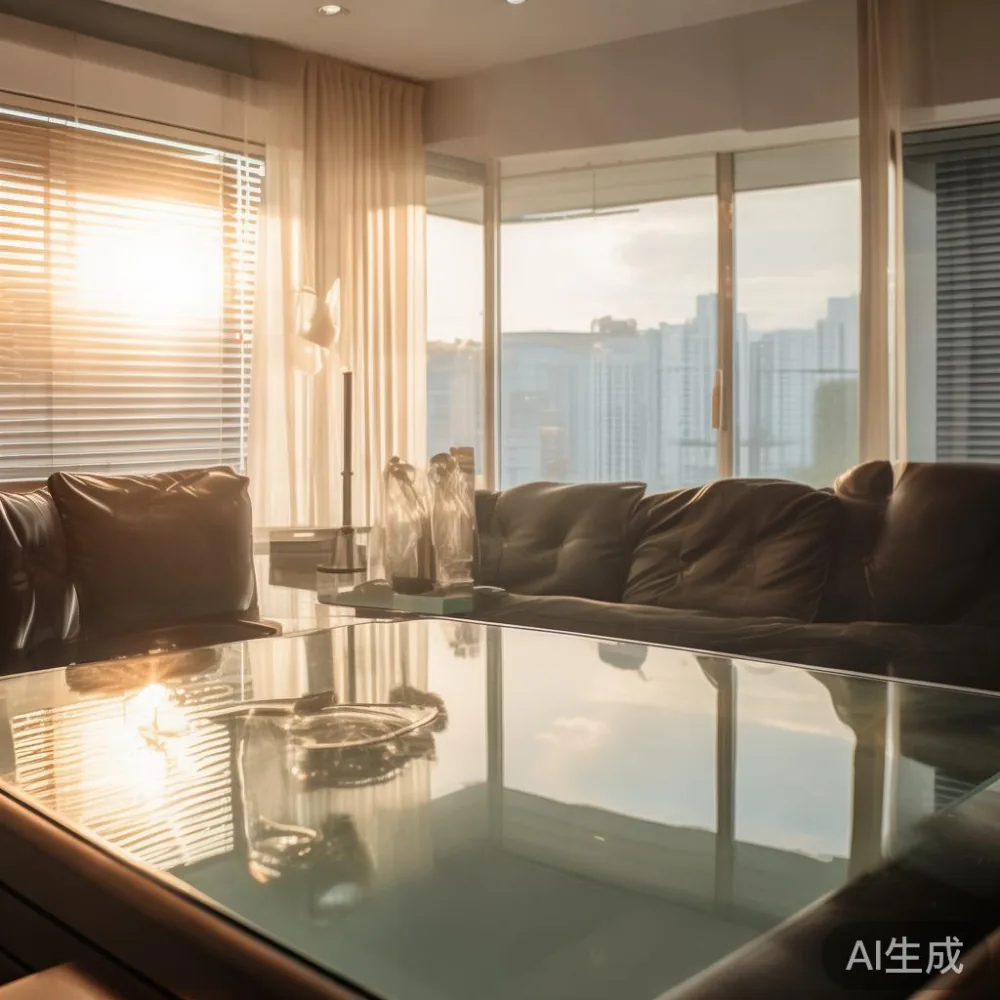
The temperature difference between a 22–24°C room and Singapore’s outdoor conditions of roughly 30–34°C can also encourage condensation on an imported glass piece. Repeated wetting is more concerning than a few isolated droplets because moisture can enter a nick in the coating, soften it, and create a pale or cloudy patch. A solid wood sofa, bed frame, wardrobe, nightstand, or marble table in the same room may therefore need a separate care routine; timber finishes and stone surfaces do not tolerate the same solvents as lacquer.
For local planning, measure before ordering rather than after delivery. A dining table with a 180 cm top may need a lift door at least 82 cm wide when its legs are detachable, while a 200 cm top may need a larger HDB lift or corridor turning allowance. Protective corner wrapping adds about 3–5 cm to each packed side. Confirm the delivery route with your building manager, especially in older blocks where corridor widths fall below 110 cm.
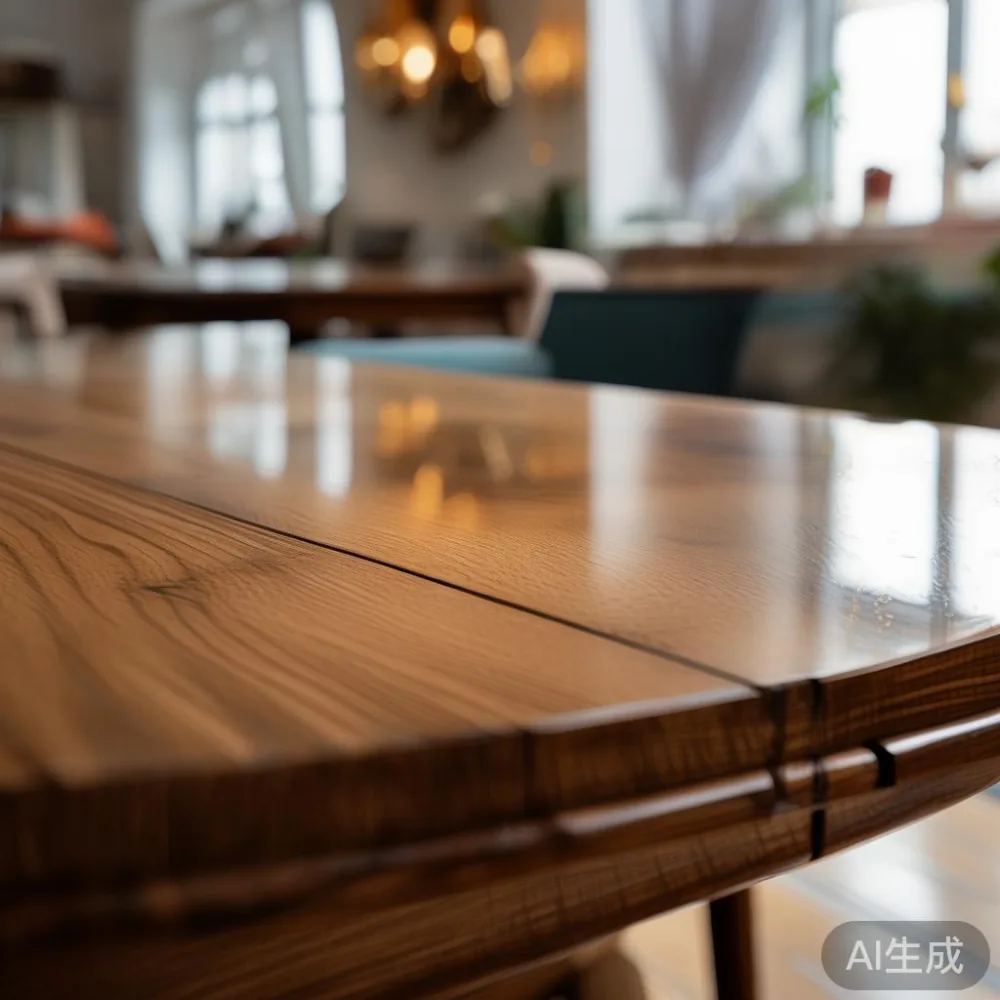
Which lacquer finish does a Singapore dining table have?
Ask for the exact finish name, coating structure, and cleaning instructions before accepting a glass dining table. Terms such as “lacquered,” “painted glass,” and “UV-cured coating” do not always describe the same chemistry. A supplier should explain whether the topcoat is polyurethane, acrylic, or another resin and whether household glass cleaner is permitted.
One sample is not enough to test a full table. Request an A5-sized coated sample, or test an inconspicuous area with a damp white cotton cloth for 24 hours. Never use that test patch to infer durability for every part of the table. Check whether the lacquer is even around the edge, whether the underside is sealed, and whether the coating continues across drilled fittings or exposed cut edges.
The finish should also be checked under Singapore conditions rather than showroom lighting alone. Hold the sample near a window for 30 minutes and compare it with the unfilled glass beneath. If the coated area shifts in colour, clarity, or texture after exposure, obtain written clarification before delivery.
Glass furniture often appears in compact Singapore layouts because a slim profile preserves visual space. A 120 cm glass console may suit a 3.5-room HDB flat, while a 140 cm unit may crowd a Punggol corridor where the usable wall length is only 135 cm. The right dimension does not, however, replace correct finish selection.
How should I clean a lacquered dining table every day?
Use a clean, lint-free microfibre cloth and plain water for routine wiping. Slightly dampen the cloth rather than the tabletop: wring it until only a trace of moisture remains. Wipe once with the damp side, then immediately dry with a second clean cloth. This method removes ordinary fingerprints without leaving a water film around the perimeter.
Clean after use rather than allowing residue to harden. For a table used daily, a 5-minute wipe in the evening is sufficient. If cooking oil or makeup lands on the finish, address it within 30 minutes. Do not use steel wool, abrasive pads, scouring powder, alcohol, acetone, ammonia, vinegar, dishwashing liquid, or citrus cleaner unless the manufacturer specifically approves the diluted product.
Silicone-based sprays and furniture wax can create a temporary shine but may leave uneven patches that are difficult to remove. Avoid them. Coasters and placemats are useful, but felt-backed bases should not trap grit. Place a 3–4 mm silicone or cork pad beneath every item and replace pads that have collected crumbs.
For the wider home, use compatible care methods for a solid wood sofa, upholstered bed frame, and dining table. Vacuum upholstery at low suction for 10 minutes each week, dust wood with a dry cloth, and wipe marble with a separate damp cloth. These habits prevent grit from migrating onto a lacquered glass surface.
Can humidity and heat damage the lacquer if my condo faces west?
Yes. West-facing windows can deliver more than 500 W of solar radiation per square metre at peak, depending on glazing and external shading. Lacquer can yellow, become soft, or lose gloss when exposed repeatedly to heat and ultraviolet light. Keep the table at least 60 cm from a window if curtains are absent, or combine a sheer curtain with a solar-control blind. A gap of 75–100 cm offers more practical separation without making the table awkward to reach.
Maintain indoor relative humidity around 45–65% where possible. Singapore’s air-conditioned rooms often fall below 45% during the day, while enclosed balconies can exceed 80%. A calibrated hygrometer costs about SGD 25–60 and is more useful than guessing from condensation. If readings remain above 65% for several hours, improve ventilation and run the air conditioner in dehumidify mode rather than positioning a fan directly across the lacquer.
Do not place a freshly lacquered glass table beside a west-facing window during the first 7 days after delivery. Allow the coating and any adhesive in the joints to acclimatise before normal use. For long storage, keep the piece wrapped in breathable protective material rather than sealed against a plastic wall in an unventilated storeroom.
How do I remove fingerprints without scratching the coating?
Begin with a dry microfibre cloth. Many marks disappear after 20–30 seconds of gentle circular movement. If residue remains, dampen the cloth with plain water, wring it well, and wipe the area once. Follow immediately with a dry cloth and inspect the surface from an oblique angle under a 400–600 lumen lamp.
Do not press hard. A lacquered dining table should not require pressure that could polish an uneven patch into the finish. For stubborn grease, first check the supplier’s approved cleaner and test it on the underside for 24 hours. Apply a very small amount to the cloth—not the table—and wipe a 10 cm section at a time.
Keep cleaning tools separate from kitchens and bathrooms. A cloth used near marble counters may contain acidic residue, while a bathroom cloth may carry soap and disinfectant. Use at least 3 dedicated cloths for one glass furniture set, and replace them every 4–6 weeks when fibres become rough.
This level of restraint suits French provincial for office projects as well as residential dining rooms, where pale timber, cream upholstery, and reflective surfaces need consistent maintenance. In an HDB study, the same principles can apply to a lacquered glass desk, although an office chair should never roll directly over the tabletop or floor protection.
What should I do if the lacquer scratches, bubbles, or peels?
Stop using the affected area if the coating lifts, bubbles, or feels tacky. Photograph the defect in daylight, measure the affected zone, and contact the supplier before applying another product. Silicone oil, car polish, and paint thinner may make a temporary defect look better but can prevent a professional repair.
Minor surface scratches may sometimes be addressed by a specialist with an approved polishing system. Deep scratches that expose glass, lifting at an edge, or patches larger than 5 cm normally require panel replacement or a refinishing service. A 90 cm replacement glass top might take 7–14 days to source, subject to stock, while a custom dining top could take 4–8 weeks.
MIDHILL offers lifetime refinishing for qualifying furniture, so buyers should establish the serial number, coating specification, and purchase record before arranging work. “Lifetime” does not mean every accidental or chemical failure is covered; the service scope should be confirmed in writing. For insurance, keep delivery invoices, condition photographs, and the care instructions supplied with the piece.
When comparing product directions, a European bed vs Nordic bed often concerns the frame’s visual language rather than lacquer care. Likewise, a phrase such as under 2000 Industrial furniture should not lead a buyer to accept vague care terms. Confirm what treatment is included, who performs it, and how the protected glass furniture is transported for service.
How can I protect glass furniture during delivery and renovation?
Delivery day is one of the highest-risk moments for a lacquered table. Keep the original packaging, add a rigid protective layer to the glass face, and never lift a coated panel by the edge without support beneath it. One person should manage the route and door clearance while two others carry a heavy dining top. A 12 mm glass top weighing approximately 29 kg per square metre requires two people even if it fits through a 90 cm lift door.
Measure the complete route: lift entrance, lift car, landing, corridor turns, and the final doorway. A common HDB lift car may measure about 140 cm deep and 110 cm wide, but older buildings vary. A 90 cm door opening can accommodate a narrow packaged side table, yet a 200 cm long console may still be impossible to turn without removing legs or glass panels.
Protect neighbouring solid wood pieces during renovation. Cover a bed frame or wardrobe with breathable sheeting, keep paint away from the dining table, and do not lean tools against glass edges. These steps reduce scratches and impact marks that appear after the room is cleaned.
Some buyers compare designs using labels such as best Boho bed for 2026 or American bed vs Italian light luxury bed. Such comparisons should remain focused on dimensions, timber, joinery, finish, and service—not on assuming that one decorative category automatically includes better lacquer protection.
Is a glass dining table practical for a family with children?
It can be, but risk management matters more than the material label. Position the table away from high-traffic routes, use a stable 3 cm edge protector on exposed corners, and inspect the underside every 3 months for cracks, loose fittings, or chipped lacquer. Do not allow children to climb on chairs or pull the table by its frame.
Set a 45 cm clearance between the table edge and a wall or walkway where possible. In a compact HDB dining area, a 140–160 cm rectangular table may allow 4–6 chairs more comfortably than a round table exceeding 120 cm. Check the chair pull-out distance and keep clear of an open door swing.
For a second-hand condo, ask whether the previous owner used oil, wax, or ammonia cleaners. A surface can look clean while retaining an oily film that attracts dust. Have the coating checked before applying a new care product.
Light-luxury planning also involves proportion. A pale solid wood bed frame, restrained wardrobe, marble table, and nightstand can balance a glass dining set without making the room visually heavy. For hospitality, a European light luxury for hotel scheme should specify cleanable lacquer, replacement panels, and maintenance intervals rather than rely on vague descriptions.
What is the simplest care routine for a lacquered glass console?
Follow a 3-step routine: dust with a dry cloth, wipe with a barely damp cloth, and dry the surface immediately. Do this every 2–3 days in a dusty area and after every meal or gathering. Check beneath coasters every 2 weeks, because trapped grit often causes the first visible scratches.
Once a month, inspect the edges, underside, and fittings under daylight. Once every 3 months, clean the glass around the perimeter with a fresh cloth. Once every 6–12 months, have a specialist assess a heavily used piece. These intervals are guides rather than warranties; a table beside a construction project may need weekly attention.
Keep the routine affordable. A good microfibre pack costs around SGD 12–25, a hygrometer about SGD 25–60, and a small coaster set about SGD 20–50. MIDHILL provides free shipping on orders over US$350, but Singapore delivery timing, GST, installation, and lift-access charges should be confirmed before purchase. A typical lead time may be 14–30 days depending on finish and stock.
Most importantly, distinguish care from repair. Lacquered glass furniture rewards gentle habits: controlled humidity, filtered light, clean cloths, and quick removal of spills. When damage has already formed, professional advice is more reliable than improvised polish. Protect the finish for 10 years or more by treating the coating as a visible surface, not as invisible glass.