The Silent Enemy: How Singapore's Humidity Affects Your Solid Wood Furniture
Living in Singapore, we are accustomed to the constant, enveloping embrace of humidity. It’s in the air we breathe, the way our hair frizzes, and the slow, deliberate pace at which a cold glass of water 'sweats' on a table. While we adapt to this climate in our daily lives, there is a silent, persistent enemy working in the background of our homes: moisture. For owners of fine solid wood furniture, this humidity is not just an inconvenience; it is a constant battle for preservation. Understanding this dynamic is key to maintaining the beauty and integrity of your cherished pieces, especially in the unique environments of Singapore Housing and Development Board (HDB) flats and condominiums.
What Exactly Does Humidity Do to Wood?
Wood is a hygroscopic material, which is a scientific way of saying it absorbs and releases moisture from the air. Think of it as a living, breathing entity long after it has been shaped into a dining table or a bed frame. When the ambient humidity is high, as it often is in Singapore, wood absorbs this moisture. This process causes the wood fibers to swell, expand, and push against each other. Conversely, in drier conditions, the wood releases moisture and contracts. This natural expansion and contraction cycle is the root of most humidity-related problems.
The effects are not always immediately dramatic. They can be subtle, starting as small, almost imperceptible changes that accumulate over months and years. A door might begin to stick slightly, a drawer might require a bit more force to slide open, or a tabletop might develop a faint, uneven sheen. These are the early warning signs. If left unaddressed, the continuous swelling and shrinking can lead to more serious damage, such as cracking, warping, or the separation of joints in a solid wood sofa or wardrobe. The high humidity in Singapore, which can average between 70% and 90% throughout the year, creates a persistent state of expansion for wood furniture, putting it under constant stress.
How Singapore's Unique Homes Amplify the Problem
Singapore's residential landscape, dominated by HDB flats and modern condominiums, presents specific challenges for wood furniture. The design of these homes, while efficient and space-conscious, can create microclimates that are even more humid than the general environment.
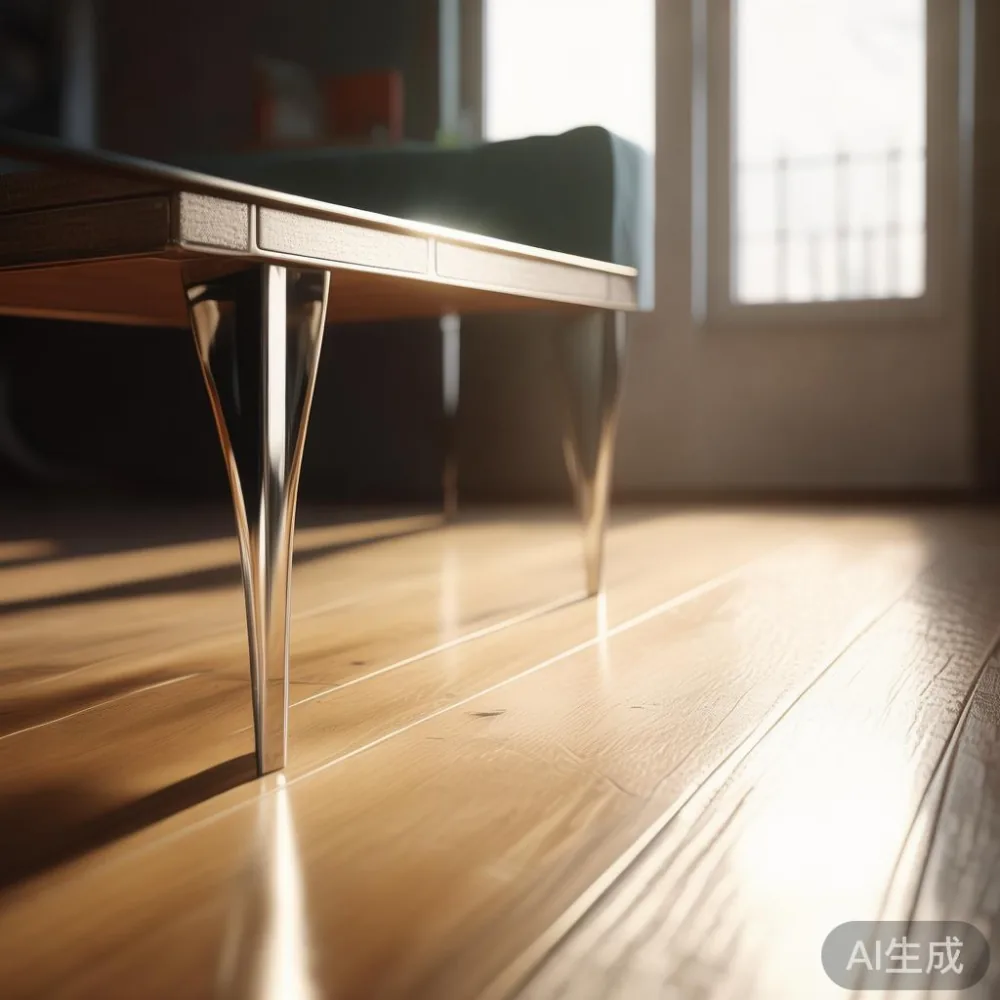
Consider the common HDB flat layout. Many bedrooms are designed to accommodate a queen-size bed frame and a wardrobe, often leaving little room for circulation. Airflow can be restricted, especially if the wardrobe has solid wood doors and the bed is placed against an external wall. This lack of ventilation traps moisture, creating a pocket of high humidity right around your furniture. Similarly, in condominiums like those in Tampines or Bedok, large floor-to-ceiling windows, while offering fantastic views, can also act as giant greenhouses, allowing intense afternoon sun to heat up a room and drive moisture into the wood of a marble table or a solid wood dining table.
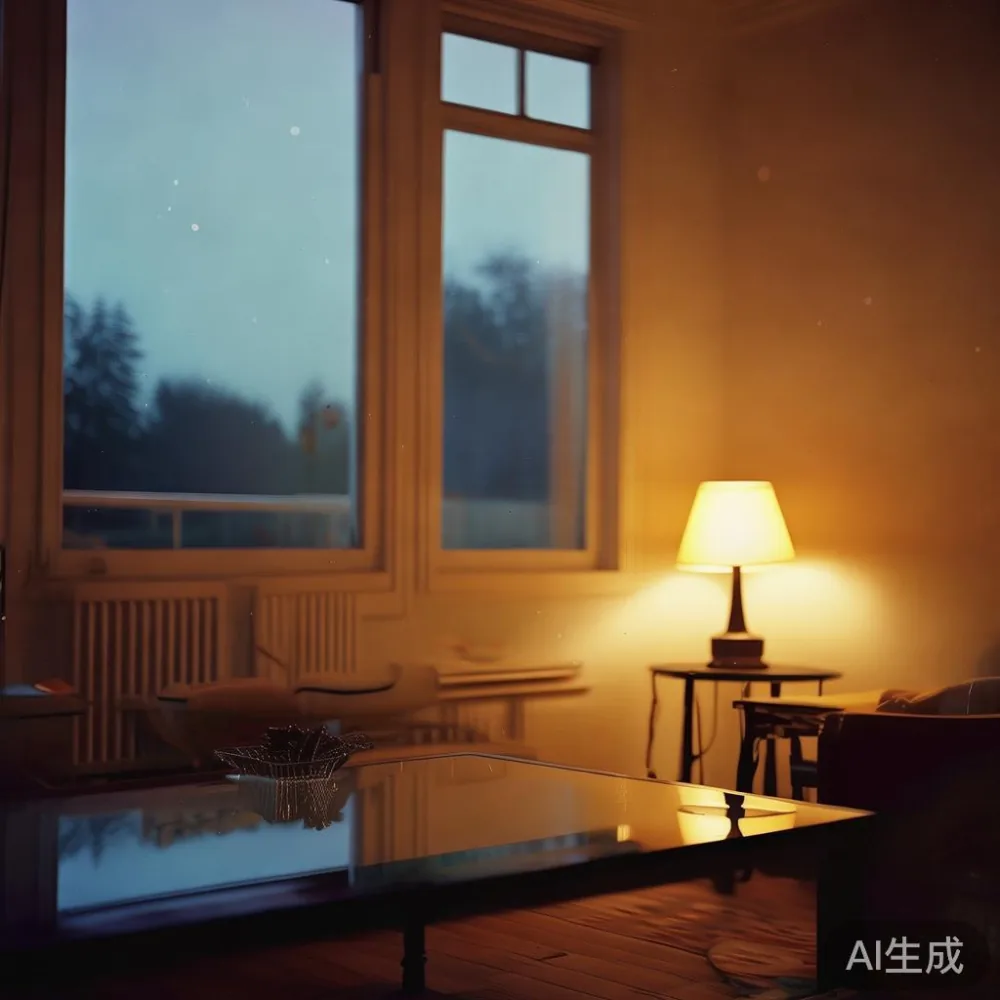
Even practicalities like moving day play a role. Working through the standard 80cm-wide corridors and lifts in older HDB blocks with a large wardrobe or a heavy glass furniture piece requires careful planning. The physical movement of furniture can stress joints that are already weakened by humidity. Also, the 9% Goods and Services Tax (GST) applied to every purchase means that investing in furniture is a significant financial commitment, making proper care not just a matter of aesthetics, but of financial prudence. Protecting your investment from the silent damage of humidity is simply good sense.
My Experience with a Warped Dining Table in Punggol
Last month, I visited a client’s new apartment in Punggol. The space was bright and modern, filled with beautiful, high-end pieces. However, the centerpiece of the dining area was a problem. It was a stunning mid-century modern dining table, purchased for over SGD 4,000. The owner was proud of it, but also frustrated. For months, she had noticed a distinct 'cupping' in the tabletop. The edges of the table, which was about 180cm long, had begun to rise slightly, while the center remained relatively flat. This created an uneven surface, and glasses would sometimes wobble precariously.
Upon closer inspection, I could see the issue clearly. The table was positioned directly under a large air-conditioning vent. While the AC provided welcome relief, the cold air blowing down onto the wood was creating a temperature and humidity gradient. The wood directly under the vent was drying and contracting faster than the rest of the tabletop. This uneven stress had caused the solid oak to warp. The solution wasn't to replace the table, but to manage its environment. We advised her to run the AC more evenly throughout the day, use a dehumidifier in the dining area, and ensure the table was not exposed to direct, unfiltered sunlight through her floor-to-ceiling windows. It was a practical lesson in how even the most beautiful furniture needs a little help to thrive in a Singaporean home.
Is Glass Furniture a Better Solution for Humid Climates?
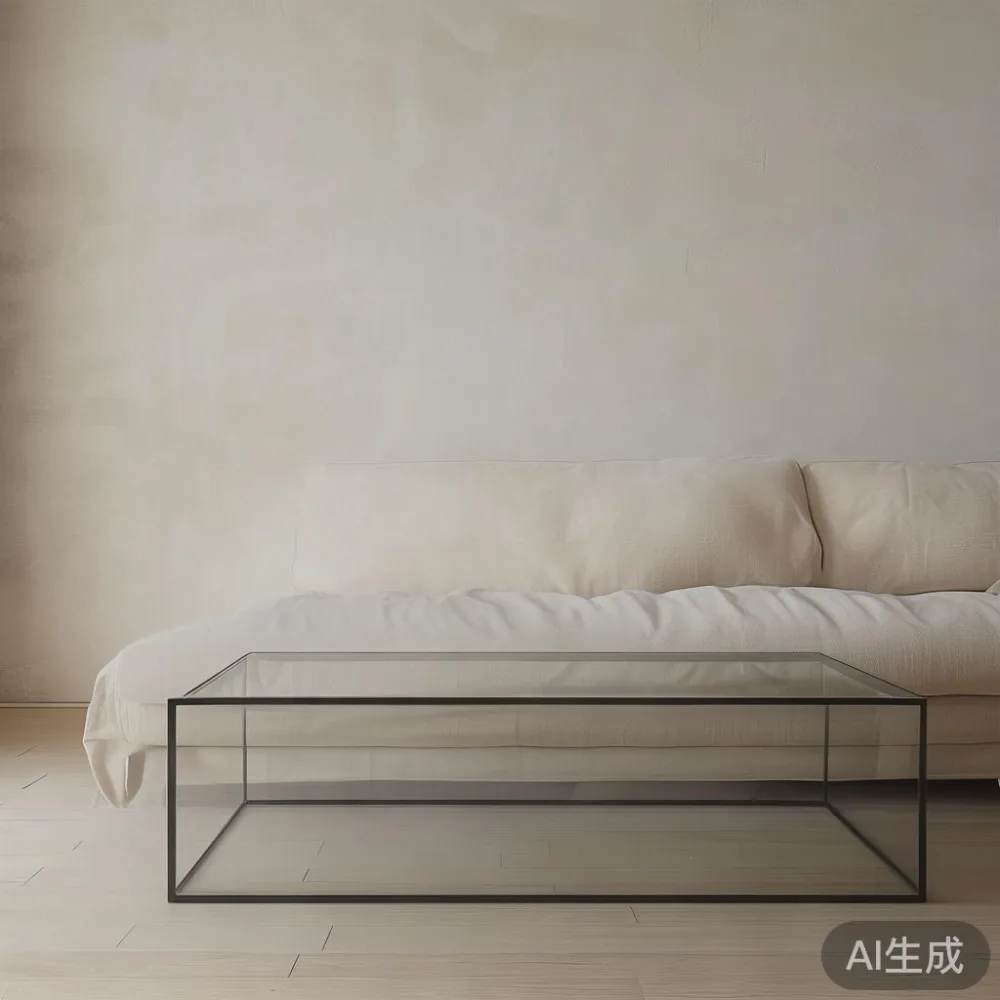
Given the challenges wood faces, a logical question arises: is glass furniture a better option for Singapore's humid climate? The answer is nuanced. Glass, being an inorganic material, is completely impervious to moisture. It will not swell, warp, crack, or be affected by humidity in any way. A glass-topped coffee table or a display cabinet with glass doors will maintain its shape and clarity regardless of the weather. This makes it an incredibly stable and low-maintenance choice for surfaces that are constantly exposed to the elements of a home.
However, glass furniture is not a complete solution. Most glass furniture pieces are not made entirely of glass. They incorporate metal frames, wooden legs, or other composite materials. These components are still vulnerable to humidity. A metal frame might begin to rust if the protective coating is compromised, and wooden legs can still swell and crack. Also, glass furniture can sometimes feel cold and impersonal, lacking the warmth and tactile appeal of solid wood. The choice often comes down to balancing the functional benefits of stability with the aesthetic desire for the natural beauty of wood. For many, a hybrid approach—using glass for tabletops and humidity-resistant woods for frames—offers the best of both worlds.
Practical Care Tips for Your Solid Wood Furniture in Singapore
Living with solid wood furniture in Singapore does not mean you have to resign yourself to a future of repairs and replacements. With a few proactive strategies, you can significantly mitigate the effects of humidity and keep your furniture looking its best for decades. The key is to manage the environment around the pieces.
First, ensure good airflow. Position your furniture away from walls where possible to allow air to circulate. Avoid placing your solid wood sofa or bed directly against an air-conditioning unit or a window where direct sunlight hits. Use a dehumidifier in particularly damp areas like the bedroom or living room, especially during the monsoon season when humidity levels peak. A dehumidifier can pull excess moisture from the air, creating a more stable environment for your wood.
Second, be mindful of cleaning and care. Always use a soft, dry cloth to dust your furniture. Avoid harsh chemical cleaners that can strip the wood's natural oils and its protective finish. Instead, use a specialized wood polish or conditioner that nourishes the wood and helps it retain moisture more evenly. This is especially important for pieces like a European bed vs Japandi bed, where the natural wood grain is a central design feature. Applying a fresh coat of wax or oil every 6 to 12 months can create a protective barrier that helps buffer the wood from rapid changes in humidity.
What About the Warranty and Longevity?
When investing in quality furniture, the warranty is a critical factor of consideration. A reputable manufacturer stands behind their product. For example, a company established in 2008 that exports to 15+ countries might offer a 10-year structural warranty. This warranty covers the core frame and joinery of the furniture, protecting you against defects that would render the piece unusable. It’s a promise that the furniture is built to last, with techniques that can withstand the test of time and climate.
Alongside a structural warranty, a lifetime refinishing policy is an invaluable asset for wood furniture owners. This policy acknowledges that the surface of the wood is the first line of defense against environmental factors. Over 10 or 15 years, the original finish may dull or wear thin. A lifetime refinishing guarantee means the manufacturer will restore the piece to its original glory, in effect giving your furniture a new lease on life. This directly addresses the cosmetic effects of humidity, such as a loss of lustre or minor surface checking. When you consider that a high-quality solid wood dining table can cost between SGD 2,500 and SGD 5,000, and a wardrobe can exceed SGD 3,000, these long-term assurances provide peace of mind. They ensure that your significant investment is protected not just for a few years, but for a lifetime of use in your Singaporean home.
Choosing the Right Furniture for Your Humid Home
When selecting new furniture, making informed choices can make a world of difference. Consider the type of wood. Hardwoods like teak, walnut, and oak are generally more stable and resistant to warping than softer woods. They have a denser grain structure that makes them less prone to absorbing moisture quickly. For instance, if you are searching for a new sofa, you might ask yourself, is Mid-century modern sofa worth it for my climate? The answer often depends on the quality of construction and the wood used. A well-made mid-century sofa with a sturdy hardwood frame will fare much better than a cheaper alternative made with particleboard or softwood.
Style also plays a role in furniture selection. The trend for sale Modern light luxury furniture often incorporates materials that are well-suited to contemporary living. This might mean using lighter woods with natural finishes that allow the wood to breathe more easily, or combining wood with other stable materials like metal and glass. The French light luxury style, with its elegant lines and often lighter wood tones, can be a beautiful choice, as can the clean, uncluttered look of American light luxury. The key is to look for quality craftsmanship. A well-constructed piece, regardless of its style, will have dovetail joints, mortise and tenon joinery, and a multi-layered protective finish—all of which help it resist the challenges of a humid environment.