How to Read a Furniture Warranty Without Getting Caught Out
I learned this the hard way three years ago, when a tempered glass tabletop on a dining table I bought from a tiny showroom in Geylang cracked by itself during a November thunderstorm. The shop had disappeared by the time I called. The replacement cost me S$640. That is the day I started reading every warranty line by line, in pencil, and you should too, because furniture warranties in Singapore are written more for lawyers than for households in Tampines or Punggol.

Whether you are eyeing a solid wood sofa, a bed frame, a six-seater dining table, a three-door wardrobe, a slender nightstand, or a marble table topped with a tempered glass insert, the warranty document is the single most important piece of paper in the box. Box it, photograph it, store a copy in your email. In the sections that follow I will walk you through the seven clauses that matter, the hidden costs no one flags on the showroom floor, and the questions to ask before you swipe your NETS or PayNow. I will also flag where a Foshan-based maker like MIDHILL, which has shipped solid wood pieces to more than 15 countries since 2008, sits comfortably on the sturdier end of the warranty spectrum.
What does a furniture warranty actually cover?
A furniture warranty is a contract. It spells out which failures the maker will fix for free, which failures you pay to fix, and which failures nobody covers at all. Solid wood sofa frames, glass furniture panels, drawer runners, fabric stitching, and lacquer finishes each tend to carry a different number of years. A typical Singapore warranty splits damage into three buckets: manufacturing defects (covered), wear and tear (often excluded), and accidental damage (almost always excluded).
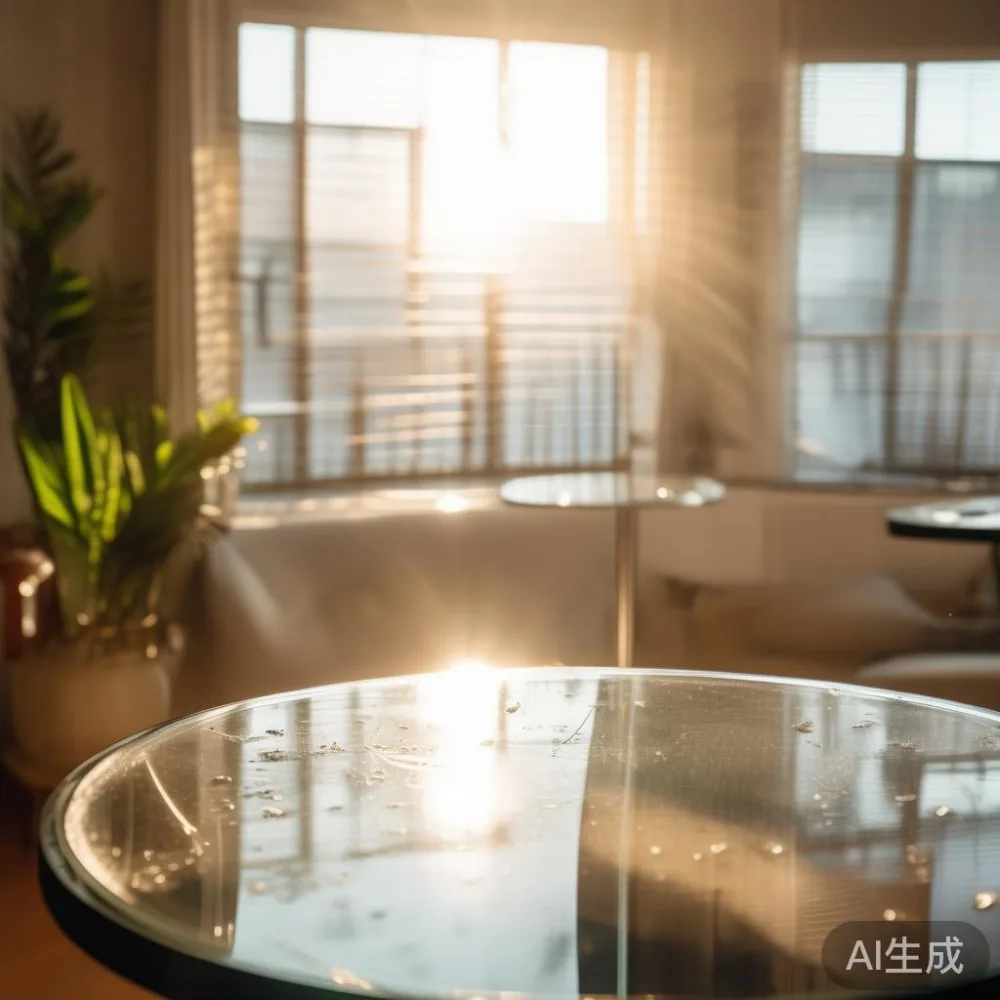
The numbers you tend to see for solid wood furniture produced in Foshan read something like this:
- Frame and structural joints: 10 years (this is the headline number on a MIDHILL certificate, and it is generous by Singapore standards).
- Drawer runners, hinges, and soft-close mechanisms: 2 to 5 years.
- Glass furniture panels (tempered glass tops, sliding doors on a wardrobe, display cabinets): 1 to 3 years, sometimes only against spontaneous breakage.
- Upholstery foam and fabric on a solid wood sofa: 1 year for fabric, 2 for leather.
- Lacquer, paint, and wood finish: 1 to 3 years against peeling and yellowing.
- Marble table surfaces: 1 year against chipping and stains, longer against cracks.
Stack those numbers next to each other and you see the real story: the skeleton gets the longest cover, the skin gets the shortest. That is normal, and a sign the warranty was written by people who understand how furniture ages.
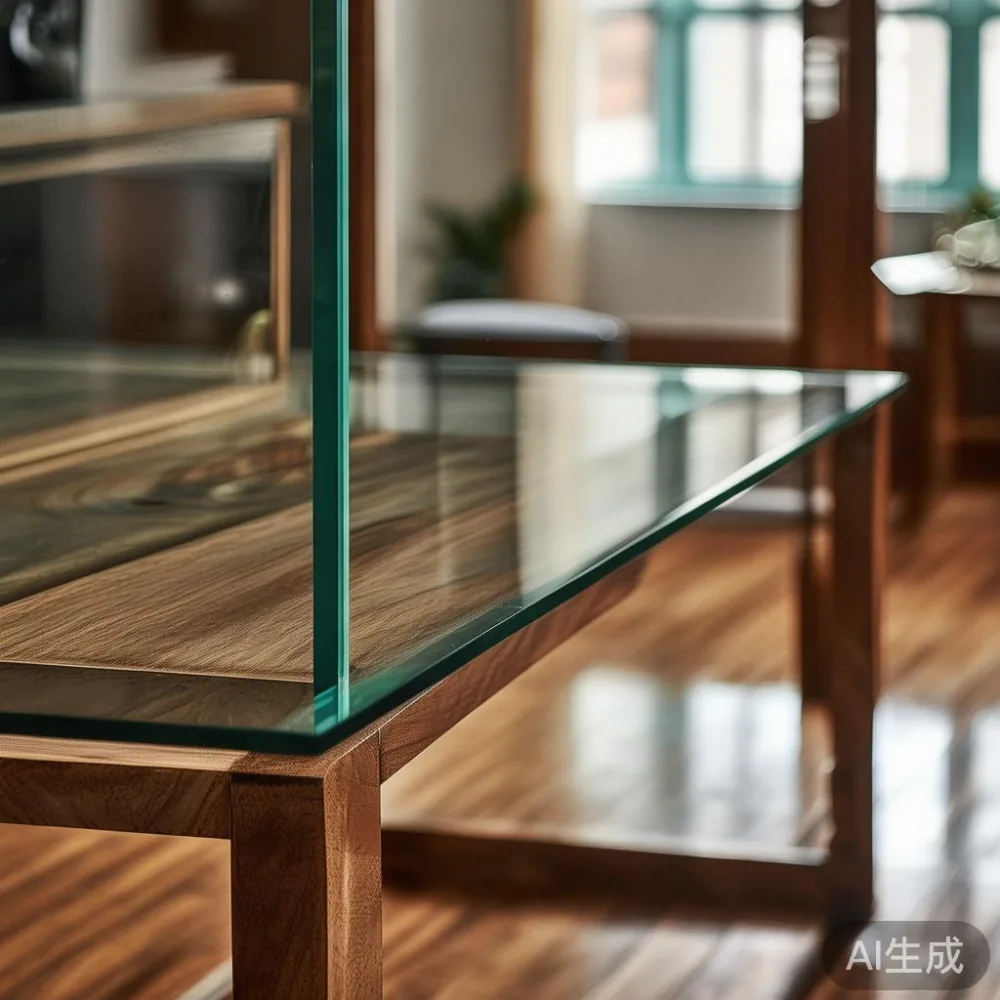
"Structural" vs "cosmetic" — why the line matters more than the price
A wardrobe can still open and close when its veneer peels. A bed frame can still hold a mattress when a tenon joint loosens. A dining table can still seat six when a marble table edge chips. Insurers and makers know this, and they hide behind the words "structural defect" whenever they can. Push for a clear definition, in writing, before you commit. A good sign is a one-page glossary; a bad sign is the word "reasonable" appearing more than twice on the same page.
One clause to look for in plain text is "warp, crack, or split beyond 5 mm over a span of 60 cm." If the maker can show you that number, they have actually measured their own tolerance. If they cannot, treat the 10-year claim as marketing.
What does "free shipping over US$350" actually mean for a Tampines HDB?
This is where Singapore buyers get caught. Many overseas warranties quote a delivery threshold in US dollars because the maker ships from China, Vietnam, or Malaysia. A "free shipping over US$350" clause is usually honest. The trap is what happens on the day of arrival. Three things to check:
- Lift size. Most HDB passenger lifts in Bedok and Tampines measure 1.1 m wide by 1.4 m deep, with a door opening of roughly 0.9 m. A king-size bed frame in a single box often measures 215 cm by 165 cm by 18 cm. It will not fit. Ask if the maker ships flat-pack, and at what point the warranty shifts from "defect" to "inability to deliver."
- Corridor turns. A six-seater dining table can usually ride the lift upright, but a 2.4 m wardrobe will not fit around the 90-degree corner outside your unit on the higher floors of a Punggol executive HDB. Measure first, photograph the corner, send the photo to the seller.
- Additional fees. Stair carry charges in Singapore typically run S$15 to S$30 per floor after the second storey. Some warranties cap this at two flights, then list "customer accepts risk." That phrase is your cue to keep negotiating.
For buyers choosing glass furniture pieces with a marble table base, the freight question doubles, because tempered glass demands a wooden crating fee that plywood-bedded wardrobes do not. MIDHILL, for one, builds its warranty around free crating on orders above US$350 and assigns a single coordinator per shipment so you are not chasing three different WeChat groups at once.
Does the 9% GST change how overseas warranties work after 1 January 2024?
Yes, and most showroom staff in Singapore still quote the old numbers. From 1 January 2024, all imported goods above S$400 in consignment value attract 9% GST at the point of import, regardless of origin. Small parcels under S$400 used to skip GST via the low-value regime; that loophole ended. Furniture, by weight and value, almost always lands in the dutiable band.
Practical reading: a S$3,200 dining table shipped from Foshan now arrives with roughly S$288 in GST, which the courier will collect on delivery. If the warranty does not name who pays this, assume you do. A maker worth its salt will list GST handling in the warranty document and credit you the cost if a manufacturing defect forces a return inside 14 days. That 14-day window is also where the next section lives.
What counts as "warranty void" in a Singapore home?
Read the exclusions list out loud. The six I see most often are:
- Proximity to air-conditioning vents. Direct cold-air flow on a solid wood wardrobe at under 1 m for more than four hours a day pulls moisture out of the grain and invites cracks. Even though no Singapore air-con actually pushes air that hard, the clause is used freely.
- Coastal humidity above 80% sustained. East-facing flats in Marine Parade and Changi occasionally hit this during the December monsoon. Glass furniture with wooden frames is the canary. Keep hygrometer numbers if you ever need to claim.
- Moving house without a professional mover. Self-transport voids most warranties on the spot.
- Use of harsh chemical cleaners on lacquer. Windex on a marble table is the textbook example.
- Weight over the rated limit. A nightstand rated at 25 kg will not cover a customer who stacks 40 kg of books on it.
- Modification. Drilling, sanding, repainting, swapping handles — almost every warranty ends here.
If any of these six sound like your lifestyle, raise them during the showroom visit, not after the truck has left the loading bay.
What is the difference between a "warranty," a "guarantee," and "lifetime refinishing"?
Singapore consumer law treats these differently under the Consumer Protection (Fair Trading) Act 2003, updated in 2023 with a new safety limb covering tempered glass furniture. A warranty is a contract term. A guarantee is a marketing promise. Lifetime refinishing is a service.
When a Foshan maker like MIDHILL offers lifetime refinishing on a solid wood sofa or bed frame, that is a recurring service: the company will resand and relacquer the piece in its own workshop once every five to seven years for a small logistics fee, often between S$180 and S$320 per round trip, including pickup inside mainland China and Southeast Asia. The warranty runs in parallel. The two do not cancel each other, which is exactly why the language matters.
If a Singapore retailer tells you "lifetime warranty," ask, in writing, whose lifetime. Yours, the product's, or the company's? If they cannot answer in one sentence, walk out.
How do French light luxury and American light luxury warranties read on the page?
French light luxury furniture — think slim cabriole legs on a marble table, soft champagne metalwork, walnut joinery — tends to ship with a 5-year structural warranty and a 2-year cosmetic cover. The paperwork is short, three pages, with friendly case studies. The 14-day return window is universal across French light luxury collections because the retail channel is built for the EU consumer.
American light luxury furniture — heavier walnut bed frames, oversized sleeper sofas, deep-buttoned headboards — typically arrives with a 10-year frame warranty and a 3-year fabric warranty. Service is depot-based, so you ship the cushion back, not the whole sofa. That is fine in Texas, awkward in a HDB corridor in Bedok.
Mid-century modern pieces and post-modern light luxury (gold trim, bevelled mirror, smoked glass furniture tops) sit somewhere between the two: 8-year frame, 2-year surface, 12-month hardware. If you want to compare the field quickly, the kind of condensed list you see in a buyer's blog titled "top 10 Mid-century modern furniture" often doubles as a warranty cheat sheet, because reviewers rank structural warranty years alongside price.
For buyers in Singapore, the practical rule is this: pair the warranty length to the room, not the brand. A bed frame in the master bedroom of a Punggol condo should carry at least an 8-year structural cover, because that is a once-a-decade purchase. A nightstand beside it should carry at least 2 years on the drawer runners, because those get the daily use.
Can I claim a warranty on glass furniture if a child breaks it?
Almost never. Strictly speaking, breakage from impact is not a defect; it is an event. What is usually covered is spontaneous breakage of tempered glass, which happens when a nickel sulphide inclusion causes the panel to shatter without any external force. If you have ever heard a quiet "tink" followed by a crash of small cubes into a pile, that is the one. Photograph the pile before you sweep, because the maker will ask for evidence of the cube pattern. Some warranties also require a sample to be returned to the factory for analysis within seven days.
Should I pay extra for an on-site warranty inspection in Singapore?
Only if your home has access constraints that rule out depot repair — third-floor walk-up in a conservation shophouse near Tanjong Pagar, for example, or a loft with a 1.6 m spiral staircase in Tiong Bahru. The standard on-site inspection fee in Singapore is S$60 to S$120, with a S$40 travel surcharge outside the central region. For a piece that costs less than S$800, that is a poor trade. For a S$3,400 solid wood sofa, it can be the only practical way to maintain the warranty.
Ten specific questions to ask before you sign — save this list on your phone
- How many years cover the frame, and how many years cover the finish?
- Is tempered glass furniture covered for spontaneous breakage, and how do I prove it?
- Who pays GST, the S$15 to S$30 per-floor carry charge, and the disposal of packaging?
- What is the exact claim window in days, and does it start at delivery or first use?
- Is labour included or charged separately?
- Does the warranty travel if I relocate to a different HDB town?
- What is the smallest measurement of warp, crack, or chip that qualifies as a defect?
- Are replacement parts shipped from the original factory, or sourced locally in Singapore?
- If I order a light luxury bed vs Mid-century modern bed, do the warranty terms differ between the two?
- Is there a documented warranty for wholesale French provincial furniture and the matching marble table line, or only for retail pairs?
If the showroom cannot answer all ten in writing, the prices on the tag are not the price you will pay. A trustworthy seller — and a MIDHILL coordinator will do this on a video call without prompting — walks through each line, names the depot in Jurong or the workshop in Foshan, and gives you a single point of contact for the next decade.
How does a well-built Singapore warranty read, top to bottom?
You should see a header with the company name and registration number, a coverage table measured in years, an exclusions list, a clear claim procedure (who calls whom, when, what evidence is required), a section on freight and access fees, and a sign-off block with the maker's red chop and the customer's signature. No paragraphs longer than 80 words. No exclamation marks. No marketing on the same page as the terms.
If you are comparing two pieces of glass furniture with identical price tags, this is the page that decides which one goes home with you. Spend twenty minutes on it. Save the seller twenty minutes of back-and-forth. Save yourself the S$640 replacement bill I paid in 2022.
So which warranty terms actually matter for a Tampines, Bedok, or Punggol buyer?
The terms that matter are the ones tied to your specific flat, your specific stair access, your specific budget for the next decade. A marble table in a Punggol condo with floor-to-ceiling windows needs a UV-resistant lacquer warranty. A glass furniture display cabinet in a Tampines HDB with a toddler needs an anti-tip hardware clause. A solid wood sofa in a Bedok resale flat near the coast needs a humidity-tolerant frame warranty. Match the warranty to the room, not the other way round.
For shoppers who want a hand choosing, the strongest tell of a serious maker is a free refinishing service, a 10-year structural warranty, and a 14-day return window written without legalese. That combination is rare in Singapore, which is why it is worth waiting four to six weeks for a sea-freighted order from a Foshan workshop rather than grabbing a showroom floor model on a three-year structural cover with no service after the first year.
Quick reference before you walk into the next showroom:
- Frame: 10 years is the new standard for solid wood sofa and bed frame pieces from an established Foshan workshop.
- Glass furniture panels: 1 to 3 years, spontaneous-breakage only.
- Marble table: 2 years against cracks, 1 year against stains.
- Drawers and hardware: 3 years on runners, 2 years on soft-close.
- Freight: Free over US$350, GST on top, lift access confirmed in writing.
- Returns: 14 days, original packaging, no restocking fee for defects.
Keep this list on your phone, ask for the warranty document before you pay the deposit, and remember that a warranty is only as good as the workshop that honours it. A signature on a Foshan chop is worth more than a marketing promise on a glossy brochure, whether you are shopping for that best Nordic sofa for 2026 you have been eyeing for the living room , a clean-lined Japandi wardrobe, or something softer from the wholesale French provincial furniture catalogues your designer keeps sending. The paperwork is what stands between you and the S$640 phone call I made three years ago. Read it in pencil, twice.