Airy Living in Small Singapore Apartments: Glass Furniture Styling
Living in Singapore, especially in popular HDB estates like Tampines or Punggol, or in a compact city condo, often means making peace with limited square footage. The challenge isn't just fitting your life into a smaller space, but doing so in a way that feels open, sophisticated, and genuinely comfortable. A cramped apartment can quickly become a source of stress, but a well-styled small home can be a peaceful sanctuary. The secret lies in a strategic approach to furniture and design, where every piece serves a purpose and contributes to a sense of spaciousness. This guide will walk you through practical, stylish methods to maximize your space, focusing on how the right choices—particularly those involving glass furniture—can create an illusion of depth and light.
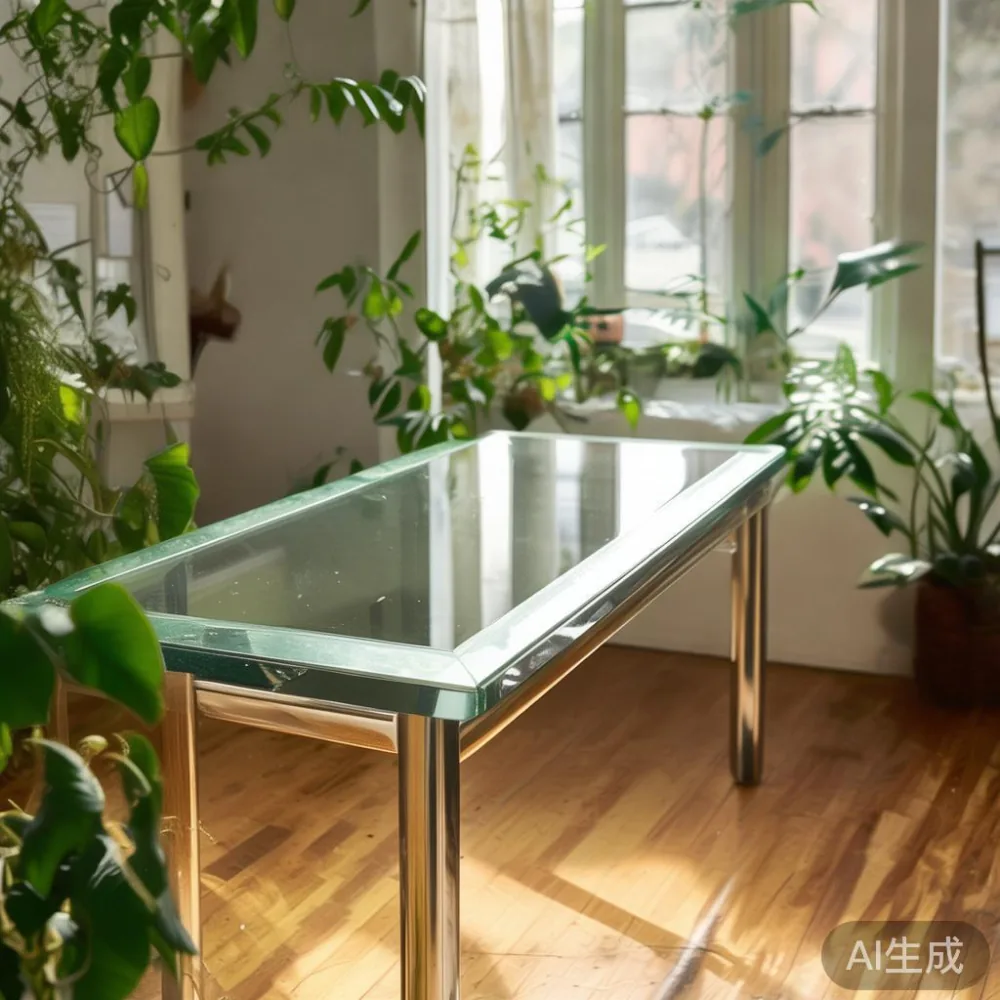
Why Your Current Layout Might Be Feeling Cramped
Before we can fix the problem, it's helpful to understand why small apartments often feel crowded. In Singapore, a typical 4-room HDB flat has a built-up area of approximately 90 to 100 square meters, with living rooms often around 25 to 30 square meters. Condos, while sometimes offering more space, often have smaller footprints to maximize the number of units. The common culprit for a cramped feeling is visual noise. This happens when too many solid, opaque objects compete for attention. A large, dark solid wood sofa, a bulky wooden TV console, and a heavy wooden dining table can create a visual weight that makes the walls feel closer. Every piece of furniture that blocks sightlines or absorbs light contributes to this feeling. The solution, therefore, is not to simply buy smaller furniture, but to choose furniture that is visually lighter and more transparent. This is where incorporating elements like glass furniture becomes a powerful tool in your design arsenal.
How to Visually Expand Your Space with Smart Furniture Choices
The most effective way to make a room feel larger is to trick the eye into perceiving more space. This can be achieved through several key furniture strategies. First, prioritize furniture with exposed legs. A sofa, bed frame, or dining table on slender legs allows you to see the floor underneath, which creates a sense of unobstructed space and makes the room feel less grounded and heavier. A solid wood sofa that sits directly on the floor will visually anchor the room, whereas one with chrome or wooden legs lifts it up, creating an airy feeling.
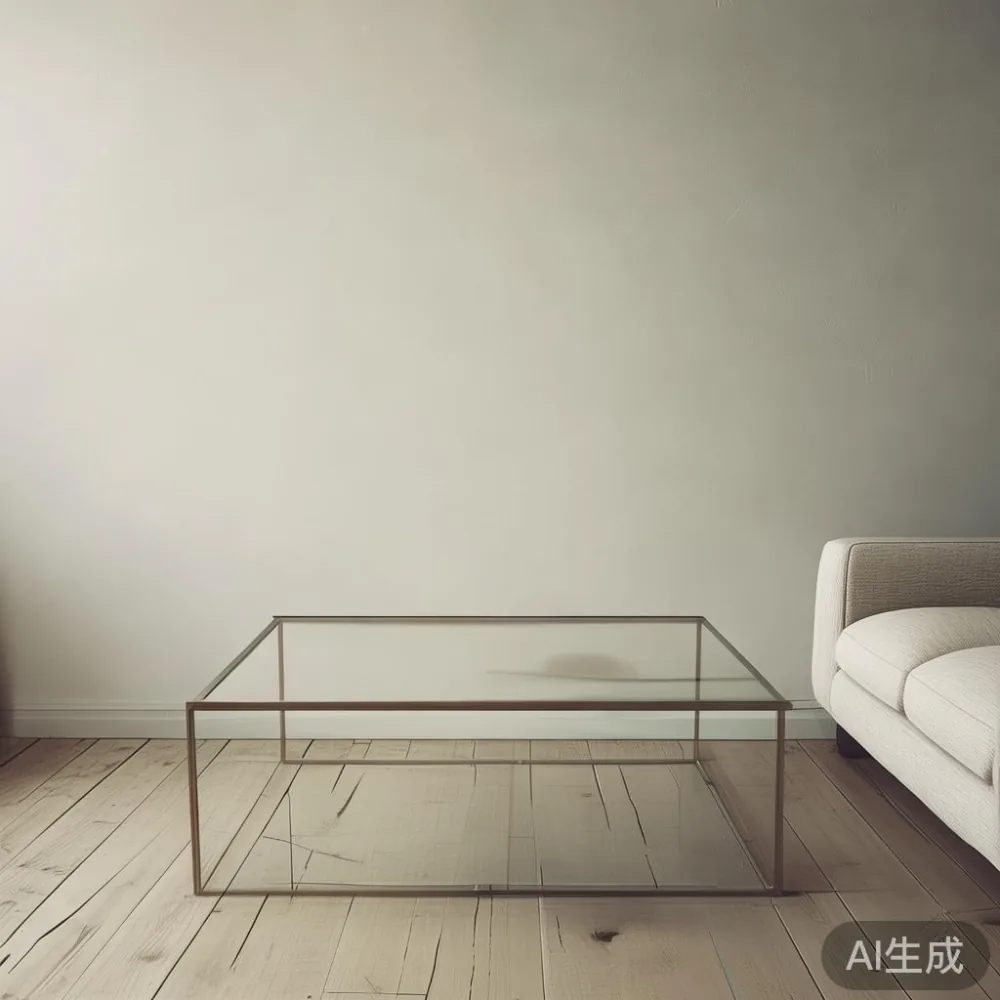
Second, embrace materials that reflect light and offer transparency. This is the core principle behind using glass furniture. A glass coffee table, for instance, takes up visual space without blocking it. You can see through it to the rug or floor beneath, which helps to maintain an open line of sight. This principle applies to other pieces as well. A marble table top, for example, has a reflective quality that can bounce light around a room, making it feel brighter and more expansive. The combination of these materials—glass, light-toned woods, and reflective surfaces—works together to create a cohesive, light-filled environment that feels generously proportioned.
My colleague, Sarah, who recently moved into a 45-square-meter studio in Bedok, put this to the test. She replaced her bulky, dark wooden TV unit with a French provincial TV console that featured a light wood frame and glass cabinet doors. The change was immediate. The unit felt less like a solid block and more like a piece of architectural elegance. She could see her decorative items inside without the visual weight of solid doors, and the light wood brightened the entire living area. It was a small change with a significant impact on the room's perceived size.
Choosing Furniture That Doubles Up: The Power of Multi-Function
In a small apartment, every square centimeter counts. This means your furniture needs to pull double, or even triple, duty. The goal is to find pieces that offer storage or can be transformed to serve different purposes throughout the day. This reduces the need for additional, space-hogging items. For instance, a dining table that can also serve as a workspace is a fantastic solution for a studio apartment. Look for designs with built-in drawers or shelves underneath to store placemats, cutlery, or files.
Bedrooms are another prime area for multi-functional furniture. A standard bed frame takes up a huge amount of floor space. A much better option is a european sofa bed with storage. During the day, it functions as a comfortable sofa, perfect for relaxing or having guests over. When it's time for bed, it transforms into a full-sized sleeping space. The best models also include hidden storage compartments in the base, allowing you to store bedding, seasonal clothes, or other bulky items that would otherwise require a separate chest of drawers or wardrobe. This single piece can replace a sofa, a bed, and a storage unit, freeing up an incredible amount of floor space.
Wardrobes are another consideration. Instead of a large, standalone wardrobe that dominates a wall, consider a built-in wardrobe system. These can be custom-fitted to the exact dimensions of your room, making use of every possible centimeter, including awkward corners. They can be designed with sliding doors instead of hinged ones, which saves the space that would be needed for the doors to swing open. This is particularly important in Singapore's HDB flats, where corridor and lift widths are standardised, and bulky furniture can be a nightmare to move in and out.
European Light Luxury vs. Japandi: Which Style Works for Small Spaces?
For style, the aesthetic you choose can dramatically affect how your space feels. Two popular styles for Singapore homes are European light luxury and Japandi. The choice between them can significantly impact the perceived size of your apartment. The question many homeowners ask is:
European Light Luxury Bed vs Japandi Bed: Which is Better for a Small Room?
The answer lies in the philosophy of each style. European light luxury, whether French or American, often incorporates more ornate details, richer textures, and statement pieces. A MIDHILL French provincial bed, for example, might feature carved headboards, luxurious upholstery, and a more substantial presence. While beautiful, these elements can add visual weight to a room. However, this style can work beautifully in a small space if you focus on scale and material. Choose a European light luxury bed with a tall, slender headboard that draws the eye upward, creating an illusion of height. Pair it with light-colored linens to keep it looking fresh and airy.
Japandi, on the other hand, is a minimalist fusion of Japanese and Scandinavian design. It emphasizes clean lines, natural materials like light oak and bamboo, and a neutral color palette. This style is inherently designed to feel calm, uncluttered, and spacious. A Japandi bed frame is typically low to the ground with simple, straight lines, making the room feel larger by keeping sightlines open and unobstructed. The choice ultimately depends on personal preference, but for maximizing the feeling of space, Japandi's minimalist approach often has a slight edge. However, a well-executed European light luxury style, with its emphasis on light and airiness, can be just as effective.
This same principle applies to seating. A European light luxury sofa vs Italian light luxury sofa comparison shows a similar dynamic. European styles might favor softer, more enveloping shapes, while Italian designs often focus on sleek, architectural lines. For a small living room, a sofa with a low-profile base and slim arms will create a more open feel than one with deep, plush cushions and bulky rolled arms.
Practical Shopping Tips for Singapore Apartments
Once you have a plan, the next step is shopping. When browsing for for sale American furniture or European pieces, always have your specific room dimensions on hand. Measure not just the length and width of your space, but also the height from floor to ceiling and the width of your doorways and corridors. A beautiful 220 cm solid wood sofa is useless if it won't fit through your apartment door or around the tight corner in your HDB lift. A standard HDB door opening is about 80 cm wide, and the internal lift dimensions are approximately 110 cm x 210 cm, so keep these numbers in mind.
Consider the delivery process. Reputable brands like MIDHILL offer free shipping for orders over SGD 1,500, which is a significant saving. Always confirm the delivery lead time, which can range from 7 to 14 days for in-stock items, or longer for custom or pre-ordered pieces. Factor this into your timeline. Also, remember to factor in Singapore's 9% GST on all furniture purchases. When comparing prices, ensure you are comparing the final, all-inclusive cost.
Finally, take advantage of return policies. Many online retailers offer a 14-day return window. This gives you peace of mind that if a piece doesn't look or feel right in your space, you can return it. When a piece arrives, check its weight and construction. A solid wood dining table, for instance, can weigh over 50 kg, so ensure you have help to move it into its final position. The right shopping diligence ensures that your new furniture not only looks good but also fits perfectly into your life.
Real Customer Stories: Styling Success in Singapore
Nothing is more convincing than seeing real examples of these principles in action. Let's look at a couple of recent projects that demonstrate how thoughtful furniture selection can transform small Singapore apartments.
The first is a 60-square-meter, two-bedroom resale flat in Tampines that a young professional couple wanted to renovate. Their main goal was to make the open-plan living, dining, and kitchen area feel more connected and less cluttered. They opted for a light and airy aesthetic. In the living room, they chose a European light luxury sofa in a light grey fabric with slender, brushed metal legs. This kept the visual profile low and open. They paired it with a circular glass coffee table with a marble base. The circular shape was a deliberate choice to soften the sharp angles of the room, and the glass top ensured the beautiful floor rug underneath was still visible. For the dining area, they selected a solid wood dining table with a light oak finish and chairs with transparent acrylic backs. This combination provided a solid surface for dining without adding the visual weight of a traditional, fully upholstered dining set. The result was a space that felt bright, modern, and surprisingly spacious.
The second story comes from a client in Punggol who purchased a Wuhan Lingzhan-designed wardrobe for her master bedroom. Her previous wardrobe was a large, dark brown piece that dominated one wall of her compact bedroom. The new wardrobe was a custom-built, floor-to-ceiling system with sliding mirror doors. The mirror doors have a dual benefit: they reflect light, making the room feel brighter, and they create the illusion of a much deeper space. The internal organizers were custom-designed to fit her specific clothing and accessory needs, eliminating the need for additional dressers or nightstands. By removing the bulky old wardrobe and replacing it with this sleek, space-saving system, she freed up enough floor space to add a small reading nook, completely transforming the room from cramped to cosy.
Final Thoughts on Creating Your Spacious Sanctuary
Styling a small apartment in Singapore is less about having a huge budget and more about having a smart strategy. It’s about making deliberate choices that prioritize visual lightness and functionality. By selecting furniture with exposed legs, incorporating transparent elements like glass furniture, and opting for multi-functional pieces, you can dramatically change the feel of your home. Whether you lean towards the elegant curves of French provincial style or the clean lines of Japandi, the principles remain the same: reduce visual noise, enhance light, and create a sense of flow. Your apartment should be a reflection of you—a place that is not just liveable, but a true sanctuary that feels open, calm, and perfectly suited to your life.