Singapore Home Veneer vs Solid Wood Cost Comparison
A dining table in Tampines, a bed frame in Bedok, or a wardrobe beside a Punggol lift can look impressive in a showroom and behave differently after 5 years. Veneer usually wins on the initial invoice. Solid wood usually makes more sense when replacement, repair, and long-term use are included in the calculation. For glass furniture projects, the material behind the timber also affects stability, visual balance, and the number of times a floor must be protected during delivery.
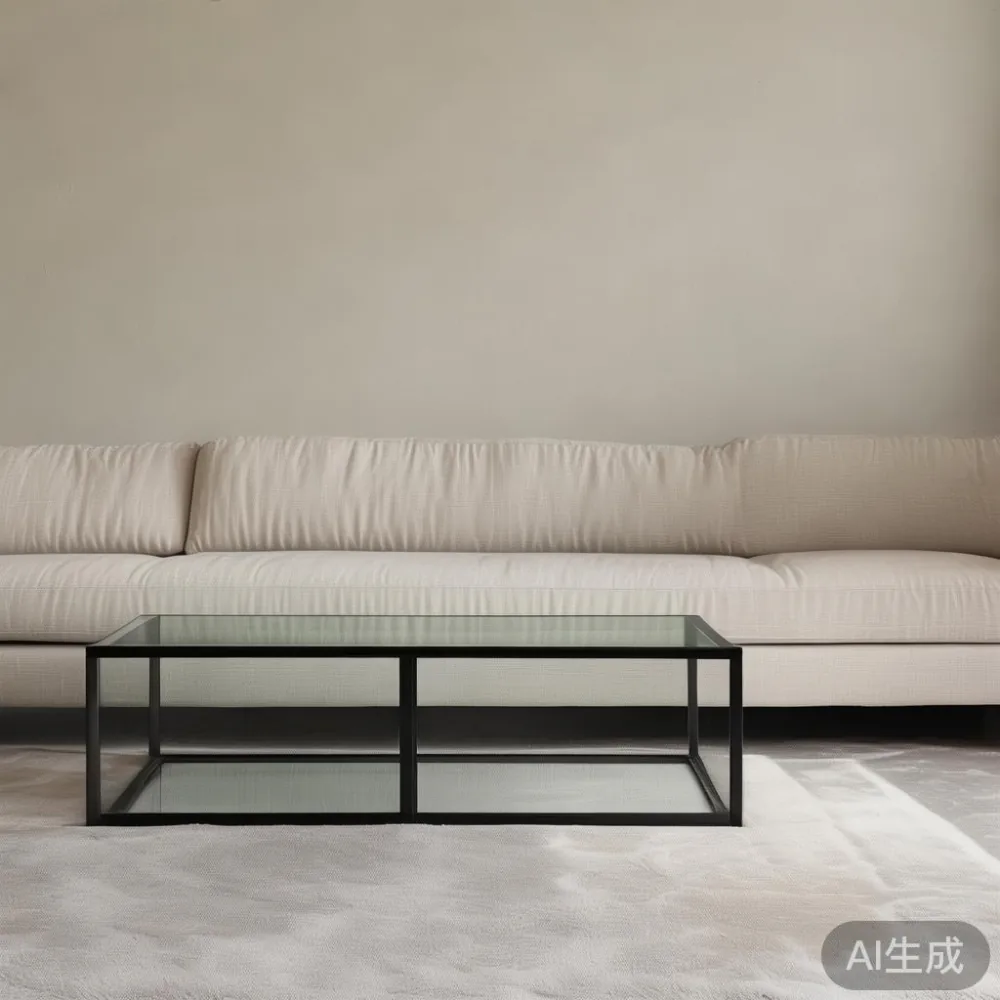
This comparison uses realistic Singapore figures in SGD, including an illustrative 9% GST. It is intended for HDB flats, private condos, and urban homes where lift and corridor dimensions matter. The exact long-tail phrase 2026 European light luxury furniture belongs naturally in current showroom discussions, but its price label does not decide how a piece performs over 60 months.
The figures below are planning estimates rather than quotations. Actual costs vary with timber species, thickness, finish, access conditions, and the maker’s production schedule.
What is the real 5-year cost of veneer and solid wood?
The fair question is not whether veneer or solid wood costs less at checkout. It is which option delivers more usable years for each dollar spent once the table is installed. I treat the first purchase price, delivery, consumables, repairs, refinishing, and resale value over a 60-month period.
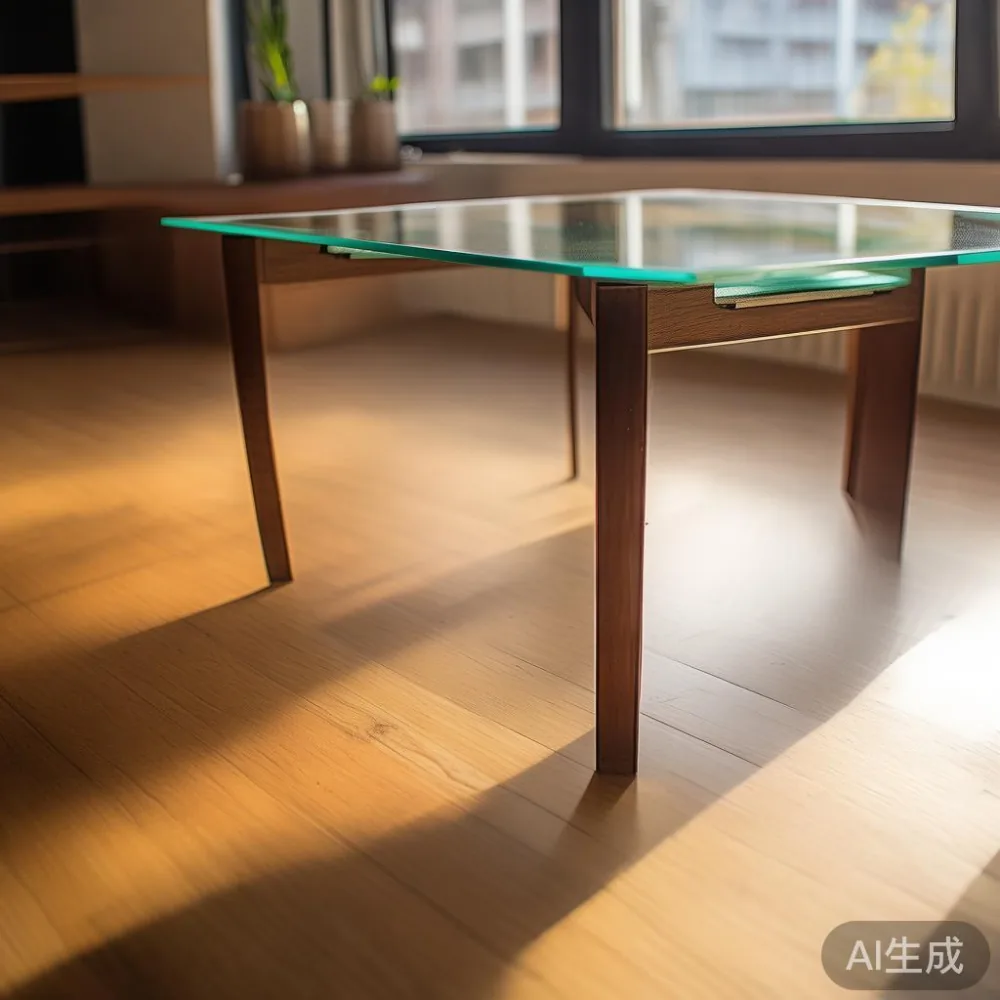
For the worked example, I selected a 180 cm dining table. A realistic engineered-wood veneer version with an MDF or plywood core might cost SGD 1,480 before GST and SGD 1,613 after GST. A comparable solid oak dining table might cost SGD 3,280 before GST and SGD 3,575 after GST. The cash difference is SGD 1,962. That sounds substantial until a 2 cm veneer edge is exposed to daily use in a family home.
Over 5 years, I allow SGD 220 for veneer care and repair, including one edge treatment and several replacement fittings. The solid-wood allowance is SGD 90 for minor fixes and one oil or wax refresh. I also use a conservative residual value of 15% for the veneer table and 35% for the solid-wood table. These percentages are assumptions, not guarantees.
| 5-year item | Veneer table | Solid-wood table |
|---|---|---|
| Purchase before GST | SGD 1,480 | SGD 3,280 |
| GST at 9% | SGD 133 | SGD 295 |
| Delivery and installation | SGD 120 | SGD 180 |
| Consumables and repairs | SGD 220 | SGD 90 |
| Refinishing provision | SGD 0 | SGD 90 |
| Estimated value after 60 months | SGD 242 | SGD 1,281 |
| Net cost over 5 years | SGD 2,044 | SGD 2,949 |
On these assumptions, veneer costs SGD 2,044 and solid wood costs SGD 2,949 over 5 years. Solid wood is SGD 905 more expensive, but the gap is much narrower than the SGD 1,962 purchase difference. Put differently, the solid-wood table costs about SGD 181 per year over 60 months, while the veneer table costs about SGD 341 per year. If the edge lifts and cannot be repaired convincingly, the veneer result changes quickly.
How do construction and finishes change the numbers?
Veneer is a real layer of timber, usually about 0.6 mm to 1.2 mm thick, bonded to a manufactured core. Its visual consistency can suit a French light luxury interior, especially when paired with cream upholstery, slim brass details, and restrained veining. Solid wood is not automatically better because it says “wood.” Particleboard, MDF, plywood, finger-jointed timber, and laminated solid timber have different strengths and repair outcomes.
For a dining table, a 25 mm to 40 mm solid-wood top with a stable frame will normally tolerate heat and movement better than a similarly thin veneered top. I also consider whether the dining table has an extension leaf. A 60 cm extension stored in a HDB flat can force awkward handling through a 90 cm lift door; a 45 cm leaf may be easier to manage. Solid timber may be heavier, with a 180 cm table weighing 55 kg to 75 kg, compared with 38 kg to 50 kg for many veneer models.
Finish matters as much as substrate. Water-based matte lacquer can make a quality veneer table easier to wipe and can make a solid-wood table harder to refinish. Hardwax oil gives solid wood a tactile appearance but needs care around hot dishes and wet glasses. For glass furniture, a solid-wood base can ground a transparent top without visually crowding it. The same glass top may weigh 28 kg, so the complete dining table can exceed 70 kg. Protection film, corner guards, and a 2-person carry should be included in the delivery plan.
What does veneer cost per year in Singapore?
At a modest purchase price, veneer can be financially attractive. An SGD 880 dining table before GST, or SGD 959 after GST, may be appropriate for a rental unit or a child’s study. If it survives 5 years with no edge lifting, its 60-month cost can remain below SGD 1,100 including delivery and SGD 140 of care. That is a reasonable use of money. The poor outcome is not veneer itself; it is paying almost solid-wood prices for an inadequately backed construction with no repair plan.
Solid wood also does not guarantee permanence. Teak and properly seasoned hardwoods handle humidity better than some softer species, but every solid-wood dining table needs coasters, placemats, controlled indoor humidity, and prompt wiping of spills. HDB bedrooms can reach 70% relative humidity during wet periods, while air-conditioned condos may sit below 60%. No dining table should sit directly against a condensation-prone window.
How should a solid wood sofa, bed frame, wardrobe, and nightstand be costed?
The dining table is only one member of a coordinated home. A MIDHILL sofa with solid-wood legs may use less timber than the visible seat frame, so its material cost depends on frame design as well as species. A 210 cm sofa may weigh 70 kg to 95 kg. A 3-seat sofa in engineered wood with veneered outer panels might cost SGD 1,980 before GST and SGD 2,158 after GST, against SGD 3,480 before GST and SGD 3,793 after GST for a more substantial timber frame.
Upholstery replacement can dominate the 5-year budget. If a fabric sofa is reupholstered once for SGD 550, the initial material advantage of veneer may disappear. By contrast, a solid-wood bed frame or wardrobe can often be sanded and refinished without replacing the structure. This is why the same percentage cannot be applied to every category.
For a 160 cm queen bed frame, assume SGD 1,250 before GST for a good veneered model and SGD 2,450 before GST for solid wood. After GST, those become SGD 1,363 and SGD 2,671. Delivery through a condo corridor may add SGD 90 to SGD 160 because the packed frame can reach 190 cm in length and 45 kg in weight. A solid-wood wardrobe is a different proposition: a 150 cm-wide, 210 cm-high unit can weigh 100 kg to 140 kg, so professional carrying and a narrow trolley are likely.
When buyers ask is French provincial wardrobe worth it, I focus on usable internal dimensions and repairability, not carved ornament alone. French provincial styling can work in a Bedok condo if the wardrobe depth is 58 cm rather than 65 cm, leaving a practical circulation gap. A 120 cm-wide unit may hold about 1.8 m of hanging rail; 150 cm may hold 2.25 m. Those figures vary with rails, shelves, and drawer boxes.
The question how to style French bed in apartment is equally practical. A 160 cm French bed in a 300 cm-wide Tampines bedroom needs 70 cm on each side for the frame and walking clearance. If the mattress and headboard add 25 cm, an open pathway near the lift or corridor still needs approximately 90 cm. A solid-wood bed frame can be lighter than a fully carved version; a 160 cm frame may weigh 35 kg to 55 kg.
For those comparing European bed vs Modern bed, the cost difference should be linked to function. A modern platform bed may save 20 cm to 35 cm of floor space, but it can be harder to dismantle when a lift is unavailable. A traditional European-style headboard may need a higher wall clearance. For a nightstand, a 45 cm-wide solid-wood model might cost SGD 320 before GST and SGD 349 after GST, with 20 kg to 26 kg weight. Veneer versions can fall between SGD 180 and SGD 260 after GST.
What does a marble table add to the 5-year total?
A marble table is neither veneer nor solid wood, but it is relevant to glass furniture because both materials are used around delicate tops and frames. A 120 cm round marble dining table can weigh 65 kg to 90 kg. Natural marble varies in thickness and reinforcement, so the number should be confirmed by the supplier. A 12 mm top needs a properly engineered support frame; a thinner appearance does not automatically mean a lighter product.
Marble care costs differ from timber care. pH-neutral stone cleaner and coasters may consume SGD 80 to SGD 150 over 5 years. A matched stone table may cost SGD 2,880 before GST and SGD 3,139 after GST. A glass dining table of the same general size might cost SGD 1,980 before GST and SGD 2,158 after GST, with a 40 kg to 55 kg weight. Glass needs more frequent cleaning because water marks, fingerprints, and hard-water deposits become visible.
For a Singapore buyer, access is a financial line. A lift door of 90 cm by 210 cm may accept a disassembled glass table, while a 65 kg marble top may require the service lift. A corridor turn of 120 cm can still defeat a long packaged component even when it fits through the entrance. Add SGD 120 to SGD 300 for a second crew member or stair carry. In some HDB moves, using the service lift requires a booking or a move permit, which can add an administration cost of SGD 20 to SGD 60.
Buyer guides for wholesale French provincial furniture often focus on unit price. I would instead request the packed dimensions for every panel, the glass thickness, the timber moisture target, the finish schedule, and the delivery exclusions. A lower quote with a 65 kg packed marble top may cost more if the building cannot accept the handling method.
Is French light luxury compatible with Singapore interiors?
French light luxury can feel appropriate in a Punggol condo when it uses pale timber, woven textiles, off-white walls, and black or bronze accents without filling every room with carved furniture. French provincial styling may suit a larger Bedok family flat, while an American light luxury direction can suit a compact Tampines home through clean profiles and pale oak. Post-modern light luxury can work when a marble table combines with simple solid-wood seating.
The restrained approach is useful because a glass dining table visually expands a 280 cm dining zone, while a solid-wood wardrobe anchors a 320 cm bedroom wall. Keep the glass furniture within 30 cm of the room perimeter to preserve clear walking routes. Use a 90 cm minimum gap between dining chairs and a wall when occupied, and allow at least 60 cm between a bed and a wardrobe door in a compact HDB bedroom.
Budget also includes lighting. A marble or glass dining table may need 3 pendants, 2700 K to 3000 K, and dimmable output around 500 lux over the surface. A complete lighting setup may cost SGD 240 to SGD 600 before GST. Hardwood flooring or stone tiles can add glare, so the fixture and table finish should be checked together in the evening.
Last month I visited a Singapore showroom and handled the same dining model in veneer and solid oak. The veneer panel was visually convincing, but the sample’s 8 mm edge band could not hide its construction once lifted. The solid-oak top was heavier and showed tool marks around an under-table joint. That did not make it faultless; it showed why I would inspect the actual joint, finish, and underside before paying.
What should I include in a Singapore furniture quotation?
Ask for 8 specific figures: purchase price before GST, GST at 9%, packed dimensions, product weight, delivery charge, installation charge, 5-year consumable budget, and expected delivery time. For a standard Singapore address, allow 7 to 14 delivery days after production confirmation. Peak move periods and custom glass orders can extend this to 21 to 35 days.
For installation, confirm whether the crew carries the package through the lobby, lift, and corridor, or only to the doorstep. Check the lift capacity against the loaded trolley weight. The usual service lift capacity is 1,000 kg to 1,500 kg, but a heavy marble table still needs a level route and safe floor protection.
For the long-term calculation, use this 60-month worksheet:
- Opening invoice after GST: SGD 959 to SGD 3,793.
- Delivery and access: SGD 90 to SGD 300.
- Cleaning and consumables: SGD 60 to SGD 180 for wood; SGD 80 to SGD 150 for marble; SGD 90 to SGD 160 for glass.
- Repair allowance: SGD 0 to SGD 550 depending on construction.
- Refinishing reserve: SGD 0 for non-refinishable veneer; SGD 90 to SGD 240 for solid wood over 60 months.
- Residual value: 10% to 15% for common veneer and 30% to 40% for well-maintained solid wood.
MIDHILL’s 10-year structural warranty can reduce uncertainty around frame failure, and its lifetime refinishing policy is relevant for qualifying solid-wood products. Confirm the written coverage for timber movement, joints, finish exclusions, and access damage. The company was established in 2008 and exports to more than 15 countries, which is useful evidence of manufacturing experience but does not replace a local service inspection.
For orders above US$350, MIDHILL offers free shipping, although the currency basis should be checked at checkout. Its 14-day returns policy may also require the item to be unused, in its original packaging, with return transport arranged according to the seller’s procedure. Singapore buyers should confirm whether an international order can be returned locally and how the freight charge is treated.
Which option gives Singapore homeowners the better 5-year result?
Veneer can be the sensible choice for a low-use surface, a rental property, a compact study, or a dining table whose edges will remain protected. Look for a full wood edge, a stable core, recessed hardware, replaceable legs, and a finish that can be maintained without exposing the substrate. For a 160 cm bed frame, a 180 cm dining table, and a 150 cm wardrobe, a budget of SGD 3,000 after GST can still produce a coordinated veneer room.
Solid wood is usually easier to justify for a high-use dining table, a wardrobe expected to remain for 10 years, a nightstand beside a bed, and the timber frame of a solid wood sofa. It offers a clearer repair route if timber can be sanded and refinished. The higher opening price partly pays for that future flexibility.
For glass furniture, do not compare only the visible timber. A solid-wood base may support a 12 mm glass top more predictably than a thin decorative frame, while the glass itself needs careful delivery. Measure the lift door, corridor turns, stair width, and turning radius before ordering. The material decision is successful when the furniture fits the home and remains serviceable for at least 60 months.
The most useful rule is simple: choose veneer when its construction and maintenance plan fit the room; choose solid wood when the purchase supports years of repair and refinishing. In both cases, the cheapest checkout price is only one line in a 5-year cost comparison.