Caring for Lacquered Surfaces in a Tropical Climate: A Singapore Homeowner's Guide
Singapore's vibrant cityscape, from the high-rise condos of Tampines to the modern HDB flats in Punggol, presents a unique environment for homeowners. The air is thick with the energy of a tropical metropolis, but it also carries a constant companion: humidity. For those who appreciate the clean lines and reflective beauty of furniture, this humidity can pose a significant challenge. The gleaming surface of a lacquered piece, whether it's a dining table with a marble top or a sleek glass coffee table, is a statement of modern light luxury for dining room aesthetics, but it requires specific care to maintain its flawless appearance in our climate.
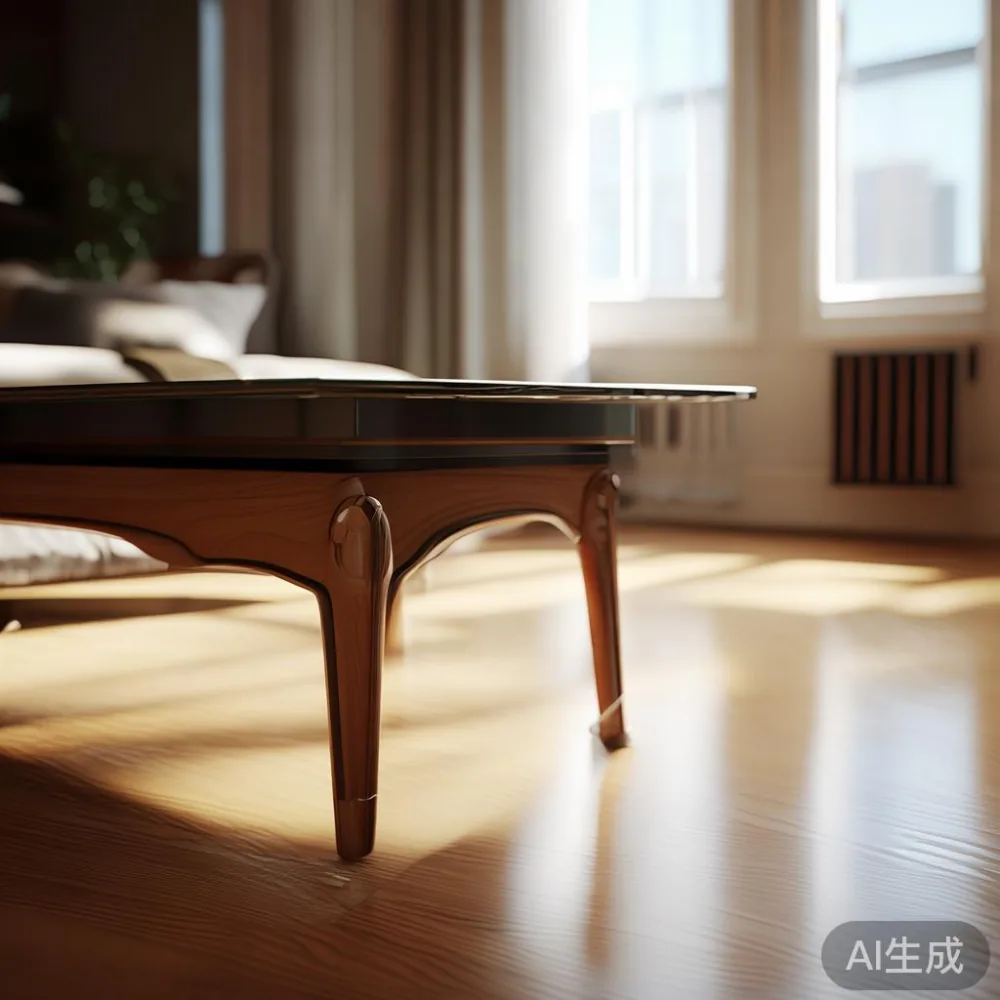
Last month, I visited a client in a Bedok condominium. She had recently invested in a stunning solid wood dining table with a thick, high-gloss lacquer finish. The piece was breathtaking, but she was visibly concerned. 'How do I keep it from looking cloudy or getting water stains?' she asked, pointing to a small, faint mark near the edge. Her concern is shared by many. The combination of daily use, air-conditioning cycles, and the ever-present moisture in the air can test even the most durable finishes. This guide will walk you through the practical steps to protect and preserve your lacquered surfaces, ensuring they remain a centrepiece of your home for years to come.
Understanding Your Lacquered Finish
Before we discuss care, it's important to understand what a lacquered surface is. Lacquer is a durable, high-gloss finish applied over wood or, in the case of many modern pieces, a composite material. It creates a hard, protective layer that is resistant to scratches and stains. This finish is what gives furniture that signature mirror-like shine, making it a popular choice for those seeking designer Italian light luxury furniture. However, this very hardness and glossiness can make it susceptible to damage from specific environmental factors prevalent in Singapore.
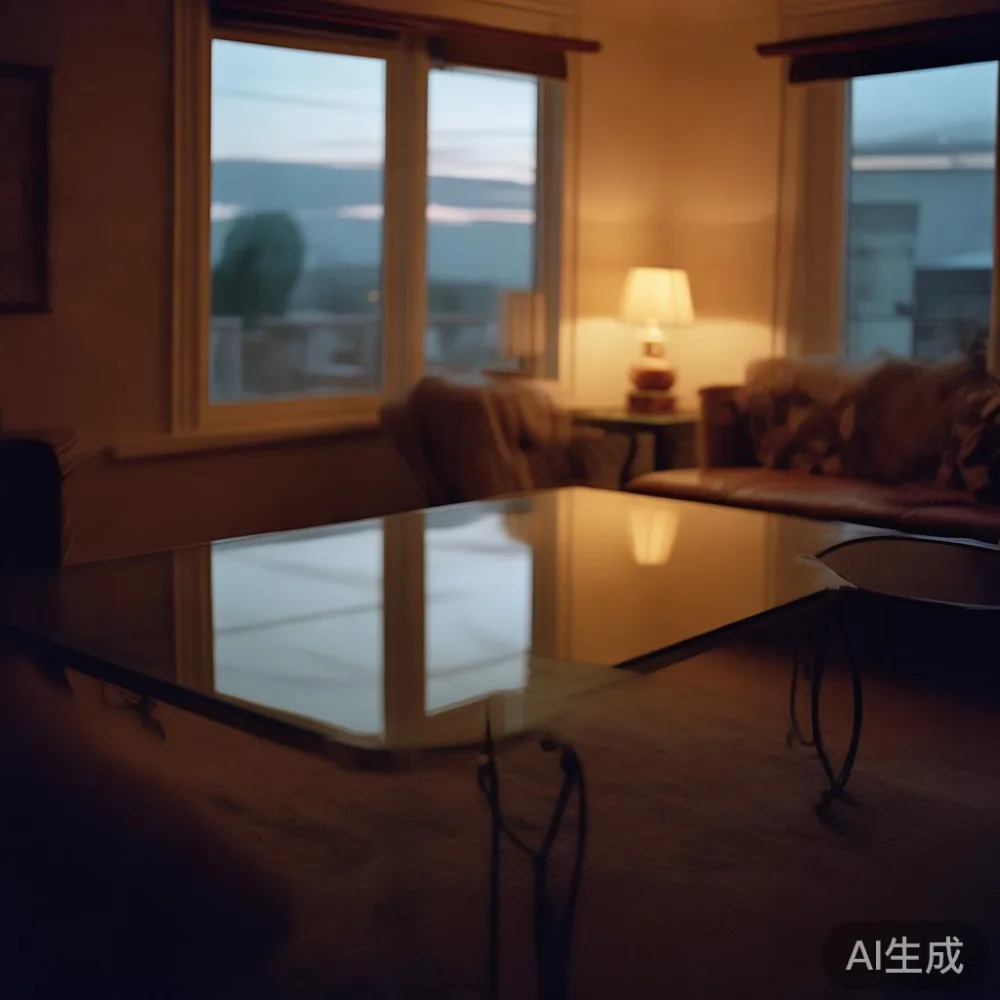
The primary enemies of lacquer in a tropical climate are extreme fluctuations in humidity and temperature. When you turn on your air-conditioner in a living room that has been exposed to the ambient heat, the rapid drop in temperature can cause condensation to form on the cooler surface of the furniture. This moisture, if not wiped away, can seep into the microscopic pores of the lacquer, leading to a white, cloudy appearance known as 'blushing.' Similarly, placing a cold glass or a bottle directly on the surface can leave a ring mark as the moisture trapped underneath evaporates unevenly.
Daily and Weekly Care Routine for Your Lacquered Furniture
Maintaining the brilliance of your lacquered glass furniture doesn't require an arsenal of expensive chemicals. A simple, consistent routine is your most effective tool. For daily upkeep, a soft, lint-free microfiber cloth is your best friend. A quick wipe-down with a dry cloth removes dust particles that can act like fine sandpaper, scratching the surface over time. This should be done at least every other day, or more frequently if you have pets or live in a high-traffic area like a condo corridor.
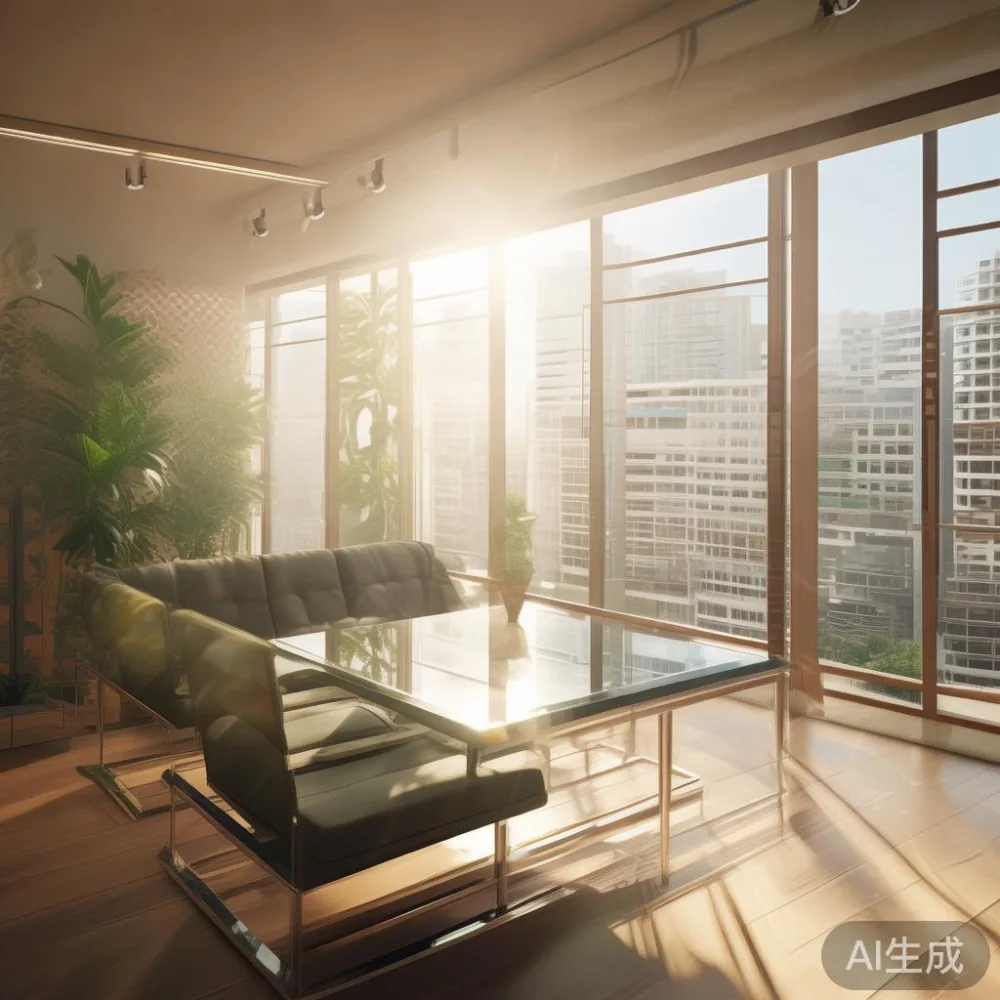
For a deeper weekly clean, use a damp cloth—never a wet one. The cloth should be barely damp, wrung out thoroughly. Wipe the surface in a smooth, even motion, following the grain if it's a wood piece. After wiping, immediately follow up with a dry microfiber cloth to buff the surface to a perfect shine. This two-step process removes any light smudges or fingerprints without leaving behind moisture. Avoid all-purpose household sprays, as many contain silicone or other chemicals that can build up on the lacquer, creating a dull film over time.
For specific items like a nightstand or a wardrobe, the care is similar. A quick dusting prevents accumulation. If you have a Japandi wardrobe worth its minimalist design, you'll want to be especially careful with the handles, ensuring no moisture is trapped in the crevices after cleaning. The goal is gentle maintenance, preventing the need for intensive restoration.
How to Handle Spills and Stubborn Marks
Accidents happen. A glass of red wine, a drop of coffee, or a splash of soup can find its way onto your beautiful dining table. The key to dealing with a spill on a lacquered surface is speed and gentleness. As soon as a spill occurs, grab a soft, absorbent cloth and gently blot the area. Do not rub, as this can spread the stain and push it into the finish. Blotting lifts the liquid away from the surface.
For stubborn, dried-on marks, a slightly more targeted approach is needed. Dampen a corner of your microfiber cloth with a mixture of 90% water and 10% isopropyl alcohol. Isopropyl alcohol is a mild solvent that can break down some sticky residues without damaging the lacquer, but it must be used sparingly. Apply it to the cloth, not directly onto the furniture, and gently rub the affected area in a small, circular motion. Immediately wipe the area with a clean, damp cloth to remove any residue, then buff dry. This method is effective for marks from things like food or sticky beverages.
For water spots, the solution can be surprisingly simple. Sometimes, a simple buffing with a dry, soft cloth can remove a faint mark caused by condensation. For more persistent water rings, you can try applying a small amount of non-gel toothpaste to a soft cloth and gently buffing the spot. The mild abrasives in the toothpaste can sometimes level out the slight unevenness in the finish. Always test this method on an inconspicuous area, like the underside of a table leaf or the back of a nightstand, first.
Protecting Your Furniture from Singapore's Unique Environment
Beyond cleaning, preventative measures are important for long-term preservation. The most significant environmental factor in Singapore is humidity. In HDB flats and condos, where air-conditioning is a constant, managing the micro-climate around your furniture is important. Avoid placing your glass furniture directly in front of or underneath an air-conditioning vent. The direct, cold blast of air can cause the temperature of the surface to drop rapidly, leading to condensation and potential blushing.
Positioning is also key. Keep your furniture at least 30 cm away from windows and doors that are frequently opened to the outside. This buffer zone helps shield the piece from sudden bursts of humid outdoor air. Using a dehumidifier in the room, especially during the wetter months from November to January, can help maintain a more stable humidity level, protecting your investment. For a solid wood sofa or bed frame, stable humidity prevents the wood from expanding and contracting too much, which can stress the lacquer finish.
For placement, consider the practicalities of Singaporean living. The standard lift width in most HDB blocks and condos is approximately 110 cm x 110 cm. Ensure your furniture can fit through this space during delivery and when moving house. For larger pieces like a dining table or wardrobe, measure your corridor and lift carefully. A marble table, for instance, is extremely heavy and fragile, requiring careful handling and precise measurements to work through tight spaces. Always confirm the dimensions with your supplier before purchase.
When is Professional Refinishing Necessary?
Despite your best efforts, there may come a time when a professional touch is needed. Deep scratches, heavy clouding, or widespread dulling are signs that the protective lacquer layer has been compromised. This is where the quality of your furniture's construction becomes apparent. A brand like MIDHILL, for instance, offers a lifetime refinishing service, which is a proof of their confidence in their products. This means that even if the surface is damaged, it can be restored to its original condition by a professional, rather than being replaced.
Refinishing is a process where the old, damaged lacquer is carefully stripped away, and the surface is sanded, repaired, and then multiple new coats of lacquer are applied and cured. It's a detailed job that should be left to experts. Attempting to refinish a piece yourself is likely to result in an uneven, bubbled, or discoloured finish. If you notice significant damage, it's best to contact the manufacturer or a professional furniture restoration service. For a piece like a wardrobe, which has a large surface area, refinishing can bring it back to life, making it look as good as new.
Remember, prevention is always better than cure. By following a regular care routine and taking simple preventative steps, you can significantly extend the life and beauty of your lacquered furniture. The goal is to enjoy the reflective elegance and clean lines of your pieces for as long as possible, ensuring they remain a source of pride in your home.
Is Japandi wardrobe worth it for a humid Singapore home?
This is a question many homeowners grapple with when trying to balance aesthetics with practicality. The Japandi style, with its emphasis on natural materials, clean lines, and minimalist form, is incredibly popular. However, the use of natural wood in a wardrobe, like a solid oak or teak piece, requires careful consideration in Singapore's climate. The answer lies in the quality of the construction and finishing. A well-made Japandi wardrobe worth its price will feature a high-quality, multi-layered lacquer or varnish finish specifically designed to resist humidity. This finish seals the wood, preventing it from absorbing excess moisture which can lead to warping or mould. While a cheaper, poorly finished piece might suffer, a high-quality Japandi wardrobe can be a durable and stylish addition to your home, provided you care for it by maintaining a stable room environment and wiping away any condensation promptly.
When considering a large investment like a wardrobe, it's also wise to factor in the total cost of ownership. This includes not just the purchase price but also potential maintenance. Opting for luxury European light luxury furniture often means you're paying for superior craftsmanship and more durable finishes that are better suited to challenging environments. While the initial outlay might be higher, the longevity and reduced need for repairs can make it a more economical choice in the long run. For those on a tighter budget, there are options for cheap Modern light luxury furniture, but it's important to scrutinise the materials and finish quality to ensure it can withstand our local conditions.
Ultimately, the decision comes down to personal style and commitment to care. If you love the Japandi aesthetic and are willing to perform the necessary maintenance, a high-quality piece can be a beautiful and functional part of your home. Just be sure to choose a reputable brand that stands behind its product with a solid warranty. For instance, a company with a 10-year structural warranty and a lifetime refinishing policy offers significant peace of mind, assuring you that your investment is protected. You can always reach them at +86 188 2788 2512 to discuss their products and care services.
Choosing the Right Lacquered Furniture for Your Singapore Home
When selecting new furniture, thinking ahead about care and maintenance can save you a lot of trouble. If you're in the market for a new bed, consider the best European bed for 2026 not just for its design but for its practical features. A bed frame with a lacquered finish should have smooth, rounded edges and a smooth surface that is easy to wipe down. Avoid pieces with intricate carvings or lots of nooks and crannies where dust and moisture can accumulate. For a dining table, a marble top paired with a lacquered wood base offers a stunning contrast. The marble is naturally resistant to heat and stains, while the lacquered base provides that sleek, modern look. Just be sure to use coasters under glasses and placemats to protect both surfaces.
For storage solutions, a wardrobe with a sliding door can be a practical choice for smaller Singaporean apartments. Sliding doors eliminate the need for a clearance area in front of the wardrobe, which is a significant advantage in bedrooms with limited space. Ensure the tracks are made of a durable material like stainless steel to prevent rust in our humid climate. A good wardrobe should also have interior features like adjustable shelves and hanging rods to maximise your storage efficiency. The internal materials should also be finished to prevent moisture damage to your clothes.
Finally, consider the logistics. Purchasing furniture online or from a showroom involves delivery. In Singapore, free shipping is often offered for orders above a certain value, for example, over SGD 1,500. This can be a significant saving. Always confirm the delivery details, including the estimated number of days, which can range from 3 to 14 business days depending on the item and your location in Singapore. For heavy or bulky items like a marble table, delivery might require special arrangements, so it's important to clarify this with the seller beforehand. A smooth delivery process ensures your new piece arrives in perfect condition, ready to be enjoyed.