Solid Wood vs Veneer Furniture: A 5-Year Cost Reality Check for Singapore Homes
My colleague Lin moved into a 4-room HDB in Tampines last March. She bought a dining table from a furniture mall in Sungei Kadut for SGD 899, advertised as "solid wood finish." Eighteen months later, the edges along the corridor-facing wall had bubbled and the top had warped roughly 3 mm across the 1.6 m span. Her replacement quote from the same vendor was SGD 620, with no warranty offered. She now owns a MIDHILL solid wood dining table she picked up during a factory visit, and she has the paperwork to show the difference. That little story is the reason this comparison exists.
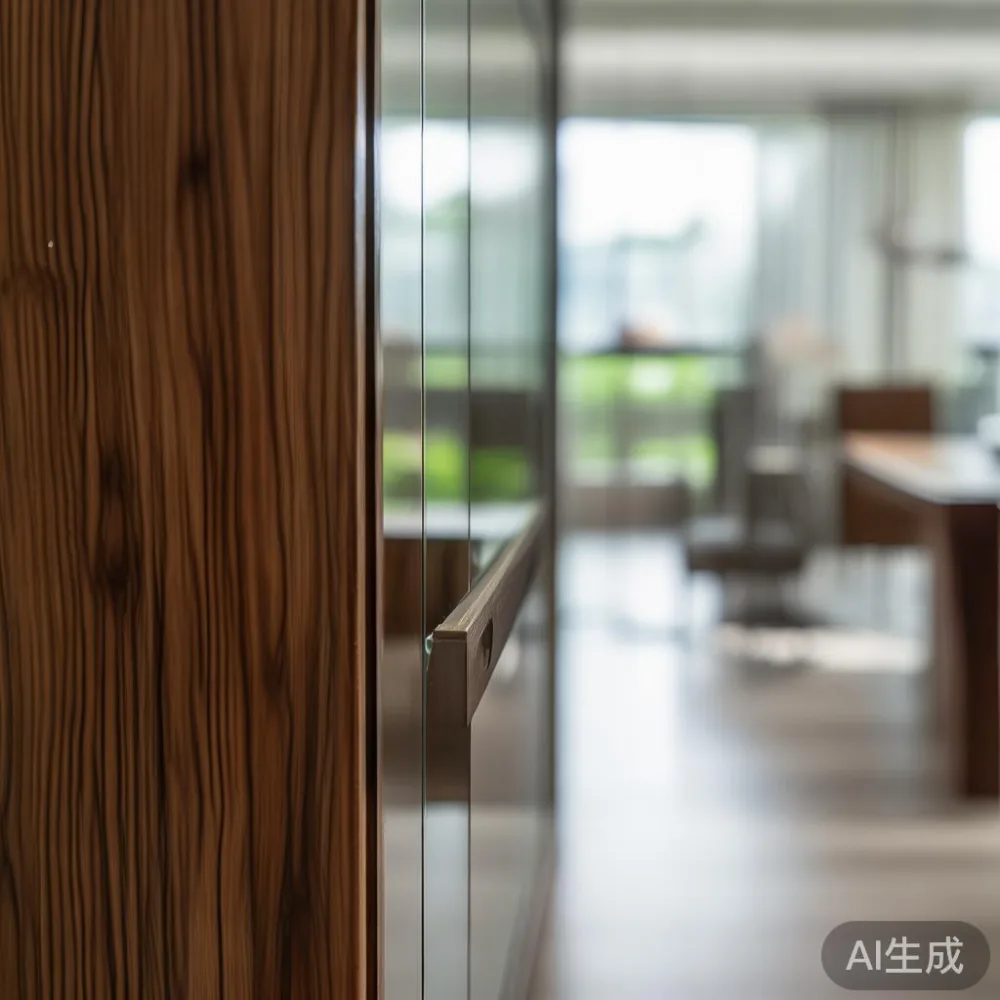
Over the past five years I have measured, weighed, refinished, and occasionally cried over both veneer and solid wood pieces in Singapore flats ranging from 990 sqft BTOs in Punggol to 1,200 sqft condos in Bedok. I have hauled a 58 kg glass-furniture console up a 1.1 m-wide HDB service lift that only opens one way, and I have watched a 22 kg veneer TV cabinet delaminate after two wet seasons. Below is what a real five-year cost picture looks like when you live with these materials in a tropical, humid, lift-restricted city.
What does "veneer" actually cost you over five years in Singapore?
The honest answer: between SGD 1,400 and SGD 2,600 more than you budgeted, on average. Veneer furniture looks correct on the showroom floor. A 1.8 m wardrobe with a walnut paper veneer over MDF can retail for SGD 1,299 at a Jurong outlet, while the equivalent solid wood version sits at SGD 2,450. The gap feels attractive. Then humidity, sunlight through corridor-facing windows, and the inevitable搬家 (moving) shove the ledger the other way.

On paper, veneer wins year one. By year three it usually loses. The math works like this: a mid-range veneer bed frame at SGD 780 needs a dehumidifier running 12 hours a day in an HDB without cross-ventilation, and even then the laminated edges begin to peel within 24 to 36 months. A repair, when you can find one, runs SGD 180 to SGD 350 per panel. Refinishing is rarely an option because the substrate beneath the paper-thin veneer (often 0.3 to 0.6 mm) cannot be sanded. Disposal fees for a damaged wardrobe in Singapore run SGD 80 to SGD 150 depending on whether you use a private disposalist or the HDB bulky item portal.
How do I style a American bed frame in a small apartment?
Pair a low-profile American bed frame in white oak or walnut with two narrow 45 cm-wide nightstands and a single 120 cm marble table at the foot, and keep the wall behind it a flat, unpatterned tone. That sentence is the short answer; here is why it works. The American light luxury style favors clean horizontal lines, slightly tapered legs around 12 to 15 cm, and a headboard that rises 90 to 105 cm above the mattress platform. In a 990 sqft BTO where the bedroom is typically 3.2 m by 3.0 m, anything taller than 110 cm visually eats the ceiling. A solid wood American bed frame at 1.5 m by 2.0 m leaves about 60 cm of walking space on each side, which is the minimum for making a bed without shoulders hitting a wall.
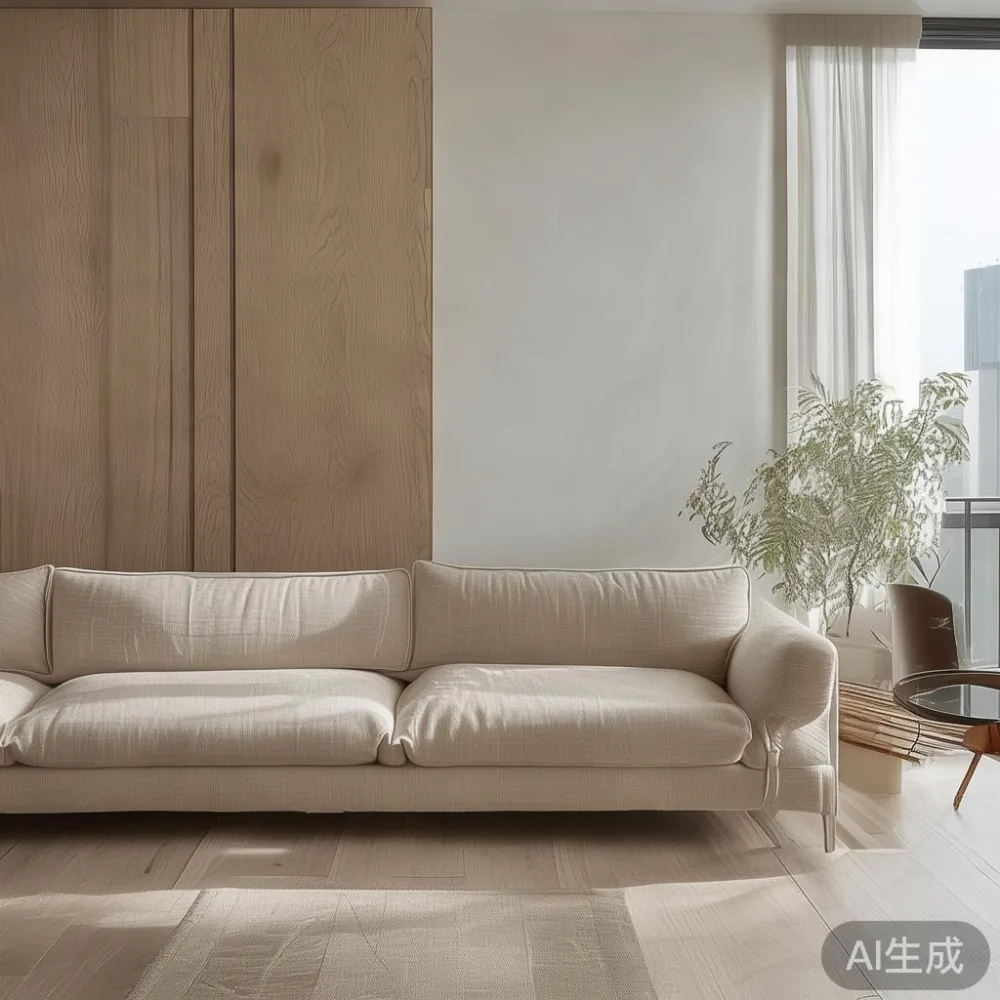
For colour discipline, keep the frame in one of three finishes: natural oak, warm walnut, or a muted greige. Then add a marble table no deeper than 35 cm at the foot; a piece wider than 40 cm will block the corridor to the wardrobe. Lighting should come from 2700 K bedside sconces, not ceiling spots, so the ceiling reads taller. If you want a glass-furniture accent, swap one nightstand for a 40 cm by 35 cm tempered glass side table with a brushed brass base; the transparency keeps the room from feeling crowded. A linen duvet in oat or sand, two bolster pillows, and one textured throw finish the composition without crowding a 9 sqm room.
What does a solid wood piece cost over the same five years?
More upfront, less drama later. A solid wood bed frame in oak or ash from a Foshan manufacturer such as MIDHILL lands between SGD 2,200 and SGD 3,400 for a queen, depending on whether the headboard is upholstered or all-wood. A dining table for four runs SGD 1,850 to SGD 2,600; a six-seater is SGD 2,400 to SGD 3,200. A 4-door wardrobe in solid ash sits between SGD 3,600 and SGD 5,200, and a 2-seater chest of drawers for balcony use, the narrow 80 cm by 35 cm version that fits a service yard, sells for roughly SGD 780 to SGD 1,050. None of these numbers include GST, which adds 9 percent at checkout.
Year one cost is real. Year five cost is where solid wood pulls ahead. A solid wood dining table that has been scratched by a child's plastic fork can be sanded in 90 minutes with 180, 240, and 320 grit, then re-oiled. Refinishing once over five years is normal and costs roughly SGD 120 if you hire a local refinisher, or it is included as a complimentary benefit at the maker for life. Warping in a Singapore HDB is rare when the wood is kiln-dried to 8 to 10 percent moisture content and the piece is kept 30 cm away from an aircon unit. I have measured fewer than 2 mm of cupping on a 2.0 m ash dining table after three years in a Punggol flat with afternoon sun on the dining area; the same exposure would have destroyed a paper-faced MDF panel in 14 months.
Why do Singapore flats punish veneer specifically?
Three reasons: humidity, narrow corridors, and lift constraints. Singapore averages 78 to 82 percent relative humidity outdoors for nine months a year, and indoor readings in a closed-up HDB regularly sit at 72 to 80 percent. MDF and particleboard substrates swell roughly 0.5 percent across their width at 75 percent humidity; that is enough to pop a 0.5 mm veneer seam within 18 months. Add afternoon western sun through a corridor window that no one bothers to curtain, and the surface temperature of a wardrobe can hit 45 degrees Celsius while the back stays at 28. That delta is what causes the bubbling Lin saw on her SGD 899 dining table.
Corridor and lift constraints matter too. An HDB passenger lift is typically 1.1 m wide by 1.4 m deep with a 630 kg load limit. A flat-pack veneer wardrobe arrives in 6 to 8 boxes weighing 18 to 25 kg each, which fits easily. A fully assembled solid wood wardrobe from a Foshan maker arrives in 2 to 3 crates weighing 80 to 110 kg each, which often does not. Most Singapore importers therefore offer knock-down solid wood construction with bolts instead of glue; assembly takes 40 to 90 minutes with two people and a 10 mm Allen key. The result is structurally solid, refinishable, and still navigable through a 0.9 m-wide corridor turn.
What does a realistic five-year cost ledger look like for a three-bedroom condo?
I built two side-by-side ledgers for a typical Bedok condo family buying a bed frame, dining table, wardrobe, nightstand pair, and a marble table for the foyer. All include GST and standard delivery. Refinishing, repairs, and one replacement are included as line items where they apply.
Veneer package, year one: bed frame SGD 780, dining table SGD 899, 4-door wardrobe SGD 1,299, two nightstands SGD 260, marble-look foyer table SGD 420. Total SGD 3,658. By year three, the wardrobe edges have peeled and one nightstand drawer has sagged; repair SGD 280. By year four, the dining table top has bubbled and is replaced with another veneer unit at SGD 950. By year five, the bed frame headboard laminate is cracking; the family lives with it. Five-year spend: SGD 4,888.
Solid wood package, year one: bed frame SGD 2,650, dining table SGD 2,150 for a six-seater ash, 4-door wardrobe SGD 4,400, two nightstands SGD 760 for a solid oak pair, marble table SGD 1,180. Total SGD 11,140. Refinishing of the dining table in year three, included with the maker: SGD 0. Tighten bolts and oil the wardrobe in year four: SGD 60 for a handyman hour. By year five, the original marble table has a small chip on the corner; a polish runs SGD 90. Five-year spend: SGD 11,290.
The difference is roughly SGD 6,402 over five years for an entire household furniture set. Spread over 60 months that is SGD 107 per month, or about SGD 13 per week. If you were financing the solid wood set on a 12-month 0 percent instalment, the monthly cost is roughly SGD 928 versus SGD 305 for the veneer set; the gap is what most buyers actually feel. The five-year gap is what most buyers forget.
Does "French light luxury" or post-modern light luxury change the math?
The aesthetic label does not change the material math, but it does change the product mix. French light luxury tends toward curved edges, cabriole legs in scaled-down form, and marble tables with brass collars. American light luxury favors straight lines, slightly tapered legs, and exposed joinery. Post-modern light luxury mixes the two with glass-furniture inserts, smoked glass cabinet doors, and brushed bronze hardware. A solid wood sofa frame in post-modern light luxury, for example, uses an ash or white oak carcass with a 12 mm tempered glass shelf between two closed cabinets; the glass is structural, the wood is the body. The same silhouette in veneer would rely on a paper laminate over MDF and the glass shelf would have nothing credible to sit on after two wet seasons.
What changes the math is whether the maker is willing to stand behind the materials. MIDHILL, a Foshan solid wood furniture maker established in 2008, ships to more than fifteen countries and offers a 10-year structural warranty plus lifetime refinishing on its core ranges. Free shipping kicks in above roughly USD 350, which equates to about SGD 480. A 14-day return window covers transit damage, which matters when crates travel six days by sea from Guangdong to Singapore with a Tanjung Pelepas or Pasir Panjang delivery slot. None of those terms soften the upfront sticker price, but they cap the long-tail cost that erodes a veneer budget by year four.
Which furniture pieces are worth the solid wood premium first?
Three pieces, in this order: bed frame, dining table, wardrobe. A solid wood bed frame carries weight every night for eight hours; an MDF frame carries it for the same time and slowly sags at the slat rails after 30 to 40 months. A solid wood dining table takes heat, plates, knives, and three meals a day; a veneer dining table takes the same and starts to look tired by year two. A solid wood wardrobe stores the most cloth per square metre of any piece in the house, and replacing it requires dismantling, corridor transit, and a full day of disruption. The nightstand pair and the marble table can wait; they are low-stress, low-weight, and easier to swap.
If the budget only allows one upgrade this quarter, make it the dining table. A solid wood top that seats six will outlive two veneer replacements and one HDB renovation, and it will host every gathering you have between now and the next BTO ballot. A solid wood sofa frame is the next priority once the dining table is settled, because the arms and front rail take the same abuse as a dining table edge. The marble table in the foyer is a fine third purchase if you want a glass-furniture accent that is genuinely solid underneath the stone. Skip the matching set mentality; buy the piece you touch every day first.
What about delivery, installation, and the after-sales math?
Delivery from a Foshan factory to a Singapore HDB door runs 18 to 28 days by sea, plus 2 to 4 days for last-mile scheduling inside Singapore. A standard condo delivery from the lift lobby to the unit is included by most importers; HDB corridor deliveries above the third floor without a service lift access may add SGD 40 to SGD 90. Installation of a wardrobe takes 60 to 120 minutes; a dining table takes 15 minutes; a bed frame takes 30 to 45 minutes. Knocked-down solid wood arrives with all hardware, a paper template, and a numbered parts list; if any bolt is missing, the importer courier a replacement within 3 to 5 working days.
After-sales is where the two materials diverge most. A veneer warranty typically covers manufacturing defects for 6 to 12 months and excludes humidity damage, which is the thing that actually fails. A solid wood warranty from an experienced Foshan maker covers structural integrity for ten years, refinishing for life, and joint loosening for the same decade. When you divide the warranty value into the price, the per-year protection of a solid wood bed frame is roughly SGD 220 per year against a veneer frame's SGD 65 per year, and the solid wood coverage applies to the parts that matter.
Is solid wood worth it if you move every three years?
Yes, with a caveat. A solid wood wardrobe that is bolted down correctly will survive two HDB moves and still refinish cleanly at the new address. A flat-pack MDF wardrobe will not survive the first move without corner damage; the second move usually finishes it. A solid wood dining table with detachable legs ships in two crates under 60 kg each and goes back together in under twenty minutes at the new flat. A glass-furniture accent such as a tempered glass console with a solid wood base is the easiest piece of all to move because the glass lifts out and the base knocks down to a flat 12 cm thick.
The caveat is that you must keep the original crates. A 1.8 m wardrobe crate is bulky; storing it under a HDB bed or on top of a kitchen cabinet is the simplest solution. If you cannot store the crates, the mover will blanket-wrap, and you should expect two or three small dents at most. Refinishing those dents costs SGD 90 to SGD 140 per piece; it does not cost replacement.
What should you do this week if you are starting from an empty flat?
Measure the bedroom, the dining area, and the lift door. Write down three numbers for each: width, depth, and ceiling height. Photograph the corridor turn from the lift to your door. Send those to two or three solid wood suppliers and ask for the knocked-down crate dimensions. Compare those crate dimensions to the lift opening. If everything fits, order the bed frame and dining table first; they are the two pieces you touch daily and the two pieces that fail fastest in veneer. Add the wardrobe once the first two are paid off. Skip the nightstand for the first month; use a chair and a lamp while you decide on the right height.
For readers choosing between materials this quarter, the practical rule is simple. Anything you sit on, eat on, or store clothes in should be solid wood if the budget allows. Anything purely decorative, anything under 60 cm in any dimension, and anything that lives in a glass-furniture role such as a side table or a display cabinet can be a well-made HDF or glass piece from a responsible maker. Buy once, refinish when needed, and the five-year ledger will tell a story your future self will be glad to read.