Lacquered Glass Furniture Care for Tropical Singapore Homes
High humidity, sudden downpours and relentless UV exposure make Singapore a demanding place for lacquered glass furniture. A cabinet with a deep, even finish can still develop haze, stickiness or fine marks when it is placed beside a window or near an air-conditioning unit. The solution is not constant scrubbing; it is a controlled routine built around moisture, heat, cleaning and gradual acclimatisation.
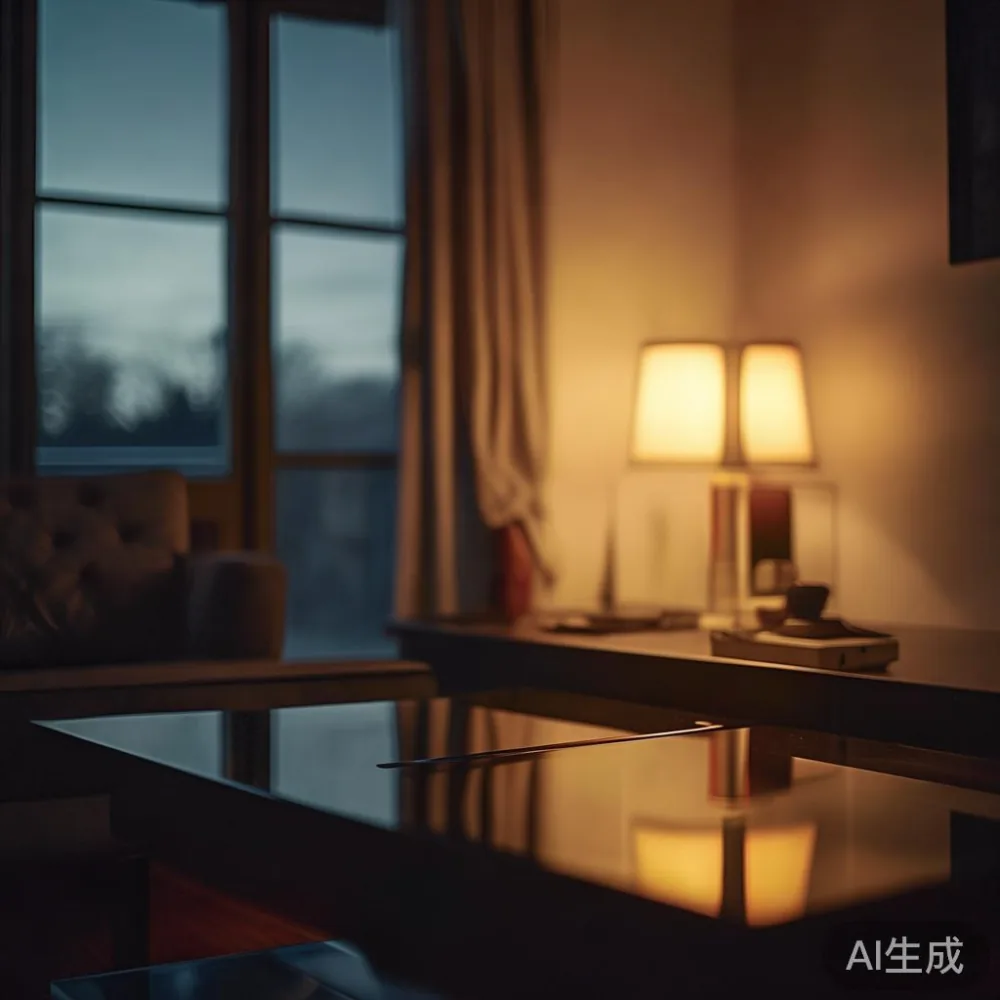
At MIDHILL, we make solid wood furniture for clients in Singapore and other international markets, with a 10-year structural warranty and lifetime refinishing support. Lacquered glass furniture combines the transparency of glass with the warmth of timber, but its protective finish needs deliberate care. The following guidance suits HDB flats, private condos and landed houses from Tampines to Bedok and Punggol.
Why does lacquered glass look dull in Singapore?
Singapore’s climate usually records relative humidity above 70% for much of the year. Lacquer is hygroscopic to some degree, so a surface that feels slightly soft or tacky can attract dust and transfer onto a cloth. The appearance can also be caused by ‘glass haze’, a faint film left by evaporated water, detergent residue or fingerprints. Under the strong daylight entering east-facing HDB windows, that film becomes much easier to notice.
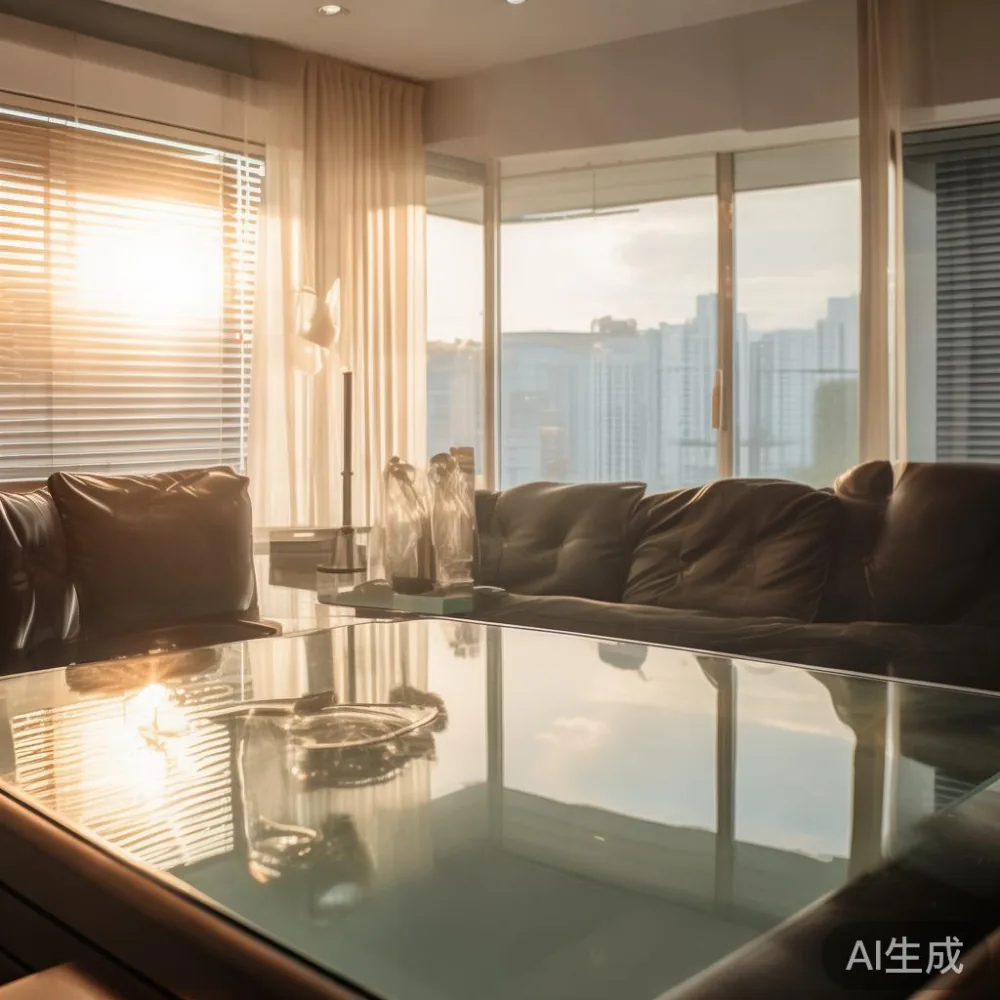
Heat is another factor. A glass-top dining table may reach 46°C when afternoon sun strikes it, while a lacquered cabinet near a balcony can sit above 38°C for hours. Repeated expansion and contraction can stress the coating around joints and routed edges. Rather than waiting for visible peeling, reduce exposure and keep the finish stable.
Use a hygrometer within 1.5 metres of the furniture. Aim for roughly 45–65% relative humidity where practical and keep the surface at least 30 cm away from an air-conditioner vent. If condensation forms on the glass, wipe it away promptly and adjust the air flow. These small actions prevent a 3-micron dust particle from becoming a visible haze.
What cleaning kit should a Singapore household keep?
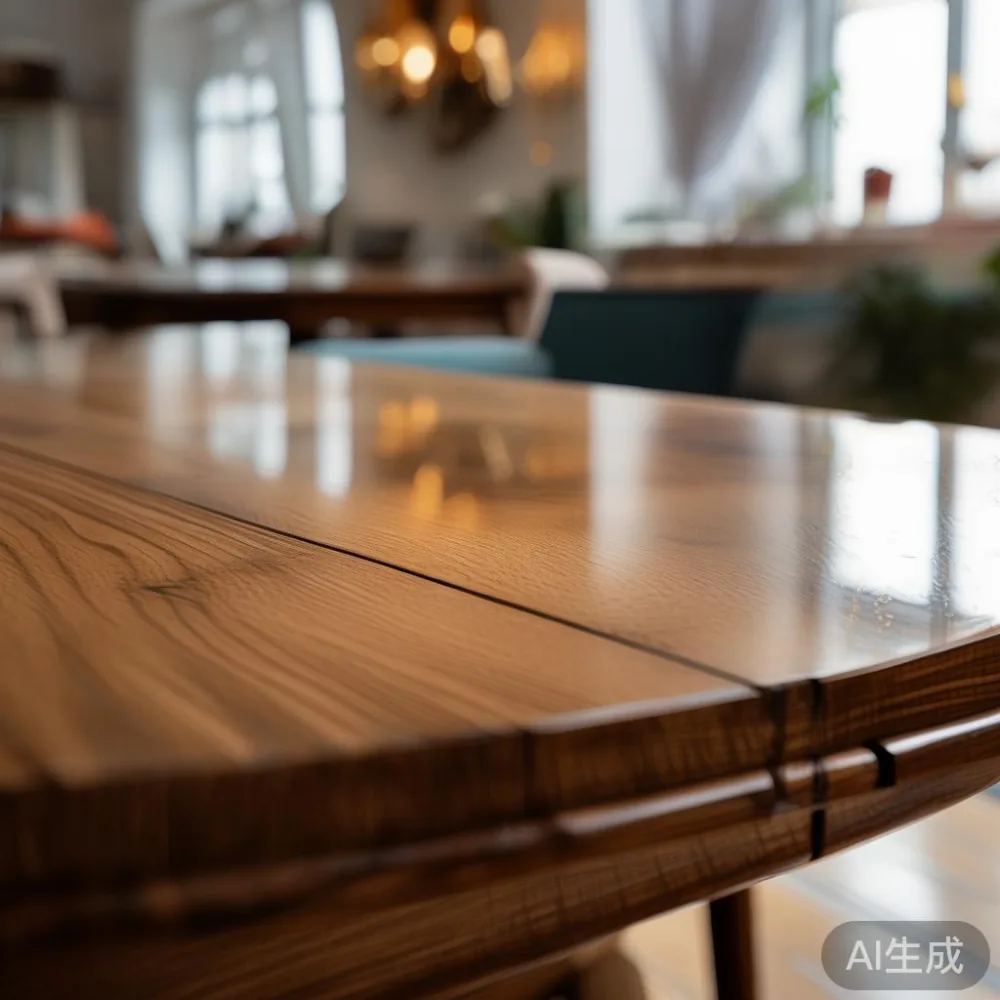
Prepare a kit with 2 soft microfibre cloths, a clean cotton pad, a small spray bottle and a pH-neutral soap suitable for lacquer. Fill the bottle with 250 ml of lukewarm water and add about 1 ml of mild detergent, or follow the product’s dilution instruction. Avoid abrasive pads, alcohol, ammonia, vinegar, concentrated bleach and household glass cleaner. Many standard glass products contain solvents or leave oily residues that interfere with lacquer.
Before cleaning the full surface, test the mixture on a hidden 5 cm square for 60 seconds. Wipe with the grain of the wood or in one uninterrupted direction. A second dry cloth removes moisture and avoids streaks. Clean glass furniture approximately every 2 weeks during the humid months, or sooner when fingerprints and dust become visible. Never spray liquid directly onto glass, timber or lacquer.
For fingerprints, lightly dampen the cotton pad and make 3 short passes over the mark. Do not rub repeatedly. If residue remains, use a little more pH-neutral solution rather than increasing pressure. Excessive friction can create a matte patch that takes several weeks to disappear.
How far should glass furniture stand from windows and balconies?
For a dining table near a window, allow at least 60 cm of horizontal separation where direct sun is possible. Use a sheer curtain or UV film with a visible light transmission of 40–60%. UV film helps, but it does not replace distance: glass blocks most visible light while allowing a significant amount of UV radiation to pass through.
In a Bedok condo with floor-to-ceiling glazing, a lacquered display cabinet can be affected even when it is not in direct sun. Position it perpendicular to the window rather than facing it, and keep at least 45 cm from the wall to allow ventilation. In a Tampines HDB flat, avoid placing glass furniture in the 30 cm zone beside a balcony door where warm, damp air pools.
Monitor temperature with an inexpensive thermometer. If the surface exceeds 32°C for more than 30 minutes, move it or close the curtains. A softwood dining table may expand by roughly 1–3 mm across its width as moisture changes. Protecting the lacquer from rapid swings also protects timber movement beneath it.
Does an air-conditioned room protect lacquer properly?
Air-conditioning lowers temperature and humidity, but only when the room doors and windows are closed and the unit can maintain a sensible setting. Set the room to about 24–26°C and 50–60% relative humidity. Do not aim a vent directly at a glass dining table, solid wood bed frame, wardrobe or nightstand. Continuous airflow can dry lacquer and timber at different rates.
If a cabinet stands beside a return vent, add a 20 cm clear gap and redirect the louvre where possible. Air circulation also matters after delivery. New lacquer should acclimatise for 48–72 hours in the room before books, ornaments or table settings are placed on it. During that period, maintain stable conditions and do not wipe the surface.
For pieces made around a glass dining table, check the underside for condensation once each evening. Lift coasters and placemats rather than sliding them across the glass. Felt or cork coasters should be at least 8 cm across for mugs and 25–30 cm for hot serving dishes. A steaming pot can raise a local surface temperature by more than 20°C in 5 minutes.
How should I move lacquered glass furniture without damaging it?
Measure the route before delivery day. HDB lift doors commonly measure about 80–90 cm wide and 200–210 cm high, although older blocks and refurbished cars can vary. Condo service lifts may provide only 100–120 cm of door width. A 160 cm dining table will need to enter vertically or with one leaf removed. Check the corridor turns, which may be tighter than the lift itself.
Glass panels should be carried upright, on edge, by 2 people rather than flat like a tray. Wear clean cotton gloves, keep panels separated by 10–15 mm of foam, and never grip a lacquered edge. The glass should remain supported along its lower edge and near the centre of mass. For a glass cabinet, empty it first and remove adjustable shelves to prevent impacts during transit.
Use a furniture dolly rated above the item’s actual weight. A lacquered glass dining table may weigh 45–75 kg, while a solid wood bed frame can weigh 60–110 kg. Never lift a loaded cabinet by its lacquered front rail. The frame can carry the load; the decorative surface may not.
After moving, let the piece stand for 24 hours before cleaning it. Compare the room temperature with the furniture temperature and wait until the difference is below 3°C. This reduces the risk of condensation forming between the glass and lacquer.
Can hot dishes and everyday meals be placed on a lacquered glass dining table?
Yes, with sensible protection. Lacquer is designed for normal use, but it is not a heatproof worktop. Place a heat-resistant mat beneath a hot pan, and use trivets rated to at least 120°C. Avoid leaving a hot vessel in one position because repeated heat can create a pale ring or soften the finish.
Spills should be removed within 5 minutes. Blot tea, coffee or red wine with a clean cloth; do not smear it over a wider area. If a residue remains, use the mild cleaning solution described earlier. Avoid sugar residue, which can become sticky and attract insects in a tropical balcony dining area.
Style matters as much as protection. A Scandinavian for dining room scheme uses pale timber, restrained forms and clean glass that suits the brightness of an HDB dining space. An Industrial for dining room interior relies on darker frames and visible material weight, so softened edges and discreet coasters keep the finish refined. For upstairs condos, a light luxury accent chair can complete a glass dining arrangement without adding visual clutter.
How do I restore minor marks without sanding the finish?
Begin by determining whether the mark is in the lacquer, on the glass or in the timber beneath it. Run a clean cotton pad over the area. A mark that disappears is probably surface residue. A fine scratch that catches a fingernail may be deeper and should be assessed before treatment.
For haze, use a barely damp microfibre cloth with 1 drop of pH-neutral detergent per 250 ml of water. Work in 10 cm sections, then dry immediately. Polish only when the lacquer is fully dry. Use a clean product approved for lacquered timber and apply less than the amount shown on the cloth; 3 gentle strokes are usually enough.
Do not use toothpaste, baking soda, steel wool or a razor blade. A 1,500-grit wet polishing system may be suitable for a very small blemish on compatible lacquer, but only after a test and with professional advice. Deep scratches, lifting edges or cloudy patches need a refinishing assessment rather than household treatment.
MIDHILL provides lifetime refinishing support for qualifying furniture, and its 10-year structural warranty covers eligible structural failures under the stated terms. Confirm the coverage, finish type and service procedure for your order, especially for a custom lacquer colour.
How should I style and protect solid wood around glass furniture?
Glass furniture often shares a room with solid wood pieces, so maintain one care standard across them. A solid wood sofa should sit at least 30 cm from a window with direct afternoon sun. For upholstery, vacuum every 7–10 days with a brush attachment and use covers that can be washed at 30°C. Keep damp bath towels away from the timber base to prevent swelling at joints.
A dining table can be paired with a mid-century solid wood sofa in an open-plan HDB living room, but leave 90 cm between the sofa and table for circulation. This width also allows a person carrying a tray to pass. In a Punggol family flat where the dining area doubles as a study, choose a nightstand with a stable lacquered top and a closed compartment for electronics to reduce dust exposure.
Wardrobes should be positioned with a 5 cm rear gap where possible. Use moisture-absorbing trays for laundry rooms, and replace them when the crystals become saturated. Improves the wardrobe 8–10 cm above tile where the manufacturer’s design allows it. This protects the lower edges from mopping water and makes insect inspection easier.
For bedroom layouts, if you are comparing how to choose Japandi sofa options for an open HDB unit, check the sofa’s depth against the remaining walkway. Leave at least 60 cm behind it, 30 cm beside it and 90 cm in the main circulation route. Those dimensions prevent daily bumping, which matters more than matching one particular style label.
Which finishes pair well with Singapore interiors?
Natural oak, walnut and warm ash soften the reflective quality of glass. French light luxury styling favours pale woods, curved profiles and balanced proportions; American light luxury tends toward broader silhouettes, darker woods and upholstered contrast. Post-modern light luxury can pair one sculptural glass dining table with simpler storage and an Italian light luxury sofa, provided the room retains a calm material palette.
Choose lacquer colours after reviewing samples under the actual lighting of the home. View them around 8 am, 1 pm and 7 pm because east, west and artificial light can shift undertones. A sample that appears neutral at midday may look yellow beside warm downlights. Keep at least 2 pieces of the same finish so small batches can be matched later.
A MIDHILL light luxury bed can add visual weight beside frameless glass furniture without making a compact bedroom feel crowded. Its timber grain and lacquer response should be checked in the room rather than judged under showroom lighting. Where a marble table is used for serving, place it on a stable surface and keep acidic liquids in covered containers; marble may etch even when the lacquer beneath remains sound.
What is the practical 14-day care routine?
For the first 14 days after delivery, inspect the lacquer daily for 2 minutes. Look for cloudy patches, tackiness, scratches and moisture at glass joints. Keep the room at 24–26°C, maintain 45–65% relative humidity and remove any protective film only after the furniture has acclimatised for 48–72 hours. If a film is left too long, it may become difficult to remove cleanly.
From week 2 onward, clean glass surfaces every 7–14 days, vacuum surrounding timber floors weekly and check under dining tables for grit. Wipe coasters and decorative objects monthly. Inspect balcony-adjacent furniture every 90 days for UV fading, and check silicone joints or lacquer edges every 6 months. Replace felt pads when compressed or soiled.
Singapore homeowners should allow 3–7 delivery days for stock arrangements, depending on stock confirmation and the destination within Singapore. Any access charges for a lift or corridor should be confirmed before the carrier arrives. MIDHILL offers free shipping on orders above US$350, although the final Singapore quotation is presented in SGD with GST as applicable; ask for the exact delivered amount before purchase.
Returns are accepted within 14 days under the stated policy, so inspect the finish, glass panels, corners and packaging before signing the delivery record. Photograph all sides within 24 hours. If damage is present, note it on the delivery document and contact the relevant team promptly.
A lacquered surface performs best when humidity, heat and friction are controlled. Stable indoor conditions, mild cleaning and sensible placement will preserve the glass clarity and timber depth far longer than aggressive polishing. Treat lacquer as a living finish that responds to Singapore’s climate, not as glass that can be wiped without consequence.