Glass Furniture, Veneer and Solid Wood: A 5-Year Cost Comparison for Singapore Homes
Furniture shopping in Singapore often comes down to two familiar materials: veneer and solid wood. Yet the sticker price tells only part of the story. A dining table, bed frame, wardrobe or nightstand may look identical in a showroom, but the purchase cost, maintenance needs and likely resale position can differ over 5 years. For HDB flats and condos in Tampines, Bedok and Punggol, those differences become practical once delivery routes, lift dimensions, humid weather and GST enter the calculation.
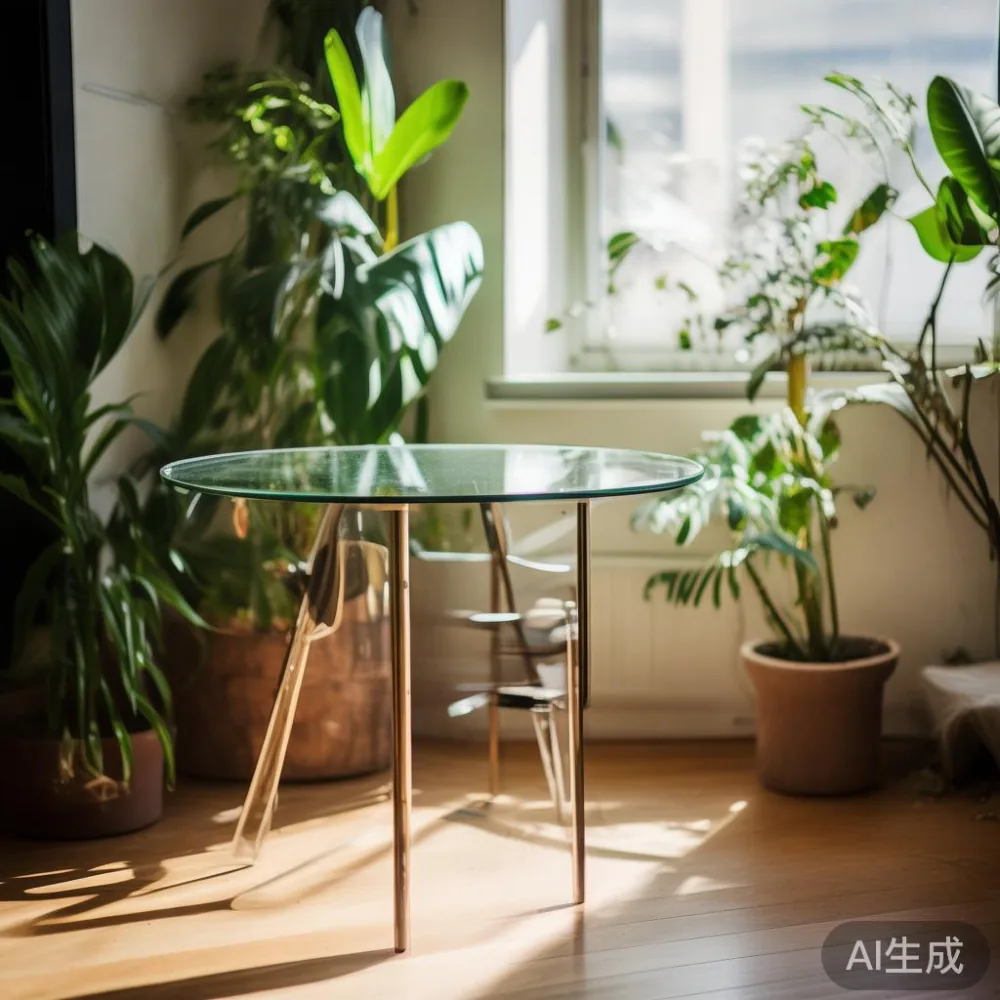
This comparison treats glass furniture as part of the wider living-room equation. A glass-top coffee table or marble table may sit beside a solid wood sofa, bed frame, dining table, wardrobe and nightstand, so material choices should be assessed as a coordinated home rather than as isolated products. The figures below use SGD, include an assumed 9% GST where applicable, and illustrate typical mid-market purchases rather than presenting a fixed quotation.
What is the real 5-year cost difference between veneer and solid wood?
For a representative dining set and storage pieces, veneer can cost roughly SGD 1,800 to SGD 3,600 over 5 years after purchase, maintenance and likely repairs. Comparable solid wood furniture can cost about SGD 2,700 to SGD 5,500 over the same period. A careful buyer should not divide the purchase price by 5: furniture is used unevenly. Dining tables and wardrobes are daily fixtures, while occasional side tables may see much less wear.
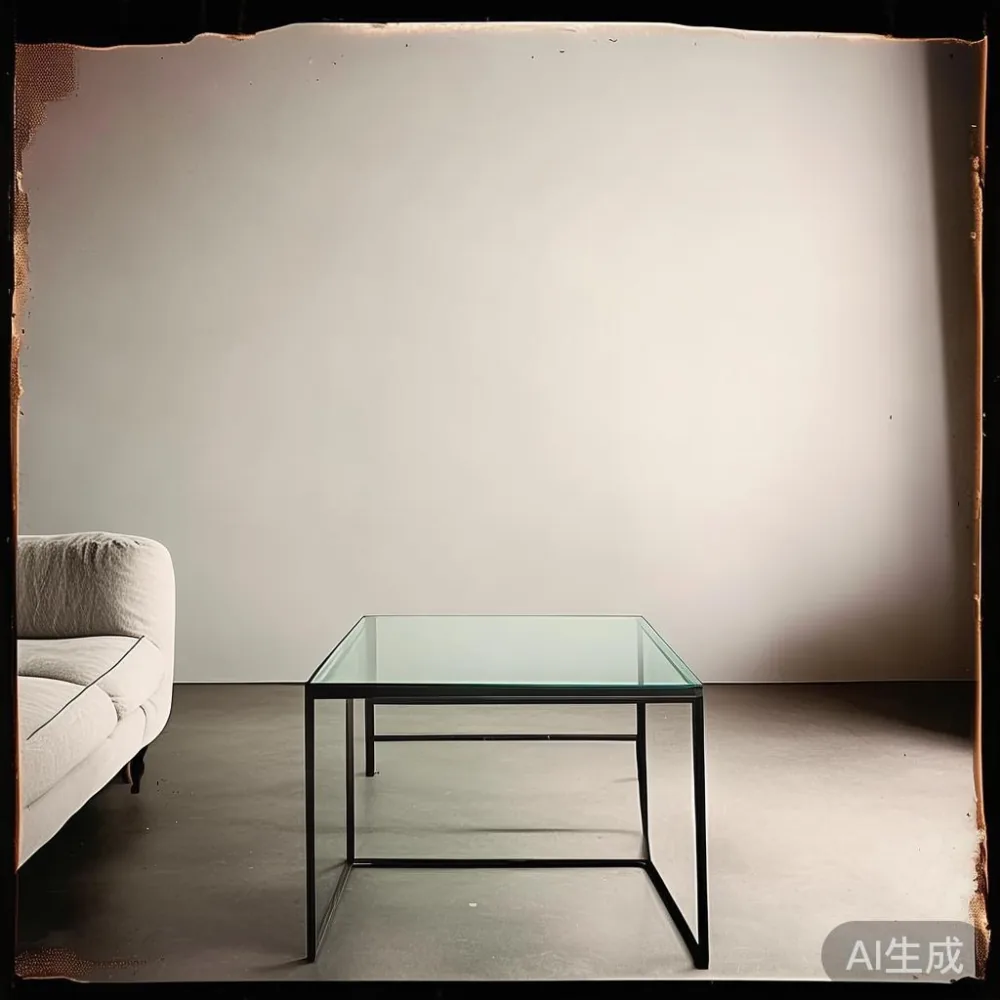
Consider a 180 cm oak-look veneer dining table priced at SGD 1,350 including GST, versus a 180 cm solid oak dining table at SGD 2,150 including GST. The solid wood table costs SGD 800 more on day one. Over 5 years, suppose each requires one professional cleaning and minor care kit at SGD 140, while the veneer table needs one edge repair at SGD 220 and the solid table needs none. The projected totals are SGD 1,710 for veneer and SGD 2,290 for solid wood, a difference of SGD 580 rather than the initial SGD 800.
That simple model is not guaranteed. A low-quality veneer can delaminate sooner, while solid wood may check, swell or move as humidity changes. The more useful comparison is a planned ownership budget with a repair reserve, not an assumption that either material will fail. A 10-year structural warranty changes the risk calculation if it covers frame and joinery rather than veneer peeling or surface movement.
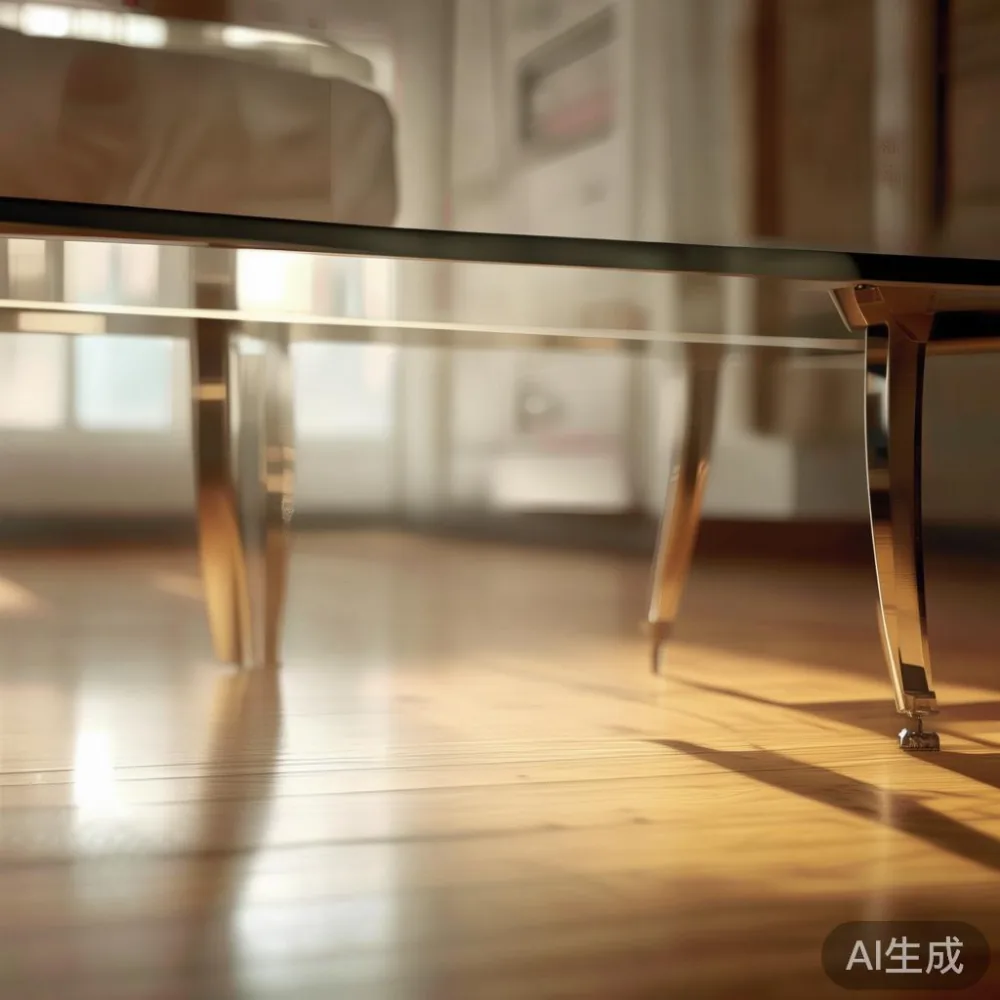
For a Singapore household, the 5-year result also depends on where the furniture lives. A ventilated Bedok condo with a dry-air bedroom may preserve timber more effectively than a Tampines HDB flat beside a frequently opened balcony door. Air-conditioning and dehumidification matter, but direct sunlight and dampness remain the main pressure points.
How much do veneer and solid wood furniture cost in Singapore?
Typical 2025 retail ranges in Singapore provide a workable baseline. A 120 cm veneer coffee table may sell for SGD 320 to SGD 680 including GST, while a similar solid wood model may sell for SGD 550 to SGD 1,200. A 180 cm veneer dining table commonly sits at SGD 1,050 to SGD 1,900, compared with SGD 1,650 to SGD 3,200 in solid wood. Veneer wardrobes may cost SGD 1,500 to SGD 3,000, while solid wood versions may range from SGD 2,400 to SGD 5,000.
These are market bands, not claims about every specification. Drawer boxes, hardware, finish thickness, timber species and construction quality can shift a price by hundreds of dollars. Buyers comparing online listings should confirm whether GST is shown, because an apparent saving of SGD 150 can disappear when 9% GST is added at checkout.
One useful exercise is to convert everything into a 60-month figure. A SGD 1,550 veneer dining table with a 180 cm top costs about SGD 25.83 per month before care. A SGD 2,450 solid wood table costs about SGD 40.83 per month before care. Neither figure includes electricity, cleaning labour or repairs, so owners should keep a separate annual maintenance allowance of roughly SGD 80 to SGD 180 per frequently used piece.
Delivery can also alter the comparison. A flat-pack veneer wardrobe may arrive in 2 to 4 working days and cost SGD 0 delivery above a stated threshold, whereas a solid wood wardrobe may require white-glove delivery in 7 to 12 days and cost SGD 80 to SGD 220. Freight is easy to overlook, particularly for residents in Punggol estates where the nearest van-accessible parking bay is several blocks from the tower.
Do Singapore lifts and corridors make one material easier to move?
Material alone does not determine whether furniture can enter an HDB flat. The actual dimensions of the packaged item matter more than the label. A standard HDB lift interior is often around 1.1 m wide and 1.4 m deep, although older and newer blocks vary. Door openings may be about 0.9 m wide, while corridor turns can be tighter than lift cabins. The building manager’s rules and booked service-lift periods should be checked before ordering a 180 cm wardrobe or long dining table.
Solid wood is not automatically heavier than veneer because construction differs, but dense solid timber pieces often exceed the handling limits of a two-person team. A 180 cm solid oak dining table might weigh 62 to 78 kg, compared with 42 to 55 kg for a veneer-and-engineered-wood version. A 2-door veneer wardrobe may weigh 85 kg; a solid wood equivalent might weigh 115 to 160 kg.
My colleague last month delivered a 160 cm dining table to a Bedok condo. The assembled top was 84 kg, and the service lift measured 1.08 m by 1.38 m. After removing the table legs, the top entered diagonally with approximately 6 cm clearance on each side. The same table would not have passed through a 0.82 m wide cupboard door without hinge removal or disassembly, regardless of whether it was veneer or solid wood.
For furniture buyers, measure the narrowest point between the road, lift lobby, lift, corridor bend and home. Request the packaged dimensions and gross weight in writing. Confirm whether delivery includes carrying, unpacking, assembly and removal of packaging. A supplier that measures the site before dispatch can prevent a return trip that would consume 1 to 3 hours and add SGD 80 to SGD 300 in labour.
Which material holds up better in Singapore humidity?
Neither veneer nor solid wood is completely immune to humidity. Veneer depends on the bond between its thin timber layer and its substrate. Solid wood can expand and contract across its grain, so movement is visible as fine checking in some conditions. High-quality veneer with a stable core and careful finishing can perform very well, but exposed edges and corners deserve attention.
For everyday use, keep timber between approximately 40% and 65% relative humidity where possible, away from air-conditioning vents and direct sunlight. Wipe spills promptly, use coasters and felt pads, and avoid leaving damp cloths against a wardrobe base. Singapore’s outdoor conditions often reach 31 to 34°C, and interior surfaces can warm quickly near east- or west-facing windows.
Glass furniture introduces a related issue. A glass coffee table should not be dragged across a timber floor, because grit trapped beneath the base can scratch the surface. Use a protective pad and check the underside every 4 to 6 months. Where buyers are considering french sofas for sale, frame material should be checked alongside upholstery, because a strong timber frame benefits the sofa regardless of whether an adjacent coffee table is glass, veneer or marble.
Solid wood allows sanding and refinishing when the finish is damaged. Veneer is harder to repair deeply because the decorative layer may be only 0.3 to 1.5 mm thick. Yet refinishing has a cost: a professional treatment may add SGD 250 to SGD 650 per large dining table. This is why a 5-year budget should include refinishing, not simply routine wiping.
How should you choose between a veneer sofa frame and solid wood?
For a solid wood sofa or bed frame, focus on the structural parts: rails, legs, joints and load-bearing panels. A solid timber frame does not guarantee comfort, and a mixed construction can still be sound if the load-bearing components meet the stated specification. Ask for the timber species, moisture treatment, joinery method, coating and warranty scope.
For upholstery, inspect the frame from below and look for warped rails, loose joints and corner blocks. Sit on each seat for 2 minutes, then check whether the back remains stable. Seat density and foam quality influence comfort, but they are separate from the wood question. The phrase how to choose French sofa should lead buyers toward proportion, frame support and fabric durability rather than a decorative style alone.
Style comparisons can still inform the wider room. A search for Japanese sofa vs Nordic sofa often highlights compact, clean-lined seating suited to smaller Singapore layouts. A 220 cm sofa may suit a condo living room, while a 180 cm model can preserve circulation around a glass coffee table. Anyone looking for cheap French provincial furniture should check whether the apparent saving lies in veneer frames, thinner boards or imported hardware, because those choices affect repairability over 5 years.
Height is another practical detail. A 42 cm seat paired with a 38 cm coffee table gives only 4 cm of visual separation and can make a small room feel crowded. Around 40 to 45 cm between seat height and table top is often comfortable for reaching a cup. In a dining setting, allow about 60 cm of clearance behind each seated person and 90 cm between table edges where chairs need to move.
How do glass, veneer and solid wood affect the look of a light-luxury home?
Light-luxury interiors depend on proportion, texture and visual calm rather than a large number of matching products. French light luxury often combines curved profiles, pale woods, glass and soft upholstery. American light luxury tends toward broader, architectural forms with clean lines and restrained ornament. Post-modern light luxury can pair traditional silhouettes with glass surfaces and geometric details.
Glass furniture is especially useful here because transparency exposes the floor and reduces the visual weight of a compact HDB living room. A 110 cm rectangular glass coffee table can create a lighter centre than a solid timber table of the same footprint. A round marble table adds pattern and mass, but a 90 cm diameter model may preserve circulation better in a Punggol flat than a rectangular 120 cm version.
The material pairing should be deliberate. A solid wood dining table with a glass-top coffee table can look balanced if the wood finish is repeated in a bed frame or nightstand. A veneer dining table may be more practical when frequent repositioning is expected. The key is to connect at least 2 elements through timber tone, edge profile or metal hardware.
For shoppers asking where to buy coffee table from MIDHILL, the relevant checks are dimensions, load rating, glass thickness, edge treatment and delivery scope rather than styling alone. A tempered glass top of 8 to 10 mm may suit ordinary residential use, while the design should match the intended load. For marble table options, weigh the top with its base and consider the risk of edge chipping during a narrow corridor delivery.
There is also a practical search term used by some buyers: under 2000 Boho furniture. Within that budget, a layered room may combine one solid wood anchor piece with a lighter glass table rather than forcing every item into one material. Spend where structural longevity is most visible, such as the dining table or bed frame, and use repeatable pieces for less demanding zones.
What should a realistic 5-year furniture budget include?
A useful worksheet divides cost into purchase, access, care, repair and disposal. For a dining table, bed frame, wardrobe and nightstand set, a mid-range veneer purchase might total SGD 4,800 including GST, plus SGD 300 for delivery and assembly, SGD 600 for 5 years of care and repair, and SGD 150 for disposal. The 5-year outlay is approximately SGD 5,850, or SGD 97.50 per month.
A comparable solid wood set might total SGD 7,200 including GST, plus SGD 450 for delivery and assembly, SGD 550 for care and refinishing, and SGD 150 for disposal. That produces SGD 8,350, or SGD 139.17 per month. The solid wood scenario costs about SGD 2,500 more, but it may also retain more value if the finish remains sound.
These budgets illustrate why the purchase price alone is misleading. A framed solid wood sofa may require less intervention than a decorative veneer unit, but upholstery replacement can still add SGD 700 to SGD 1,600 after several years. Warranty documentation matters: MIDHILL’s 10-year structural warranty provides useful certainty for qualifying frames, while its lifetime refinishing policy can reduce future surface-maintenance costs when the service terms apply. Neither promise should be assumed to cover accidental glass breakage, moisture exposure or general wear; the written conditions should be reviewed.
Buyers should also preserve receipts, care instructions and finish samples. Photograph the furniture on delivery, note existing marks and keep the packaging for 14 days where possible. MIDHILL’s 14-day returns policy can provide a defined path for reconsidering a purchase, subject to eligibility and condition. For a heavy wardrobe, check return collection charges before ordering, because the cost of moving the item twice can exceed the original delivery fee.
What can Singapore buyers learn from a 5-year ownership test?
The strongest case for solid wood is repairability and long-term confidence. The strongest case for veneer is efficient use of material, lower purchase cost and lighter configurations. For a dining table used nightly, a solid wood top may justify a premium of SGD 700 to SGD 1,300 if the household values refinishing. For a wardrobe in a dry bedroom, a well-built veneer design may be the more balanced choice.
Glass furniture belongs in the decision as an enabling element. It can make a compact room feel more open, allow timber grain to remain visible around it and reduce the number of bulky pieces needed for daily use. Choose tempered glass with protected edges, stable metal connectors and a base wide enough for children’s hands. If the household includes children, add 2 to 3 mm of safety glass or use a low-profile design that reduces the impact hazard.
Before checkout, complete 5 practical steps. Measure the delivery route in centimetres. Check the packaged weight against the lift capacity. Compare 5-year totals rather than sale prices. Confirm finish, edge and warranty details in writing. Then test the piece in the intended room for at least 7 days, observing morning humidity, evening light and circulation.
After 5 years, neither material can be judged from age alone. Quality of construction, exposure and care decide the outcome. A patient owner who wipes surfaces, rotates accessories and addresses small marks early can preserve either a veneer dining table or a solid wood bed frame. The right choice is the one whose purchase price, maintenance demands and room constraints remain workable together—not merely the one with the highest material label.