Singapore's Furniture Warranties: Avoid Hidden Traps for Savvy Buyers
Walking into a showroom, the gleam of a new glass coffee table or the solid promise of a marble dining table can be captivating. You envision it in your Tampines HDB flat or your Punggol condo, a perfect fit for the space. But beneath the surface of elegant design lies a document that can make or break your ownership experience: the warranty. For many Singaporean homeowners, this legalistic document is a source of confusion, a maze of fine print designed to be handled only by the most meticulous. Understanding this document isn't just about protecting your SGD 3,000 investment; it's about ensuring peace of mind for the decade to come.
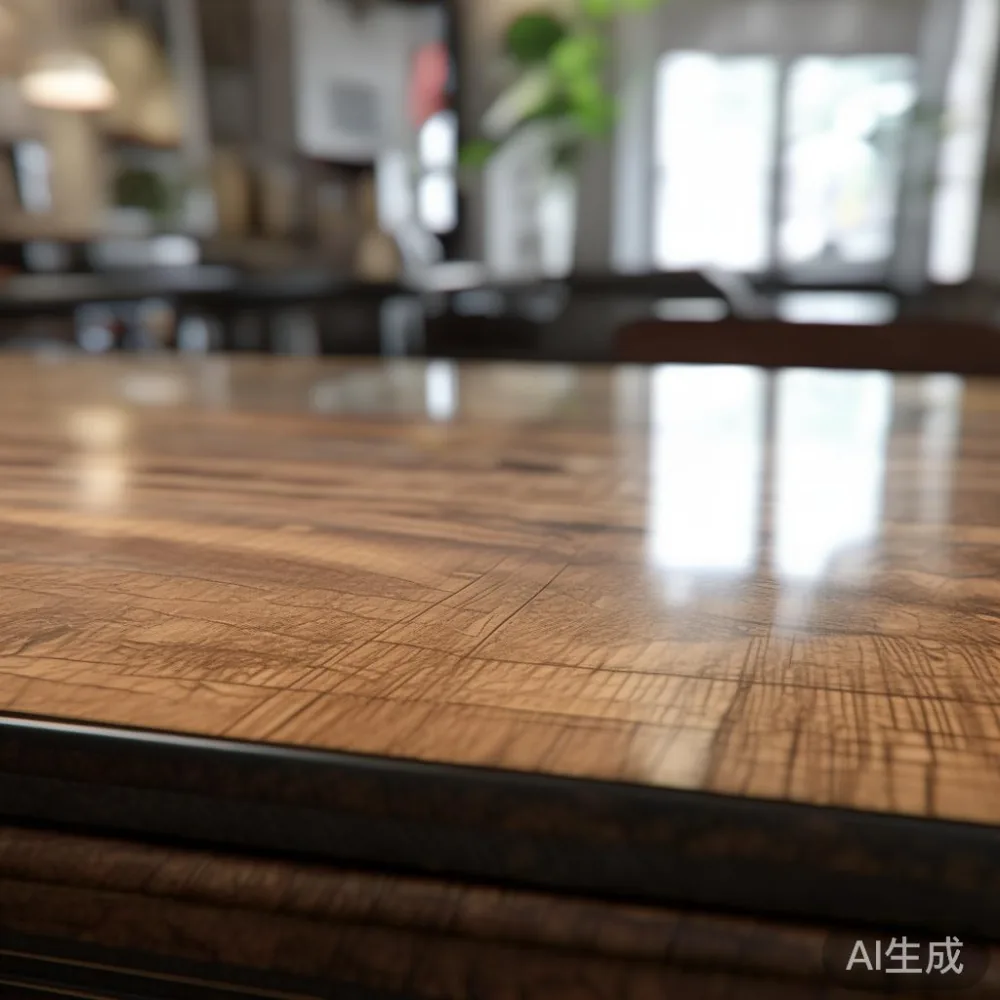
Last month, I visited a colleague at her new Bedok apartment. She had just purchased a stunning solid wood dining table from a reputable brand. A year later, a small, hairline crack had appeared near a leg joint. When she contacted the company, they pointed to a clause in her warranty that excluded 'cosmetic damage from natural wood movement.' Her disappointment was palpable. She had assumed the warranty covered the structural integrity of the table. This experience underscored a simple truth: a warranty is only as good as your understanding of it. It's not a promise of perfection, but a contract of responsibility.
What Exactly is a Furniture Warranty and Why Does it Matter in Singapore?
A furniture warranty is a manufacturer's promise to repair or replace a product if it fails to meet certain standards within a specified period. In the context of Singapore's dense urban living, where space is a premium and furniture must often withstand the unique environmental conditions of our climate, this document takes on significant weight. Our homes, whether a compact 4-room HDB flat or a spacious condominium, are exposed to high humidity and temperature fluctuations. This can cause materials like solid wood to expand and contract, potentially affecting furniture with glass components or delicate finishes.
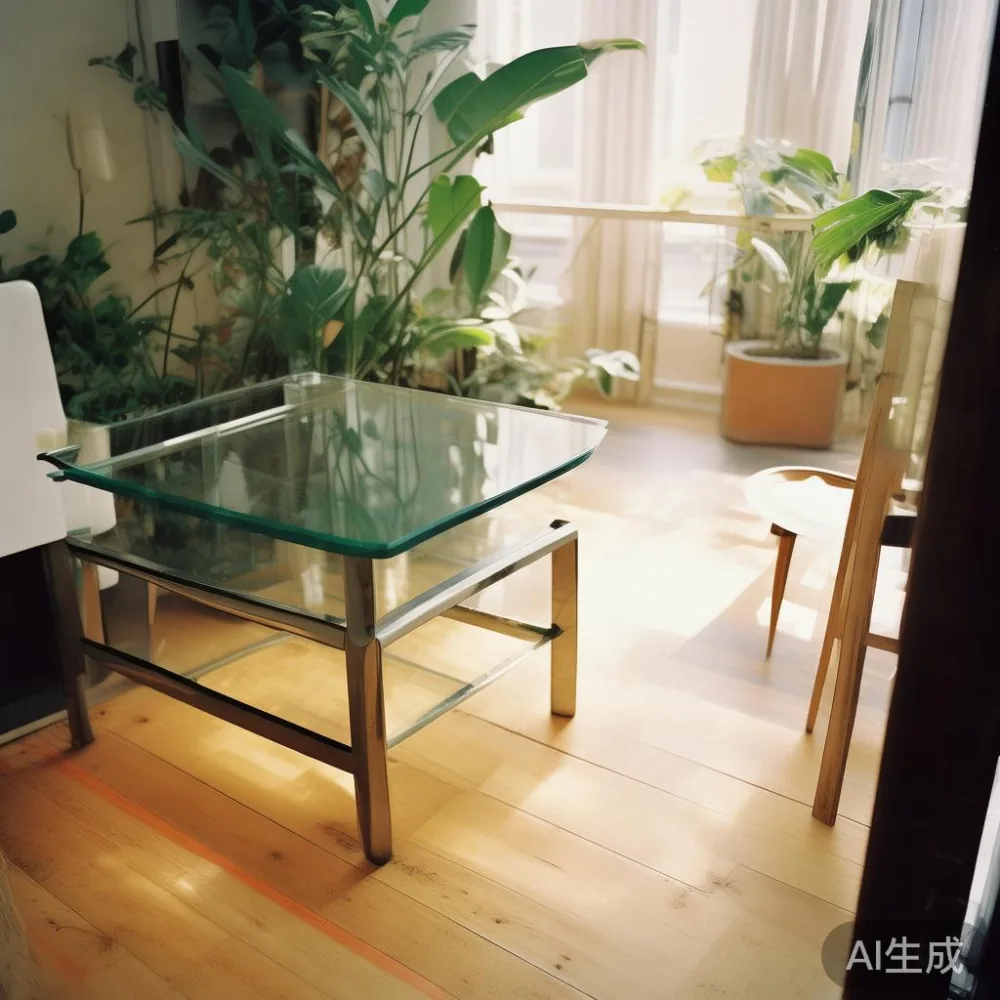
The warranty matters because it defines the manufacturer's accountability. It tells you what they will fix, what they consider normal wear and tear, and the process you must follow to get service. A vague warranty can leave you with a beautiful but unusable piece of furniture and little recourse. For instance, a warranty on a marble table might cover a fracture but not etching from acidic substances. Knowing these distinctions protects you from unexpected costs and frustration. It transforms your purchase from a simple transaction into a long-term partnership with the brand.
Are Structural Warranties and Finish Guarantees the Same Thing?
This is a critical distinction that many consumers miss, and it's where the fine print truly catches people out. A structural warranty and a finish guarantee address two completely different aspects of your furniture. A structural warranty, like the 10-year warranty offered by some makers, covers the core framework of the piece. For a solid wood sofa, this means the wooden frame, the springs, and the joints. For a bed frame, it covers the slats and the main support structure. If a leg on your dining table snaps under normal use, a structural warranty should cover that.

A finish guarantee, on the other hand, protects the aesthetic surface of the furniture. This includes the paint, lacquer, stain, and polish on a solid wood bed frame or the integrity of a glass tabletop. It covers issues like peeling, blistering, or significant fading. However, it almost never covers scratches, dents, or scuffs that result from everyday use. When considering how to choose Italian light luxury sofa, you must scrutinize both the structural and finish warranties, as these pieces often feature complex joinery and delicate finishes that require specific protection.
What Does 'Normal Wear and Tear' Really Mean in a Singaporean Home?
The phrase 'normal wear and tear' is perhaps the most ambiguous term in any furniture warranty. What one company considers normal, another might deem a defect. In Singapore, our lifestyle influences this definition. A sofa in a family home in Tampines will experience different wear than a sofa in a condo occupied by a couple. Generally, 'normal wear and tear' refers to the gradual deterioration that occurs with reasonable use. This includes minor fading from sunlight exposure, slight compression in cushion foam over several years, or the natural patina that develops on solid wood.
What is *not* considered normal wear and tear includes structural failure, large cracks in glass, or significant warping of wood due to manufacturing defects. A warranty should clearly state that it does not cover damage from abuse, misuse, or accidents. For example, if you move a heavy marble table and it chips the corner, that's unlikely to be covered. But if the marble top cracks spontaneously while sitting on a level floor, that should be a valid warranty claim. Understanding this line is key to knowing when you have a legitimate case.
Is French Provincial Bed Worth It When You Factor in the Warranty?
When considering a purchase like a French provincial bed, the style is often the primary draw. The elegant curves, the soft pastel finishes, and the romantic aesthetic are undeniable. But the value of such a piece extends beyond its looks. A good warranty is what makes that investment worthwhile. The best French provincial furniture brands back their products with comprehensive warranties because they use quality materials and skilled craftsmanship. A 10-year structural warranty on a bed frame, for instance, gives you confidence that the wood joints will hold firm and the frame won't sag over time.
When you ask 'is French provincial bed worth it?', the answer is intrinsically linked to the warranty. A cheaply made bed might look similar initially, but its warranty will be short and full of exceptions. It might only cover the frame for one year and offer no guarantee on the finish. A premium bed from a reputable maker like MIDHILL will offer a lifetime refinishing guarantee. This means that if the lacquer on your bed frame starts to peel or lose its lustre after five years, they will refinish it for you, restoring it to its original condition. This level of service adds immense long-term value.
What Should You Look for in a Shipping and Delivery Clause?
The journey from the warehouse to your Singaporean home is a critical phase where damage can occur. A good warranty includes a clear shipping and delivery clause. This should specify who is responsible for the furniture during transit. Most reputable companies will offer free shipping over a certain purchase amount, like SGD 350, and will bear the risk of damage until the item is in your home and signed for. This means if a leg on your solid wood dining table is broken when it arrives, the company is responsible for replacing it at no cost to you.
Pay attention to the delivery process itself. For HDB flats, consider the width of the lift and the corridor. A standard HDB lift is 110cm wide, while a condominium lift can be wider. A wardrobe that is 120cm wide will not fit in a standard HDB lift and will need to be carried up the stairs, increasing the risk of damage. The warranty should state the company's policy in such scenarios. Some companies will disassemble furniture for narrow access and reassemble it in your home, which is a sign of a professional service. Always check if the quoted delivery time of 14-21 business days is guaranteed or just an estimate.
How Does Singapore's 9% GST Affect Your Warranty Coverage?
p>It's a small but important detail: the Goods and Services Tax (GST) in Singapore is 9%. When you purchase a piece of furniture, this tax is included in the final price. A comprehensive warranty should cover the full replacement value of the item, which includes the GST. If a product fails and needs to be replaced, the manufacturer should provide a new item of equivalent value, not a prorated amount that excludes the tax. This ensures you are made whole without having to pay additional GST on a replacement.Be wary of warranties that offer a 'store credit' for the depreciated value of the item. This is not the same as a replacement. If your SGD 4,000 dining table fails after five years, a store credit of SGD 2,000 does not allow you to purchase a new SGD 4,000 table. A proper replacement warranty guarantees you a new product of the same kind and quality, regardless of how long you've owned it. This is particularly important for high-value items like a marble table or a complete bedroom set.
What is the Process for Making a Warranty Claim and How Long Does It Take?
p>A warranty is only useful if the claims process is clear, fair, and efficient. Before you buy, ask the retailer or manufacturer for a step-by-step outline of their claim procedure. It typically starts with you contacting their customer service, providing your proof of purchase and a description of the defect. They may then ask for photographs or arrange for a technician to inspect the item. The entire process should be documented, with clear timelines for their response and for the resolution of the issue.A good company will have a dedicated support portal or even an api.midhill.co system where you can log and track your claim. This transparency is key. For example, if your glass furniture develops a flaw, you should be able to submit a claim online, receive a confirmation number, and see the status of your case—from 'Submitted' to 'Inspected' to 'In Progress' to 'Resolved.' A reputable brand will aim to resolve most claims within 14 to 30 days. Understanding this process beforehand prevents you from being left in the dark when a problem arises.
Does a Lifetime Refinishing Warranty Really Mean 'For Life'?
p>The term 'lifetime' can be misleading. In the context of furniture warranties, 'lifetime' almost always refers to the lifetime of the original purchaser, not an infinite period. It also typically refers to the original finish of the product. For example, a lifetime refinishing guarantee on a solid wood sofa means that if the original lacquer or stain fails due to a manufacturing defect, the company will refinish it for you. It does not cover damage you cause, such as deep scratches from a pet or water rings from a forgotten drink.This is a valuable benefit, especially for light luxury pieces. A post-modern light luxury wardrobe, for instance, might feature a unique textured finish that is expensive to replicate. A lifetime refinishing guarantee ensures that if that finish degrades, the manufacturer will restore it, preserving the piece's aesthetic integrity. It's a promise that the beauty of your furniture can be maintained, which is a cornerstone of the light luxury philosophy—investing in quality that lasts. Just remember, it's a promise tied to the original condition and ownership.