Glass Furniture in Singapore: What to Check Before Buying a Sofa You Cannot Si
A sofa may look like furniture, but in a Singapore home it must also pass through the lift, turn along the corridor, and fit through the front door before it can become a sofa. That practical check matters even more for solid wood models, whose timber frames and generous dimensions are less forgiving than the boxed dimensions printed in a catalogue. It also explains why some display pieces in glass furniture showrooms should be treated as sculptural inspiration rather than automatic purchases: the beauty is visible, but the route home may not be.
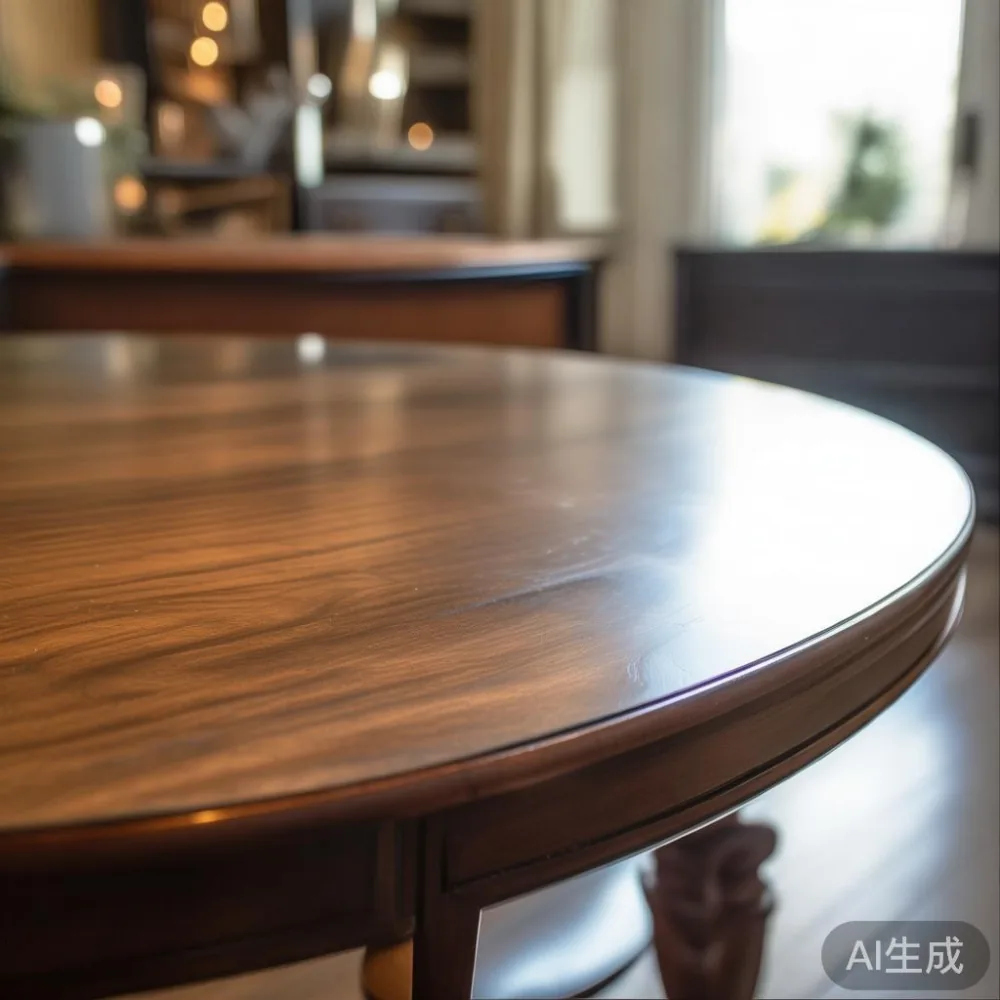
For residents of HDB flats and condos in Tampines, Bedok, and Punggol, the relevant question is not simply whether a sofa fits in the living room. The delivery path needs checking in centimetres, the floor needs checking for loading limits, and the budget needs to include GST and access charges. This guide explains how to assess an unusual solid wood sofa while keeping its relationship to the rest of the home in view.
Can a display sofa really work in a Singapore living room?
Yes, but only after the access route is measured. A showroom sofa with a 230 cm width may look moderate beside a dining table, yet it can fail on a 210 cm landing or in a 180 cm lift lobby. The dimensions quoted by a seller often describe the sofa itself, not the diagonal envelope created when the piece turns from the corridor into the flat entrance.

Start with the narrowest fixed point: the lift door, the common corridor, the staircase landing, and the flat’s front door. Add several centimetres for hand clearance. A 210 cm lift opening with a 198 cm sofa leaves only 12 cm of total tolerance, before doors, mirrors, handles, or people guiding the load. For solid wood construction, insist on the packed dimensions rather than estimating from the showroom sample.
I tested this approach last month during a supplier visit in Foshan. A display sofa measured 224 cm long and 96 cm deep, but its protected shipping carton was 236 × 104 × 88 cm. On paper it fitted a standard lift; diagonally, one corner became the problem. The factory team removed the lower cushion supports, secured the frame, and reduced the outer carton height by 12 cm. Without that adjustment, the sofa could have reached the lift lobby and still been unable to enter the flat.
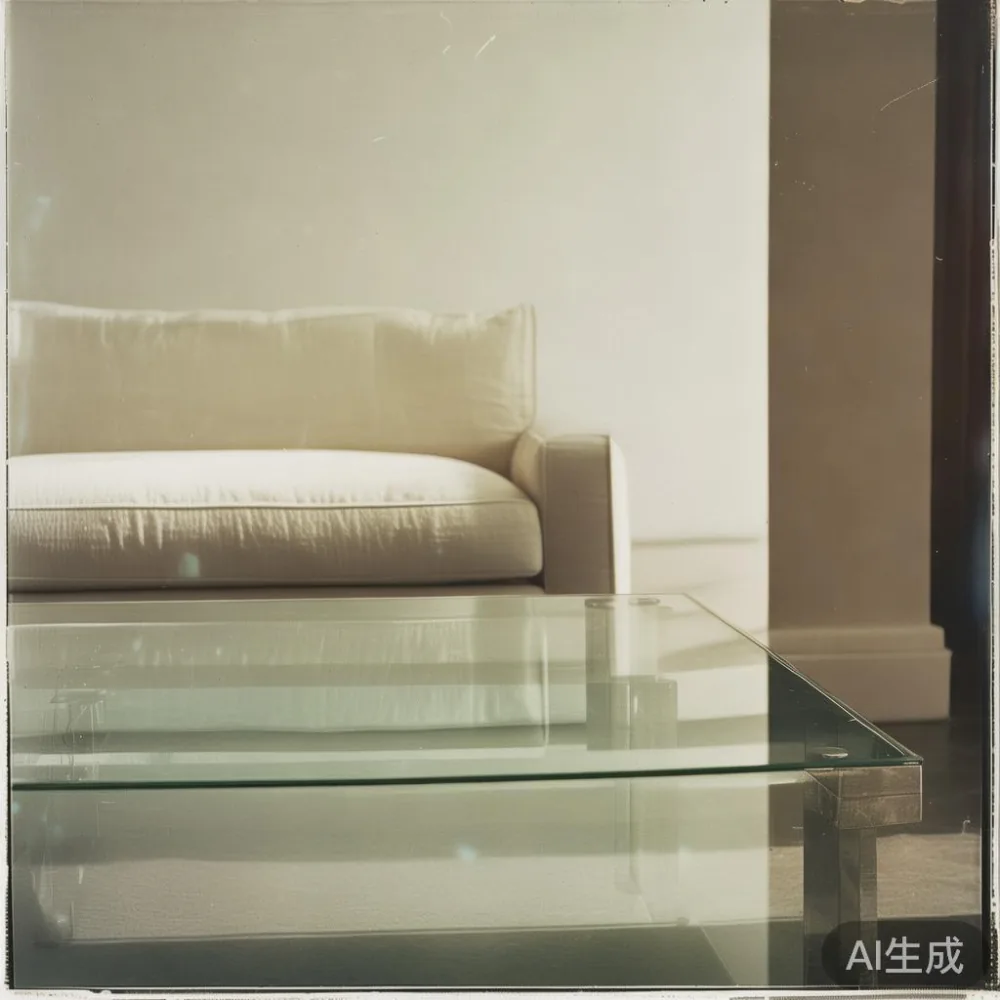
In a showroom, compare the sofa with familiar objects. A glass furniture coffee table might occupy 120 × 60 cm, while a marble table may need its own careful delivery slot. If the sofa has a 42 cm seat height and a 68 cm total depth, it may feel visually substantial without being physically oversized. These details should be recorded in millimetres or centimetres and checked against the actual route.
What dimensions should you measure before ordering?
Measure at least 8 access points and write down 6 key dimensions. These are the lift car width, lift car depth, lift door width, lift door height, narrowest corridor section, and front-door opening. Then request the sofa’s total width, depth, height, arm width, leg height, and diagonal packed dimension. Comparing only width and length leaves out the turn that causes most delivery problems.
For turning space, a practical corridor calculation is to add the sofa’s smaller two dimensions. A 210 cm-wide sofa with a 95 cm depth may need a turning zone near 305 cm in ideal conditions, though angled pivoting can reduce that requirement. The installer should confirm whether the sofa can be tilted, whether the back or arms can be detached, and whether doing so affects the warranty. Removing a solid wood arm is not equivalent to removing a loose upholstered component.
Check the lift’s rated capacity as well. A solid wood sofa can weigh 85 kg, while a wider version may reach 130 kg. Confirm that the lift permits 680 kg or more, or at least that the load is comfortably below its posted limit. In a condominium, ask whether move-in bookings, padding requirements, or loading-window rules apply. At an HDB block, inspect the route for parked bicycles, bulky planters, and shoe racks that reduce the usable corridor.
Record the route on your phone with photographs and a measuring tape in frame. This protects the discussion with the delivery team and gives the installer useful evidence. If a path cannot take the protected carton, do not order on the assumption that “the sofa probably fits.” A specific measurement is worth more than a confident approximation.
Is the frame solid wood, or only the visible parts?
The material label needs precision. A solid wood sofa should have a timber load-bearing frame, not thin plywood panels hidden beneath fabric and described in marketing language. Ask whether the frame uses kiln-dried hardwood, what species it is, how joints are constructed, and what tolerances are allowed in the timber. The answer should appear in a written specification rather than in a sales conversation.
Joint method matters because a sofa may be decorative in appearance but still be engineered for daily use. Look for mortise-and-tenon or dowelled joints at structural corners, with the connection reinforced where repeated sitting creates use. Screw fixings can still be appropriate, but their placement should be deliberate. For a piece intended to hold 2 adults and perhaps 1 child, ask for a stated load rating of at least 120 kg per seat and a frame warranty of 10 years.
MIDHILL describes a 10-year structural warranty, which gives buyers a more useful reference than a vague promise of long-term care. Confirm what the warranty covers: frame joints, timber defects, and structural components, or the entire sofa including cushions and finish. Keep the order record and product images. If the frame uses veneer on a non-structural panel, ask for that to be disclosed instead of accepting “wood” as a complete description.
This same discipline applies across the home. A solid wood dining table needs stable proportions and a clear expansion allowance, while a solid wood bed frame needs sufficient centre support. A solid wood wardrobe should have adjustable hanging sections and protected corners for a tight bedroom. A solid wood nightstand should have shelves capable of carrying 12 kg without bowing. The goal is not to demand one material everywhere; it is to know where solid wood performs structural work.
Can a sofa be both comfortable and visually light?
Yes. Lightness comes from proportion, material contrast, and restraint rather than making a large frame appear to vanish. French light luxury often pairs pale timber with cream upholstery and slender legs. American light luxury can use warm oak, loose covers, and simpler profiles. Post-modern light luxury may introduce asymmetry or a sculptural base. Each style can suit an HDB living room if the sofa’s footprint remains rational.
For a 220 cm sofa, a seat depth of 58–62 cm gives normal adults room to sit without the front edge pressing behind the knees. A seat height of 42–45 cm makes rising easier, particularly for older residents. Check that the cushions are not fixed too far forward and that the back angle supports the lumbar area. A visually light sofa should still offer a firm usable seat rather than decorative softness.
Upholstery should be tested for 15 minutes, not judged by hand alone. Sit, cross your legs, and lean back. If the frame creaks or the seat drops below 42 cm under your weight, the internal support needs attention. Removable covers should have zips and washable care instructions. The fabric should report a composition, such as 70% cotton and 30% polyester, along with a Martindale rating of at least 25,000 cycles for regular family use.
Glass furniture introduces a useful visual counterpoint. A tempered-glass coffee table can keep the area open while a substantial solid wood sofa anchors it. The glass should be 10–12 mm thick with polished edges, and the frame should be rated for at least 60 kg. Do not place a glass table where children can run into it, and use a protective mat if the sofa’s timber feet could scratch the surface during cleaning.
What should the sales quotation include in Singapore dollars?
The quotation should separate the product, optional extras, delivery, installation, GST, and any access-related charges. A sample SGD 3,280 sofa should become SGD 3,509.60 after 7% GST. If the same piece costs SGD 3,680, the difference is SGD 201.60 before considering delivery. Compare like-for-like specifications before attributing the gap to quality.
Ask whether delivery is included. MIDHILL offers free shipping over US$350, but the threshold is stated in a different currency and should be confirmed for the Singapore transaction, along with the final freight amount. Local GST is calculated on the taxable supply and must appear on the tax invoice. For a 3-day standard delivery window, the quotation should state whether the clock starts after production, after dispatch, or after arrival at the local warehouse.
Also clarify the returns period. A stated 14-day return policy needs conditions: whether the sofa can be used, whether custom fabric is excluded, who pays return freight, and how a bulky item is collected. A sofa that enters a flat and then returns through a difficult corridor can create charges larger than the initial delivery saving.
Payment terms deserve equal attention. A 30% deposit may leave 70% due before loading, while a 50% deposit offers less initial commitment but changes the balance of risk. For custom pieces, ask for approval photographs of the frame, timber finish, fabric, cushion density, and final packaging. Keep those approvals with the signed specification.
How do you check quality when the sofa is still in the showroom?
Inspect the sofa from underneath, inside, and at arm level. Look for exposed timber, hardware, joint construction, and signs that the piece can be disassembled safely. Run your hand along the frame edges and check for splinters, uneven gaps, or filler used to disguise a joint. The finish should be even and clearly described as water-based, matte, or another specific treatment.
Knock testing should be gentle. A hollow sound may suggest an empty cavity or insufficient reinforcement, but acoustics vary with upholstery. More useful is to press the seat and back and observe whether the foam rebounds evenly. Medium-density foam around 35–40 kg/m³ is a reasonable starting point for a frequently used seat, though the complete suspension system matters as much as one material number.
Ask to see the packaging method. Corners should have moulded or rigid protection, loose hardware should be bagged and labelled, and the frame should be protected from moisture. Photograph the sofa before it is wrapped. If the listing also references modern Modern light luxury furniture, treat the style description as secondary to measurable construction details.
For broader planning, projects labelled European bed vs Italian light luxury bed can encourage useful comparisons of slat spacing, centre support, and headboard construction. The same comparison method applies to a sofa. A European-style bed frame may prioritise straightforward joinery, while an Italian-inspired light luxury bed may focus more on sculptural detailing; neither label alone proves better structural performance.
Can the sofa work with the other furniture in the room?
Plan the room in layers. A glass furniture coffee table should sit roughly 40–45 cm from the sofa, leaving enough legroom while maintaining a visual connection. A marble table needs stable placement away from edges and should have a top thickness of at least 18–20 mm for a side table. A dining table normally requires 90 cm behind each chair, so a deep sofa may restrict the route between the living and dining zones.
Look for coherent scale rather than matching every item. A 210 cm sideboard can balance a 230 cm sofa, while a narrow 100 cm console can preserve circulation in a compact flat. If the sofa has solid wood legs, align its finish with a solid wood dining table or nightstand. If the room already contains glass furniture, the sofa’s upholstery can provide warmth without making the space feel heavy.
Design references are useful only when translated into dimensions. Wholesale French provincial furniture may appeal to buyers who like curved profiles and pale finishes, but a curved sofa can be difficult to manoeuvre. A guide titled Vintage for guest room could inspire a compact daybed, yet a guest room also needs a clear 70 cm circulation route. For storage, a short guide on how to style French wardrobe in bedroom can help with panel proportions, but leave at least 60 cm in front of wardrobe doors. A Mid-century modern TV console should stay below the television’s visual centre and allow 30 cm of ventilation behind it.
These examples show why style should follow the room plan. French light luxury, American light luxury, and post-modern light luxury can all work in Singapore, provided the footprint, access route, and daily comfort have been verified.
What final checks should happen before the sofa is ordered?
Use a 10-point sign-off. Confirm the total dimensions, protected packed dimensions, weight, lift capacity, route clearance, frame material, joint method, cushion specification, finish, warranty, and return terms. Then confirm the delivery date in Singapore time, GST treatment, installation scope, and whether packaging removal is included.
The final check should happen on screen with a supplier. Photograph the delivery route, measure the carton dimensions beside the sofa, and ask the delivery team to mark the tightest turn on the access diagram. If the route includes a corner narrower than the carton’s turning requirement, resolve the issue before the sofa leaves the factory. With a lead time of 30–45 days for a custom configuration, discovering a corridor problem after production adds avoidable expense and delay.
A sofa you cannot sit on is either unfinished furniture or an illustration, not a practical purchase. The unusual shape may become the room’s focal point, especially when balanced with glass furniture, but it must first clear the lift, corridor, and doorway. Solid wood gives the piece character and durability; measured access and documented construction make that character usable. Choose with the sofa’s dimensions in hand, confirm the frame and finish in writing, and preserve a clear path from the building entrance to its final position.