Sofa Selection Tips for Non-Usable Models
A sofa that cannot be sat on is not a decorative feature; it is an access problem, a safety problem, and often an expensive piece of furniture with nowhere to go. This is particularly relevant in Singapore, where HDB flats and condos in Tampines, Bedok, and Punggol combine compact living rooms with shared corridors, narrow lifts, and strict common-property rules. You may fall in love with a sculptural glass-furniture arrangement at the showroom, only to discover that its 220 cm depth cannot turn through a 90 cm landing, or that its 68 kg frame exceeds the lift limit posted by the building management.
The wording on a product page can also be misleading. “Accent sofa” may describe a bench, a chaise, or a full seat, while “sitting sofa” can still arrive with the cushions removed to reduce its packed volume. Before paying, measure every route into the home, inspect the actual construction, and confirm the vendor’s delivery terms in writing. MIDHILL is a Foshan solid wood furniture maker established in 2008, exporting to more than 15 countries, and this guide applies the same practical discipline to a solid wood sofa as to any other large furnishing.
What exactly can you sit on?
<Start with a tape measure, not the product photograph. Check the usable seat height from the floor to the top of the compressed cushion. For most adults, 40–45 cm is comfortable, while 36–39 cm suits shorter users. Seat depth should generally be 50–58 cm for ordinary sitting; a 45 cm-deep seat may feel neat in a small flat but can make longer people slide forward. The usable width should be at least 55 cm per seated adult, with at least 90 cm for two people. Those are starting points, not promises, because the foam density, cushion sag, and seat angle affect comfort.

Then identify the posture the sofa supports. A bench-style sofa with no back support is suitable for short visits, not for a movie evening. A chaise can be sat on, but its total length may exceed 240 cm. A modular piece may include one genuine seat and several decorative modules; ask the retailer to label each section. A sectional with a corner unit may offer several seats, yet the corner can create awkward gaps if the modules are not designed to connect at the same height.
Look for a frame that is genuinely made for sitting. Seat rails should be solid timber or metal, not thin particleboard spanning an unsupported span. For a solid wood sofa, the base and arms should have visible joints, continuous load-bearing members, and screws or dowels appropriate to the material. Turn the piece over if the showroom permits it. A closed base can conceal poor support; a model with an open frame lets you inspect sagging webbing, loose joints, and uneven rails. Ask for the weight of the largest removable part and the empty frame weight. If one cushion weighs 12 kg and the frame weighs 58 kg, the delivery team is handling two separate jobs.
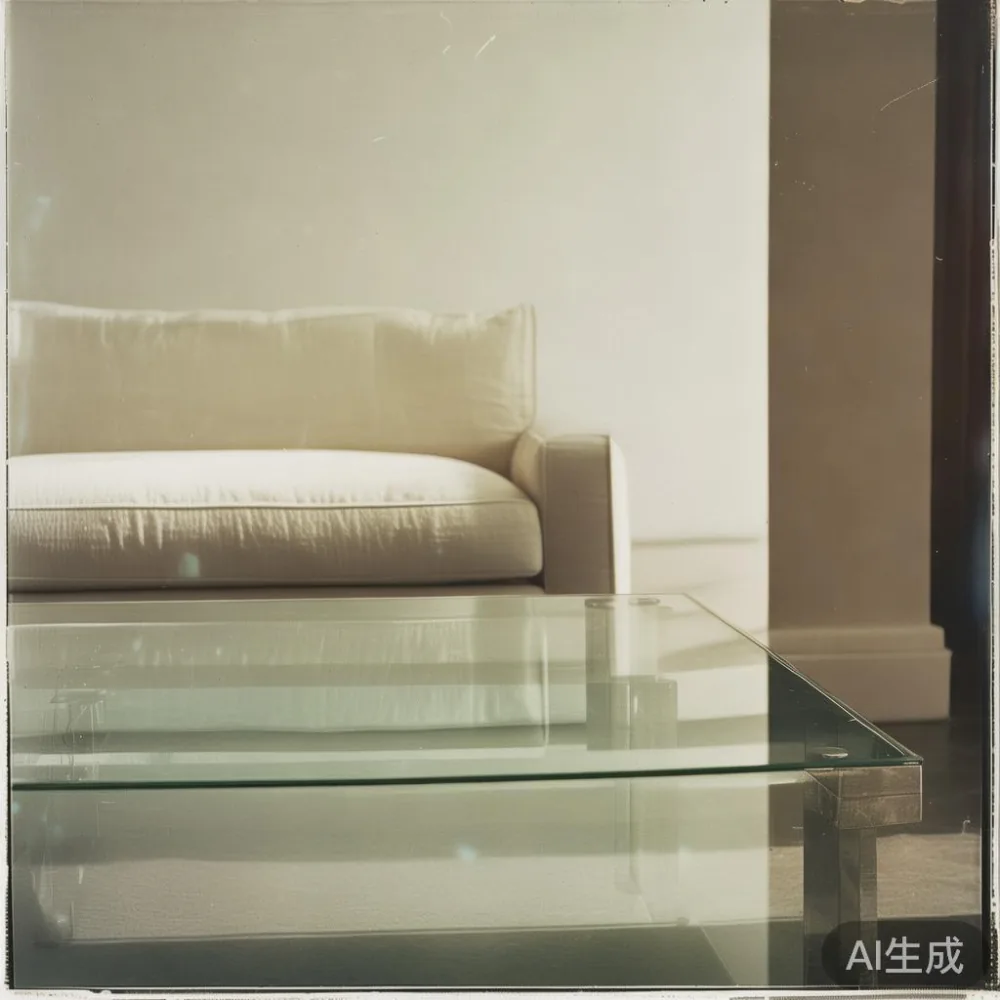
The upholstery matters too. “Light luxury” describes a visual direction, not a performance standard. French light luxury might use pale upholstery, tapered timber legs, restrained metal details, and generous spacing. American light luxury may use deeper proportions, large cushions, and a substantial silhouette. Post-modern light luxury can mix sculptural forms, but the structure still has to work. If the seat feels like a padded display platform, inspect how the cushions are attached and whether replacement covers are available.
Can the sofa physically reach your Singapore home?
Measure the complete journey, including the last few metres that sales staff often overlook. Record the flat’s door opening, lift entrance, lift car dimensions and capacity, landing turns, corridor widths, stair width, and the route from the service lift to the living-room door. A sofa’s largest dimension may fit inside a lift while its diagonal or turning envelope does not. Measure the assembled sofa as well as the smallest carton; some designs are delivered as modules, while others arrive as one frame.
Typical HDB and condo access points include a 90 cm door, a 110 cm-wide lift landing, and a lift car around 140 cm deep by 110–135 cm wide. These figures vary by block, so never rely on an online guess. A 205 cm-long sofa may fit straight into a 140 cm-deep lift car, but a 205 cm-long, 38 cm-deep rigid frame needs enough diagonal clearance to rotate without striking the ceiling, doors, or handrail.
Ask the building management in advance. Some Singapore condos require movers to book the service lift, provide a certificate of insurance, or use protective floor covering. Delivery may need to occur between 9 am and 5 pm on weekdays. The service charge can be separate from the furniture price, often around SGD 30–80 per move, depending on the building and lift booking rules.
For a solid wood sofa, weight and turning method matter more than for a hollow aluminium frame. Some delivery crews remove the legs and carry the body vertically; others remove the seat and back. If the frame is too heavy for safe dismantling, it must be carried as one rigid piece. That can make a narrow landing impossible. Request the removal method in writing and ensure the warranty does not exclude damage caused by unsuitable access.
Do not confuse “free delivery” with guaranteed entry. MIDHILL offers free shipping over US$350, but international shipping terms do not automatically include carrying a sofa upstairs in a Singapore block, dismantling it, or overcoming an inaccessible route. For a local purchase, have the retailer quote the lift-access work separately and clarify who is liable if the sofa becomes trapped.
Is the product actually a sofa—or a styled platform?
Retailers sometimes use “sofa” broadly. Compare the listing against the physical sample. A usable sofa should have a designated seating zone, a stable base, back support, and a seat capable of holding an adult for at least 30 minutes. A flat-topped cube, a narrow console with a cushion, and a solid wood bench may be photographed beside the same accessories, but they serve different purposes.
Check the declared material percentages. “Solid wood” should identify the species and which components use it, rather than referring only to decorative legs. The rails, frame, arms, and back frame should be named separately. Plywood, engineered board, metal, webbing, foam, and fabric all have different load and movement characteristics. A mixed construction can be perfectly sound, but it should not be disguised by a vague product label.
This distinction also matters when matching a sofa with glass furniture. A smoked-glass coffee table with a 100 cm top can work beside a 180 cm sofa, while a transparent table visually reduces clutter in a compact HDB living room. Yet a glass-furniture scheme should not push every functional surface into a display-only role. The sofa remains the primary seat; the table is for reachable items such as a 30 cm cup, a 24 cm remote, and one closed book.
Ask whether the sofa and its glass tables are sold as a coordinated collection or simply displayed together. Confirm the table’s safety features: tempered glass, rounded corners, a stable base, and load ratings stated in kilograms. A glass tabletop should not be treated as a step or seat. Likewise, a sofa with a glass-topped side console needs enough clearance to prevent contact with the main frame.
Will the dimensions work in a Tampines, Bedok, or Punggol living room?
Do not measure only the room. Leave approximately 80–90 cm as a circulation route behind the sofa, 35–45 cm between the sofa and a coffee table, and 40–60 cm from the sofa arm to a wall or adjacent unit. A 75 cm television console often leaves only 36–41 cm between its front edge and the sofa, which is too little for comfortable legroom.
For a 3.5 m-wide living room, a 180–210 cm sofa can work if the rest of the plan is disciplined. A 240 cm chaise sectional may dominate the room and reduce the clear path to a balcony door. Nordic for small living room layouts often favour slim arms, a low visual profile, and a seat depth around 50–52 cm, but the final choice depends on the room’s geometry rather than a style label.
Singapore’s year-round air-conditioning can influence placement too. Keep the sofa at least 15–20 cm from a wall if possible, and avoid blocking floor-level air vents. For a condo balcony with a sliding door, check that the sofa does not prevent the door from opening through its full 70–80 cm travel. If the balcony is used for laundry, plan for the drying rack and access panel as well.
Move the sofa outline around the room on paper. Mark the door swing, lift route, television position, and the reach of the coffee table. If a light luxury for guest room arrangement uses an accent sofa, treat the guest sleeping zone as a separate calculation. A 140 cm daybed may provide a useful daytime seat and fit a 2.8 m-wide room, while leaving only 28 cm to a wall if it is pushed too far inward.
What should be confirmed before payment?
Get the complete specification, including assembled dimensions, usable seat dimensions, frame material, cushion fill, fabric composition, weight, warranty, and delivery scope. A credible quotation should distinguish the list price, GST, delivery, lift booking, and assembly. Singapore’s GST is 9%, and any figure should state whether it is tax-inclusive or exclusive.
Check the return and cancellation terms for a large sofa. A 14-day return period is useful only if the item can be protected, repacked, and returned in a resaleable condition. Custom upholstery or a made-to-order glass-furniture combination may have different terms. Ask whether the frame, cushions, and glass panels can be returned separately and who pays the return freight.
For durability, look for a written structural warranty measured in years. MIDHILL provides a 10-year structural warranty on eligible products and lifetime refinishing, which can be valuable for a solid wood sofa exposed to sunlight and humidity. Read the exclusions: household moves, commercial use, pet damage, and unauthorised alterations may not count. Ask for the process, expected response time, and whether refinishing covers scratches, moisture marks, or colour changes.
For a coordinated home, repeat the same documentation exercise with every major item. A solid wood bed frame should state outer dimensions and mattress support, while a nightstand should align with the frame height rather than merely look coordinated. A dining table needs an extension mechanism, clear leg clearance, and a stable extension leaf. An Italian light luxury wardrobe description should identify carcass material, hanging space, interior fittings, and door clearances. A marble table should name the marble type, thickness, edge treatment, base design, and weight. These checks prevent a coordinated room from becoming a collection of incompatible pieces.
How do you choose light luxury bed and other pieces without losing function?
Light luxury should begin with ergonomics. If you are researching how to choose light luxury bed, test the mattress support, access height, headboard clearance, and bedside reach before considering the finish. A 150–180 cm mattress may fit a queen bed, but the frame can extend to 190–205 cm, and a 58 cm-wide nightstand may block a narrow corridor. The same principle applies to every other piece: visual refinement cannot replace usable dimensions.
Compare finishes under the room’s actual lighting. North-facing HDB rooms can make warm oak look grey, while west-facing condo windows can reveal uneven sheen on pale lacquer. Request samples of the wood, fabric, marble, and metal if possible. If you are evaluating the best Nordic bed for 2026, focus on stable proportions, repairable components, and a mattress platform that does not twist; do not let a trend phrase substitute for measurements.
American sofa set design can be a useful reference when checking whether a sofa has real depth, balanced arms, and aligned cushions. A coordinated set should also account for the space occupied by side tables and lamps. Two matching side tables may each measure 45 cm wide and consume 90 cm that a single 80 cm table leaves available. With glass furniture, a 100 cm coffee table might centre better beneath a 200 cm sofa than two smaller tables, although glass edges require careful placement away from active circulation routes.
What should the delivery day look like?
Prepare the room before the sofa arrives. Remove fragile items, identify the desired position, measure the final doorway, and reserve a 2 m by 1.5 m assembly area. Check that floor protection is available. The delivery team should report the package count, inspect the corners, and photograph visible damage before unpacking. Do not sign a “no damage” record if the carton is crushed, punctured, or wet.
After assembly, verify that all legs are level, screws are tight, cushions sit evenly, and the sofa does not rock. Sit on each usable seat for 5–10 minutes and check whether the back angle holds an adult. If the seat sinks beyond roughly 8–10 cm under normal weight, the suspension may need adjustment. Confirm that packaging removal, assembly, and old-item disposal are included or priced clearly.
Allow approximately 5–14 delivery days for stock held in Singapore, while made-to-order pieces can take 4–8 weeks. At the point of purchase, ask for a written delivery window rather than accepting “soon.” If the building requires lift booking, coordinate the date at least 7 days ahead where possible. After delivery, photograph the sofa from four sides and keep the invoice, warranty, and specifications in one folder.
My colleague last month visited a show home in Tampines with a sofa marketed as “slim.” The assembled model measured 188 cm long, but its rigid corner was 24 cm across. The service lift door opening was 81 cm, and the landing turn was only 102 cm. The displayed configuration could not enter without removing a major arm. The alternative was a 165 cm modular solid wood sofa with separate sections, each weighing 24 kg. That delivery succeeded in 3 days after the manufacturer sent a route-confirmation form and booked the lift for two movers. The lesson was simple: showroom suitability is not the same as home accessibility.
The final check is simple. Can an adult sit comfortably for 30 minutes, can the sofa pass every measured turn, and can it remain in the room without blocking circulation? If any answer is unclear, delay the purchase. Ask for photographs, specifications, a delivery plan, and written terms. That disciplined approach keeps a stylish glass-furniture setting practical for an HDB flat or condo rather than turning the sofa into an obstacle.