Delivery and Assembly Realities When Buying Solid Wood Furniture Online in Singapore
Last month I watched a delivery crew carry a solid wood dining table up to the 14th floor of a 30-year-old HDB block in Tampines. The table weighed 62 kg in the carton, came in two boxes strapped together, and took the two men roughly 22 minutes to wrestle out of the cargo lift, through a 1.2-metre-wide corridor, and into the living room . The homeowner had spent three weekends comparing showrooms before ordering online. She told me, with the kind of honesty only Singaporeans have at 7.30 pm on a Tuesday, that the buying part was easy — but the delivery almost broke her.

That single scene, repeated across thousands of Bedok walk-ups, Punggol ECs, and landed properties in Serangoon every month, is what this article is about. Buying glass furniture and matching solid wood pieces online in Singapore looks like a clean checkout on a screen. The reality involves lift doors, corridor widths, GST invoices, weekend assembly slots, and the quiet question every buyer eventually asks: will it actually fit through my door?
Why Singapore homes are quietly the toughest delivery environment in Southeast Asia
Singapore is often sold as a city of wide roads and gleaming towers. Inside the buildings, the maths is less forgiving. A standard HDB corridor measures about 1.2 m to 1.5 m wide. Many internal doors in 1990s flats sit at 0.82 m. Lift cabins in newer condos are generous — roughly 1.6 m deep by 1.4 m wide with an opening of about 0.9 m — but older blocks at Tampines GreenRidges and certain Bedok estates still run lifts with 0.8 m openings and a 600 kg payload limit.
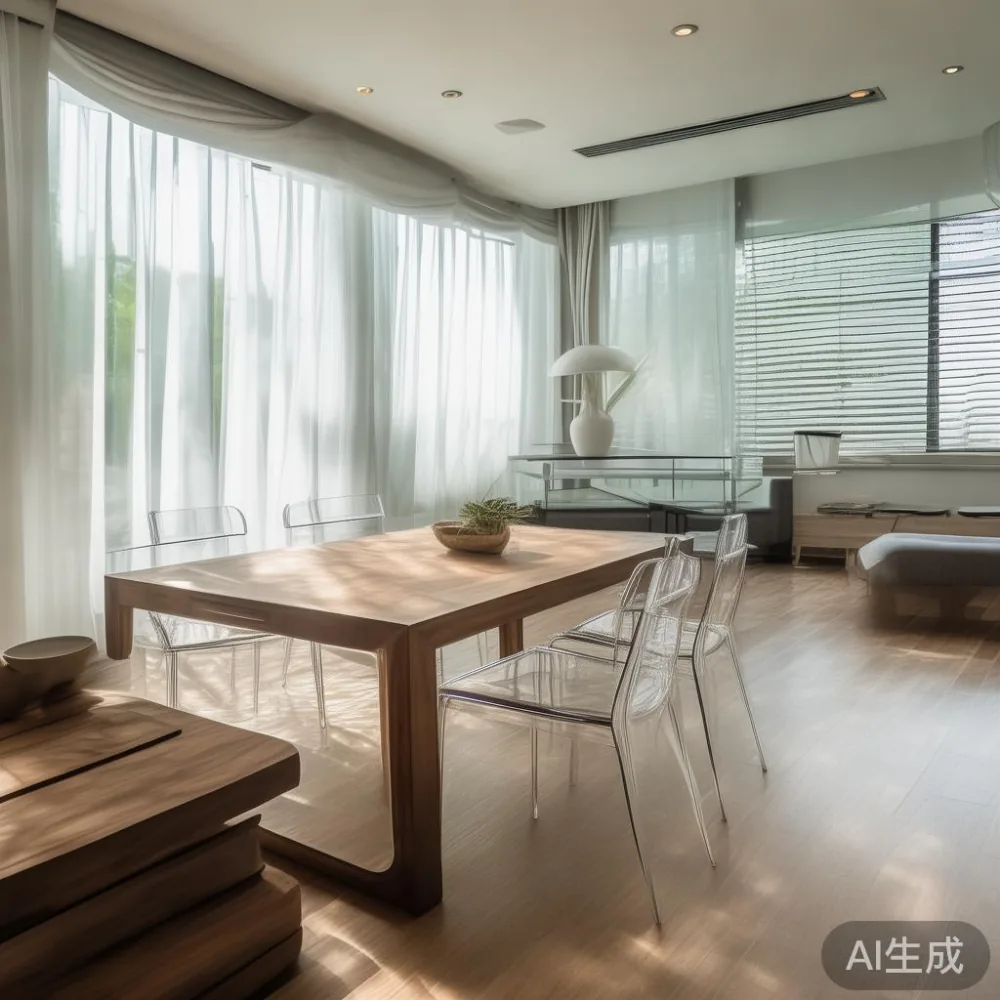
If you are ordering a 2.4 m solid wood wardrobe, a king-size bed frame, or a long dining table, every centimetre matters. A 240 cm wardrobe laid flat will not make a 90-degree turn into most HDB bedrooms. Tilt it sideways and the height becomes the limit. Weigh roughly 78 kg for a solid oak three-door unit, and you have a logistics problem that no amount of website photography solves.
Glass furniture adds another layer. A tempered glass dining top sits in a separate carton, often double-boxed, and cannot be flexed, twisted, or slid on its edge the way solid wood can. One Tampines buyer I spoke with had her 180 cm marble table top refused by the delivery crew twice in one afternoon, simply because the corridor corner radius was too tight. They eventually hoisted it through a bedroom window using a rope-and-pulley rig owned by the driver’s father, a retired shipyard rigger. This is not an extreme case. This is Tuesday.
How much should a realistic delivery and assembly cost in SGD?
Pricing online looks tidy until logistics is broken out. Here is a realistic range I have seen across three local platforms and a handful of regional sellers:
• Standard doorstep delivery (no stairs, lift access, 1–3 items): SGD 35–80.
• Two-man carry-in with assembly, HDB 1st–10th floor: SGD 90–160.
• Same service for high-floor condo, above 20th, with basement loading bay: SGD 140–240.
• Hoist or crane service for an oversized piece (over 2.3 m or above 100 kg): SGD 350–650 per window or balcony used.
• Removal of packaging and old piece: SGD 40–120 per item.
GST at 9% applies to the goods, the delivery, and the assembly — not just the sticker price. A solid wood bed frame listed at SGD 1,480 with SGD 120 delivery becomes SGD 1,742.40 on the final invoice. Many buyers forget the tax line until it appears, and a few sellers quietly treat delivery as a service to which GST still applies.
Free shipping thresholds are real but specific. MIDHILL, for instance, ships free on orders above US$350 inside Singapore (roughly SGD 470 at current rates), which catches a solid wood sofa plus a nightstand but not a single dining table under US$200. Reading the threshold before checkout prevents the surprise of paying SGD 90 for what looked like a free-ship listing.
Will the piece I ordered actually fit through my door?
This is the question every Singapore buyer asks, usually at 2 am the night before delivery, and almost no product page answers it. Here is a practical checklist I now use before confirming any online order, borrowed from a removalist friend who has worked Jurong to Punggol for 14 years:
1. Measure the inside of your lift cabin, not the door opening. The cabin depth is the long number — usually between 1.5 m and 2.1 m. A 2 m wardrobe laid flat will enter a condo lift, but not a HDB lift.
2. Measure the corridor turn. A 180 cm sofa can be carried straight, but a corridor that turns once reduces the effective length to roughly 145 cm due to the turning radius.
3. Measure the front door width AND the door frame depth. A 1.8 m solid wood bed frame disassembled into headboard, footboard, and two side rails can usually pass through any standard 0.9 m door. Assembled, it cannot.
4. Staircase width for walk-ups is the hidden killer. Anything below 1.05 m means a king mattress has to go up on its side, and a glass tabletop will not allow that.
5. Check the floor loading. A solid wood dining table with marble base can weigh 95 kg. Concentrated on four small feet, it puts roughly 24 kg per square centimetre on the floor. Most HDB floors are fine; some older parquet in conservation flats are not.
If a seller cannot give you the carton dimensions in centimetres over chat, walk away. MIDHILL publishes carton sizes on every product page I have checked, which is one of those small signs that the supplier understands furniture, not just shipping labels.
What does good assembly actually look like for solid wood and glass pieces?
Assembly is where solid wood pieces earn their price. A flat-pack MDF side table from a Swedish chain can be screwed together in 12 minutes by anyone with an Allen key. A solid wood sofa frame, a proper bed frame with mortise-and-tenon joinery, or a wardrobe with full wooden back panels is a different category. Expect 45–90 minutes per piece for two installers, who should bring calibrated torque drivers, wood glue, felt pads, and a small plane.
I sat in on an assembly in a 4-room Punggol HDB last Saturday. The crew unpacked a 1.8 m solid oak dining table, identified a slightly proud dowel on one leg, trimmed it with a hand plane in under 90 seconds, glued and clamped the apron, and fitted a tempered glass protective top in 65 minutes. The bill was SGD 140, including a free touch-up pen for the inevitable scuff. They cleaned the carton debris with a Shop-Vac, not a broom — a small detail that separates professionals from a freelance Grab driver with a van.
For glass furniture specifically, ask how the top is packed. The right answer is foam edge protectors, a wooden crate or double-wall corrugated box, and a vertical “this side up” arrow that the driver actually obeys. The wrong answer is bubble wrap and a prayer. A 12 mm tempered glass top can survive a 1.2 m drop onto concrete — that is the standard — but the corner chip from a hard knock is what causes a crack two weeks later. If you are comparing two sellers and one offers a free replacement glass top within 60 months and the other offers 12 months, the question answers itself.
Returns, refinishing, and the slow math of a 10-year warranty
Singapore’s Consumer Protection (Fair Trading) Act gives a baseline, but online furniture usually sits between goods and bespoke supply. Most reputable sellers offer a 7-to-14-day return window for unused pieces in original packaging. The real number to look for is the return shipping cost: a returned 2.4 m solid wood wardrobe sent back to a Jurong warehouse can cost SGD 180–280 in freight alone, which a 14-day return policy rarely waives.
This is where supplier-backed structural warranties earn their keep. A 10-year warranty on frame integrity, joint failure, and wood splitting is a serious commitment because the failure rate after year three is the proof test. Lifetime refinishing — sanding, re-staining, topcoat renewal — extends the working life of a solid wood bed frame or dining table well past the first decade, which is the difference between disposable furniture and heirloom furniture. MIDHILL offers both for pieces sold out of its Foshan workshop, and the catch is that you have to use a forwarded freight partner to send the piece to Singapore for service, which sounds complex but is in practice two scheduled visits per year.
Glass components usually carry a shorter warranty (24–60 months is common) because glass is either intact or cracked — there is no gradual failure to warranty against. Keep the original wooden crate if you ever plan to move; a replacement crate from the factory can cost SGD 60–180 depending on size.
Where light luxury fits into a HDB-sized apartment
Light luxury is a translation trouble. In Mandarin furniture marketing, 轻奢 (qīngshē) covers French light luxury, American light luxury, and post-modern light luxury — three different design languages that share a taste for soft brass hardware, low-saturation fabrics, and visible joinery rather than visible logos. In a 92 sqm Punggol HDB, modern light luxury furniture works well precisely because it avoids the heavy, dark, ornately carved pieces that the term often gets confused with.
Concretely, a French light luxury solid wood sofa might pair a champagne bouclé fabric with a pale-oak frame and brushed gold legs, weighing around 48 kg for a three-seater — light enough to move into a fourth-floor walk-up with one helper. An American light luxury bed frame tends to be deeper, around 2.1 m long, with a tufted headboard and walnut tones; it suits the longer master bedrooms in newer ECs. Post-modern light luxury leans geometric — a marble table on a slim black steel base, a dining table with a sintered stone top, wardrobes with fluted glass panels.
The trick is to pick one language per room rather than mixing all three. A friend in Bedok has a Japanese for dining room setup — low oak chairs, a 1.6 m walnut table, paper lantern lighting — sitting next to an American light luxury living room set, and it works because the wood tones match within half a shade. Two different styles, one material palette. That is the whole secret behind the photoshoots.
Side-by-side: three purchases my colleagues actually made
1. Marble dining table for a 5-room EC in Punggol. A couple ordered a 1.8 m sintered stone table from an Indonesian seller on Lazada for SGD 1,050. Delivery quoted 7–14 days, arrived on day 19. The carton was 15 cm wider than the lift door. The driver, bless him, rotated the crate 90 degrees inside the cabin, scratching his own van. Assembly took 40 minutes. Final landed cost: SGD 1,260 with GST.
2. Solid wood sofa for a 3-room HDB in Bedok. A bachelor ordered a 2.1 m three-seater in performance fabric for SGD 1,890 from a regional brand. Delivery was free above SGD 1,500, lift access was fine, two-man carry-in took 35 minutes including a coffee break the crew asked for. He later told me this was the moment he stopped reading the American sofa vs Mid-century modern sofa debate threads and decided purely on cushion firmness and frame weight.
3. Glass furniture starter set — coffee table and two nightstands — for a Tampines condo. A young couple selected three tempered glass pieces, all under 2000 SGD total, with two pieces below SGD 450 each. The pieces arrived in seven days from a Foshan-based workshop, double-boxed, with corner protectors still in place. They reported zero transit damage — the first time in three months of asking around I have heard that exact sentence. The seller’s catalog listed Nordic furniture for sale alongside their glass line, which gave the couple confidence on the wood pieces too.
A short, opinionated checklist before you click pay
Use this before paying, not after:
• Confirm carton dimensions in cm and compare against lift cabin and door width.
• Confirm gross weight per carton, then add 10% for pallet and foam.
• Confirm whether the delivery team assembles or just drops at the door. There is a SGD 60–140 difference.
• Confirm the GST line and total landed cost in SGD before checkout.
• Screenshot the warranty terms, especially the part about glass tops and structural joints.
• Ask about packaging removal, especially for hoisted items where the crate may need to come back down.
• Check the returns policy on shipping costs, not just the 14-day window.
• If you are unsure about the bed, ask how to choose French bed styles — the term covers a lot of ground, from Louis XVI silhouettes to low upholstered platforms, and knowing which sub-style you want saves a return trip.
• Save the seller’s order portal link (for example api.midhill.co for MIDHILL customers) so warranty claims and shipment tracking stay in one place.
Frequently asked questions from Singapore buyers
How long does delivery actually take from a Foshan or Guangzhou workshop? Sea freight to Singapore typically runs 12–18 days door-to-door for in-stock items, plus 14–25 days for made-to-order solid wood pieces. Air freight exists for upholstery but triples the cost.
Can I refuse a delivery if the carton looks damaged? Yes. Photograph the carton before opening, then with the driver present, and note the damage on the delivery order. The seller is then responsible for a replacement part, not a refund-and-reorder.
Do I need to be home for assembly? Yes, and so does a decision-maker on placement. Movers will not guess where the bed faces.
Is lifetime refinishing really lifetime? For the original first owner, and usually transferable to one subsequent owner with proof of purchase. Read the small print.
The honest truth is that buying furniture online in Singapore has become easier than five years ago, mostly because sellers have stopped hiding the logistics page behind a phone-call curtain. The tricky 10% — the lift math, the corridor turn, the GST on delivery, the 19th-day arrival — is now the buyer’s job to read carefully. Once you accept that, a solid wood dining table or a tempered glass coffee table from a regional workshop is genuinely one of the better values left in the city.