Bandingan Kost Umum Meja Kayu dan Kain di Rumah Singapura
Choosing between veneer and solid wood is rarely a simple price comparison. In a compact Singapore home, the purchase price is only one part of the calculation. Floor area, lift access, humidity exposure, expected repair frequency and resale value can all affect the cost over 5 years. The same decision also appears when sourcing for sale Italian light luxury furniture, where material choices influence the final look without needing oversized construction.
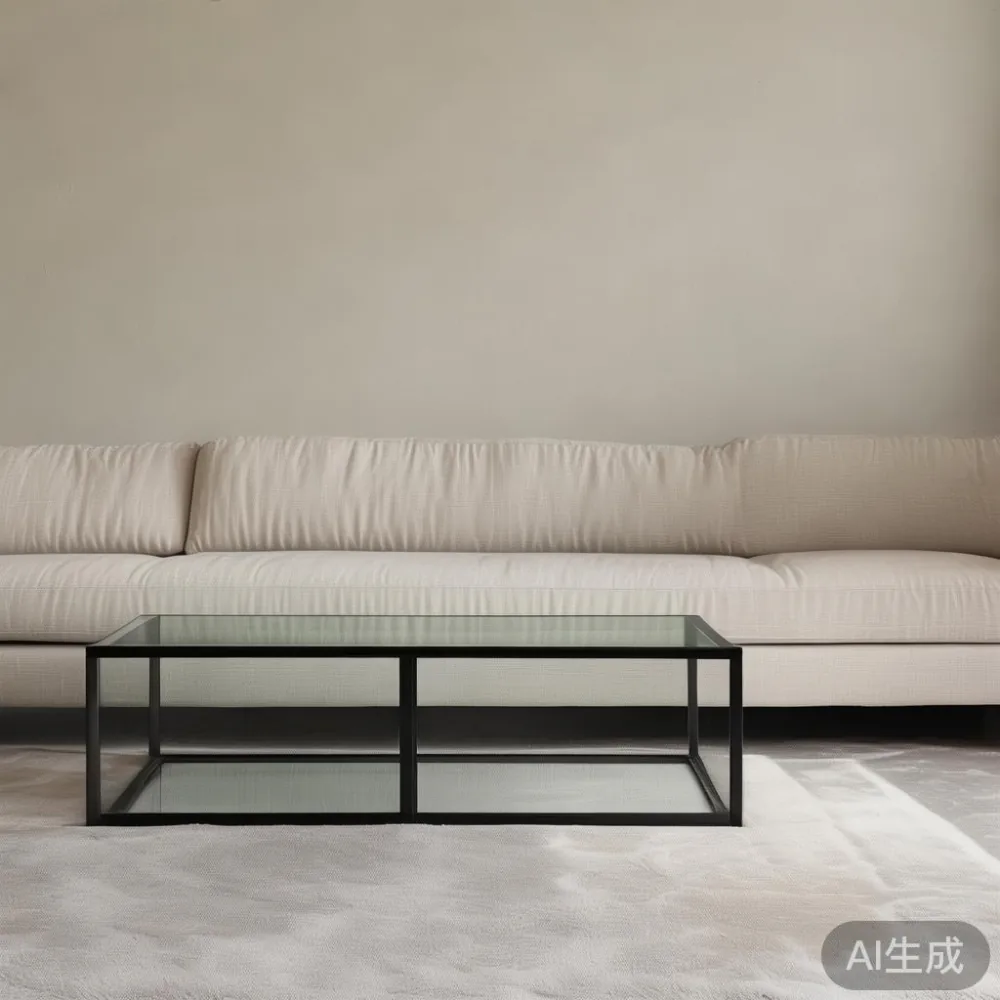
This guide compares typical veneer furniture with solid wood equivalents using Singapore dollars, practical dimensions and conservative ownership assumptions. It also considers glass furniture, especially glass-top dining tables, because the timber frame beneath the glass affects both installation and long-term maintenance. The figures are planning estimates rather than quotations; exact costs vary by dimensions, finish, hardware and supplier.
What is the real 5-year cost difference between veneer and solid wood?
For a representative dining table, a 180 × 90 cm veneer model may cost SGD 1,280, while a comparable solid oak table costs SGD 2,180. A 160 × 80 cm veneer dining table might cost SGD 1,050, compared with SGD 1,780 for solid rubberwood or oak. These are typical retail ranges, not fixed prices, and delivered Singapore prices can change after GST and delivery charges.
The table below assumes one table, normal household use, a 5-year ownership period and no severe water damage. Annual maintenance for veneer is estimated at SGD 35, while solid wood averages SGD 70. Repair reserves are SGD 75 per year for veneer and SGD 45 for solid wood because edge chips, veneer peeling and surface scratches can require specialist work.
| Item | Veneer total | Solid wood total |
|---|---|---|
| 160 × 80 cm dining table | SGD 1,050 | SGD 1,780 |
| Maintenance over 5 years | SGD 175 | SGD 350 |
| Repair reserve over 5 years | SGD 375 | SGD 225 |
| Estimated 5-year cost | SGD 1,600 | SGD 2,355 |
| Difference | SGD 755 | |
On this example, solid wood costs about 47% more over 5 years. That does not make veneer automatically preferable. A well-built solid wood dining table may survive the period in better condition, while a low-grade veneered table may delaminate if its edges are exposed. The construction method matters as much as the material label.
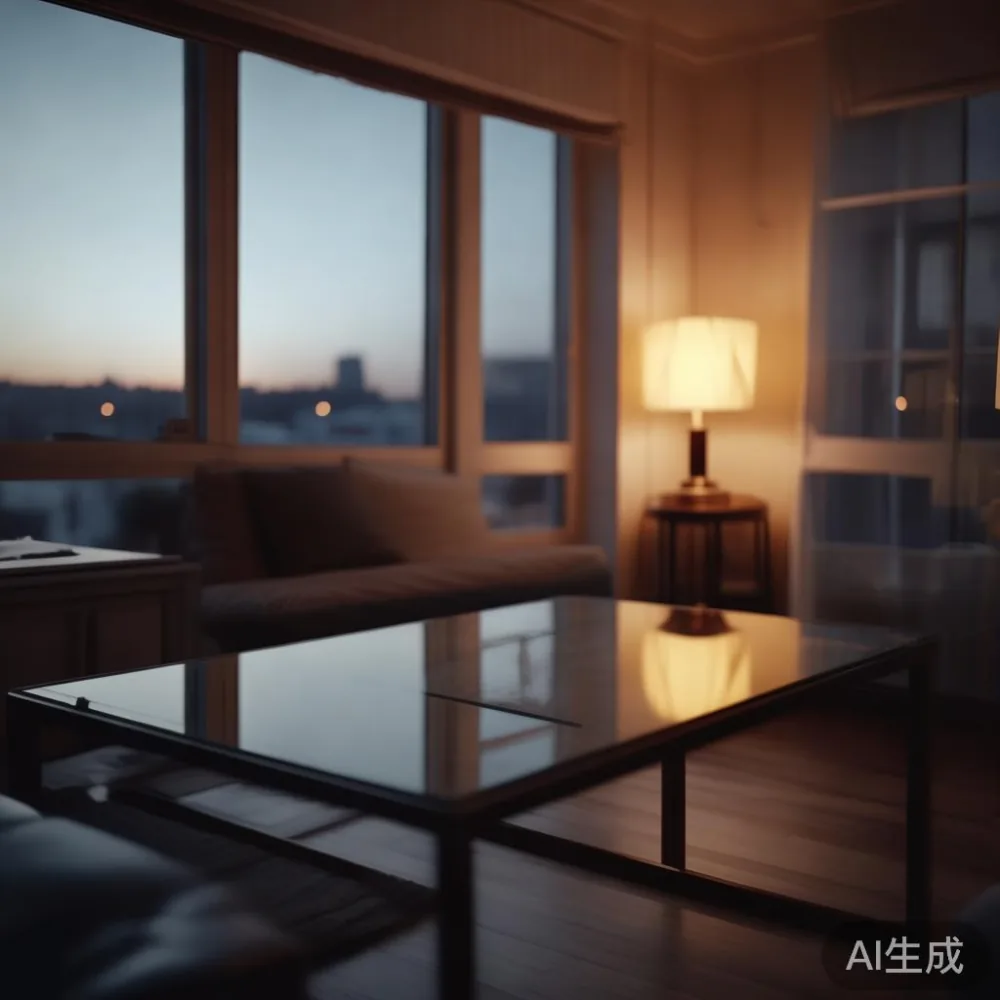
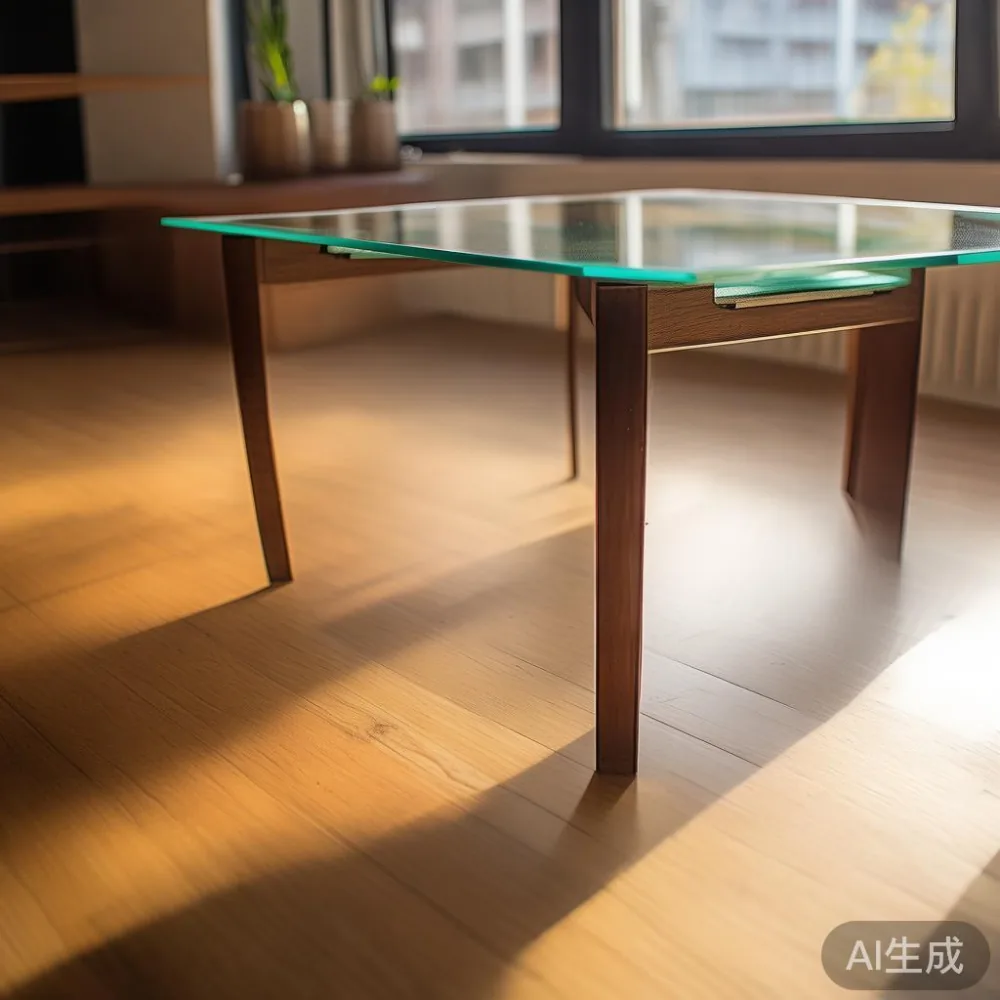
For glass furniture, a 160 × 80 cm dining table with a 10 mm tempered-glass top adds roughly SGD 420 to the delivered price. Veneer and solid wood frames both use the same glass, but solid wood may require heavier supports or a thicker subframe. If that adds 8–12 kg, delivery can become more expensive when the item must move through a narrow HDB corridor or ride in a small lift.
How does Singapore humidity affect veneer and solid wood?
Singapore’s humid climate makes substrate stability important. A typical indoor environment might sit between 24–30°C and 55–80% relative humidity. Direct coastal exposure is more demanding, especially in open areas of Tampines, Bedok and Punggol where air-conditioned interiors still connect to humid corridors and service yards.
High-quality veneer is thin real wood, often 0.6 mm, bonded to engineered wood or a stable core. It can handle ordinary indoor use well when sealed on all faces. Solid wood is not immune to movement; an oak tabletop may expand 3–6 mm across its width as humidity changes. Small movement is normal, while repeated swelling and drying can open joints or stress lacquer if moisture reaches the timber.
Solid wood offers one practical advantage: a deep scratch can often be sanded and refinished. Veneer cannot be repaired in the same way because sanding through 0.6 mm exposes the core. This difference is central to the 5-year calculation. A minor repair on solid wood might cost SGD 80 locally, while replacing a damaged veneered panel could cost SGD 220–350.
Storage areas with persistent dampness require caution. For a wardrobe or bed frame, leave 5–8 cm of ventilation space where practical and avoid placing solid timber directly against an untreated exterior wall. A moisture meter reading above 20% on the panel surface suggests the finish should be inspected before the next humid period.
Does the initial solid wood price disappear after 5 years?
Not usually. Solid wood can retain more value because its structure can be repaired, but a poorly designed piece will not recover its full premium. A Singapore buyer should subtract the expected resale loss from the purchase price and add repair, maintenance and delivery costs.
Assume a veneer dining table is bought for SGD 1,050 and sold after 5 years for SGD 250. A solid wood table bought for SGD 1,780 and sold for SGD 600 produces different ownership costs. The veneer unit loses SGD 800, while the solid wood unit loses SGD 1,180 in resale terms. Solid wood starts ahead, but the gap narrows when repairs and residual value are considered.
| 5-year cash-flow component | 160 × 80 cm veneer | 160 × 80 cm solid wood |
|---|---|---|
| Purchase price | SGD 1,050 | SGD 1,780 |
| 5 years of maintenance | SGD 175 | SGD 350 |
| 5 years of repairs | SGD 375 | SGD 225 |
| Less estimated resale value | SGD 250 | SGD 600 |
| Net 5-year ownership cost | SGD 1,350 | SGD 1,755 |
The solid-wood premium is about SGD 405 on these assumptions, not SGD 730. Resale depends on condition, brand, design and completeness. A scratched table with missing hardware may sell for less even if it is solid wood. Veneer in good condition can also retain value when its visual match to the original specification is strong.
This is why French provincial for dining room shoppers should compare entire furniture sets rather than material names alone. A French provincial-style dining table with carved edges may demand more labour to refinish than a plain solid wood table, even if both use oak. Post-modern light luxury design can use veneer successfully, and French light luxury styling often relies on restrained finishes that do not require heavy carving.
How do HDB lifts, corridors and delivery affect the real bill?
A flat-pack or disassembled table may fit into a lift, while a fully assembled solid wood table may not. Measure the lift door, lift car and turning route before ordering. A common HDB lift door is around 70–90 cm wide, but the internal turning space can be much tighter. Corridors with 90 cm widths and right-angle turns can require the table to be carried diagonally.
Local delivery within Singapore may cost SGD 45–90 for a normal item, with extra charges for carrying above the ground floor. A second-floor HDB flat without a lift may add SGD 40–80. The delivery period for made-to-order furniture is commonly 21–45 days, and peak renovation periods can extend it to 60 days.
Weight is another practical factor. A veneer dining table may weigh 28–38 kg, while a solid wood version may weigh 45–65 kg. A glass-top model can reach 55–80 kg. For a two-person move, professional carrying is sensible. Damaged glass is also less economical to replace than a wooden panel because a new top must be measured, ordered and fitted.
MIDHILL’s production background in Foshan furniture is relevant because factory packing and component design can reduce unnecessary shipping volume. A piece that arrives as four protected panels may move more easily through a Bedok condo corridor than one large solid frame. Customers should still request the packed dimensions, weight and lifting access method before payment.
Which option works for wardrobes, bed frames and other high-use furniture?
For a 150 × 200 cm bed frame, a veneered option might cost SGD 1,180 and weigh 35 kg. A comparable solid wood frame might cost SGD 1,980 and weigh 52 kg. Over 5 years, assume veneer needs SGD 300 in repairs and SGD 200 in refinishing, while solid wood needs SGD 180 in repairs and SGD 300 in refinishing. Including estimated resale values produces a similar pattern to the dining-table example.
Wardrobes deserve more attention because moving panels can create small gaps. A 120 × 60 cm modular veneer wardrobe may cost SGD 1,450, with a solid wood version at SGD 2,350. Hardware replacement during the period should be budgeted at SGD 90–160 per unit. The larger cabinet may need 2–3 delivery workers and an extra 10–20 minutes of unpacking, costing about SGD 80 more.
Nightstands are easier to compare. A 45 × 40 cm veneer model may cost SGD 280; a solid wood version may cost SGD 460. Their lower weight means installation is less costly, but moving them often creates dents and scuffs. A padded mat and 2-person lift can prevent most transport damage.
A solid wood sofa normally combines a timber frame with upholstered cushions, so the wood comparison applies mainly to the exposed frame. For an upholstered bed frame, the same question concerns visible rails, legs and headboard. Industrial for guest room furniture should be interpreted as durable, space-conscious construction rather than rough decoration: a 90 × 200 cm guest bed, for example, should have a stable frame and a footprint that suits a multipurpose HDB room.
Modern light luxury with storage is especially important in condos where fitted joinery competes with movable furniture. A veneer wardrobe can provide drawers and hanging space at a lower entry cost, provided the moving parts are engineered for repeated use. Buyers should open and close every drawer, inspect the hanging rail and check that the carcass remains square after assembly.
What did I see when I tested a glass-top table?
Last month I visited a customer’s three-bedroom condo in Tampines and tested a 160 × 80 cm dining table with a 10 mm tempered-glass top. The solid wood frame had a satin lacquer finish, while an earlier veneer version in the same home had a dark edge peel after 4 years. The customer kept a damp cleaning cloth on the veneer table and once dragged a metal chair leg across its corner.
During the visit, I checked movement with a straightedge across the tabletop and found about 3 mm of seasonal variation. The glass itself was level within 1 mm. The owner had wiped the wood with water immediately after a spill, which the finish could tolerate, but the same habit had damaged the untreated veneer edge. This real example confirmed that solid wood was easier to restore locally. A light sand-and-repair estimate was SGD 110, whereas replacing the veneer strip and matching its sheen was quoted at SGD 240.
The glass did not prevent moisture reaching the timber beneath it. Its perimeter seal was sound, but condensation formed during one air-conditioned evening. The lesson is practical: clean the underside, keep ventilation gaps and avoid leaving wet coasters beneath a glass furniture top.
How should a Singapore buyer compare a 5-year quote?
Ask for the material of the visible surfaces, the core material, the finish, the joinery, the loaded dimensions and the delivered weight. “Solid wood” on a small drawer may describe only the drawer front rather than the carcass. A practical specification should state details such as “solid rubberwood frame, 18 mm MDF panels with 0.6 mm oak veneer” for a mixed construction.
Then request a written 5-year budget. For a table, include the purchase price, GST if not shown, delivery, assembly, hardware reserve, annual cleaning products and expected refinishing. The free shipping threshold of US$350 mentioned by MIDHILL applies to qualifying orders, but a Singapore buyer should still verify the final freight, customs treatment and doorstep delivery charge in the quotation rather than assume every service is included.
For comparison shopping, for sale Modern furniture listings should be judged by construction and landed cost. The European bed vs Nordic bed comparison may change the aesthetic but not automatically improve durability. A heavier bed is not always better engineered; inspect corner joints, centre supports, drawer slides and the warranty terms.
A marble table offers another useful contrast. A 120 × 70 cm marble-top table may weigh 45–60 kg and add SGD 550–900 to the frame price. Its surface is durable, yet the stone can chip during handling. This makes packaging and lift planning more important, not less. Solid wood under marble should be checked for flex because the stone adds substantial load.
MIDHILL provides a 10-year structural warranty and lifetime refinishing on applicable solid wood products, with 14-day return terms as stated in its customer policy. These protections can reduce uncertainty, but buyers should confirm whether the specific table, bed frame, wardrobe or nightstand is covered and how refinishing charges are assessed. Lifetime refinishing does not mean every accidental scratch is free.
Which material should you choose?
Choose veneer when the budget is limited, the visual result matters and the furniture will be protected from dampness and edge impacts. It is a rational option for a 160 × 80 cm dining table, a fitted wardrobe or a lighter nightstand. Budget SGD 35–60 per year for careful maintenance and keep a repair reserve of about 15% of the purchase price.
Choose solid wood when the piece will be moved repeatedly, exposed to pets or children, expected to remain for more than 5 years, or when local refinishing is important. For a 180 × 90 cm dining table, a premium of SGD 700–1,000 may be reasonable, but compare construction and delivered weight rather than timber name alone.
For glass furniture, select tempered glass of the stated thickness, check the seals and budget for two people to install the top. A marble table may suit a formal dining room, while a glass-top solid wood table can preserve visual openness in an HDB dining zone. The most economical choice is the one that fits the room, the lift route and the household’s care habits over the full 5-year period.