What Actually Drives the Price of Solid Wood Furniture?
When furnishing a Singaporean home, whether it's a compact HDB flat in Tampines or a spacious condominium in Punggol, the choices can feel overwhelming. The material, the style, the price—each decision impacts the look, feel, and longevity of your space. Among the many options, solid wood furniture stands out for its timeless appeal and durability. Yet, its price tag can vary dramatically, from a few hundred to several thousand Singapore dollars. Understanding the factors that contribute to this cost is key to making an informed investment. This article breaks down the tangible elements that determine the price of solid wood furniture, helping you see beyond the surface.
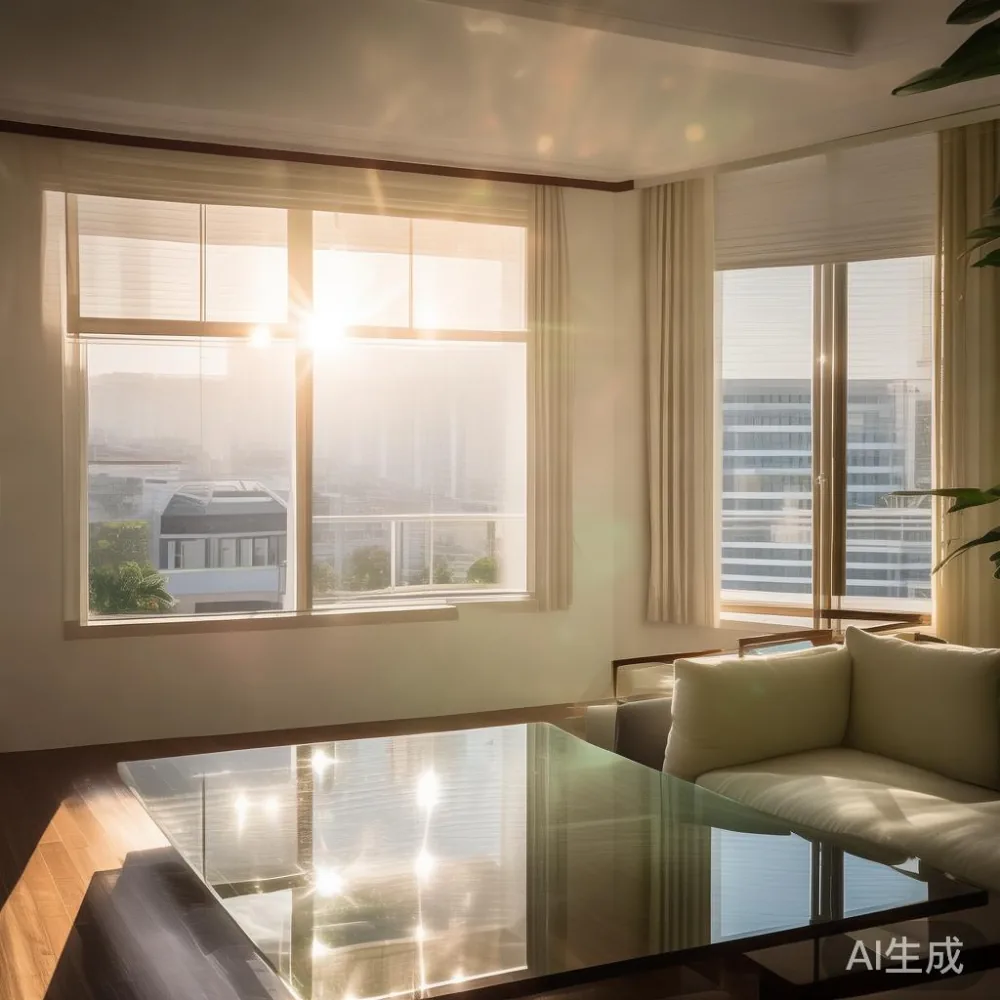
Is Solid Wood Furniture Really Worth the Premium Price?
The simple answer is yes, but the reasons are rooted in tangible value. Solid wood furniture is not a mass-produced commodity; it's a crafted product. The premium you pay reflects the quality of the raw material, the skill of the artisan, and the longevity of the piece. Unlike furniture made from particleboard or veneers, a solid wood dining table or wardrobe can be sanded down and refinished multiple times over decades. This potential for a lifetime of use, combined with a 10-year structural warranty from established makers like MIDHILL, represents a significant long-term value. For a Singaporean family, this means a piece that can adapt to changing homes, from a Bedok HDB to a Punggol condo, without needing replacement. The initial cost is an investment in furniture that can be passed down, unlike cheaper alternatives that may warp, crack, or simply fall apart within a few years.
The Material Matters: Hardwood vs. Softwood and Geographic Origin
The single most significant factor influencing price is the wood itself. Not all wood is created equal, and the type used directly impacts the cost, durability, and final appearance of your furniture. The price difference between a solid wood sofa made from Sheesham and one made from Oak can be substantial.
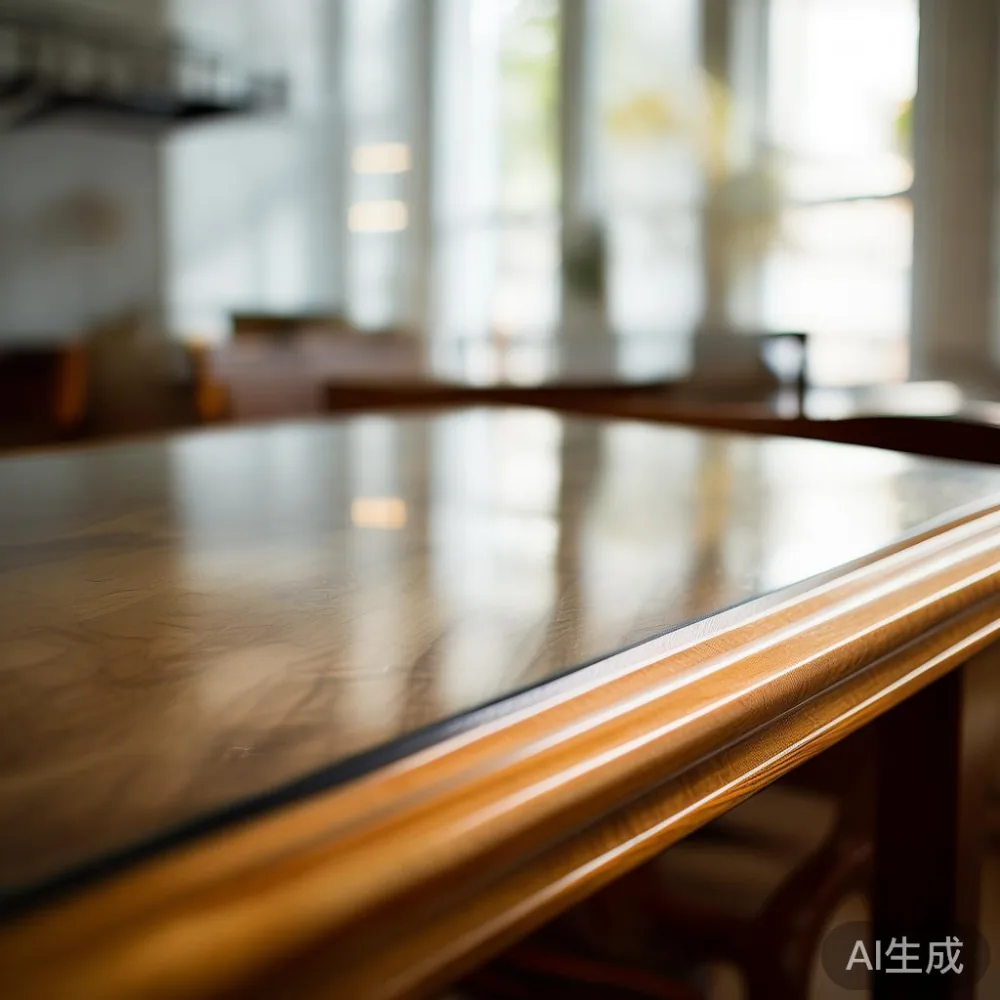
Hardwood vs. Softwood: Hardwoods, like oak, maple, walnut, and mahogany, come from deciduous trees. They are denser, more durable, and have a more complex grain pattern. This makes them ideal for high-traffic areas and furniture that needs to withstand years of use, such as a dining table or bed frame. Softwoods, like pine and cedar, come from coniferous trees. They are generally less expensive, lighter, and have a more uniform grain. While beautiful and suitable for items like nightstands or wardrobes, they are more susceptible to dents and scratches. A solid oak dining table might cost SGD 3,500, while a comparable pine table could be priced around SGD 1,800.
Geographic Origin and Sustainability: The origin of the wood also plays a important role. Woods like European Oak or American Walnut are often more expensive due to slower growth rates, higher demand, and the cost of sustainable logging and shipping. A European light luxury dining table, for instance, commands a premium for its refined aesthetic and the stringent environmental standards governing its harvest. Conversely, woods like Sheesham (Indian Rosewood) or Acacia are more readily available and offer a beautiful, rich grain at a more accessible price point. The logistics are a factor too; importing a 120 cm marble table top from Italy incurs shipping costs and potential GST, which is factored into the final price you see in Singapore.
Why Craftsmanship and Joinery Techniques Drive Up the Cost
A piece of furniture is more than just a block of wood; it's a structure held together by joinery. The method used to connect the pieces is a hallmark of quality and a primary driver of price. Cheap furniture relies on staples, nails, and glue. High-quality solid wood furniture uses traditional joinery techniques that create strong, interlocking connections.
Think about a wardrobe. A mass-produced one might use a simple butt joint glued together. A well-crafted wardrobe from a reputable maker will feature dovetail joints in its drawers, which are renowned for their strength and resistance to pulling apart. Mortise and tenon joints are used to connect the frame, providing superior stability that prevents the structure from riddling over time. These techniques require skilled hands, specialized tools, and more time to execute. My colleague last month visited a workshop in Foshan and watched a master craftsman hand-cut dovetail joints for a drawer. It took him over two hours for one drawer, a process that a machine can do in seconds but with far less durability. This skilled labour is a significant part of the final cost, ensuring the piece is not just beautiful but structurally sound for decades.
Design Complexity and Finishing: The Art of the Detail
The design of a piece and the finishing process are where artistry meets function, and they add considerable value to the price tag. A simple, straightforward design will always be less expensive than one with intricate details.
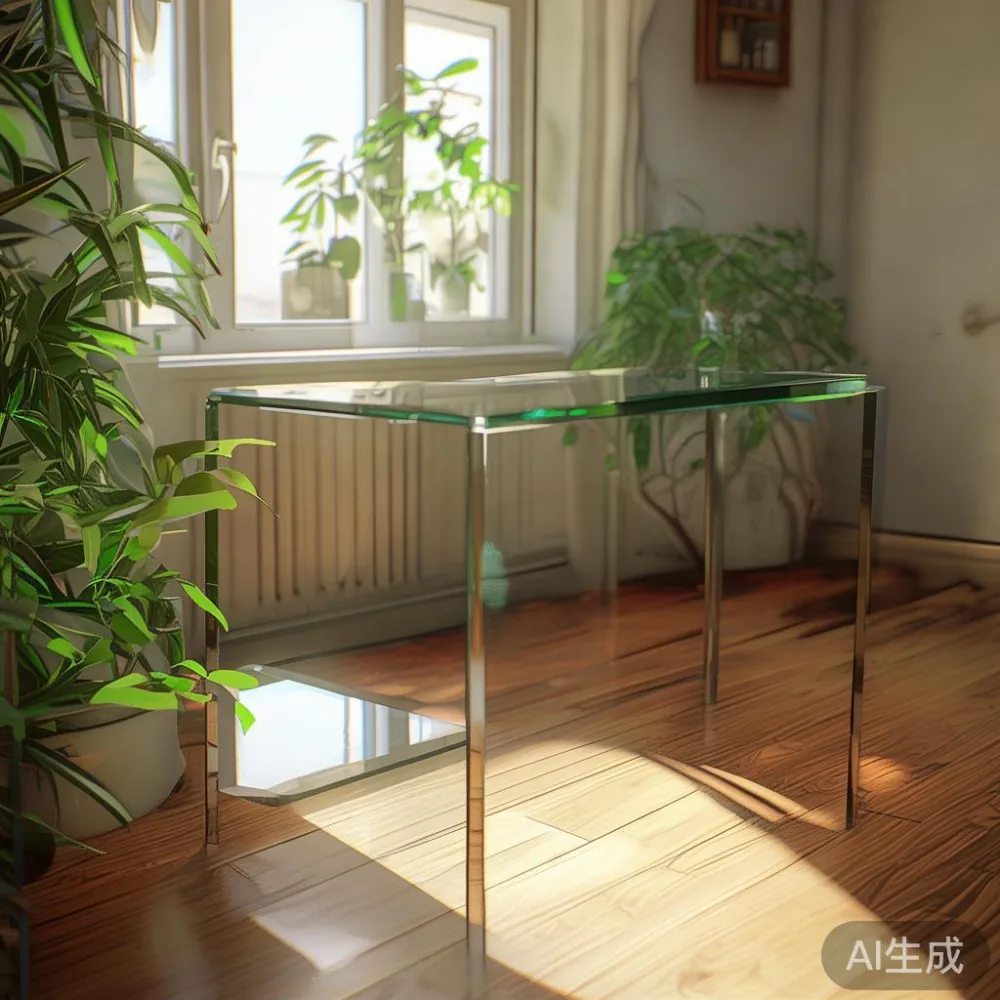
Design Complexity: A minimalist, post-modern bed frame with clean lines will be less labour-intensive to produce than a French light luxury bed frame featuring ornate carvings, curved legs, and elaborate mouldings. The same applies to glass furniture. A simple glass coffee table with a straightforward base is less complex than a dining table with a glass top supported by a sculptural, hand-forged metal base. The complexity of the design directly translates to the number of hours a craftssperson must spend shaping, sanding, and assembling the piece.
Finishing and Hardware: The finish is what protects the wood and gives it its final character. A basic stain and lacquer finish is standard. However, a high-end finish involves multiple steps of hand-sanding between each coat of oil or varnish, creating a deep, lustrous, and incredibly smooth surface that highlights the wood's natural grain. This process can take days for a single large dining table. Also, the hardware—the drawer pulls, the hinges for the wardrobe, the legs of the sofa—contributes to the cost. Solid brass or stainless steel hardware with a lifetime finish is more expensive than simple, plated zinc. A solid wood sofa with Italian light luxury detailing will feature high-density foam wrapped in premium fabric and finished with designer-grade hardware, justifying a higher price point.
How to Choose Mid-century Modern Bed: A Practical Consideration for Singaporean Spaces
Choosing the right style of furniture is not just about aesthetics; it's a practical decision influenced by your living space. Singapore's urban landscape, with its HDB flats and condos, presents unique challenges. The width of your corridor and the dimensions of your lift are critical factors that dictate the size and type of furniture you can bring into your home. A large, ornate wardrobe might be beautiful, but if it won't fit around a corner in your Tampines HDB's hallway, it's not a practical choice. This is where style-specific considerations come into play.
For example, a mid-century modern bed frame is an excellent choice for Singaporean homes. Its design often features tapered legs that raise the bed off the floor, creating a sense of space and making it easier to clean underneath. The lines are typically clean and uncluttered, which works well in smaller bedrooms common in condos. When considering how to choose a Mid-century modern bed, you should also think about the material and construction. A genuine mid-century piece is often made from solid wood like teak or walnut. The price reflects the quality of this wood and the classic joinery methods used. A well-made mid-century bed frame can be a timeless centrepiece for a bedroom, offering both style and durability.
Logistics, Warranties, and After-Sales Service: The Hidden Costs You Pay For
The price of a piece of solid wood furniture isn't just about the materials and labour in the workshop. It also includes the logistics of getting it from the factory in Foshan to your apartment in Singapore, plus the peace of mind provided by warranties and customer support.
Shipping and Handling: Solid wood is heavy. A solid wood dining table can weigh 50 kg or more. Shipping this item internationally requires careful packaging, often in custom wooden crates, to prevent damage during transit. This, combined with sea freight or air cargo costs, is a significant expense. For consumers, this is often simplified into a shipping policy. Many reputable brands offer free shipping for orders over a certain value, such as SGD 350. This means the cost is already built into the price of larger items, but for smaller purchases like a nightstand, a separate delivery fee of SGD 50 to SGD 100 might apply. Delivery itself can take 14 to 30 days, depending on the shipping method and customs clearance. This waiting period is part of the service you pay for.
Warranties and Returns: A 10-year structural warranty is a strong indicator of a manufacturer's confidence in their product. This warranty covers defects in the wood, joints, and frame, protecting your investment for a decade. Similarly, a lifetime refinishing policy means the company stands by the quality of its finish. These are valuable services that are factored into the price. A 14-day return policy also provides security, allowing you to inspect the furniture upon delivery to ensure it meets your expectations. These after-sales services are part of the total value proposition and justify a higher price compared to a seller who offers no such guarantees.
Post-modern for Small Living Room: Maximising Value in Compact Spaces
Furnishing a small living room, like those found in many Singaporean HDB flats, requires a strategic approach to maximise both space and value. The goal is to choose furniture that feels open, functional, and uncluttered. This is where a specific style can make a huge difference. The phrase 'Post-modern for small living room' describes a design philosophy that rejects minimalism's starkness in favour of bold shapes, mixed materials, and a sense of playful eclecticism.
A post-modern approach to a small living room might involve selecting a low-profile sofa in a neutral fabric to create an open feel, paired with a glass furniture piece like a console table. The transparency of the glass allows light to pass through, making the space feel larger. The key is to invest in a few, high-quality, statement pieces rather than filling the room with smaller, cheaper items. A single, well-crafted solid wood coffee table can serve as a functional centrepiece, while a stylish, compact marble table can add a touch of luxury without overwhelming the space. This strategy ensures that every dollar spent contributes to the aesthetic and function of the room, creating a sophisticated and comfortable environment without the need for excessive clutter.
What Are the Typical Price Ranges for Solid Wood Furniture in Singapore?
To give you a concrete idea of how these factors translate to price, here are some typical ranges for common solid wood furniture items in Singapore, keeping in mind the influence of GST and material costs.
Nightstand: SGD 250 - SGD 600. A simple Sheesham nightstand with a drawer will be at the lower end. A solid walnut nightstand with a hand-rubbed finish will be at the higher end.
Bed Frame (King Size): SGD 1,800 - SGD 4,500. The price depends heavily on the wood and design. A solid pine bed frame with a simple design is the most affordable. A solid oak or walnut bed frame with intricate headboard detailing or a French light luxury style will command a premium.
Dining Table (Seating 4-6): SGD 1,200 - SGD 5,000+. A basic solid wood table with straightforward legs sits at the lower end. A table with a marble top, a glass furniture alternative, or a complex base with carved legs can easily exceed SGD 3,000. A large, 180 cm European oak table with a 10-year warranty will be towards the top of this range.
Solid Wood Sofa: SGD 2,500 - SGD 8,000+. This is a significant investment. The price is determined by the frame (solid wood vs. a mix), the quality of the springs and foam, the fabric, and the design. A simple, two-seater sofa with a solid wood frame is the entry point. A large, L-shaped Italian light luxury sofa with premium leather and down-filled cushions will be at the highest end of the scale.
Wardrobe: SGD 800 - SGD 3,500+. A smaller, single-door wardrobe made from pine is the most basic option. A large, two-door or three-door wardrobe with solid oak construction, internal organisers, and soft-close drawers will be significantly more expensive.
Understanding these ranges helps set realistic expectations. When you see a solid wood dining table for SGD 800, you can be confident it uses a less expensive wood and simpler construction. A table at SGD 4,000 is likely made from a premium hardwood, features superior joinery, and comes with a comprehensive warranty.
Best Rustic bed for 2026: Planning for the Future of Your Home
As we look towards the future, the choices we make for our homes today should be durable and adaptable. When considering a new bed, thinking ahead is key. The phrase 'best Rustic bed for 2026' suggests a desire for a piece that is not only stylish now but will continue to feel relevant and comfortable in the years to come. A rustic style, characterised by its natural wood grain, simple lines, and often a slightly distressed finish, is incredibly timeless.
A solid wood rustic bed frame made from reclaimed or solid Sheesham wood offers a warmth and character that complements a variety of interior design schemes, from industrial to Scandinavian. Its durability ensures it will withstand daily use for years. When selecting such a piece, consider the warranty. A 10-year structural warranty from a maker like MIDHILL means the bed frame is built to last, a key consideration for a long-term investment. Choosing a rustic bed is about embracing a natural, enduring aesthetic that will not feel dated, making it a smart choice for the future of your bedroom in Singapore.