The 5-Year Financial & Lifestyle Comparison: Veneer vs. Solid Wood Furniture in Singapore
In the context of Singapore's urban living, where space is a premium and style is paramount, the choice of furniture extends beyond mere aesthetics. It is a long-term investment in your home's environment and your personal finances. The debate often narrows down to two primary materials: wood veneer and solid wood. Both offer distinct paths, but their financial and practical implications over a five-year period can be vastly different, especially when working through the specific challenges of Singapore Housing and Development Board (HDB) flats and condominiums in areas like Tampines, Bedok, and Punggol. This analysis provides a detailed, data-driven comparison to help you make a more informed decision for your home.
Understanding the Core Difference: Veneer and Solid Wood
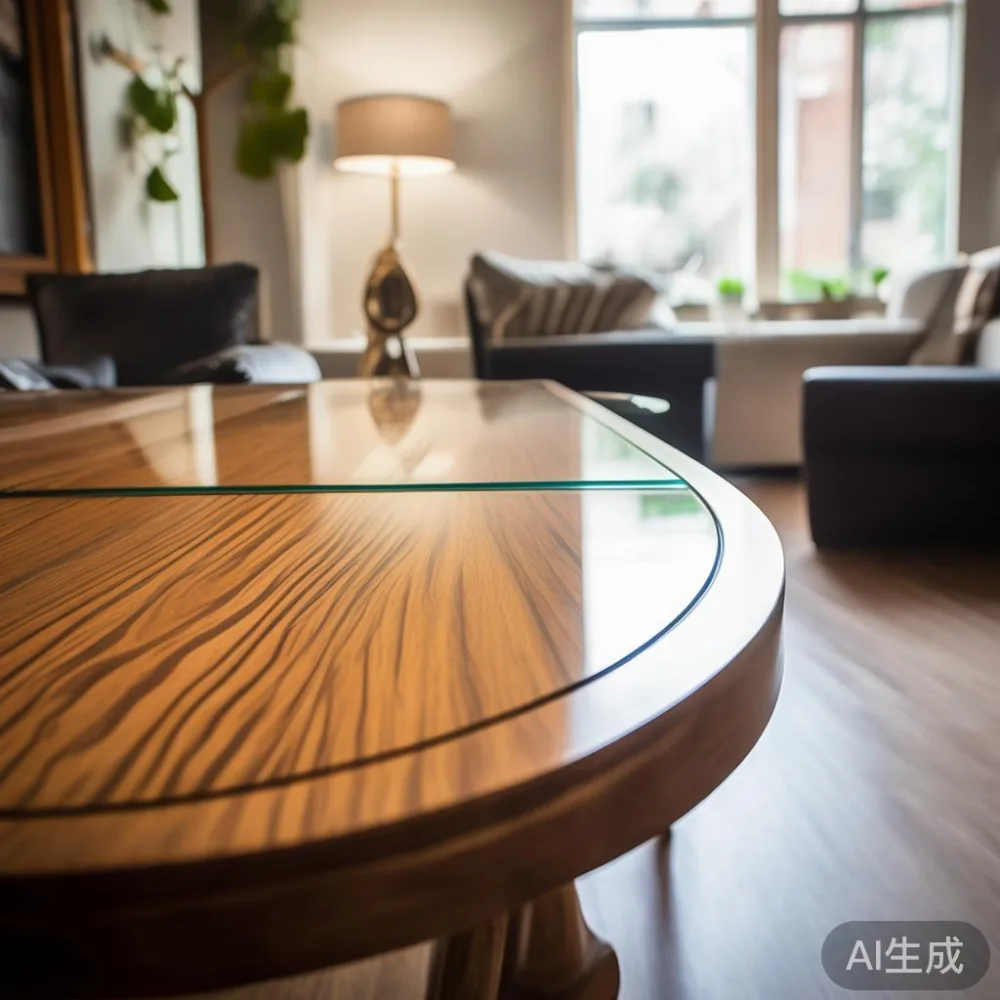
Before diving into costs, it is fundamental to understand what these terms mean. Solid wood furniture, as offered by established makers since 2008, is constructed from a single piece of lumber or solid planks of wood joined together. A solid wood dining table or bed frame is made entirely of wood, from the top surface to the legs and internal supports. This construction allows for natural wood movement, expansion, and contraction with changes in humidity. In Singapore's climate, which experiences high humidity and temperature fluctuations, this natural movement is a key characteristic of solid wood pieces.
Wood veneer, on the other hand, is a thin layer of real wood (typically 0.6mm to 3mm thick) applied over a core panel. This core can be made from various materials, such as Medium-Density Fibreboard (MDF), particleboard, or plywood. The veneer provides the look and feel of solid wood but at a lower material and manufacturing cost. The critical point of failure for veneer furniture is not the thin wood layer itself, but the substrate it is bonded to. When MDF or particleboard is exposed to moisture, it can swell, warp, or delaminate, causing the veneer to crack, bubble, or peel away.
Initial Purchase Price: The Upfront Cost Factor
The most immediate difference between veneer and solid wood is the initial purchase price. For a typical four-seater dining table, a solid wood option might cost between SGD 2,800 and SGD 4,500, depending on the wood species (e.g., solid oak, mango wood). A comparable veneer dining table could range from SGD 1,200 to SGD 2,200. This initial saving of SGD 1,600 to over SGD 2,300 is significant and often the primary appeal for many homeowners.
Similarly, for a queen-sized bed frame, a solid wood model might be priced from SGD 1,800 to SGD 3,200. A veneer version could be found for SGD 900 to SGD 1,600. The price disparity holds true for other pieces like wardrobes and nightstands. A solid wood wardrobe with two doors and three drawers could cost SGD 2,500 to SGD 4,000, whereas a veneer equivalent might be SGD 1,400 to SGD 2,200. These figures reflect the higher cost of raw materials and the more complex craftsmanship required for solid wood construction.
However, this initial price difference does not tell the whole story. It is merely the starting line of a longer race. The true cost of ownership is revealed over time, through maintenance, repairs, and longevity.
Longevity and Durability: A 5-Year Perspective
The durability of furniture in a Singaporean home is heavily influenced by the environment. Our high humidity can wreak havoc on poorly constructed pieces. Solid wood furniture is inherently more resilient. A well-made solid wood sofa frame or bed frame can withstand decades of use. The natural patina that develops on solid wood over years is often considered a desirable aesthetic feature, adding character to the piece.
Veneer furniture, however, shows its weaknesses more quickly. Within the first two to five years, the effects of Singapore's climate become apparent. The most common issue is delamination at the edges of tabletops or drawer fronts. A veneer nightstand placed near an air-conditioning vent or a window can develop unsightly bubbles as the underlying MDF absorbs moisture from the air. A veneer dining table top, after a few years of use, might show fine cracks or chips along the surface, especially if not properly cared for.
After five years, a solid wood dining table might show minor signs of use, such as light scratches that can be easily sanded out and refinished. A veneer table, by contrast, might be structurally compromised. The repair for a damaged veneer is often a temporary fix; a professional repair can cost SGD 150 to SGD 300 per panel, and the colour match is rarely perfect. The underlying MDF, once damaged, cannot be restored. This leads to a higher likelihood of needing a complete replacement of the piece within the five-to-ten-year mark, negating any initial savings.
Is a Solid Wood Coffee Table Really More Expensive Over Five Years?
This is a question many homeowners ask, and the answer is not as straightforward as a simple yes or no. Let's break down the numbers for a coffee table, a central piece in any living room.
Consider a solid wood coffee table made from mango wood, priced at SGD 2,200. A comparable veneer coffee table with a marble top might cost SGD 1,400. The initial difference is SGD 800.
Over five years, the veneer table requires maintenance. It needs to be dusted carefully to avoid scratching the thin surface. If a water glass is left on it without a coaster, the moisture can seep into the MDF core, causing a permanent white ring or swelling. A repair for this type of damage can cost SGD 80 to SGD 150. Let's assume two such minor repairs over five years, costing SGD 200 in total. The total cost of ownership for the veneer table is now SGD 1,600.
The solid wood coffee table also requires care, but the nature of the care is different. It might need to be oiled once a year with a natural wood oil to maintain its lustre, costing SGD 30 per year, or SGD 150 over five years. If a deep scratch occurs, it can be sanded out and refinished. This is a significant advantage. The total cost of ownership for the solid wood table, including maintenance, is SGD 2,350.
At this point, the veneer table still appears cheaper. However, we must consider the end of the five-year period. The veneer table, with its repaired damage and worn finish, has a significantly reduced resale value. It might be worth only 20% of its original price, or SGD 280. The solid wood table, having been properly maintained, will have held its value much better. It might retain 50% of its value, or SGD 1,100.
Calculating the net cost:
Veneer Table: SGD 1,400 (initial) + SGD 200 (repairs) - SGD 280 (resale value) = SGD 1,320
Solid Wood Table: SGD 2,200 (initial) + SGD 150 (maintenance) - SGD 1,100 (resale value) = SGD 1,250
After five years, the solid wood option has a lower net cost of ownership. This calculation does not even factor in the inconvenience of living with a damaged piece or the cost of replacing it entirely if it becomes unusable.
Resale Value and Lifestyle Impact
When it comes time to move or redecorate, solid wood furniture holds a distinct advantage. A well-maintained solid wood bed frame or dining table is a tangible asset. It can be sold on platforms like Carousell or to second-hand furniture stores for a reasonable price. This recouped capital can be put towards new furniture, reducing the net expenditure over time.
Veneer furniture has virtually no second-hand value. Once it shows signs of wear and tear, it is considered disposable. Buyers are often wary of veneer pieces due to the high risk of hidden damage to the core. This means that when you replace your veneer furniture, the entire cost is a loss.
The lifestyle impact is also significant. Owning a piece of solid wood furniture, like a solid wood sofa or an Italian light luxury coffee table, provides a sense of permanence and quality. It becomes a part of the home's story. In contrast, constantly dealing with peeling veneer or wobbly drawer fronts on a veneer wardrobe adds a layer of low-grade stress to daily life. For those living in Singapore's smaller apartments, where every piece of furniture is on display, this can be a considerable factor.
Practical Considerations for Singaporean Homes
Singapore's living spaces present unique challenges. The width of HDB lift corridors and apartment doorways can be tight. A solid wood wardrobe, while heavier, is often built with simpler, more solid joinery that can withstand the occasional bump during moving. A veneer wardrobe, with its thin particleboard sides, is more prone to cracking or breaking if it hits a doorframe.
The delivery process is another factor. Reputable furniture companies offer free shipping over SGD 350, which is easily met. However, the delivery itself for a solid wood piece requires more care due to its weight. A solid wood bed frame might weigh 45 kg, whereas a veneer frame might weigh 25 kg. The delivery personnel will handle both, but the homeowner should be aware of the weight when planning to move the furniture within the home.
One of my colleagues, who recently moved from a Bedok HDB flat to a Punggol condo, shared her experience. She had a five-year-old veneer dining set that looked 'tired'. The tabletop had several water stains, and two of the chairs had wobbly legs from loose screws in the MDF joints. She considered replacing it but found that a new, high-quality veneer set would cost almost the same as a solid wood one. She decided to invest in a solid wood dining table from a maker with a 10-year structural warranty. She mentioned that while the initial outlay was higher, the peace of mind and the quality feel of the new table were worth every cent, especially knowing she wouldn't have to deal with the same issues in five years.
The question of is Japanese sofa worth it often comes up in these discussions. A high-quality Japanese-style sofa, often with a solid wood frame and premium upholstery, represents a different investment. Its value lies in minimalist design and comfort, but the same principles of durability apply. A solid wood frame will outlast a veneer or MDF frame, making it a sounder long-term choice.
Styling Your Space with Light Luxury Furniture
The material choice also influences the style and feel of your home. Solid wood furniture provides a warm, natural, and timeless base. It is the perfect canvas for various design aesthetics. For those drawn to French light luxury, a solid wood bed frame with elegant, carved details can be the centerpiece of a bedroom. The question of French bed vs French provincial bed often hinges on the quality of craftsmanship and materials, with solid wood being a hallmark of the provincial style.
Styling a how to style European light luxury bed in apartment is a common query for Singaporeans. The key is to balance the opulence with the space constraints. A solid wood bed frame with clean lines, upholstered in a neutral fabric, can create a sense of grandeur without overwhelming a smaller bedroom. Pairing it with a marble-topped nightstand and a minimalist wardrobe can achieve a cohesive, sophisticated look.
For those on a tighter budget, looking for under 2000 European furniture is a reality. In this price range, one often finds veneer pieces designed to mimic European styles. While they can look good initially, their long-term performance is a gamble. The search for for sale French furniture in this bracket requires a keen eye for quality construction over superficial design.
Even in a modern, post-modern light luxury setting, material quality is key. A sleek MIDHILL coffee table with a glass top might feature a solid wood base for stability and warmth, ensuring it remains a beautiful and functional piece for years to come. This combination of materials highlights how solid wood can be integrated into various design philosophies, providing both beauty and durability.
The Bottom Line: A 5-Year Financial Snapshot
To conclude this analysis, let's create a simplified 5-year cost comparison for a living room set (sofa, coffee table, TV console) in a Singaporean context. We will assume a 7% GST on all purchases and a conservative annual maintenance cost.
Scenario A: Veneer Living Room Set
- Initial Purchase (SGD): SGD 3,500 (including 7% GST)
- Annual Maintenance (SGD): SGD 50 (for cleaning products, minor touch-ups)
- 5-Year Maintenance (SGD): SGD 250
- Estimated Resale Value (after 5 years): SGD 500 (15% of initial)
- Total 5-Year Cost (SGD): SGD 3,500 + SGD 250 - SGD 500 = SGD 3,250
Scenario B: Solid Wood Living Room Set
- Initial Purchase (SGD): SGD 5,800 (including 7% GST)
- Annual Maintenance (SGD): SGD 30 (for wood oil, polish)
- 5-Year Maintenance (SGD): SGD 150
- Estimated Resale Value (after 5 years): SGD 2,900 (50% of initial)
- Total 5-Year Cost (SGD): SGD 5,800 + SGD 150 - SGD 2,900 = SGD 3,050
As the numbers show, over a five-year period, the total cost of ownership for a solid wood set is lower than that of a veneer set. This calculation does not account for the potential cost of major repairs or complete replacement of the veneer set, which would further increase its total cost. It also does not quantify the immense value of owning furniture that you love and that does not deteriorate, enhancing your daily living experience.
When choosing furniture for your Singapore home, consider it as a long-term partner in your life. The initial price is only one part of the equation. By evaluating the total cost of ownership, including maintenance, repairs, and resale value, the choice between veneer and solid wood becomes clearer. For those who value quality, longevity, and a lasting aesthetic, solid wood is the more prudent and ultimately more economical investment for the years to come.