Glass Furniture Warranties: Decode Them in Singapore
Most people read a furniture warranty the way they read a receipt: quickly, at the end, after the decision has already been made. The trouble is that a warranty is not merely a repair promise. It is a technical document defining who pays for what, under which conditions, and for how long. A scratched glass tabletop, a cracked solid wood sofa frame, a drawer that loses alignment, and a marble table with a stain can all fail in different ways, yet each may be governed by a different clause.
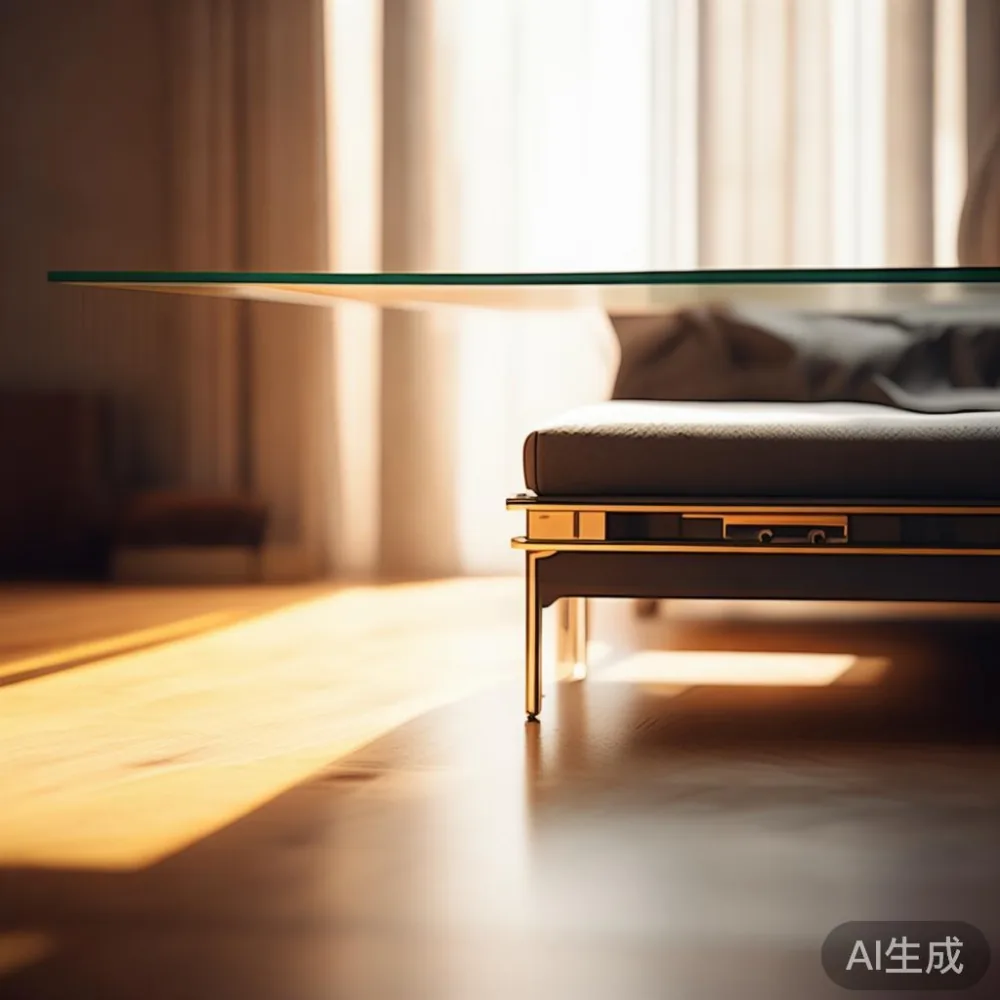
For Singapore households, the practical details matter just as much as the wording. A dining table may need to pass through a Tampines HDB corridor, while a glass-furniture order can arrive as several protected cartons rather than one manageable box. GST of 9% applies to most consumer purchases, delivery surcharges may apply below the free-shipping threshold, and a 10-year structural warranty can still exclude glass breakage, stone chips, and damage caused by moving the piece incorrectly.
This guide explains how to read a furniture warranty line by line. It covers solid wood sofa frames, bed frames, dining tables, wardrobes, nightstands, marble tables, and glass furniture, with particular attention to compact Singapore apartments. It also shows how warranty terms interact with delivery, returns, and everyday use.

What does “10-year structural warranty” actually cover?
A 10-year structural warranty sounds comprehensive, but “structural” is narrower than “everything”. Ask for the list of covered components. For a solid wood sofa, the frame may be covered for 10 years while the seat cushions, springs, covers, and timber underneath the cushions may carry separate terms. For a bed frame, the rails, legs, and central support may be included, whereas mattress deformation and damage to a slat caused by an unsuitable mattress may not be.
Some suppliers warrant manufacturing defects for 3 years, 5 years, or 10 years. Others define the period from the purchase date; some use the delivery date, which matters if furniture sits in storage. A useful answer should specify both the length and the starting point. MIDHILL offers a 10-year structural warranty, but the document should still be read for component limits and exclusions rather than treating all parts as identically covered.

Check whether the warranty is transferable. If the unit is sold with an HDB flat or passed to a family member, a transferable warranty may continue under stated conditions. Request the original invoice and serial number, and photograph both. Keep photographs of the delivered furniture from at least 4 angles, plus close-ups of joints, glass edges, marble surfaces, and timber grain.
“Lifetime refinishing” should also be defined. Does it include colour matching, sanding, re-oiling, and delivery? Are scratches from normal use covered, or only manufacturing defects? Is there a per-visit fee, and must the owner arrange transport? For a Singapore home, the cost of sending a 180 cm wardrobe back to a workshop may exceed the value of refinishing it.
Which parts are covered for glass furniture?
Glass furniture needs more precise language than a general wooden product. “Chipped”, “cracked”, and “scratched” are not interchangeable. A manufacturing defect in a tempered-glass coffee table might be covered, while impact damage from a 1.2 kg dumbbell, edge chipping during installation, or stress fracture caused by an uneven base may not be. Ask whether the warranty applies to the pane, frame, fittings, and protective seals separately.
The thickness of the glass also affects the answer. A 10 mm top may have a different load rating from a 12 mm top, and neither should be assumed to support a heavy television or a fish tank unless the manufacturer confirms it in writing. Look for a stated load limit in kilograms, a recommended support spacing in centimetres, and instructions for even distribution. A 140 cm glass dining table may be rated at 80 kg, but placing 120 kg at one end can still create twisting stress even if the total remains under the headline figure.
Warranty treatment for glass furniture should also distinguish accidental breakage from defects in materials or workmanship. It is reasonable to ask whether replacement panes, replacement frames, and on-site glass replacement are included, and whether a technician visit carries a fee. Keep every transport frame and fixing until the furniture has been inspected. Removing glass supports too early can shift the pane and turn a protected item into an excluded one.
Check the gap between components. A 12 mm glass top should sit on supports with compatible seals or pads. Movement, direct heat, and uneven cabinetry can lead to contact stress. A warranty may remain valid only when the product is used according to the supplied care guide, including the specified cleaning product and maximum environmental conditions.
Are delivery damage and manufacturing defects treated differently?
Yes. Damage during delivery is normally handled through a delivery or transit claim, while a defect discovered after delivery may fall under the product warranty. That distinction makes the delivery handoff unusually important. Inspect the cartons before signing. Photograph the seal number, the number of cartons, and any crushed corners. A 2 cm puncture in a glass carton, a split wardrobe rail, or a dented nightstand drawer front should be recorded immediately.
Use the carrier’s or supplier’s app to note “damaged on arrival” with specific comments. A general signature stating that the goods were accepted can complicate a later claim. If a carton is visibly damaged, ask whether the driver will wait while you open it. If refusal would prevent installation, document the issue and confirm the next step in writing before refusing.
Singapore access should appear in the order record. HDB lift dimensions, corridor turns, and staircase clearances can affect the delivery method. A lift rated at 500 kg may still have an interior door width of only 80 cm, making a 90 cm glass tabletop impossible to turn upright. A bed frame arriving in 2 packages of 28 kg each is easier to manage than one 68 kg carton, but a wardrobe shipped flat may still need room to rotate its panels.
Ask for the delivery timeline, the number of parcels, the combined parcel weight, and the dimensions of the largest carton. Confirm whether stairs or lift removal are included and whether failed delivery due to access is chargeable. Free delivery over US$350 is useful, but local terms can differ; confirm the Singapore threshold in SGD with the supplier rather than converting it casually. GST should appear separately on the final quotation, generally at 9% for eligible consumer goods.
How long do I have to report a problem?
Find the notification period. A 10-year warranty can still require the owner to report a visible defect within 7 days, 14 days, 30 days, or 12 months. Read carefully for “discovery”, “purchase”, and “delivery” dates. Reporting promptly also helps the supplier diagnose the issue: a loose dining-table leg may be adjustable, while a growing crack around a glass fitting suggests movement and needs inspection.
Ask how claims are submitted. A useful process should state which documents are needed: order number, warranty registration, serial label, photographs, and a short description of use. For claims involving a glass pane, include a full-pane photograph, close-ups of the damaged edge, and a measurement of the diagonal to show whether the frame is square. A marble table claim should include the location of the chip, the approximate dimensions in millimetres, and photographs under natural and artificial light, because colour and reflection can distort the appearance of stone.
“No questions asked” claims are not always unlimited. Read who arranges collection, who pays for packaging, and whether labour is included. Some warranties replace only the failed component; others replace the complete product. A replacement may be a new colour batch, a different timber grade, or a revised model. Check whether there is a service fee, and whether repeated replacement of a glass pane is permitted.
A clear claim process should also explain expected response times. MIDHILL’s 14-day return period is separate from a warranty claim, and the 10-year structural term is separate again. One covers a change of mind within a defined window; the other addresses qualifying defects over a longer period. Keeping these mechanisms distinct makes an issue easier to resolve.
What does “wear and tear” mean in practice?
Wear and tear includes normal changes that a product is expected to experience: minor surface scratches, light fading, small finish changes, and gradual loosening of adjustable parts where the adjustment mechanism is used correctly. It should not automatically include a warped dining table, a cracked wardrobe panel, or a bed frame joint that separates under load. The difference lies in whether the issue results from intended use or a departure from the supplied specifications.
Consider the environment. Singapore’s humidity and coastal conditions can affect untreated or lightly finished timber, while direct afternoon sun through a west-facing condo window can fade upholstery and heat glass. The warranty guide should state acceptable humidity ranges, cleaning methods, and distance from heat sources. A nightstand 20 cm from an air conditioner may dry a finish differently from one placed away from the airflow.
Movement is another common source of disputes. Dragging a 60 kg solid wood sofa across a 2 cm tile joint can loosen joints. Lifting a marble table by its stone top rather than its base can crack the connection. Moving a wardrobe without protecting its floor may damage adjustable feet. Ask whether assembly, disassembly, relocation, and alterations are covered, and whether an engineer must approve non-original hardware.
For styling advice, the phrase “how to style French provincial bed in apartment” often leads to lighter timber finishes, curved bed heads, and compact silhouettes. That style can work in a Tampines or Punggol bedroom, but the warranty remains tied to care and construction rather than the design label. The same applies when searching for sale Mid-century modern furniture, Vintage for small living room, or a curated list of top 10 French provincial furniture: visual taste can guide selection, while measurable dimensions and coverage terms should guide approval.
Can I use a third-party assembler without losing the warranty?
That depends on the instructions. A 10-minute nightstand assembly may be harmless, but improper assembly can undermine a bed frame, dining table, wardrobe, or glass-furniture installation. Ask whether the supplier permits independent assembly and whether the installer must follow the manual exactly. Some warranties require supplied fixings, while others allow equivalent hardware of a specified grade.
For a solid wood sofa, check the required leg height and whether fitting low-profile legs affects the frame. For a bed frame, confirm the mattress size, slat spacing, centre support, and maximum mattress load. A 160 cm bed frame supporting a 45 kg mattress may not be suitable for a 70 kg mattress if the manufacturer has set a 50 kg limit.
For a dining table, ask whether the top must be attached to the base with the supplied bolts and whether levelling feet may be adjusted. For a marble table, document the approved installation method and whether the tabletop is intended to be fixed. For glass furniture, the edge, rubber seals, support pads, and fixings should follow the supplied sequence.
An assembly service can still be worthwhile in a Singapore condo if the building requires a loading-bay booking or protective floor covering. Confirm the fee in SGD, the hourly rate, and whether parts used are included. A quoted S$80 installation may become S$140 after adding a delivery surcharge, parking fee, or extra hour for lift coordination.
Is “lifetime refinishing” the same as a lifetime warranty?
No. Refinishing addresses appearance; a warranty addresses defects. Refinishing a solid wood sofa frame, dining table, bed frame, wardrobe, or nightstand can restore colour and smoothness, but it cannot repair a structurally weak joint unless that work is expressly included. Likewise, refinishing does not normally include replacing damaged glass or treating a chip in a marble table.
Ask what service is offered. Does it cover 1 major restoration or unlimited visits? Is there a per-piece charge, and who pays transport within Singapore? Will the original finish be matched exactly, or will the result be “close in colour”? For a 2.4 m dining table, site matching can be difficult because timber grain is not uniform. Clear expectations prevent a finish dispute.
The exclusions may also include commercial use, rental use, outdoor use, damp rooms, and installation on an unlevelled surface. A product used in a show-flat display is still residential use if it remains in the unit, but a hotel lobby is commercial use. If a corporate apartment is used for staging, request written confirmation.
Design labels do not change these technical definitions. Whether you prefer French light luxury, American light luxury, or post-modern light luxury, the same questions apply to the solid wood sofa, bed frame, dining table, wardrobe, nightstand, marble table, and glass-furniture components.
What should I check before paying in Singapore?
Create a 10-point record before payment. Confirm the product name and dimensions in centimetres; the component materials; the finish; the glass or marble specification; the structural warranty period; the separate warranty on moving parts; the return period; the claim notification deadline; the delivery cost and lead time; and the final price with GST.
For example, compare a dining table listed at S$1,290 with 9% GST of S$116.10, giving S$1,406.10 before any access-related surcharge. If delivery is scheduled across 7 to 12 days, make sure the unit will be available for inspection. For a glass-furniture set, record the pane thickness, tempered-glass certification, load rating in kilograms, and number of cartons.
Check the product’s fit. A 200 cm wardrobe may be visually suitable for a 220 cm bedroom wall but leave only 10 cm for the door swing. A 90 cm marble table in a compact dining zone may require careful chair clearance; allow at least 75 cm behind each occupied chair. For a glass dining top, note that chairs should not strike the underside or edge.
Search phrases are useful only as starting points. A “best Japanese wardrobe for 2026” result should lead you to compare carcass material, drawer runners, hinge warranties, internal dimensions, and delivery access. If your shortlist includes a MIDHILL wardrobe, verify the individual model rather than relying on a general brand statement. Likewise, a guide to the top 10 Industrial furniture may highlight metal and reclaimed timber, but the warranty still needs to distinguish the metal frame from the finish and storage components.
How do I make a claim that will be taken seriously?
Act within the stated reporting period, then send a concise evidence pack. Include the order number, date of receipt, product name, serial number, and a 3-sentence description. Add 4 photographs and 2 close-ups, state the approximate defect size in millimetres, and explain whether the fault appeared immediately or developed over time. Mention the relevant care steps taken and whether the furniture was moved or professionally assembled.
For glass furniture, do not repair a cracked pane yourself unless the supplier instructs you to. Do not tape a marble chip or tighten a wardrobe hinge repeatedly. Unapproved work can affect liability. Stop using the affected component if there is a safety concern, isolate the area, and contact the supplier with the evidence.
Keep a timeline of calls, emails, technician visits, and replacement dates. Confirm in writing whether a claim is accepted, whether there is a service charge, and the expected resolution period. If the answer is verbal, follow up with an email summarizing it.
One real example makes the difference. Last month I visited a colleague in Bedok to inspect a newly delivered dining table. The 180 cm top looked intact, but one corner protector had been crushed inside the carton. After photographing the packaging, we contacted the seller before assembly. The table was replaced within 6 days after the damaged carton and 4 supporting photographs were supplied. Had we signed the delivery without checking and assembled the base, the issue would have looked more like installation damage and taken longer to settle.
The point is not that damage always follows a neat process. It is that a strong record turns a dispute into a traceable event. The same discipline protects a 10-year structural warranty, a lifetime refinishing service, a 14-day return right, and the practical value of every kilogram and centimetre in the delivered piece.
What questions should I ask before ordering furniture?
Ask: “Which exact components have a 10-year structural warranty?” “Which components have a shorter period?” “Does the warranty begin on purchase or delivery?” “Are glass breakage, marble chipping, finish scratches, and commercial use excluded?” “Can I claim a replacement pane, and is labour included?” “How many days do I have to report an issue?” “What evidence do you need?” “Who pays for collection and return delivery in Singapore?” “Does independent assembly affect coverage?” “Is the lifetime refinishing service chargeable, and what does it include?”
Finally, ask for all terms in writing before payment. A saved PDF, quotation, or email is more useful than a verbal assurance. Check the company identity, local contact details, and the legal entity named in the contract. Confirm the quoted lead time in days, the parcel dimensions, the access requirements, and the total payable in SGD after GST and any delivery or assembly charges.
A good warranty is not simply long. It is specific enough to answer a problem without argument. The buyer who understands covered components, exclusions, deadlines, evidence, and delivery responsibilities can choose confidently; the buyer who skips those details may discover at month 18 that the promise was narrower than expected.