Glass Furniture Size Guide for Your Singapore Home
A Singapore HDB living room can look generous in a property listing and feel tight around a coffee table. The difference is often 20 cm: enough for a glass table to dominate the centre, yet too little for comfortable walking space. Condo interiors in Tampines, Bedok and Punggol create another measurement problem because tall glass cabinets may fit the room visually but be awkward to move through a narrower corridor or lift.
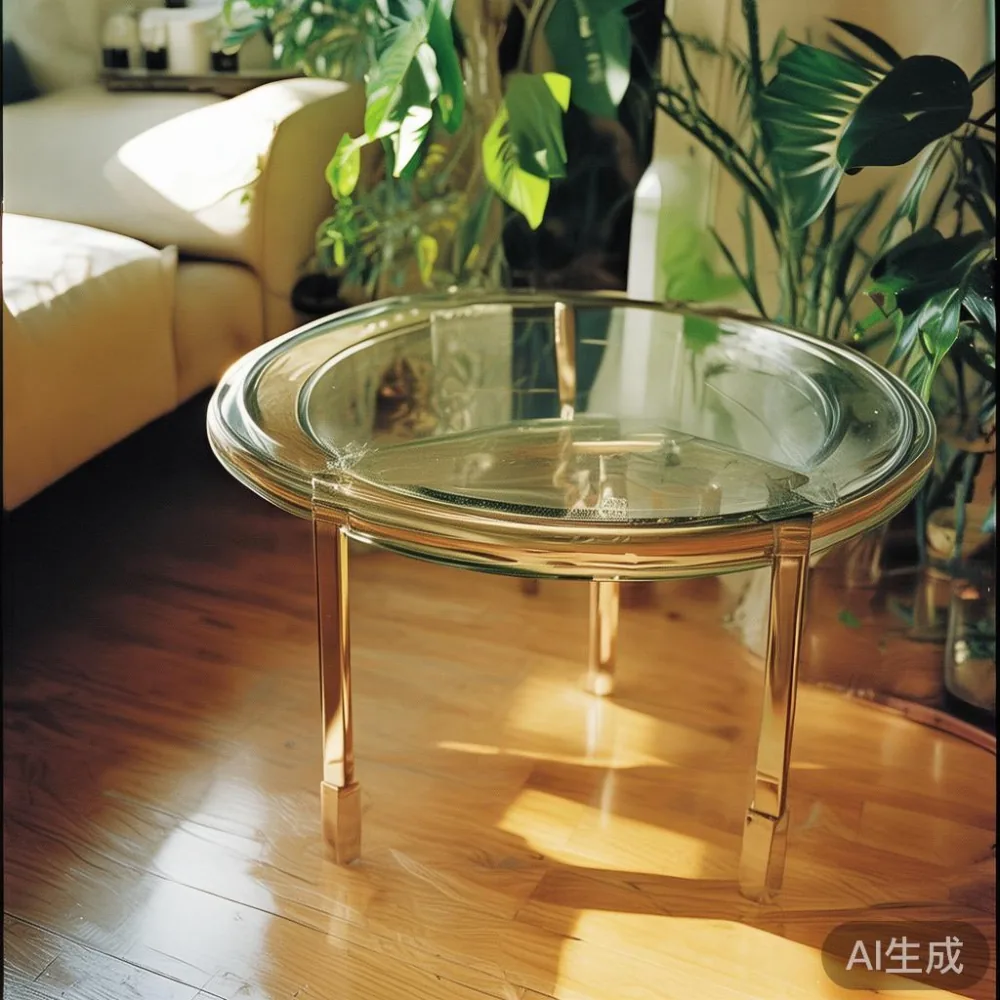
Size should follow the room, not a showroom photograph. Begin with the usable floor area, clearances and daily circulation route. Then select glass furniture with a calm frame, balanced proportions and a finish that reflects light without creating visual clutter. MIDHILL’s solid wood collection provides useful reference points for scale, including solid wood sofas, bed frames, dining tables, wardrobes and nightstands that can sit beside glass pieces without making the interior feel unrelated.
What dimensions should I measure before buying furniture?
Record the room length and width at several points rather than trusting the estate plan. A living room may narrow near a balcony opening, while an L-shaped HDB layout can make one wall appear longer than it is. Measure from the skirting board to the opposite skirting board, the sofa wall to the balcony doors, and any ceiling recess, air-conditioner ledge or window bay. For a rectangular room of 4.2 m by 3.4 m, the simple area is 14.28 m², but the usable arrangement matters more than that number.
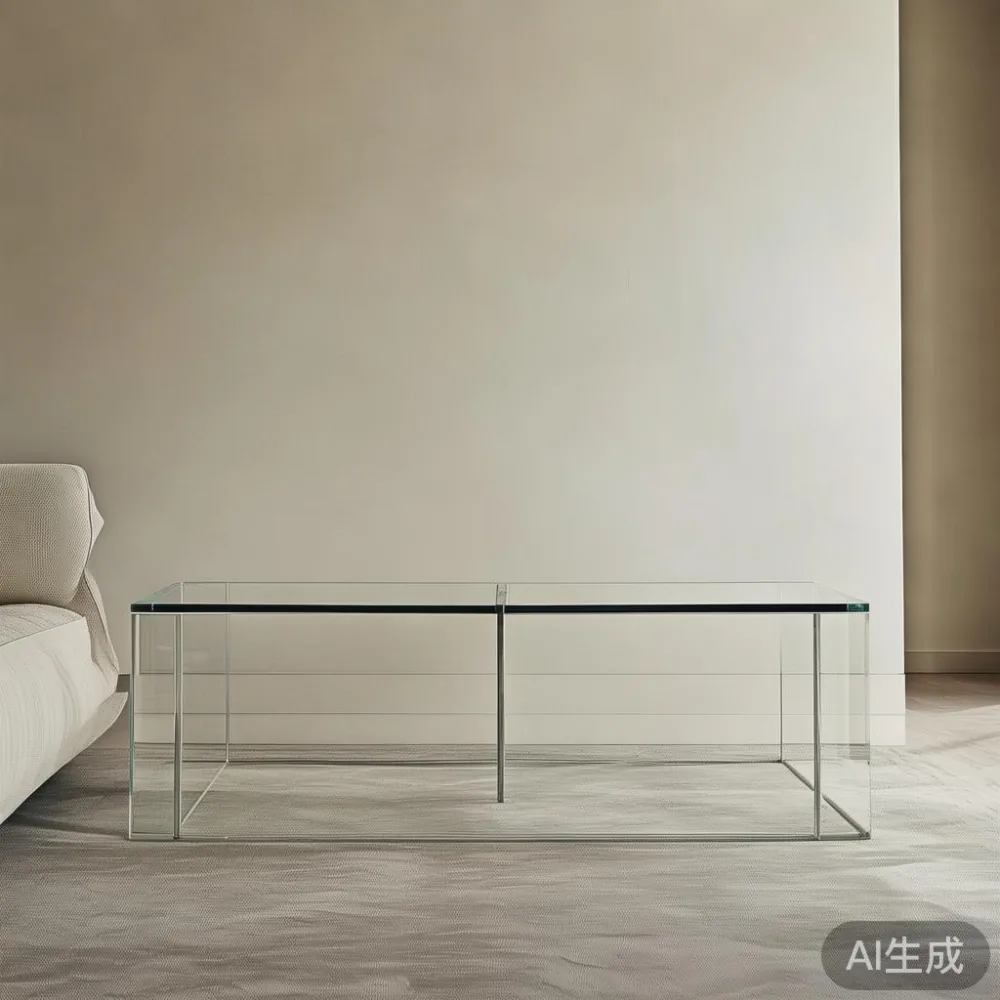
Mark existing doors, switches, sockets and air-conditioner outlets. Leave at least 90 cm beside a sofa for a person to sit down, around 60 cm in front of a seat for a coffee table, and roughly 75 cm between a dining chair and the wall or another furniture edge. These are planning allowances, not universal rules: an active family room may need 90 cm in front of every seat, while a compact sitting area can work with 75 cm.
For glass furniture, also measure lift doors, lift depth, lift height, corridor turns and the route from the parking area. A dining table may fit inside a HDB lift when carried diagonally, but a large marble table can be difficult if its top cannot be separated. Ask for packed dimensions and weight. A 160 cm glass-and-solid-wood dining table can weigh about 65 kg, while a 200 cm version may exceed 90 kg. Two people may manage the former; the latter should be planned as a professional delivery.

Delivery in Singapore commonly takes 7–14 days after production, while stock arrangements can shorten this to 3–7 days. Confirm the delivery date in writing and check whether stair carrying is included. A lift with an 80 cm door and 140 cm internal depth may accept a slim console, but not a wide wardrobe or a deep sideboard. Corridor turns near void decks are often tighter than apartment measurements suggest.
How much space should remain around a glass coffee table?
The centrepiece needs breathing room on all visible sides. For a typical HDB sofa, a 100–120 cm glass coffee table is often easier to live with than a 140 cm table because it preserves a usable route to the balcony. Leave 40–45 cm between the front of the sofa and the nearest table edge, and aim for 60 cm where people need to walk behind seated guests. In a 3.4 m wide room, those clearances can determine whether the table is 100 cm or 120 cm long.
For a 220–240 cm sofa, a 100–120 cm coffee table creates a balanced composition. A 70–90 cm table suits a 180–200 cm loveseat, but a very small table beside a large sofa can leave an empty strip of floor. Consider the full footprint of the glass, including its frame. A “100 cm” top may have a 106 cm external length, and the extra few centimetres matter near a balcony door.
Glass furniture benefits from contrast. Pairing a transparent top with warm solid wood legs reduces the coldness associated with a room full of reflective surfaces. A solid wood sofa in oatmeal, sand or light walnut can ground a glass dining table without competing with it. Keep the table top 5–10 cm lower than the usual display arrangement if the glass is frameless, and avoid placing it directly in front of a low television where reflections become distracting.
I tested this spacing method last month in a Bedok HDB living room measuring 3.8 m by 3.2 m. A 120 cm glass coffee table looked attractive in a catalogue but left only 32 cm on one side after the sofa angled toward the balcony. Replacing it with a 90 cm table restored a 48 cm passage. The smaller model felt more practical, and the open floor area made the same sofa appear larger.
What size glass dining table suits an HDB living-dining room?
Start with seat width and walking space rather than family-portrait dimensions. A round glass table from 100–120 cm diameter seats 4 people when each person has about 55–60 cm of edge space. A 140–150 cm round table can seat 5 or 6, but it needs more room around the curve. A rectangular 160–180 cm glass-and-wood dining table seats 4–6; a 200–220 cm version may seat 6–8 and should be checked against the actual chair pull-out space.
In many HDB layouts, the dining area shares a living room of 3.6 m by 4.2 m. A 160 cm table can work when aligned with the long wall, leaving about 75 cm on one side and 85 cm on the other. A 200 cm table leaves less than 70 cm in places where a chair is occupied, so it is less comfortable for daily use. If the table doubles as a work surface, allow 75–90 cm behind the seated position.
Glass tops make a compact dining area feel lighter, especially with a clear 10–12 mm surface and solid wood supports. Choose a base that sits within the top footprint, not one extending far beyond it. Marble is another strong centrepiece material, although a marble table needs careful weight planning. A 140 cm round marble table may weigh 70–85 kg, and a 180 cm rectangular version can weigh 120 kg or more. For upper-floor HDB access, confirm lift dimensions, turning radius and the number of delivery crew members before ordering.
Use the same scale logic when comparing a European bed vs Nordic bed, or a European sofa vs Nordic sofa. A low Nordic profile may suit a compact bedroom, while a European sofa with a deeper seat can require more front clearance. The comparison is not about a fixed national style; it is about whether the piece fits the available depth. For a living room, a 90–95 cm deep sofa is usually more adaptable than a 105 cm deep model if the television wall is close.
How do I make glass furniture fit a condo without crowding it?
Condo living rooms in Punggol and Tampines often combine a lounge, dining zone and balcony threshold within one visual field. Define the furniture zones before buying. A 180 cm solid wood sofa can establish the lounge, a 100 cm glass dining table can occupy the dining side, and a 100 cm glass console can sit near the entrance. Avoid buying a coffee table until the sofa and television positions are fixed.
Choose transparency with intention. A clear glass top allows the floor pattern to continue, while lightly smoked glass can conceal marks and reduce the visibility of cables underneath. Dark tinted glass works well against pale floors but can make a small room feel heavier. For a 9 m² sitting zone, a low-profile glass table with pale solid wood supports often creates a French light luxury mood through proportion, fine lines and restrained ornament.
American light luxury can be represented by a broader glass top, symmetrical solid wood dining chairs and a substantial sofa, provided the room has enough circulation space. Post-modern light luxury may use a narrow rectangular glass table, two contrasting materials and clean geometric edges. Across these styles, scale remains more important than decoration. Keep at least 60 cm between furniture groups so the eye can travel between them.
Wardrobes and storage walls should not be treated as decorative background objects. A 180 cm wardrobe needs 90 cm in front for open doors and drawer access; a 60 cm nightstand can sit beside a 160 cm bed, but only if the bedside passage remains 60 cm wide. If someone searches for the best Japandi wardrobe for 2026, the practical answer is a width that matches the bedroom’s clear wall, not merely the wall’s total length.
For a typical condo elevator, measure the door opening and cabin diagonal. A 45 cm deep glass console may pass through an 80 cm door, but a 60 cm deep cabinet may require turning away from the corridor. Ask for a product drawing with external dimensions and packed size. This habit also applies to a marble table: the stone thickness, crate height and lift-door angle should be reviewed before the delivery day.
Can I fit a large sofa and still reach the balcony?
Yes, if you treat the balcony route as a functional zone. In a 3.6 m wide living room, a 220 cm sofa against one wall leaves 140 cm before the opposite obstruction, but a coffee table and media console can consume much of that. A 190 cm sofa may therefore create better movement than a 235 cm sofa, even though the larger model looks more generous in a large showroom.
Measure the sofa’s total depth including the back frame, then add the depth needed for a seated person to lean forward. A 95 cm deep sofa with a 45 cm coffee table requires roughly 140 cm from sofa front to table edge. Add 60 cm behind the table for a walking route, making the practical zone close to 200 cm. This arithmetic helps in narrow HDB rooms where visual space and physical space are not the same.
The phrases European sofa vs Nordic sofa and European sofa vs Modern sofa are useful shopping prompts, but the final decision should come from dimensions. A European sofa may use deeper cushions and a firmer upright back; a Nordic sofa may have a lower profile and lighter-looking legs. A Modern sofa can suit a compact room if its arms are slim. Check that the seat height is around 40–43 cm, the internal seat depth is 52–58 cm, and the frame does not block a balcony door.
Leave 30–40 cm between a sofa arm and a side table if the table is decorative, or 45–55 cm if it carries a lamp and drink. A solid wood sofa with a 90 cm depth allows a glass side table to sit close without blocking the walkway. For a 3-person sofa, keep the centre seat accessible and avoid pushing the front legs into the main circulation line.
How should I choose a glass table for a Singapore home?
Check the glass thickness, edge finish, support method and load capacity. A 10 mm tempered-glass top may be adequate for a coffee table, while a dining table needs a frame and support spacing approved for the intended load. Ask whether the top is heat-resistant, how it is protected in storage and whether replacement glass is available. A product assembled with solid wood supports can offer warmer character than an all-metal frame.
Colour should follow the floor, wall and lighting. Cool white walls and grey stone flooring pair well with clear glass and medium-tone wood. Warm cream walls or beige HDB flooring benefit from lightly tinted glass and honey or walnut solid wood details. Avoid placing a dark marble table directly below a downlight without checking glare. A 4000K neutral-white lamp may make the surface look sharper than a warmer 3000K lamp.
For storage, a glass display cabinet needs more depth than its front width suggests. A 90 cm wide, 38 cm deep cabinet requires around 100 cm of turning room when opened. If the corridor is only 75 cm wide, choose a shallower model or keep it flat-packed. The same care applies to a wardrobe: the front clearance is usually larger than the unit itself, and the delivery route can be narrower than the bedroom wall.
Singapore’s humid environment also calls for sensible material care. Use a soft microfibre cloth and a pH-neutral cleaner, keep chemicals away from glass and solid wood finishes, and do not drag furniture across tiled floors. Place felt pads beneath legs and inspect them every 6 months. Refinishing schedules can be planned around the product rather than the calendar; MIDHILL offers lifetime refinishing for its solid wood furniture, which is useful when a dining table or bed frame needs surface renewal after several years.
What should I check before confirming a furniture order?
Request a dimensioned drawing, confirm the floor protection method and ask what happens if the lift cannot accept the packed carton. Check delivery windows in Singapore, especially around renovation periods and the year-end holidays. A stock piece may arrive within 3–7 days, while a made-to-order solid wood dining table or bed frame may take 21–45 days. Custom glass sizing can require another 7–14 days after the frame is approved.
Review the finish samples at home rather than relying on screen colours. Put a 10 cm sample of the selected finish beside your flooring and wall paint, then view it in daylight and at night. Confirm the table height, sofa seat depth, wardrobe opening direction and nightstand clearance. For an HDB flat, a written delivery plan should include the lift capacity, corridor turning point and any stair sections.
Prices should be checked in SGD and compared on the same basis. For example, a 100 cm glass coffee table might be SGD 620–SGD 980, while a 160 cm solid wood and glass dining table might be SGD 1,450–SGD 2,300. A 180 cm wardrobe may range from SGD 1,800 to SGD 3,200 depending on the wood, internal fittings and finish. These are planning ranges, not fixed quotations; a clear drawing and stated warranty are more useful than a headline number.
Ask about GST treatment and the final payable amount. Singapore’s prevailing GST rate should be confirmed at checkout because rates and invoice presentation can change. For a SGD 1,800 before-tax item, 9% GST adds SGD 162, producing SGD 1,962, while a higher-priced custom order has a larger absolute tax component. Confirm whether free shipping over US$350 applies to the selected Singapore route, rather than assuming it applies to every local order.
Warranties and return policies should also be read for location and product differences. A 10-year structural warranty may cover frame or joinery failures under stated conditions, while glass breakage, accidental impact and incorrect assembly may be excluded. Fourteen-day returns are convenient for checking scale, but a made-to-order item may have different return terms. Keep the packaging, photographs and delivery record until the furniture has been inspected.
For a practical test, tape the proposed footprint on the floor with painter’s tape. Mark the 60 cm circulation route, open a wardrobe or chair in the imagined position, and walk from the entrance to the balcony. If a person cannot pass without turning sideways, reduce the table by 20 cm or change the layout. This simple exercise often prevents a costly mismatch.
Is French wardrobe worth it for a compact Singapore bedroom?
A French wardrobe can suit a compact bedroom when its details are restrained and its opening method fits the room. Fluted glass, pale solid wood frames and slim handles can bring a refined French light luxury quality without requiring a large footprint. A 150 cm model may suit a 3.2 m wall, but allow 90 cm in front of hinged doors and 75 cm if drawers are frequently used.
For a narrow HDB bedroom, a sliding or bi-fold arrangement may use less operating space than a conventional hinged wardrobe. However, sliding doors need access to the tracks and may reduce the opening width available inside. Measure the actual wall, skirting board, socket positions and nearby nightstand before selecting a finish. If the bed is 180 cm wide, leave a 60 cm passage on the side used for sitting beside it.
The same principle applies to solid wood bed frames. A European bed vs Nordic bed comparison may reveal a different visual character, but the practical measurements come first: frame width, mattress clearance, headboard thickness and distance from the wall. A low Nordic bed can make a 3 m wide room appear calmer; a higher upholstered frame may need 15–20 cm more clearance behind it.
Shopping under 2000 Modern furniture is possible when the list is focused: a compact glass side table, one solid wood nightstand and a modest bed frame may fit within SGD 1,800 depending on materials and specifications. A full wardrobe, sofa and dining set will usually require a larger budget. The useful question is not whether a style label is fashionable, but whether the piece supports the room’s daily use.
For glass furniture, look for legible dimensions rather than vague “small” or “large” descriptions. A clear 100 by 55 cm console may be practical beside a TV wall, while a 120 by 40 cm version can suit a dining area. Ask for the top thickness, frame footprint and finish care instructions. If a marble table is being considered, request its exact stone weight and delivery method because appearance alone cannot predict handling difficulty.
Good sizing turns a small Singapore interior into a place that works throughout the day. Measure the route, reserve clear movement zones, compare external dimensions and keep visual weight balanced with solid wood. MIDHILL’s furniture references can help you judge scale, while local measurements and delivery checks should decide the final order. A well-proportioned glass dining table, glass coffee table or glass cabinet can brighten the room without making it harder to use.