How to Protect Lacquered Glass Furniture in a Tropical Singapore Home
Humidity, sudden rain and salty coastal air can make furniture care more demanding in Singapore than in drier climates. Lacquered surfaces are particularly attractive because they create a smooth, light-luxury finish, yet they need sensible protection around glass furniture, solid wood sofa frames, bed frames and other frequently touched pieces. The good news is that a consistent routine based on temperature, moisture and gentle cleaning can preserve the sheen for years.
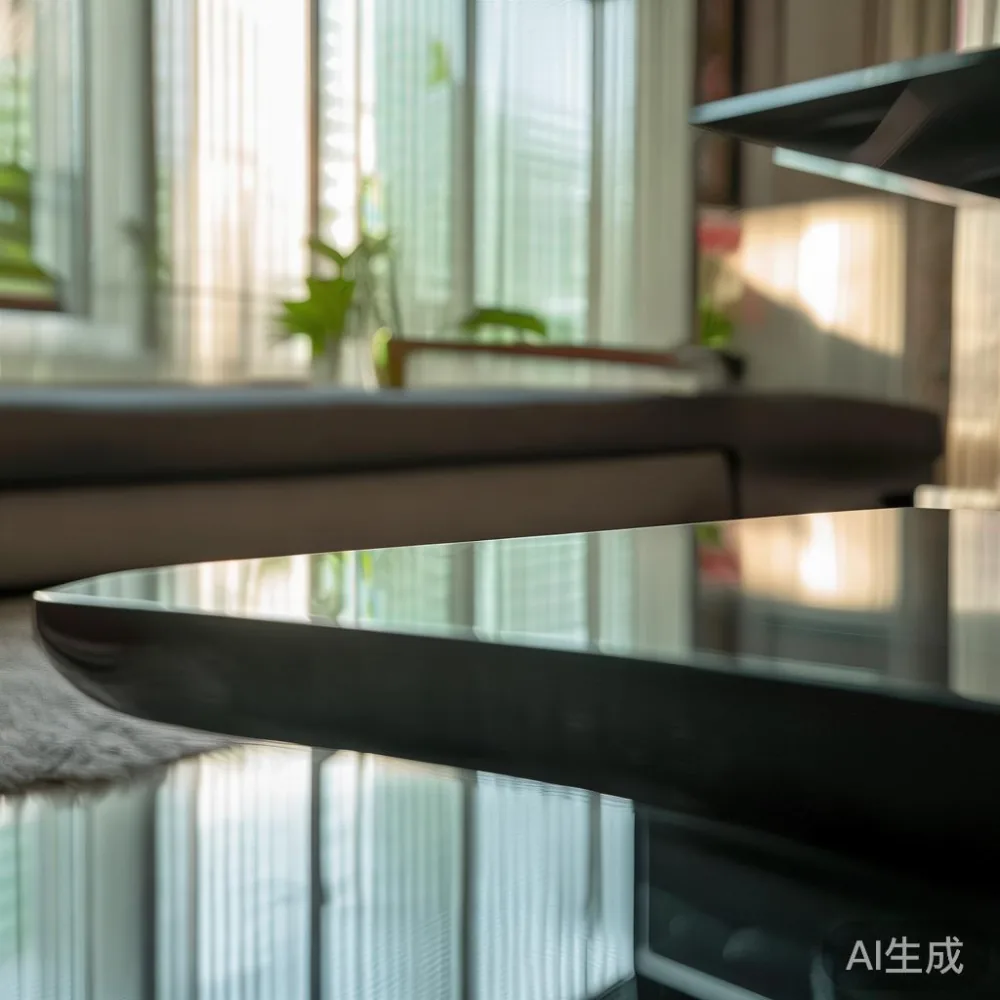
I visited a client’s Tampines condo last month to inspect a lacquered dining table and matching glass furniture. The unit had a new HDB kitchen extension, a wide corridor and a lift lobby only 110 cm across at the entrance. The delivery team had carried the wrapped table vertically through the corridor, using a two-person carry and a padded corner guard. The lacquer was intact, although a ring of mineral-rich tap-water marks had appeared near the window. Cleaning those marks with diluted white vinegar and a microfibre cloth restored the surface without abrading it.
That visit highlighted a useful principle: care begins before delivery, not after the first stain. Measure the route, protect the edges and keep liquids away from lacquer joints. For Singapore shoppers comparing finishes, this guide explains how to maintain lacquer while choosing complementary furniture for HDB flats and condos in Tampines, Bedok, Punggol and beyond.
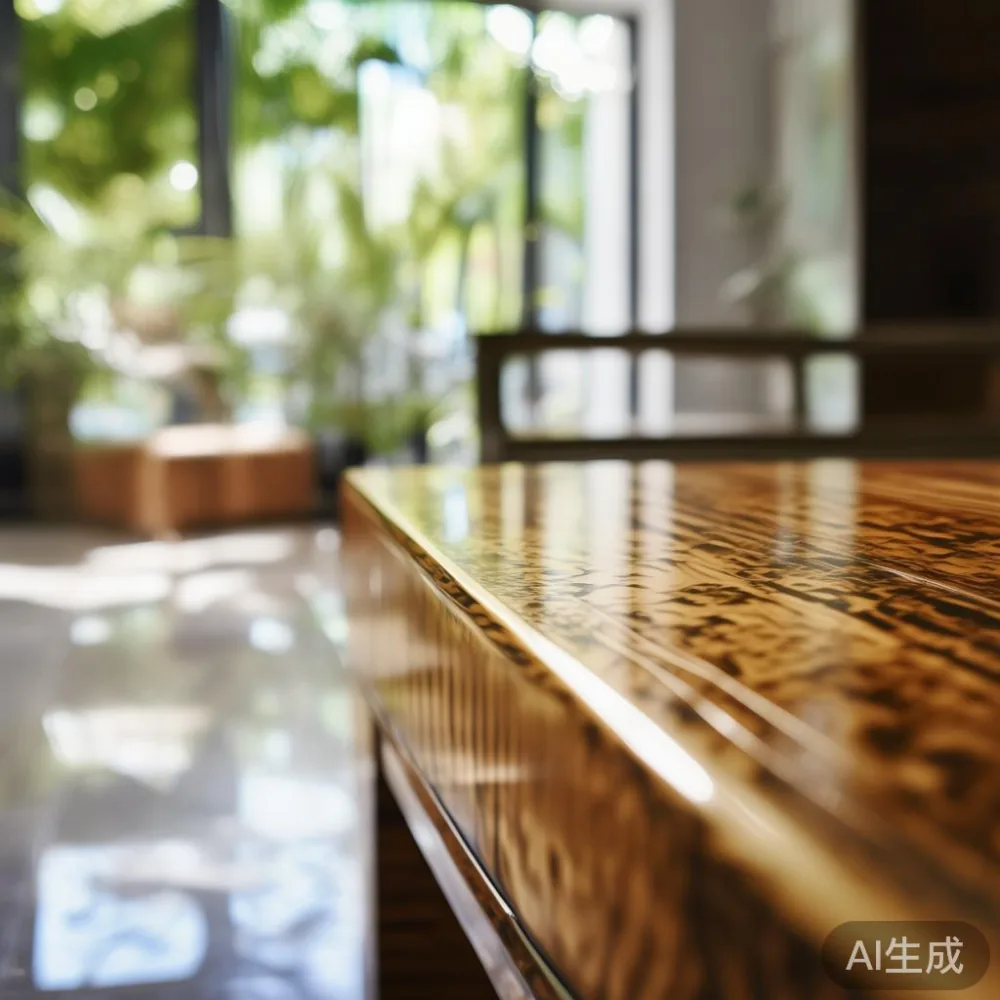
What makes lacquer vulnerable in a tropical climate?
Lacquer is a cured surface coating applied in thin layers. Compared with untreated solid wood, it resists moisture and stains more effectively, but heat, standing water, abrasive grit and harsh chemicals can still affect it. Singapore’s daytime temperatures commonly reach 31–34°C, while coastal humidity stays high throughout much of the year. Air-conditioned rooms may feel comfortable at 24–26°C, yet condensation can form on a cold glass top when a warm, humid room meets that cooler surface.
Glass furniture also introduces a specific issue: droplets can sit on smooth glass and eventually meet a lacquered edge or timber support. The glass itself may appear spotless while water has quietly travelled into the joint beneath it. Avoid placing an open drink directly over a glass dining table for more than 15 minutes, and wipe coasters and saucers every day in a frequently used dining area.
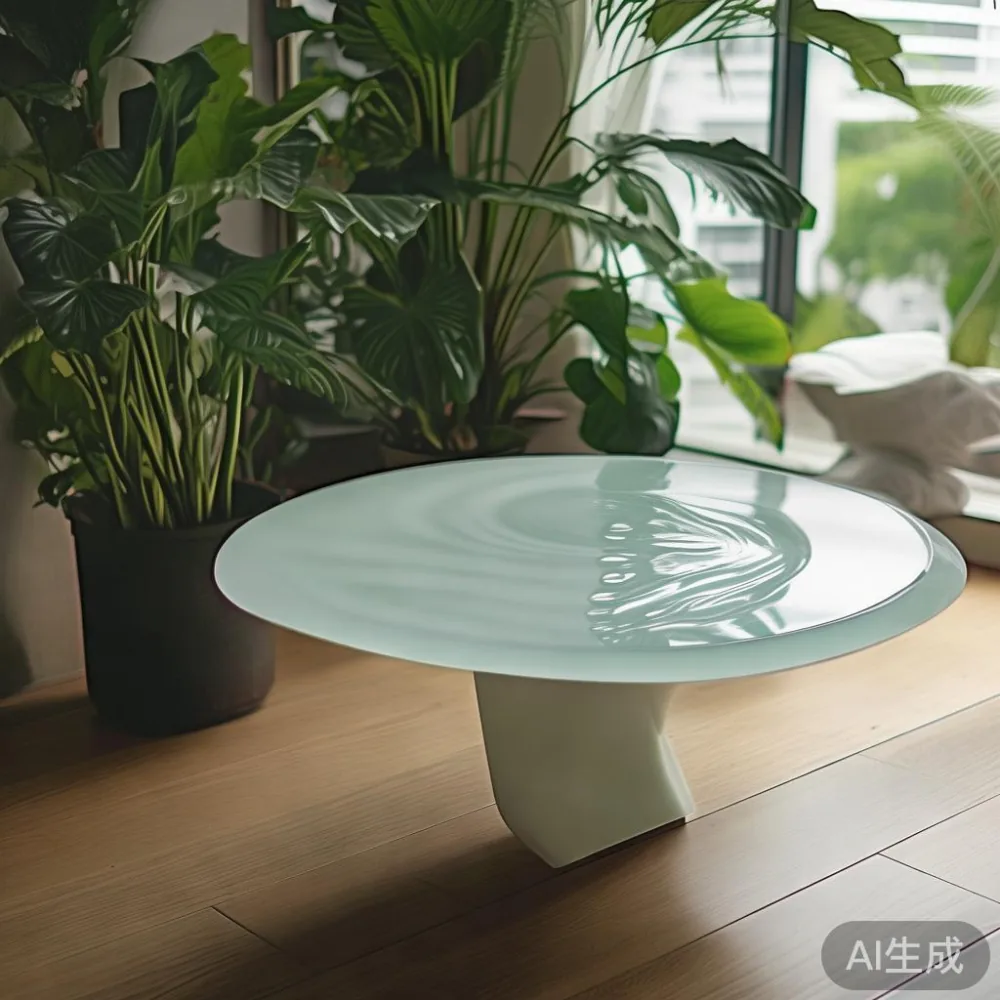
Direct sunlight is another factor. A west-facing Bedok balcony or a living room with windows facing the late afternoon sun can warm a dark lacquer beyond comfortable hand temperatures. Keep furniture at least 60 cm from an open window when possible, or use curtains that filter glare without trapping heat against the surface.
How often should a lacquered surface be cleaned?
A light dusting every 7 days is enough for most closed HDB flats. Use a clean, dry microfibre cloth folded into a square, then wipe with the grain of the lacquer or the length of the panel. Avoid feather dusters because loose strands can scratch the finish, and avoid standard household glass cleaner on lacquered timber or stone components.
For marks, begin with a soft cloth barely dampened with water. If the mark remains, use a second cloth with a diluted cleaning solution: mix 5 ml of clear, unscented dish soap with 500 ml of lukewarm water, then wipe only the affected area. Follow immediately with a dry cloth. This should take under 1 minute and avoids unnecessary chemical exposure.
Every 3–4 months, inspect the finish under daylight and a 100 W lamp. Look for dull patches, lifting edges, tiny bubbles and colour changes around handles, cabinet joints and table borders. Do not wait for a full annual cleaning cycle if a family, pet or frequent visitor has caused a new spill. Blot liquid within 30 seconds rather than spreading it across the lacquer.
For coordinated interiors, customers often ask about a light luxury TV console, a solid wood sofa, a dining table, a wardrobe, a nightstand and a marble table. Each needs a slightly different method. Glass and marble should not receive oily “polish,” while lacquered wood should not be treated with silicone spray. No single household product should be applied to every material in the room.
Can I use vinegar, alcohol and commercial glass cleaner?
Water is the safest first cleaner for lacquer. White vinegar can help with faint mineral residue, but use it carefully: dilute 1 part vinegar with 5 parts water, dampen a microfibre cloth rather than the furniture, and test an 10 cm × 10 cm area for 24 hours. Although diluted vinegar works on many sealed surfaces, repeated use can dull some lacquer formulations.
Alcohol-based cleaners deserve more caution. Isopropyl alcohol above 70% may soften or strip certain coatings, while lower concentrations can be useful for removing a light adhesive mark after testing. Apply less than 5 ml to a cloth, never pour it directly onto the surface, and keep the area ventilated for 10 minutes. Do not use alcohol near an open flame, and do not use it on lacquered metal, marble or glass without checking the manufacturer’s guidance.
Commercial glass cleaner is designed for glass rather than lacquer. Spraying it around a glass dining table can create a damp ring where liquid reaches a timber edge. If the product label allows use on lacquer, dilute it according to the instructions and protect adjacent parts with dry paper or cloth. Avoid “polish and clean” products containing wax, silicone or ammonia.
Do not use scouring pads, steel wool, abrasive sponge or rough kitchen cloths. Even a 10-micron scratch can become visible in raking light. When selecting a lacquered dining table, request a care leaflet that identifies the exact coating system; solvent resistance and heat tolerance differ between products.
How should I prevent heat, water and sunlight damage?
Place coasters under warm objects and heatproof trivets under hot pans. A ceramic mug can reach 60–70°C, while a hot baking dish may exceed 90°C. Lacquer may discolour or bubble at temperatures above 80°C, depending on the formulation. Use a trivet with at least 2 cm of insulation and leave a 5 cm gap around a lamp or decorative warmer.
For glass furniture, avoid sudden temperature changes of more than 15°C. In practice, that means cooling a warm glass top gradually with room-temperature air rather than placing chilled items on a sun-heated surface. During Singapore’s wetter months, check that window seals are secure and that air-conditioning condensate does not drip onto a console or dining table.
Silicone-free felt pads are suitable beneath most furniture legs, but check them monthly. A worn 20 mm pad can scratch both floor and lacquer. Replace it after 6–12 months, sooner in a humid environment. Keep a 10 cm gap between the dining table and the air-conditioning vent if airflow repeatedly raises dust around the base.
Delivery planning matters too. A lift with an internal width of 110 cm and a door opening of 90 cm may accept a table only after removing its legs. In a narrow corridor, protect a lacquered edge with 2 mm foam and a 1 cm corrugated cardboard layer. For a heavier dining table, use a professional two-person carry and confirm the combined load before the appointment. A 70 kg table needs safe lifting equipment, not improvised rope or bare-hand dragging.
What is the safest way to remove scratches and sticky marks?
Start by identifying the mark. A dusty smear can be wiped; an adhesive label requires more care. Test any cleaner on the underside or a hidden 5 cm section for 24 hours. For sticky residue, place a microfibre cloth over the mark and warm it gently with a hairdryer at low heat, 10–15 cm away, for 10 seconds. The cloth should feel warm, not hot.
If the residue remains, use a tiny amount of cooking oil on a white cloth, let it rest for 2 minutes, and wipe gently. This approach suits some lacquer finishes, but it can leave an oil film and is unsuitable for glass and marble. A cleaner specifically approved for the coating is preferable for valuable pieces.
Deep scratches cannot usually be erased through routine cleaning. Hairline marks may improve with a colour-matched maintenance product from the furniture maker. A patchy repair kit, however, can look worse than an even sheen, so photograph the damage under neutral light and obtain professional advice before sanding. Never use 220-grit sandpaper or a power sander on a finished lacquer surface.
When customers compare a French bed vs Italian light luxury bed, they often focus on shape and upholstery rather than care requirements. The lacquered frames still need the same moisture discipline. Likewise, a French bed vs Modern bed can involve very different visual languages while sharing exposure to Singapore humidity. Ask for the finish specification, expected care interval and repair options before delivery.
How do I care for glass, marble and lacquer together?
Clean glass with a separate lint-free cloth and a neutral solution. Plain water removes most dust; for heavier marks, mix 5 ml of mild dish soap with 500 ml of water. A squeegee can speed up larger panes, but keep it away from timber and lacquer edges. Never use newspaper, which deposits ink and scratches at particle level.
Marble table surfaces need a pH-neutral cleaner because acids react with calcium-based stone. Keep citrus, vinegar and wine off the marble, and wipe spills within 5 minutes. Use coasters even beneath water glasses because an unnoticed ring can etch a polished finish. If a pale mark appears, a marble-safe poultice may help, but test first.
For lacquered furniture, dry cleaning is usually preferable to wet cleaning. The routine for a glass furniture dining set is simple: remove objects, dust weekly, clean spills promptly, inspect joints monthly and deep-clean only when needed. Treat the lacquer as a delicate coating rather than a hard, indestructible shell.
Solid wood sofa frames, bed frames, wardrobes and nightstands also benefit from stable indoor conditions. Aim for roughly 45–65% relative humidity where possible, with 2–3 cm of clearance from walls for airflow. Wipe moisture from skirting boards during heavy rain, and leave wardrobe doors open for 20–30 minutes after mopping the floor beneath them.
Should I choose lacquer, solid wood or glass for a humid home?
Lacquer offers a polished, light-luxury appearance and easier stain resistance than bare timber. Solid wood provides warmth and repairability but responds more visibly to humidity. Glass creates a clean, post-modern light luxury profile and needs little product conditioning, though its edges and supporting joints demand attention. Many Singapore interiors combine all three: a solid wood sofa and bed frame with a glass dining table, plus lacquered storage and a marble accent table.
For design inspiration, a search for Industrial for dining room can lead toward metal, reclaimed timber and solid visual contrasts, but the phrase “Industrial for dining room” is not a finish specification. Confirm lacquer type, timber species, glass thickness and hardware before purchase. A 10 mm tempered-glass top may weigh 38–42 kg in a 120 cm × 70 cm dining table, while a marble top of the same size can weigh roughly 65–80 kg. These loads affect lift use and installation.
Design research can also create budget confusion. When evaluating the best French provincial sofa for 2026, focus on construction, dimensions and service rather than a temporary ranking. If the question is is Italian light luxury sofa worth it, compare frame material, cushion density, fabric composition, warranty and after-sales care. A sofa that suits a 900 mm-wide HDB corridor and a 3-person lift is more useful than one chosen solely from an image.
MIDHILL’s lacquer guidance should travel with the product record, including a 10-year structural warranty and lifetime refinishing where applicable. That support can be useful after several years of tropical use, when a small refinishing job may restore a worn top or cabinet face. Check the terms to confirm whether lacquer, glass, stone and hardware are covered in the same way.
What should I do before the delivery team arrives?
Prepare the route 24–48 hours before delivery. Measure the lift door, lift car, corridor turns, stair width and the intended furniture position. Record the narrowest point in centimetres and photograph it. For example, a 78 cm-wide dining table can pass a 90 cm door diagonally, but its height and leg shape may still prevent a safe turn.
Remove rugs, shoes and obstacles. Keep pets in another room. Reserve a parking or loading area if the building requires it, and check whether the condominium has a booked loading bay and a 30-minute service slot. Building rules may also require protective floor covering or insurance details from the delivery company.
After arrival, inspect the lacquer in neutral daylight. Photograph all panels, corners and glass surfaces before the wrappers are removed. Look for scratches, chips, cloudy glass, loose fittings and moisture marks. Add a final inspection after the team has placed the table or console, because movement can reveal an issue that was hidden at the doorway.
For online purchases in Singapore, prices are shown in SGD and should include a clear GST indication. MIDHILL offers free shipping over US$350, but Singapore buyers should confirm the actual SGD checkout total, delivery days and any building surcharge. The company exports to more than 15 countries and provides a 14-day return window, subject to the stated product condition rules.
Maintain a simple care log with 4 dates each year: January, April, July and October. Record the inspection, any mark removed and the products used. Over 5 years, that log becomes a practical maintenance history showing whether a finish is ageing normally or developing a moisture-related problem. With careful placement and a 10-minute weekly wipe, lacquered glass furniture can retain its refined appearance through many humid seasons.