Tropical Climate Care for Lacquered Furniture
Living in Singapore means living with humidity that hovers between 78% and 88% for most months, with afternoon thunderstorms that push moisture even higher. I learned it the hard way last August, when I visited a friend's new Tampines HDB flat and noticed a pale, cloudy ring blooming across his dining tabletop just six weeks after move-in. He had bought a beautifully finished dining table online, the kind with a mirror-like gloss that you want to run your palm across. The cloud was the first warning sign that lacquer and tropical air do not get along without a little help from the owner. So I pulled up a chair, made some kopi, and spent the next hour showing him what I now consider the standard routine for any lacquered surface in this climate — from his dining table to the bedside nightstand, from a glass-topped coffee table in the living room to the wardrobe doors in the master bedroom.
Why Does Humidity Wreck a Lacquered Surface So Quickly?
Lacquer, in the way most Singapore buyers encounter it on solid wood furniture, is a film finish. A thin resin layer — often nitrocellulose, acid-catalysed, or pre-catalysed polyurethane — is sprayed or rolled across the wood and cures into a hard, glassy skin. That skin looks gorgeous in the showroom, but it is not a moisture barrier the way marine varnish is. The wood underneath still breathes, and in a Tampines or Bedok corridor unit where the afternoon sun hits a north-facing wall for three straight hours, the surface temperature can swing 8°C to 12°C between morning and evening. The wood expands in the low latitudes humidity, the resin moves with it, and tiny micro-cracks open along the grain. Dust, salt from sea breezes in Punggol Waterway, and oily fingerprints from sotong-bak-eaten fingers all wick into those cracks and leave the dull, whitish haze my friend was staring at.
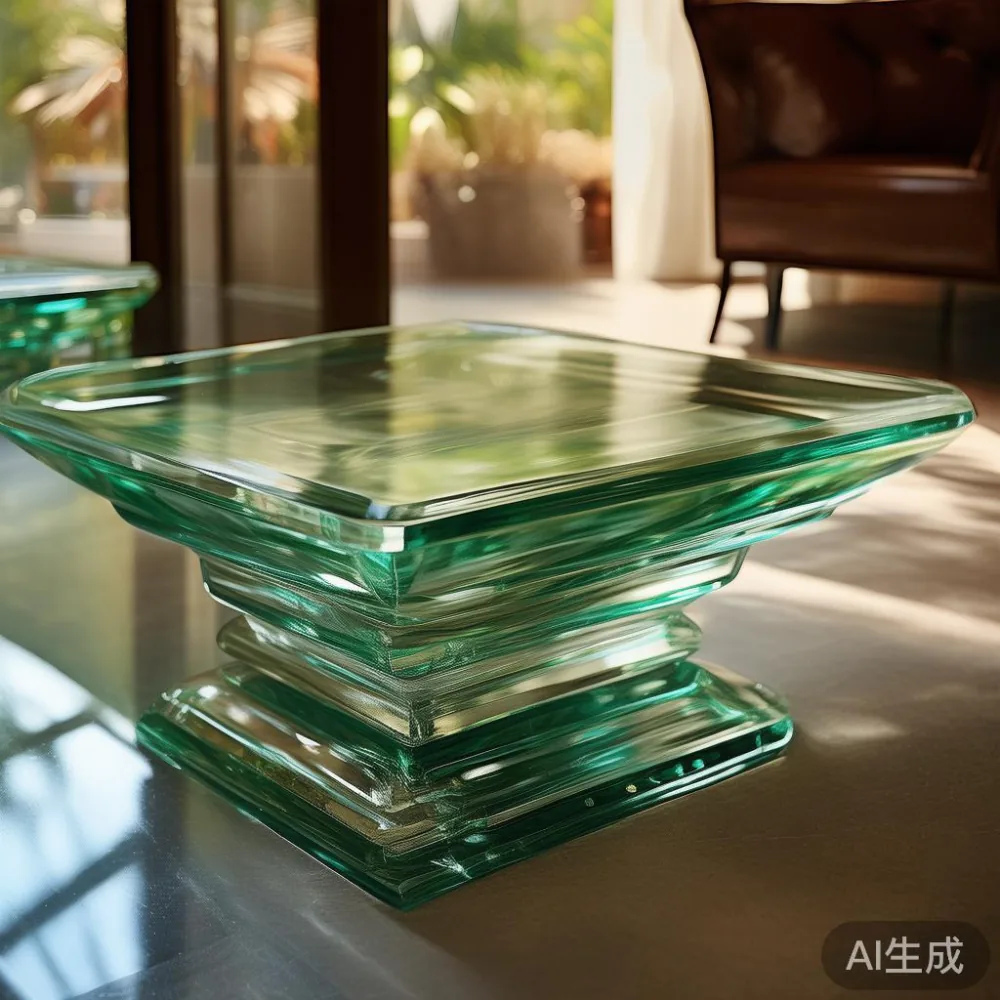
Glass furniture is especially exposed to this problem because the lacquer surrounds a transparent panel that magnifies every defect. A glass-topped coffee table with a lacquered solid wood base, for instance, will show a ring stain within one wet glass left too long on the surface. Even a piece of designer European light luxury furniture that costs upward of S$4,200 will not escape the physics if the room sits at 85% humidity with closed windows and a running air-conditioner creating cold edges that condense.
What Is the Right Indoor Climate for Lacquered Wood in Singapore?
The honest target is 45% to 55% relative humidity, with a room temperature between 22°C and 26°C. Most HDB flats and condos in District 18 (Tampines, Pasir Ris) and District 16 (Bedok, Upper East Coast) sit well above that for at least eight months a year. I keep a S$28 digital hygrometer on my own bookshelf — the kind that logs min/max over 24 hours — and check it every Sunday. When the reading climbs past 62%, I switch on the dehumidifier for two to three hours in the evening. A 10-litre dehumidifier pulls roughly 250 ml to 400 ml of water per hour in a 90 sqm condo, which is enough to drop the reading by 8 to 10 points in one session. The electricity cost is small: about S$0.18 to S$0.25 per hour at the current regulated tariff, and the savings on a single refinishing — which can run S$280 to S$420 per panel for a 1.6 m dining table — pay for the appliance within a year.
Keep lacquered pieces at least 30 cm away from air-conditioner vents. Direct cold air chills the surface and creates the exact condensation cycle that ruins the finish. I made that mistake once with a lacquered bed frame headboard pushed under a window AC unit in a rental flat in Punggol, and within four months the top 20 cm of the headboard developed a milky blush that no polish could hide. The piece had cost S$2,150, and the only fix was a full respray at S$520.
How Should You Clean a Lacquered Surface Every Week?
Less is more. The single most useful tool is a clean microfibre cloth, 30 cm by 30 cm, washed without fabric softener. Hard rubbing with a dry cloth creates static that pulls dust back onto the surface within minutes. Instead, dampen the cloth with plain water — wring it until no drops fall — and wipe in long, straight strokes along the wood grain. Dry immediately with a second microfibre cloth. That is the whole routine for 90% of weeks.
For sticky spots — soy sauce from a spill, the sticky residue from a child's sticker, fingerprints on a glass-front wardrobe — use a 1% solution of white vinegar in distilled water. Distilled water matters because Singapore tap water carries 30 to 50 ppm of dissolved minerals, and those minerals cloud the lacquer over time. A 2-litre bottle of distilled water costs S$2.80 at FairPrice, enough for three months of weekly cleaning. Spray the solution onto the cloth, never directly onto the furniture, and wipe. Dry within 60 seconds.
Avoid silicone polishes, lemon oils, and wax sprays. They look gorgeous for a day, then trap moisture under the film and create the haze we are trying to prevent. The exception is a paste wax designed specifically for French polish, applied once every 18 to 24 months in a thin film and buffed after 20 minutes — but for a modern pre-catalysed lacquer on a dining table or solid wood sofa frame, skip the wax altogether.
Which Habits Damage Crooked Furniture the Fastest?
Three habits account for almost every repair I have seen in Singapore homes over the last four years.
First, placing hot cookware directly on a lacquered surface. A pot of laksa broth at 92°C will leave a permanent white ring in under 90 seconds on a pre-catalysed lacquer. Always use a trivet or a folded tea towel. I keep a stack of 15 cm cork coasters in a drawer in my kitchen, each 4 mm thick, and they have saved my dining table from at least a dozen near-misses.
Second, leaving wet glasses on a glass-topped coffee table or a lacquered nightstand. Even a single condensation ring from an iced tea glass will etch into the lacquer within 20 minutes. Coasters are non-negotiable. For families with young children, felt-bottomed coasters in three sizes — 9 cm, 12 cm, and 15 cm — cover most drinking vessels.
Third, dragging objects across the surface. Lifting a 3.5 kg laptop from a glass-topped table and sliding it across instead of picking it up will leave micro-scratches that catch light at certain angles. Always lift, never slide, and place a leather or felt mat under any object that stays on the surface for more than an hour.
What About Spills, Sun, and the March to Chinese New Year?
Sunlight is a quiet killer. UV breaks down the resin chains in lacquer over time, causing yellowing on light finishes and micro-fissures on dark finishes. In a Punggol or Bedok flat with floor-to-ceiling windows facing west, the afternoon sun pours in from 2 pm to 5 pm. Either draw the curtains during those hours or move the piece at least 80 cm away from the window. A 3% UV-filtering film on the window, costing about S$9 per square foot installed, cuts the damaging rays by 65% to 75% and protects every piece in the room, not just the lacquered ones.
Spills need a 10-second response. Blot, do not wipe. Wiping a soy sauce spill drives the pigment into the grain and spreads the stain. Blotting with a dry microfibre cloth lifts the liquid upward and confines the damage. For a spill that has dried, a paste of baking soda and water left for 5 minutes, then wiped away, usually pulls the remaining pigment out without affecting the lacquer. Test the paste on an unseen corner first — under the table, on the back apron — and wait 10 minutes. If the spot looks the same, the paste is safe.
The pre-CNY deep clean is a tradition in many Singapore households, and it is the right moment to inspect every lacquered surface for hairline cracks, lifting veneer, or dull patches. A handheld LED torch held at a 30° angle to the surface will reveal defects invisible under ceiling lights. Mark each defect with a small piece of masking tape, photograph it for the warranty file, and contact the supplier before the festive season rush begins. Most refinishing workshops in Singapore need a 10 to 14 working day lead time during January and February, so booking by mid-December keeps the calendar open.
How Do You Choose Lacquered Furniture That Will Last in the Tropics?
The finishing system matters more than the wood species. A pre-catalysed lacquer with a cured film thickness of 0.05 mm to 0.08 mm will outlast a nitrocellulose finish by a factor of three in Singapore conditions. Ask the supplier for the film thickness data sheet, and if they cannot provide one, treat that as a red flag. The brand should also offer a written warranty that names the finish type, the expected service life, and the refinishing terms. MIDHILL furniture, for example, ships from its Foshan workshop with a 10-year structural warranty and lifetime refinishing, which tells you the maker expects the lacquer to be serviceable for the life of the frame.
Construction also matters. A solid wood sofa, bed frame, dining table, wardrobe, or nightstand built with mortise-and-tenon joinery and kiln-dried timber will move less in humid air than one held together with staples and MDF. The kiln-drying target for tropical use is 8% to 10% moisture content, measured with a pin meter at the workshop. Reputable exporters in Foshan, where MIDHILL has operated since 2008, kiln-dry to 8% and acclimatise the timber for 14 days before assembly, which is the standard for export-grade pieces sold across the 15 countries they currently serve.
For buyers looking at designer European light luxury furniture, post-modern light luxury furniture, or American light luxury furniture in the Singapore market, the price band for a 1.8 m lacquered dining table starts around S$1,450 and runs past S$6,800 for a marble table with a lacquered timber base. The mid-band, between S$2,200 and S$3,500, is usually where the construction quality and finish quality both hold up. Anything below S$1,200 for a similar table almost always uses nitrocellulose lacquer and MDF cores, which will haze within 18 months in a HDB without dehumidification.
Glass furniture pieces with lacquered timber frames — side tables, console tables, display cabinets — follow the same rules. The glass panel itself needs only a wipe with a lint-free cloth and a drop of isopropyl alcohol for fingerprints, but the timber frame is where the climate will attack first. Inspect the joint between the glass and the frame every six months; a 1 mm gap that appears at the corner is the early warning that the frame has moved and the lacquer is about to crack along the seam.
When Should You Call a Professional Instead of DIY?
Three situations call for a workshop, not a YouTube tutorial. First, any crack longer than 5 cm or any crack that crosses a joint — these signal structural movement, not just finish failure, and the piece should come out of service until repaired. Second, any area of lifting veneer, where the wood skin has bubbled away from the substrate. Pressing it down with a hot iron is a common DIY fix, but it usually damages the surrounding lacquer and leaves a darker patch. A workshop can re-bond the veneer with animal-hide glue and refinish the local area for S$90 to S$160 per panel. Third, any dull patch larger than the palm of a hand — these need a full re-polish of the panel, which a mobile technician can do in your home for S$180 to S$260 per panel, or you can send the top to a workshop for S$320 to S$420.
For buyers sourcing through wholesale Modern light luxury furniture channels, ask whether the supplier offers on-site refinishing in Singapore or only at the workshop in China. MIDHILL, for instance, has a small refinishing network in Johor Bahru and Hong Kong that handles warranty claims for the Southeast Asian market, and pieces can be trucked across the causeway for a S$60 to S$90 logistics fee each way. That is far cheaper than a local refinisher for a full dining set, where six panels can run past S$2,000 in Singapore workshop rates.
If you are browsing for cheap light luxury furniture under 2000 SGD, set aside at least S$120 to S$200 for a dehumidifier and a year of distilled water before the piece arrives. For shoppers looking at under 2000 Minimalist furniture, under 2000 Industrial furniture, or under 2000 Rustic furniture, the same climate rules apply — the lacquer does not know what style it is wearing, and it will haze in a Tampines flat just as quickly on a Scandinavian-inspired dining table as on a French-provençal sideboard. The only protection is the routine: weekly wipe, monthly inspection, seasonal deep clean, and a dehumidifier on a timer.
What Is the One Thing Most Singapore Owners Forget?
It is the underside. The top of a dining table gets wiped and coasters get used, but the underside — the apron, the cross-stretchers, the back of the legs — never sees a cloth. In a HDB without cross-ventilation, the underside sits in still, damp air and slowly accumulates mould spores that work their way up into the visible finish. Every six months, get down on the floor with a torch and check the underside of every lacquered piece. A wipe with a 1:4 solution of white vinegar and water, applied with a microfibre mop on a 60 cm extension pole, keeps the underside clean and stops the migration. It takes 10 minutes per piece and prevents the kind of slow damage that no amount of top-side care can undo.
That ten-minute habit, more than any other, is what separates a lacquered dining table that still looks new after ten years from one that needs full refinishing after three. The climate in Tampines, Bedok, Punggol, and the rest of Singapore is not going to change, but the way a piece responds to that climate is entirely in the hands of the person who wipes it down on a Sunday morning.