Caring for Lacquered Surfaces in Singapore's Humid Heat
Living in Singapore, with its year-round humidity and average temperatures hovering around 28°C, presents a unique set of challenges for homeowners. This is especially true for those who appreciate the clean lines and reflective beauty of glass furniture. The polished, lacquered surfaces that give glass furniture its signature sheen are susceptible to the very environmental conditions that make our city-state so vibrant. A fine layer of dust can feel sticky, a fingerprint can linger, and in extreme cases, the high moisture content in the air could potentially affect the long-term integrity of the finish. Understanding how to care for these pieces is not about creating a burdensome chore, but about preserving a piece of your home's aesthetic for years to come.
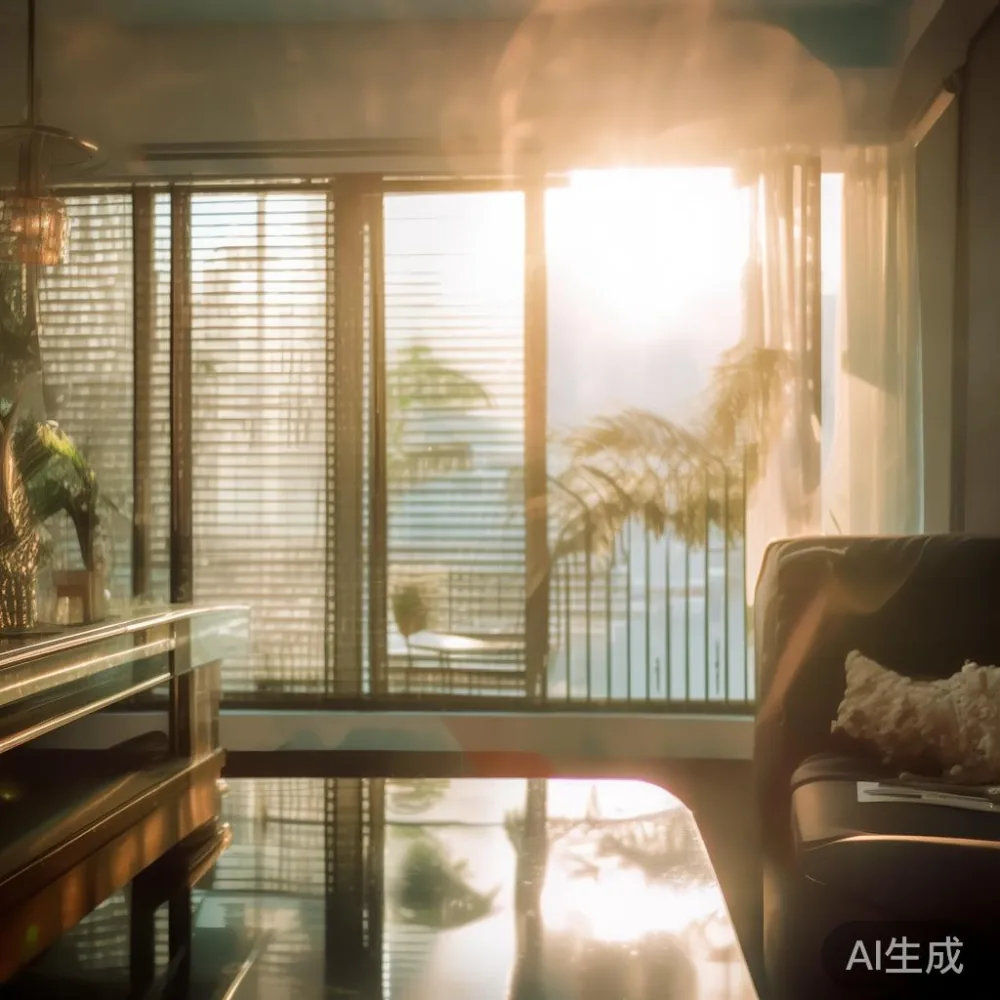
Why Does Singapore's Climate Affect Lacquered Surfaces?
The core issue is the relentless combination of heat and humidity. Singapore's relative humidity often sits between 70% and 90%, a level that can feel oppressive on some days. For a lacquered surface, this constant moisture exposure can have subtle effects. Lacquer, a durable and high-gloss finish, is in effect a hardened liquid plastic. While it forms an incredibly tough barrier, prolonged exposure to high humidity can, over many years, lead to a very slow process of hydrolysis, where the finish might absorb microscopic amounts of moisture. This can sometimes result in a slightly 'tacky' feel on the surface or, in rare cases, a very slight change in the clarity of the finish. Also, the condensation that can form on a cool glass surface in an air-conditioned room, when met with the warmer, humid air outside the unit, can create tiny droplets that, if left, might leave watermarks. It's a slow, gradual process, but one that proactive care can easily mitigate.
How Often Should I Clean My Glass Furniture?
The frequency of cleaning depends entirely on your home's specific environment and how often the furniture is used. For a glass dining table in a Tampines HDB flat that sees daily family meals, a quick wipe-down might be necessary every 2-3 days. For a glass-top nightstand in a guest room in a Punggol condo that is used infrequently, a weekly dusting might suffice. As a general rule, a light dusting with a soft, dry microfiber cloth is a good habit to get into. This removes the fine layer of dust and pollen that can accumulate, preventing it from being ground into the surface during subsequent cleaning. For a more thorough clean, a damp cloth followed by a dry one is sufficient. The key is to avoid over-cleaning, as excessive rubbing, even with the right materials, can eventually wear down the shine.
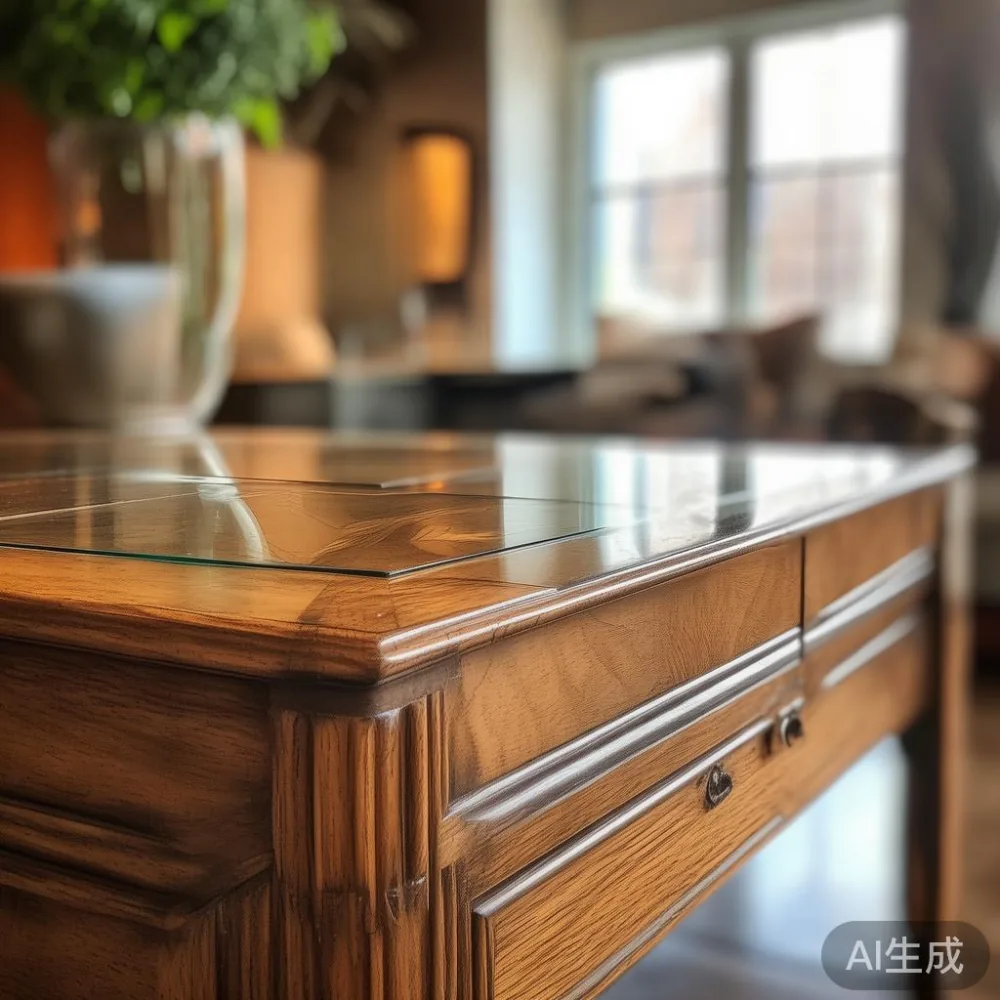
What Cleaning Products and Tools Should I Use?
For cleaning lacquered glass furniture, less is absolutely more. You need products that will lift away dirt and grime without leaving behind any residue that could dull the surface. The safest and most effective approach is a simple solution of distilled water and a drop of a very mild, pH-neutral dish soap. Tap water in Singapore is generally safe, but it contains minerals that can leave behind faint streaks or spots as the water evaporates. Distilled water eliminates this risk. Always use a soft, lint-free cloth. Microfiber cloths are an excellent choice because their fine fibers trap dust effectively without scratching the surface. Avoid abrasive materials like sponges with a rough scrubbing side, steel wool, or paper towels, which can leave fine scratches that will catch light and dull the finish over time. For a final, streak-free polish, a second, dry microfiber cloth is indispensable.
What Should I Absolutely Avoid Using on My Glass Furniture?
This is where many well-intentioned homeowners go wrong. Certain common household cleaning products can be detrimental to a lacquered finish. Never use ammonia-based glass cleaners, such as those commonly sold in supermarkets for a few SGD a bottle. The ammonia can strip away the protective layers of the lacquer over time, leading to a cloudy or hazy appearance. Similarly, avoid any cleaners containing alcohol, vinegar, or abrasive powders. These can etch the surface or dull the high-gloss sheen. A common mistake is to use furniture polish or wax on glass furniture. These products are designed for porous wood surfaces and will create a greasy, sticky film on glass, attracting more dust and fingerprints. Stick to the simple water-and-mild-soap solution, and you will achieve a perfect, clean finish every time without any risk of damage.
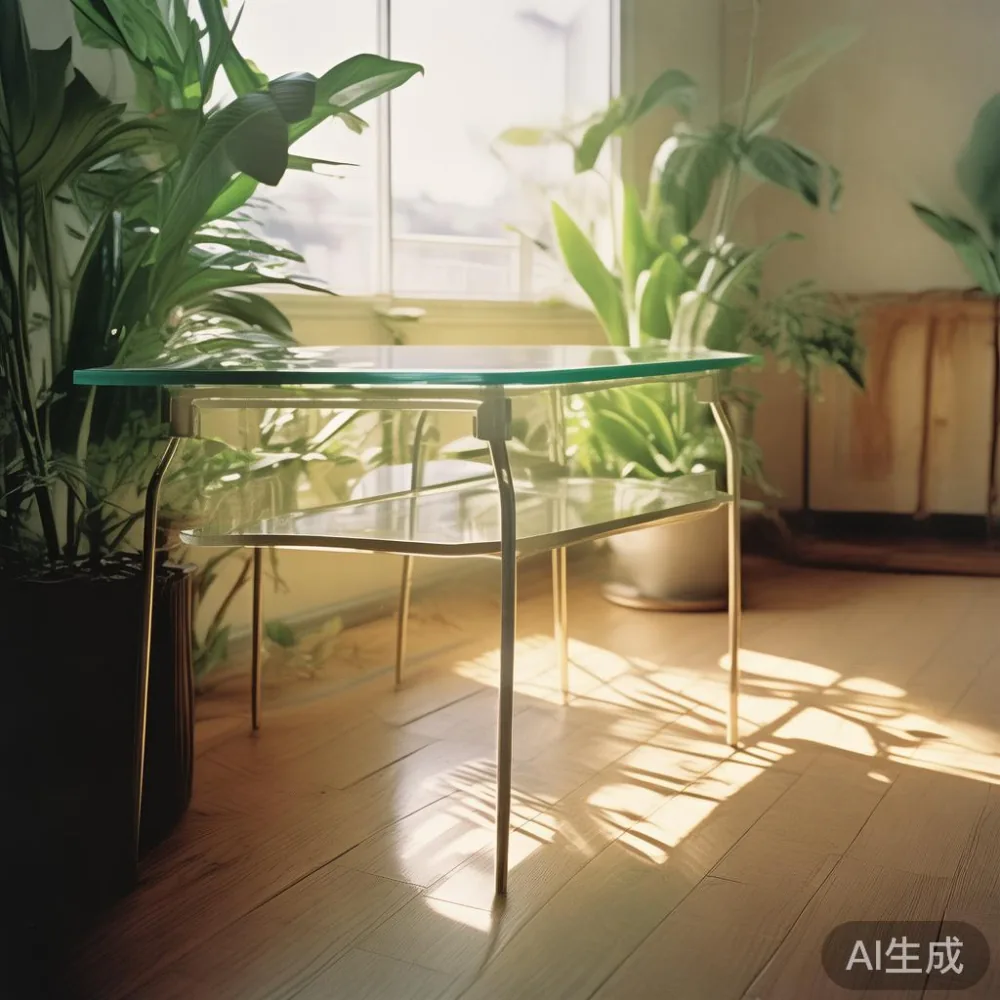
How Can I Prevent Heat and Moisture Damage?
Prevention is the most effective form of care. The most significant threat to glass furniture in a Singaporean home comes from direct, prolonged exposure to sunlight. The intense UV rays can, over a long period, potentially cause the lacquer to yellow or become brittle. This is why it's important to position glass furniture away from large, uncurtained windows, especially those facing west in the afternoon. If you have a glass dining table or a marble table in a sunny spot, consider installing UV-filtering window film, which can block out up to 99% of harmful UV rays. For moisture, ensure good air circulation around your furniture. In a high-rise condo with floor-to-ceiling windows, opening windows for a few hours each day can help prevent a build-up of stagnant, humid air. For pieces like a solid wood sofa with glass elements, ensure there is at least 10-15 cm of space between the back of the sofa and the wall to allow air to flow freely.
How Do I Deal with Stubborn Stains or Water Marks?
Despite your best efforts, accidents happen. A glass of red wine left on a glass-top dining table or a hot cup of coffee can leave a stubborn mark. The key is to act quickly. For fresh spills, immediately blot the area with a dry cloth to absorb as much liquid as possible. Then, dampen a corner of your microfiber cloth with the distilled water and mild soap solution and gently wipe the area in a circular motion. For more persistent water marks or slight cloudiness, you can try a very gentle solution of 50% distilled water and 50% white vinegar. Apply it sparingly to a cloth and rub gently. The mild acidity can help break down mineral deposits. However, use this solution with caution and test it on a small, inconspicuous area first. For deep scratches or significant damage, the best course of action is to contact a professional refinishing service. Attempting to sand or buff the surface yourself will almost certainly ruin the finish.
What About Moving Glass Furniture in My Singapore Flat or Condo?
Transporting glass furniture, whether it's a large wardrobe with glass doors or a simple nightstand, requires careful planning, especially within the confines of a Singaporean apartment. Standard HDB lift dimensions are typically around 110 cm wide by 210 cm deep, while condo lifts can be slightly larger, around 140 cm wide by 220 cm deep. A large glass-top dining table might measure 180 cm x 90 cm, meaning it may not fit upright in a standard lift. In this case, it will need to be moved flat on a trolley. Always ensure the path is clear. Measure your corridor and doorways. A typical internal HDB door is about 80 cm wide, but older units or some condos might have narrower openings. Having at least two people to lift and carry the piece is not just a recommendation; it's a necessity to prevent accidents and damage to the glass or the lacquered frame.
Is It Worth Investing in High-Quality Glass Furniture in Singapore?
This is a question many homeowners grapple with when they see the price tags on well-made pieces. A high-quality glass dining table from a reputable maker like MIDHILL, with a solid wood frame and a thick, tempered glass top, can represent a significant investment, often costing several thousand SGD. The question is whether this investment is justified given the local climate. The answer lies in the quality of the construction and the finish. Reputable manufacturers use multi-layered, catalyzed lacquer finishes that are specifically designed to be highly resistant to moisture, heat, and yellowing. These finishes are applied in a controlled environment and cured to create a molecularly stable surface. While a cheap, mass-produced piece might succumb to the elements in a few years, a well-made piece of glass furniture, when cared for properly, can last for decades, retaining its beauty and functionality. It’s a long-term investment in your home's aesthetic and value.
My Colleague's Experience with a Lacquered Glass Coffee Table
Last month, I visited my colleague, Sarah, at her new condo in Bedok. She had just purchased a stunning glass coffee table from a brand known for its French light luxury aesthetic. The table featured a clear glass top supported by a sleek, black lacquered solid wood base. Sarah was initially worried about the maintenance, having heard stories about how difficult glass furniture can be to keep clean in Singapore. I showed her the simple cleaning routine: a quick daily dust with a dry microfiber cloth and a weekly wipe with a damp one. A few weeks later, she told me she was thrilled with how easy it was to maintain. The glass surface shows up dust and smudges, which makes her clean it more regularly, but the process itself takes less than two minutes. She loves how the reflective surface makes her small living room feel larger and brighter, a perfect example of how Modern for small living room can be both stylish and practical.
What is the Long-Term Warranty on Quality Glass Furniture?
When considering a significant investment, the warranty is a critical factor of assurance. A reputable manufacturer stands behind the quality of their products. For example, a company established in 2008 with a strong export history to over 15 countries typically offers comprehensive warranties. A 10-year structural warranty on the frame and a lifetime refinishing warranty on the lacquered surfaces are common. This means that if the wood frame of your solid wood sofa or bed frame warps or breaks within 10 years due to a manufacturing defect, it will be repaired or replaced. The lifetime refinishing warranty guarantees that if the lacquer on your glass furniture ever peels, cracks, or loses its integrity under normal use conditions, the company will refinish it for you, often for just the cost of materials and shipping. This provides immense peace of mind, protecting your investment against defects for the entire lifespan of the furniture. Free shipping over a certain purchase value, for example, SGD 350, also adds to the value proposition.
How Does Glass Furniture Compare to Other Styles in a Tropical Climate?
The choice of furniture style often reflects a lifestyle and an aesthetic preference. When comparing glass furniture to other popular styles like Japandi or Mid-century modern, the material properties offer distinct advantages in a humid climate. A solid wood sofa, for instance, is beautiful but its porous nature can absorb moisture from the air, potentially leading to expansion and contraction over time. This is less of a concern with glass, which is non-porous and impervious to humidity. The choice between a European light luxury bed vs Mid-century modern bed often comes down to personal taste, but the glass-topped nightstand that accompanies the European bed offers a practical advantage in Singapore. Similarly, the debate of light luxury bed vs Japandi bed highlights a difference in material philosophy; the Japandi style embraces natural, untreated woods which require careful oiling to protect in our climate, whereas a lacquered glass surface requires only simple wiping. For a guest room, a Post-modern for guest room design might incorporate glass elements for a clean, sophisticated look that is easy for guests to maintain without fear of causing damage.
Where Can I Find Quality Glass Furniture in Singapore?
For those looking to invest in well-crafted glass furniture, the options are more accessible than ever. While high-end showrooms exist in the Orchard Road area, many reputable brands now offer comprehensive online stores. This allows you to browse collections, from a marble table perfect for your dining room to a sleek glass console for your hallway, from the comfort of your home. Online platforms often provide detailed specifications, including dimensions, materials, and warranty information. For instance, a wardrobe with glass doors might have dimensions listed as 240 cm high x 120 cm wide x 60 cm deep, allowing you to confirm it will fit in your allocated space. Shopping online also means you can easily compare prices and find options that fit your budget, from affordable pieces to those that are decidedly not cheap Modern light luxury furniture. You can often find the best Coastal sofa for 2026 or other specific pieces by browsing through online catalogues. Always check the delivery policies and return options; a 14-day return policy provides a safety net if the piece doesn't look right in your space. You can explore their full range of products, including a solid wood sofa and dining table collections, by visiting their website at m.midhill.co.
Final Thoughts on Owning Glass Furniture in Singapore
Owning glass furniture in Singapore is not a high-maintenance burden; it is a commitment to a particular kind of beauty that is cool, modern, and effortlessly elegant. The key to enjoying these pieces for a lifetime lies in understanding their needs and adapting your care routine accordingly. It’s about embracing simple habits: regular dusting, prompt spill cleanup, and strategic placement to avoid direct sunlight. By following these straightforward guidelines, you can ensure that your glass furniture remains a stunning centerpiece in your home, reflecting the light and the style you love for years to come. The humid Singapore air becomes a challenge you can easily manage, allowing you to focus on the enjoyment of your living space.