Preserving the Lustre: A Guide to Caring for Lacquered Glass Furniture in Singapore's Tropical Climate
The fusion of sleek glass and a flawless lacquered finish represents the pinnacle of modern interior design. This combination creates surfaces that are reflective, sophisticated, and capable of making a powerful statement in any space. However, this aesthetic elegance comes with a set of specific care requirements, especially when placed in the unique environmental conditions of Singapore. With average humidity levels hovering around 80% and temperatures consistently above 26°C, maintaining the pristine condition of lacquered surfaces is a year-round commitment. This guide provides a detailed, practical approach to caring for your lacquered glass furniture, ensuring its beauty endures for years to come.
Understanding Your Lacquered Surface
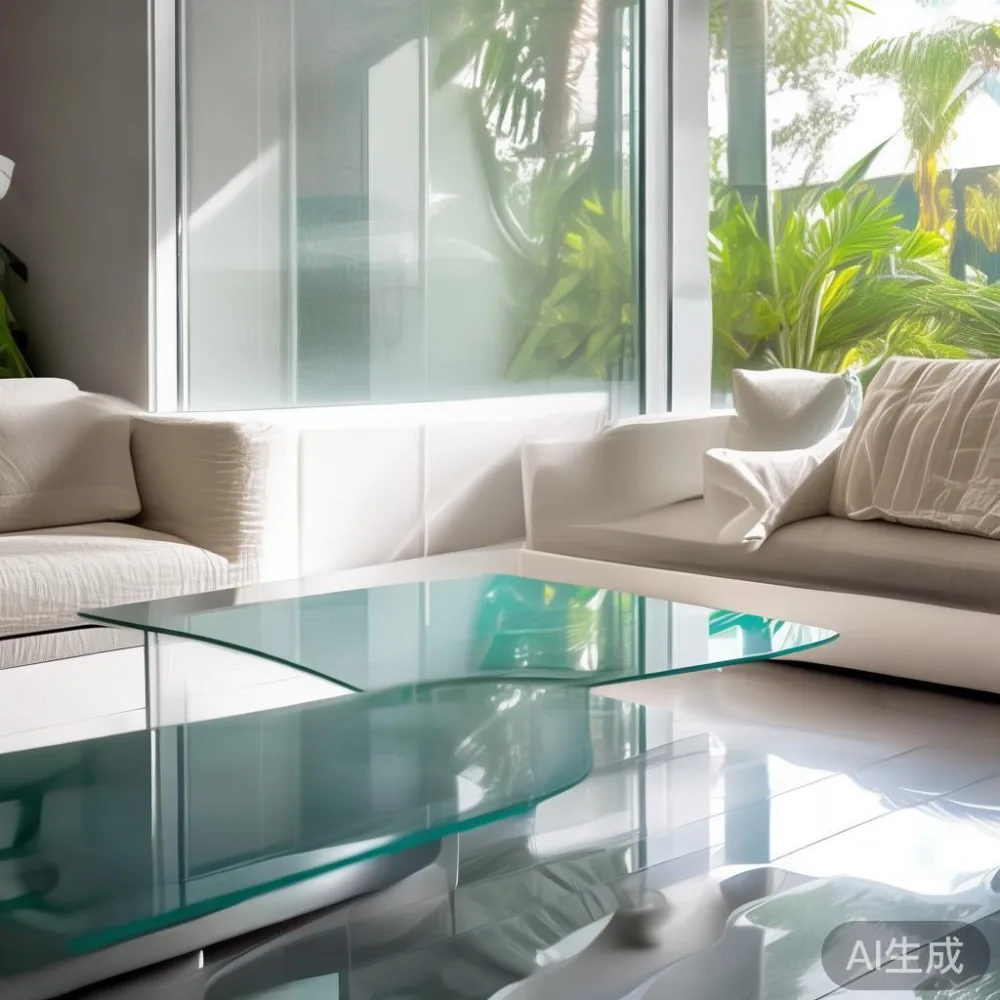
A lacquered finish, often applied to wood or MDF components of glass furniture, is a multi-layered coating of a clear resin. This resin is cured under heat to create a hard, durable, and highly glossy surface. The primary function of the lacquer is to protect the underlying material from scratches, moisture, and UV light. While incredibly resilient, this finish is not invincible. In a tropical climate, the primary adversaries are moisture and heat. High humidity can cause the wood substrate to expand and contract subtly over time, potentially putting stress on the lacquer layer. Prolonged exposure to direct sunlight can cause the lacquer to yellow or become brittle. Understanding these vulnerabilities is the first step toward effective care. For instance, a solid wood dining table with a lacquered top paired with a glass insert requires the same attention to humidity control as the wood itself, as the two materials will react differently to environmental changes.
Why Singapore's Climate Poses a Unique Challenge
Singapore's equatorial climate is characterised by high humidity and constant warmth, which creates a perfect storm for potential damage to fine furniture. The air is saturated with moisture, which can seep into the smallest imperfections in a lacquer finish, leading to water spots or, in severe cases, delamination where the finish lifts from the wood. This is a particular concern for residents in HDB flats and condos across the island, from Tampines to Punggol, where air-conditioning is not always running 24/7. Also, the intense UV radiation, even on cloudy days, can fade and discolour the lacquer over a period of 3 to 5 years, causing it to lose its original clarity and gloss. The challenge is not just about preventing damage, but also about managing the micro-environment around your furniture. For example, a wardrobe placed in a walk-in closet in a Bedok HDB flat might experience different humidity levels than a nightstand in an air-conditioned master bedroom. Recognising these micro-climates within your own home is key to implementing a successful care routine.
Daily and Weekly Care Routine for Lacquered Surfaces
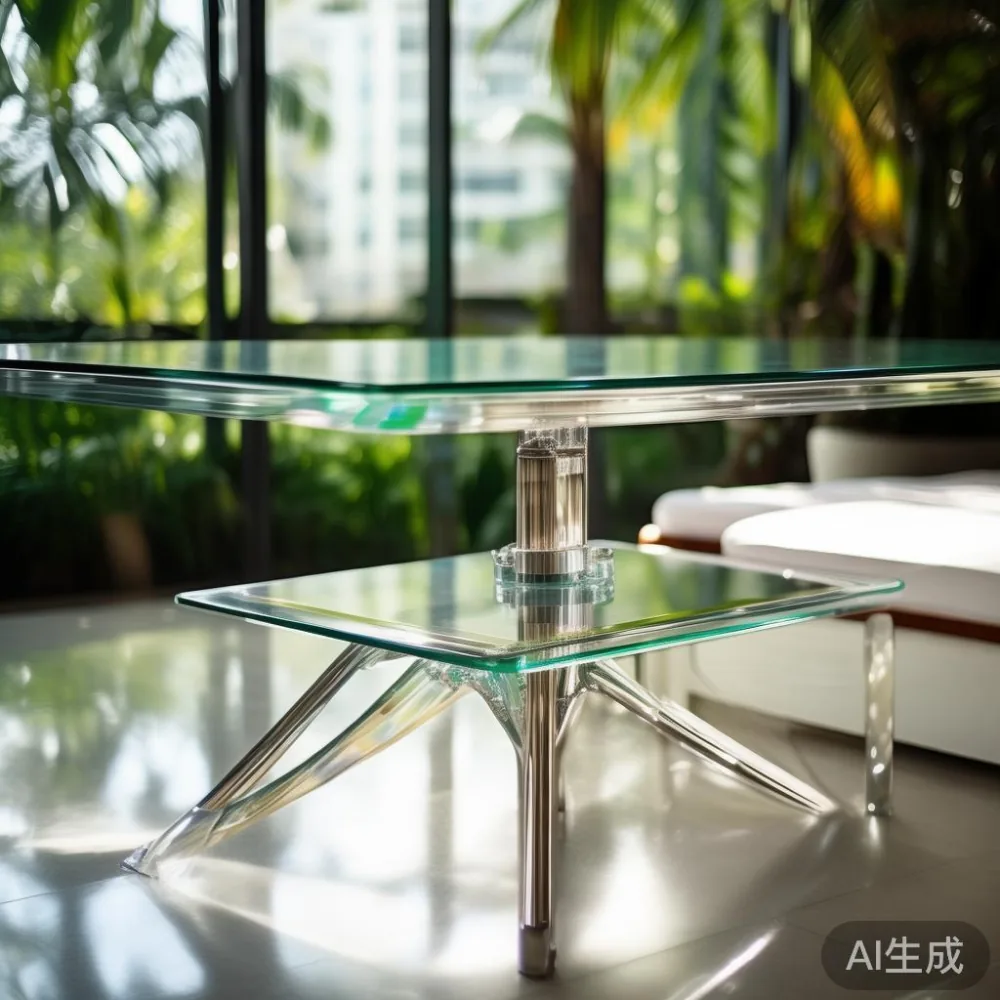
Maintenance is the most effective form of protection. A simple, consistent routine can prevent 90% of common issues. For daily upkeep, use a soft, lint-free microfiber cloth. A slightly damp cloth can be used for wiping away dust and minor fingerprints, but it must be wrung out thoroughly to leave the surface nearly dry. Wipe in a consistent direction, following the grain of the wood if visible, to avoid streaking. For weekly cleaning, a dedicated furniture polish formulated for lacquered or high-gloss surfaces is recommended. Apply a small amount, about the size of a 20-cent coin, onto a clean microfiber cloth and buff the surface gently. This not only cleans but also replenishes the protective layer of the polish. Avoid using all-purpose household cleaners, as their chemical agents can strip the lacquer of its shine and protective properties. When moving items on a lacquered surface, such as placing a marble table centrepiece, always lift them rather than sliding them to prevent scratches.
Preventing Sun Damage and Humidity Buildup
Direct sunlight is the silent enemy of a beautiful lacquer finish. If your furniture is placed near a window, invest in good quality curtains or blinds that can block out the harsh afternoon sun. UV-blocking window film is an excellent long-term solution, reducing UV rays by up to 99% without significantly darkening the room. For humidity control, using a dehumidifier in the room, especially during the rainy season from November to January, can make a significant difference. Aim to keep the relative humidity between 45% and 55%. A simple digital hygrometer, available for under SGD 30, can help you monitor the levels. In a condo with a balcony, ensure that glass furniture pieces are not stored directly on the exposed floor, where they can absorb moisture from the tiles. Instead, use protective felt pads on the feet of the furniture to create a barrier. This is especially important for items like a solid wood sofa or a European light luxury bed, which have larger surface areas and are more susceptible to warping.
Dealing with Spills and Stains Immediately
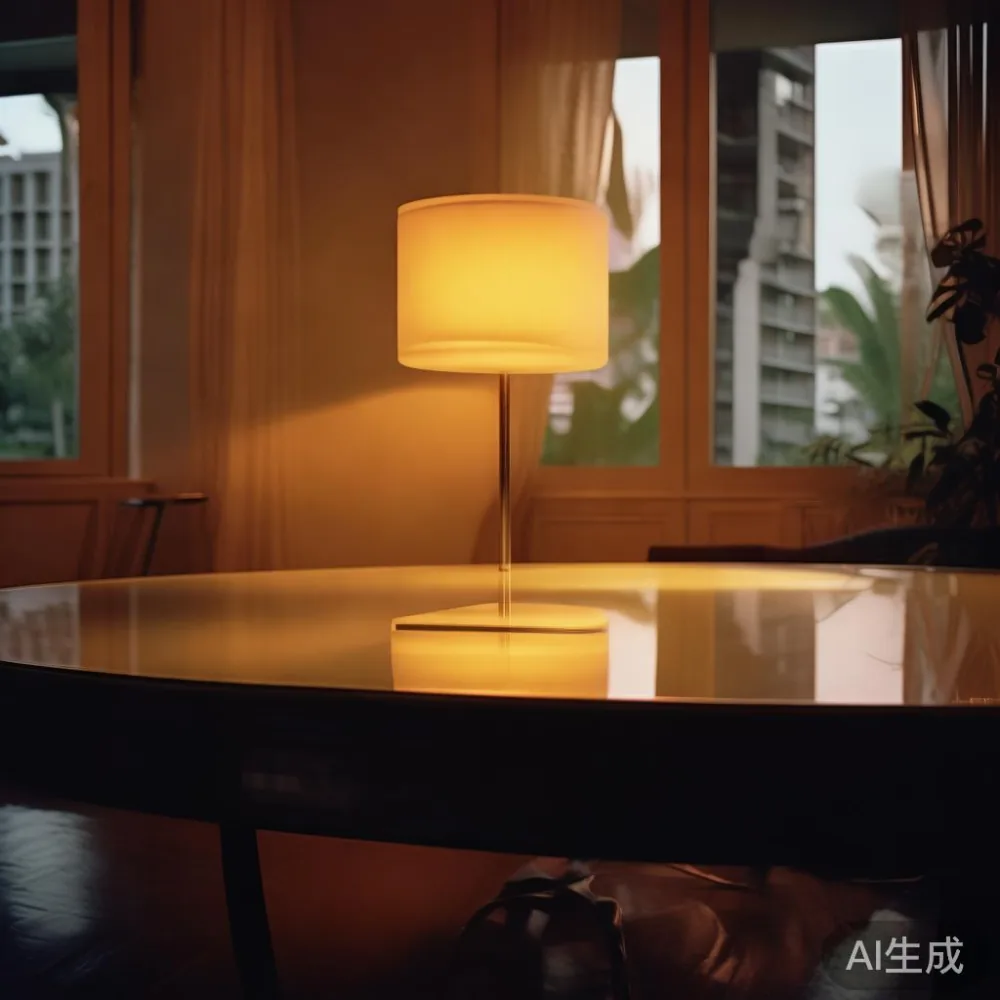
Accidents happen, but prompt action can prevent a permanent mark. The golden rule is to act immediately. When a spill occurs, grab a soft, dry cloth and blot the area gently. Do not rub, as this can spread the liquid and push it into the porous wood grain beneath the lacquer. For water-based spills like coffee or soda, a dry cloth is often sufficient. For sticky substances like juice or wine, you can lightly dampen a corner of the cloth with a mixture of 90% water and 10% mild, pH-neutral soap. Wipe the area clean and immediately dry it with a second, dry cloth. For stubborn, dried-on spots, a plastic credit card or a similar blunt edge can be used to carefully scrape off the residue, followed by a gentle wipe with the damp cloth. Avoid using abrasive scouring pads or harsh chemicals like acetone or ammonia-based cleaners, as they will permanently damage the lacquer finish. My colleague last month visited a client in a Tampines HDB who had a stubborn ink mark on their lacquered nightstand. We successfully removed it by using a specialized wood marker that matched the finish, which filled the micro-scratch and made the mark invisible.
How can I polish my lacquered glass furniture without streaks?
Achieving a streak-free shine on a high-gloss lacquered surface is a common challenge, but it's entirely possible with the right technique and products. The secret lies in the tools and the method. First, ensure your microfiber cloths are clean and free of fabric softener residue, which can leave behind a film. Use a high-quality, non-silicone polish designed specifically for lacquered or piano finishes. Apply the polish sparingly to a clean, dry microfiber cloth—never directly onto the furniture. Work in small, manageable sections, about 30cm by 30cm. Using a second, dry microfiber cloth, buff the section immediately after applying the polish using a firm, circular motion. The friction from the buffing action is what creates the deep, reflective shine. For larger surfaces like a dining table or a solid wood sofa, this process should be done section by section. Always remember to wipe off any excess polish completely before moving to the next section. This method ensures a uniform, gleaming finish without any unsightly streaks.
Long-Term Protection and Professional Care
Even with the best daily care, your lacquered furniture will benefit from periodic professional attention. Every 2 to 3 years, consider having a professional furniture polishing service. They can perform a deep clean, repair minor scratches, and apply a fresh coat of high-quality polish or wax to restore the protective layer. This service typically costs between SGD 150 and SGD 300 per item, depending on its size and complexity. For ultimate protection, you might want to explore applying a high-quality carnauba wax. Carnauba wax creates a deep, warm glow and provides an additional barrier against moisture and dust. Apply it sparingly with a soft cloth, let it dry to a haze, and then buff it off thoroughly. When arranging your furniture, be mindful of your home's layout. In a Singapore HDB flat, the standard lift width is about 110cm, and corridor widths are typically 120cm. Ensure that any large pieces, like a wardrobe or a marble table, can work through these spaces without being bumped against walls, which could chip the lacquer. When choosing new pieces, consider how they fit into your space; for example, learning how to style American wardrobe in room involves not just aesthetics but also practical considerations of access and maintenance.
Integrating Lacquered Furniture into Your Singapore Home
Lacquered glass furniture offers incredible versatility. A post-modern light luxury wardrobe with a high-gloss finish can make a small bedroom in a Punggol condo feel more spacious and bright. The reflective surface bounces light around the room, creating an illusion of depth. When styling such a piece, pair it with matte-finished accessories like a leather bed frame or a linen-upholstered nightstand to create a balanced and sophisticated look. The contrast between glossy and matte textures is a hallmark of contemporary design. For those who appreciate a more understated elegance, an Italian light luxury for office setting might feature a lacquered desk with clean lines, paired with simple, functional storage solutions. The key is to let the furniture be a statement piece. Avoid cluttering the surface with too many objects, as this can detract from the beauty of the lacquer. Instead, use a few well-chosen items, like a single sculpture or a tray with a vase, to draw attention to the finish itself. This minimalist approach allows the craftsmanship and sheen of the furniture to take centre stage.
Common Mistakes to Avoid in Furniture Care
Maintaining the beauty of your lacquered furniture is as much about what not to do as it is about what to do. One of the most common mistakes is using the wrong cleaning products. Many people reach for multipurpose sprays or even wet wipes, but the chemicals in these products can degrade the lacquer over time. Another error is neglecting to use coasters and placemats. A cold glass with condensation can leave a circular water ring on a lacquered surface that can be difficult to remove. Hot plates, especially ceramic ones, can also create heat spots that damage the finish. Always use trivets or heat-resistant pads under hot dishes. Physical damage is another concern. Dragging objects across a table or using the furniture surface as a writing desk can lead to deep scratches that penetrate the lacquer. Always lift items, and use a protective mat if you need to work on the surface. When comparing different styles, one might consider the differences in maintenance; for example, an American sofa vs Nordic sofa often have different upholstery and frame materials, which require distinct care approaches, but both should be kept away from direct sunlight to prevent fading of their respective finishes.
Investing in Quality for Lasting Beauty
While proper care can significantly extend the life of any furniture, the journey begins with a quality purchase. When selecting new pieces, it's worth investing in well-constructed items from reputable makers. For instance, a Foshan furniture maker like MIDHILL, established in 2008, has built a reputation for solid wood construction and durable finishes. Their 10-year structural warranty and lifetime refinishing service are indicators of confidence in their product's longevity. When buying a marble table, ensure the edges are well-finished and sealed to prevent staining. For a wardrobe, check the internal hardware and drawer slides to ensure they operate smoothly, as rough operation can stress the lacquered finish on the exterior. Quality furniture is an investment that, when cared for properly, will retain its value and beauty for decades. It's about choosing pieces that you love and are willing to maintain, transforming your house into a home that reflects your personal style with enduring elegance.
What is the best American wardrobe for 2026?
When considering the best American wardrobe for 2026, the focus is shifting towards a blend of technology, sustainability, and adaptable design. Modern American wardrobes are moving beyond simple storage to become integrated smart home components. Look for models featuring soft-close mechanisms, internal LED lighting that activates with the opening of a door, and even USB charging ports built into the interior lining. Material-wise, the trend is towards sustainable solid woods like walnut or oak, finished with low-VOC, water-based lacquers that are more environmentally friendly and just as durable. The design aesthetic is leaning towards clean lines with subtle hardware, or even handle-less designs that use push-to-open mechanisms. This minimalist approach complements various interior styles, from contemporary to traditional. When choosing a wardrobe, consider not just its appearance but also its functionality and the quality of its finish. A well-lacquered surface will protect the wood for years, making it a wise investment for any Singapore home.