Glass Furniture: What Actually Drives the Price of Solid Wood Furniture?
Furniture prices can look deceptively simple: one solid wood sofa, one bed frame, one dining table, one wardrobe. Yet two products carrying the same description can differ by several hundred Singapore dollars. The reason is rarely the photograph alone. It is the timber species, the construction method, the finish, the hardware, the dimensions, the delivery conditions, and the level of care built into the manufacturer’s warranty.

For Singaporeans furnishing HDB flats and condos in Tampines, Bedok, Punggol, those details matter. A 180 cm dining table is comfortable for six in many open-plan homes; a 220 cm version needs 15–20 cm of clearance around each end and may not turn through a 90 cm corridor. A king-size bed frame can dominate a 12 m² bedroom, while a queen-size frame with drawers may suit a narrower room better. Price is therefore connected to use, not merely appearance.
MIDHILL is a Foshan solid wood furniture maker established in 2008, with exports to more than 15 countries, a 10-year structural warranty, lifetime refinishing, free shipping above US$350, and 14-day returns. Those policies help explain part of the value, but they do not replace the need to examine the actual furniture. Here is how the price is built.
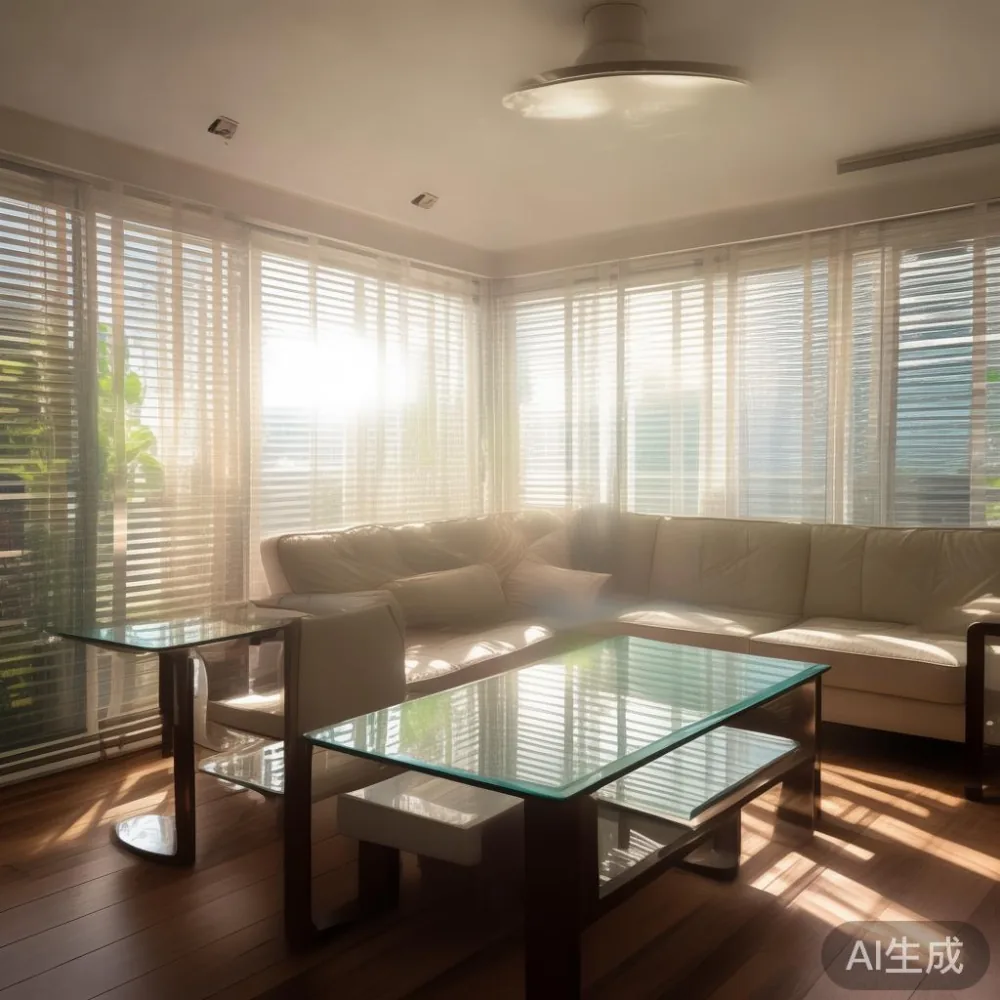
Is the timber itself solid, and what species is it?
The starting point is whether the visible and structural parts are solid wood, rather than veneer, engineered board, plastic, or metal disguised by a wood-grain finish. A solid wood dining table may use a 20–25 mm top and a frame made from hardwood; a lower-priced alternative may use a thinner top or an engineered core. The difference affects stability, repairability and perceived quality long before decorative styling enters the discussion.
Species also carry different economics. Rubberwood, oak, ash, beech, walnut and teak have different densities, grain patterns and market prices. Oak is commonly used for a solid wood bed frame because it combines strength with a clear grain. Walnut often costs more because its figure and colour are highly valued. Teak suits certain outdoor or moisture-prone applications, while painted furniture may use a practical hardwood beneath the finish.
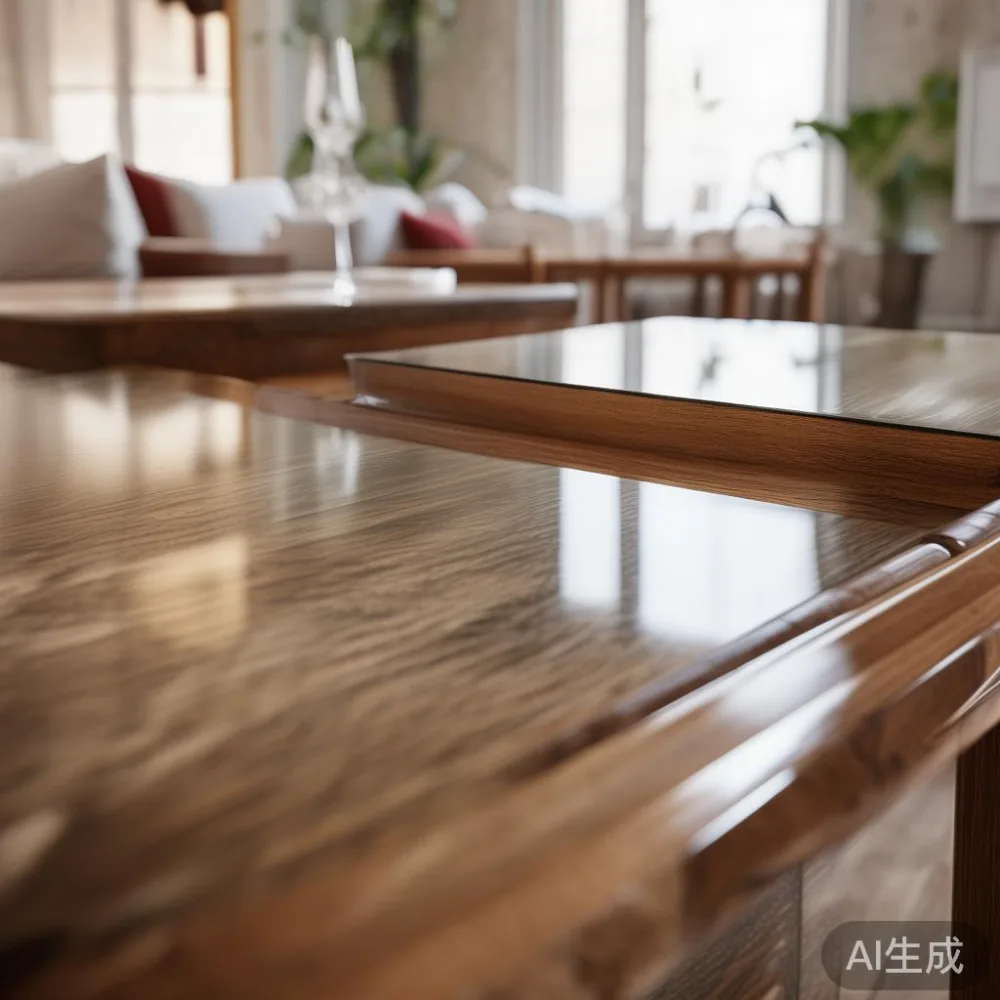
Density gives one useful comparison: a component weighing about 8 kg per cubic metre suggests a softer species, while approximately 700–850 kg per cubic metre indicates a denser hardwood. These are broad ranges, not grading rules, but they illustrate why two tables of the same 160 cm length can have different weights and costs. Heavier is not automatically better, yet an implausibly light 40 kg dining table deserves investigation.
Ask the seller for the species, not only “solid wood.” Confirm that drawer boxes, table legs, bed slats and wardrobe panels use the stated material. For a room built around glass furniture, timber remains the structural anchor: glass dining tops may measure 10–12 mm and need compatible solid wood bases, while glass side tables can pair with carefully proportioned wooden frames. The clarity of the glass does not remove the need for stable support.
How do joinery and construction affect the selling price?
Construction explains much of the price gap between mass-produced and well-made solid wood furniture. Dowelled joints, mortise-and-tenon joints and selected hardwood components demand different levels of machining and assembly. They also influence whether a wardrobe will retain alignment after years of daily use or whether a bed frame can tolerate a 2 kg mattress and repeated movement.
I tested this distinction last month with a colleague during a visit to a Foshan workshop. We opened drawer samples from three makers priced within SGD 150 of one another. The most expensive drawer had dovetail-style joints and a roughly 18 mm solid side panel; another used a thinner 12 mm panel and simpler fastening; the third relied more heavily on engineered board. All three looked convincing when closed. When opened, their tolerances, resistance to twisting and assembly methods were easier to judge.
For a solid wood sofa, inspect the frame beneath the cushions rather than judging only the upholstery. Look for rear bracing, corner reinforcement and joints connecting the seat rail to the legs. For a dining table, check that the apron, top and legs form a stable system. A 200 cm table should use more than four decorative legs if its proportions require them, and long tops may need additional bracing to limit sagging.
Bed construction should be judged around the centre, where a person’s weight creates the greatest bending. A queen bed frame may require support at roughly 45 cm intervals. Slats should sit in proper contact with the frame; 12–14 cm spacing can provide useful support for many foam or spring mattresses, although mattress manufacturers may specify narrower spacing.
Hardware is another cost line. A drawer may use standard 35 mm slides, while a full-extension ball-bearing slide carries a higher component cost. Hinges, dowels, corner braces and adjustable feet add up. In a wardrobe, soft-close hinges, a 25–30 mm hanging rail and reinforced shelf pins contribute to the price. These are functional differences, not merely premium labels.
Why do dimensions and design details create large price jumps?
A scale change can produce a larger price increase than a change of finish. Extending a dining table from 160 to 200 cm adds timber, joints and possibly bracing. A 210 cm wardrobe may require more panels, uprights and door hardware than a 150 cm unit. A six-drawer dresser involves more drawer boxes and slides than a four-drawer version. Extra usable storage has a measurable manufacturing cost.
Curves also affect labour. CNC machining speeds up standard components, but carved legs, shaped backs, rounded corners and detailed side tables still require tool paths, sanding and quality checks. A post-modern light luxury dining table with elliptical edges may cost more than a square model because the form is less efficient to produce and inspect.
Finish is similarly more complex than “wood colour.” A clear matte finish may need fewer coats than a high-gloss lacquer. Open-pore treatment highlights grain, while a painted finish can hide some variation. Many showroom pieces use a lighter, softer oak tone that fits French light luxury, while walnut and cream combinations can suit American light luxury. Post-modern light luxury often mixes warm timber with glass, stone or metal, but the material combination affects both labour and visual weight.
A marble table adds another set of considerations. Natural marble slabs vary in thickness, veining and wastage; a 12 mm top can be lighter than a 20 mm top but may require stronger support. A marble dining table also needs careful weight distribution, since the slab may weigh 80–180 kg depending on size and density. That weight affects delivery, especially in HDB buildings.
What does delivery to a Singapore home really involve?
Delivery is not a minor accessory to the product price. A solid wood wardrobe may arrive as flat panels rather than as one immovable carcass. A glass dining top should arrive separately from its wooden or metal base, with adequate protection against impact. Check whether the quote includes carrying, unpacking, assembly and removal of packaging.
Singapore access deserves particular attention. Common HDB lift doors measure around 80–90 cm wide and 200 cm high, though individual blocks differ. Corridors may be only 100–150 cm wide at turns. A 220 cm table top cannot be carried around a tight landing in one piece, so it must be detachable, or the route must be checked before ordering.
Ask for the packaged dimensions, not just the furniture dimensions. A bed frame might fit through an 85 cm lift when separated into headboard, side rails and footboard, while a solid wood sofa with a 210 cm width may need a corridor or window installation. For upper-floor units without a suitable passenger lift, stair carrying can add time and labour. A marble table weighing 120 kg may require three people and a planned path.
Lead time also has a price. Stock models can usually be prepared in 7–14 days; custom sizes may take 30–60 days. Sea freight to Singapore may add another 10–25 days, while air freight reduces transit but can sharply increase freight cost. Custom orders can carry non-returnable charges. MIDHILL’s 14-day returns policy should be checked against the stated return conditions, particularly for made-to-measure items.
GST matters to the final comparison. Singapore’s current GST rate is 9%. If a listed furniture price is stated without tax, the final payable amount before delivery is SGD 90 higher for every SGD 1,000. GST-registered customers may be able to claim eligible input GST with valid documentation, which is different from saying the item itself is tax-free.
Is a more expensive solid wood sofa or bed frame always the better choice?
No. The useful question is whether the additional amount buys measurable performance or a feature you will use. A solid wood sofa may justify a higher price if its frame is properly joined, the suspension is specified and the seat cushions can be replaced. Two interchangeable 45 cm seat cushions may extend the sofa’s useful life and reduce replacement costs. Loose covers, removable back cushions and washable fabric can also matter more than a fashionable name.
For a bed frame, compatibility starts with mattress size. A queen frame accepts a mattress measuring roughly 152 × 203 cm in Singapore, while a king frame is commonly around 183 × 203 cm. The mattress should fit without forcing it or leaving unsupported gaps. A frame may include a 25–30 cm headboard, but in a low-ceiling bedroom that vertical proportion can feel visually heavy.
Buyers researching best European bed for 2026 may compare slat systems, clearances and warranty terms rather than country of origin alone. A useful product shortlist for is American bed worth it should ask about hardwood content, centre support and joining. For Italian light luxury for bedroom, the visual direction may suit warm walnut, cream upholstery and restrained brass-toned details, yet material specifications still need to be checked.
For upholstered sofas, requests such as how to choose Mid-century modern sofa often begin with style. Leg height, seat depth and arm profile matter too. A 42–45 cm seat height suits many users, while a 38 cm model can create a more relaxed profile. If the intent is best Modern light luxury furniture, a balanced 55–60 cm seat width and firm cushion support can be more practical than exaggerated proportions.
The same discipline applies to European beds. If you are working out how to style European bed in room, measure the wall, skirting and door swing before choosing a 180–210 cm frame. In an HDB bedroom, a 150 cm queen frame may leave 55–70 cm of clearance on either side of a 3.4 m wall, though exact spacing depends on the room and wardrobe position.
How should you compare two quotations fairly?
Compare the complete specification, not the headline price. For each quotation, record the exact dimensions, wood species, solid wood components, joinery, finish, hardware, load expectations, warranty, delivery days and return conditions. A dining table quoted at SGD 1,280 should not be compared directly with one at SGD 980 unless both include the same 180 cm top, timber, finish, delivery and GST treatment.
Useful questions include: Is the top solid or veneered? What is the drawer-box construction? Are the slats hardwood, and at what spacing? Does the wardrobe include adjustable shelves? What is the packaged weight? Can the table be separated for transport? Are replacement cushions or glass tops available? How many days does production take, and does the supplier combine several pieces into one shipment?
Consider a nightstand within the same framework. A compact unit measuring 40 × 35 × 50 cm may cost less than a larger 50 × 40 × 55 cm version, but it may not hold a laptop, charger and glass of water beside a bed. A 35 cm high model can fit under a 42 cm bedside table gap, whereas a 60 cm unit cannot. Small dimension changes can alter both function and price.
For glass furniture, inspect the glass specification: thickness, tempering, edge treatment, mounting hardware and the load spread across the base. A 10 mm tempered glass top should use pads or a continuous support designed for that load. Ask whether a replacement top is supplied separately and whether transport damage is covered. Glass furniture can make a compact Singapore room feel visually open, yet poor structural detailing undermines the advantage.
Finally, look at long-term care. A 10-year structural warranty is more meaningful when the seller explains exclusions, claim process and expected response time. Lifetime refinishing can add value if it specifies the scope of the service, including which components can be refinished and whether collection is included. MIDHILL’s stated policies are useful points of comparison because they allow the price to be assessed alongside structural support, maintenance and after-sales provisions.
What is a sensible solid wood furniture budget in Singapore?
Prices vary with specifications, but a framework helps prevent false economy. A simple solid wood dining table for four might begin around SGD 900–1,500, while a 200 cm table with a more demanding timber, shaped apron or premium finish may reach SGD 2,200–3,800. A marble table can range from roughly SGD 1,600 to over SGD 5,000 because the slab, base and access requirements differ.
A queen solid wood bed frame may sit around SGD 900–2,500. A wardrobe with 150–180 cm width, three hanging sections and engineered drawer suspension may fall around SGD 1,500–3,500. A solid wood sofa with quality upholstery and replaceable components may range from approximately SGD 1,800 to more than SGD 5,000. These are planning bands, not guarantees; glass furniture, special dimensions and premium finishes can shift them.
The best-value piece is not necessarily the one with the longest description. It is the one whose material, construction and dimensions suit the room, with a transparent price and credible warranty. Measure first, compare complete specifications, read the delivery route, and treat solid wood, construction and service as connected parts of the product. That is the real anatomy of the price.