Buying Glass Furniture Online in Singapore: Delivery and Assembly Realities You Should Plan For
I still remember the day my colleague Chen picked up a tempered glass dining table from a Tampines HDB courier collection point. The box was 182 cm long, weighed 86 kg, and refused to fit into the lift at her Block 645A unit. Two movers, one frustrated neighbour, and a 40-minute wait later, the box was tilted diagonally across the lift car — barely clearing the 80 cm wide by 210 cm tall door. That was the moment I realised online furniture shopping in Singapore is not really about the catalogue. It is about logistics, measurements, and the boring stuff that happens after you tap "checkout."
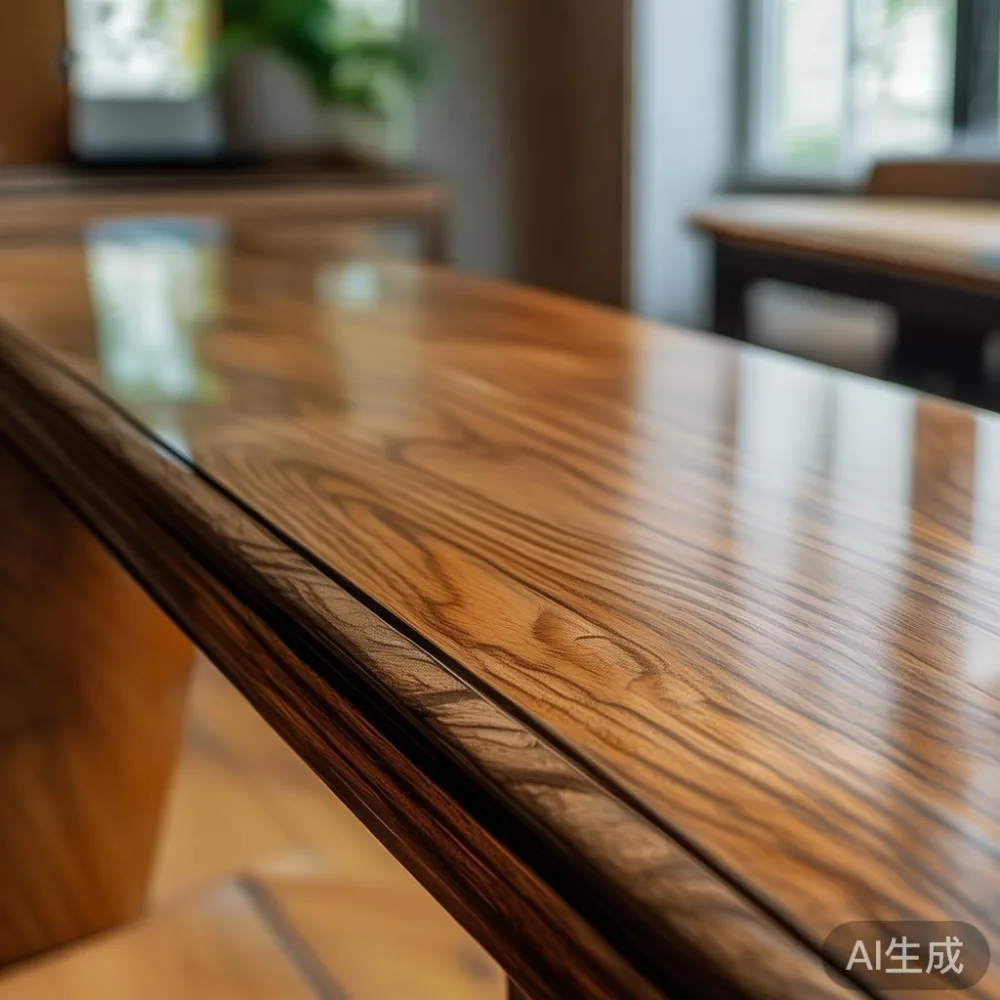
This guide is written for Singapore buyers ordering solid wood and mixed-material pieces — including glass furniture accents — into HDB flats in Tampines, Bedok, and Punggol, as well as private condos with their own set of access quirks. I have packed it with concrete numbers in centimetres, kilograms, and Singapore dollars, because vague promises do not survive contact with a 3-tonne lift capacity and a 9% GST line item.
How do HDB lift and corridor widths actually affect a glass furniture delivery?
The honest answer: more than most product pages admit. A standard HDB passenger lift in a Block 645A-style layout measures roughly 1.1 m wide by 1.4 m deep, with a door opening around 0.8 m wide by 2.1 m tall. That doorway is the bottleneck, not the lift car itself. A 6-seater solid wood dining table packed flat can easily be 200 cm long and 105 cm wide, and a tempered glass top for that table often ships in a separate crate of around 95 kg. Stack the two together and you are looking at a 130 kg package that physically cannot rotate inside the lift.
Corridors add a second constraint. HDB common corridors at blocks built in the late 1990s and early 2000s tend to run 1.2 m to 1.5 m wide. A queen-size bed frame box from a typical solid wood range is usually 215 cm long, 45 cm wide, and weighs between 55 kg and 70 kg. Maneuvering that length around a 90-degree corridor turn, while keeping the box upright so the slats do not bend, is the part delivery crews actually get paid for. I watched a crew in Punggol Echo Park spend 18 minutes pivoting a wardrobe carton through a single corridor turn — that is the kind of detail that should change how you order.
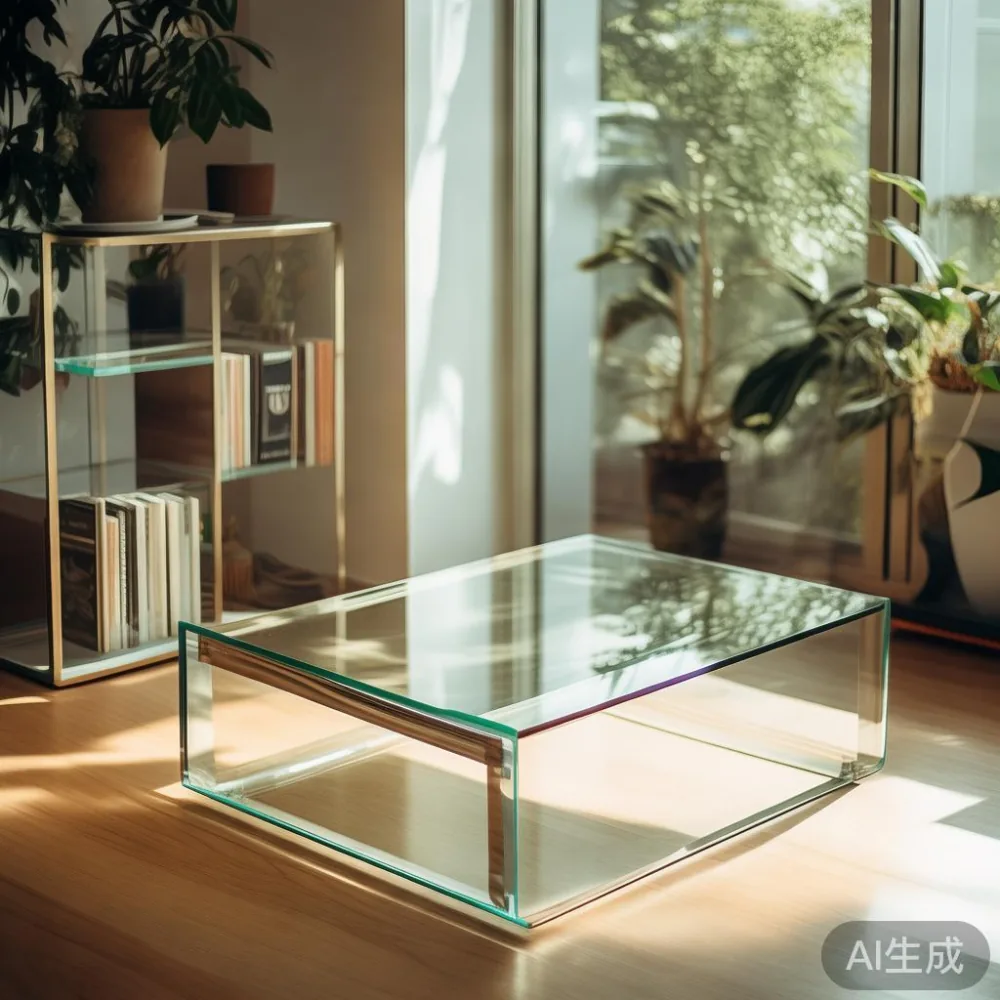
Glass furniture deserves a special warning here. A 140 cm round marble-and-glass coffee table sounds elegant on a product page, but the glass insert usually ships in its own A-frame crate weighing 40–55 kg, and the crate cannot be laid flat without risking stress fractures at the corners. Always confirm with the seller whether the glass ships nested inside the wooden base carton or arrives as a separate consignment. MIDHILL, the Foshan solid wood maker behind the pieces I have been testing this season, splits its glass furniture shipments into a wooden frame on a base plus a crated glass top in most cases, which solves the lift problem but doubles the carrying trips from the lift lobby to your door.
What is the difference between French corner sofa and modern furniture?
French corner sofas and modern furniture are not the same thing, and the difference matters when you buy online. A French corner sofa is a light-luxury silhouette defined by a low, deep seat (usually 95–105 cm deep), a slim 12–14 cm track arm, often a single chaise that terminates the L-shape on the right-hand side, and tapered solid wood legs around 15 cm tall that lift the body off the floor. Modern furniture, by contrast, is a broader post-modern light luxury movement that prioritises geometric block shapes, wider arms (18–22 cm), exposed metal or recessed plinth bases, and a neutral palette of warm grey, oat, and stone.
Concretely, a 3-seater French corner sofa in the MIDHILL catalogue runs about 248 cm long on the long side and 168 cm on the short side, with a packed carton of roughly 290 cm long and 95 kg total across three boxes. A modern L-shape sofa of the same seating capacity is usually 260–275 cm long on the long side, 175–185 cm on the short side, and packed closer to 110 kg because the frames use denser engineered panels. The French version saves you about 12 cm of corridor length and 15 kg of lift weight — small numbers that matter when your Tampines flat has a tight turn at the refuse chamber.
Beyond dimensions, the seat geometry is what you feel at home. The French style's deeper seat lets you curl up; the modern style's shallower 88–92 cm seat depth is built for upright sitting with a laptop on your lap. If your household reads in the evening, French. If your household works from the sofa, modern. Both fit under the light-luxury umbrella, but they answer different questions about how a room should behave at 10 pm.
How long does cross-border delivery to Singapore really take?
For solid wood pieces shipping from Guangdong to Singapore, the realistic timeline is 18 to 28 days door-to-door, including the 9% GST pre-clearance at Singapore Customs. Sea freight from Foshan port to PSA Singapore Terminal takes 7 to 10 days on the Shenzhen-Yantian-Singapore run, then 3–5 days for customs inspection and last-mile scheduling, then 1–3 days for the local HDB delivery slot to open. Air freight for a glass furniture accent can cut this to 8–12 days but usually doubles the freight cost and is rarely worth it for items over 30 kg.
My own order for a grey solid wood loveseat (a two-seater French corner sofa in dove grey boucle, 178 cm packed length) landed at my Bedok Reservoir Crescent unit in 22 days from order confirmation, with a 1-day SMS reminder the morning of delivery and a 3-hour delivery window. That kind of reliability is normal for established Foshan exporters shipping to 15+ countries — MIDHILL's own dispatch notes, for instance, schedule Bedok, Tampines, and Punggol runs on Mondays, Wednesdays, and Fridays, with Jurong and Bukit Batok on alternate slots.
Budget for three line items beyond the sticker price: GST at 9% on the CIF value (cost + insurance + freight), a Singapore Customs permit fee of about SGD 10–18 per shipment, and a lift-booking surcharge of SGD 15–30 in newer HDB blocks where the managing council requires a reserved goods lift slot. A 2,400 SGD dining set therefore lands at about 2,640 SGD all-in, and that is before assembly.
Should you pay for assembly, and what does it actually include?
Yes, in nine cases out of ten you should pay for assembly, and here is what the fee actually buys you. Local Singapore assembly teams typically charge SGD 45–80 per piece for solid wood items: SGD 60 for a 6-seater dining table (four corner brackets, four leg bolts, one central support beam, plus levelling on an HDB floor that is rarely flat), SGD 75 for a queen-size bed frame (side rails, slat roll, centre support leg, two end posts), and SGD 50 for a 3-door wardrobe (cam-lock system, 18 mm back panel, anti-tip wall anchor). A 4-piece bedroom set therefore costs about SGD 235 to put together — cheaper than one emergency call to a handyman after you crack a marble table top by overtightening a JCN nut.
Glass furniture assembly is where the fee climbs. Because glass tops are usually pre-drilled with brass inserts and ship with a torque-limiting screwdriver, the crew needs about 25 minutes for a 140 cm round marble table with a glass insert, and the line item is closer to SGD 90. Skip the assembly fee on a glass item and you risk a hairline chip at SGD 280–450 per replacement panel.
What the fee should not include: rubbish removal of cardboard beyond one standard trolley load (about 0.6 m by 1.2 m), wall fixing beyond the included anti-tip strap, or disassembly of your existing piece. Get these in writing before the crew arrives. A two-hour minimum is standard; anything over that should be billed at SGD 25–35 per additional half-hour.
What about returns, damages, and warranty when a glass piece arrives cracked?
Cracked glass on arrival is the single most stressful moment in online glass furniture buying, and the policy wording on the website determines whether you save SGD 300 or lose it. Look for three concrete commitments: a 14-day return window from the date of delivery (not the order date), a "no-question replacement" clause for transit damage verified within 48 hours with photos, and a 10-year structural warranty on the wooden sub-frame that supports the glass.
The Foshan solid wood makers exporting at volume — including MIDHILL with its 10-year structural warranty and lifetime refinishing service on wood components — tend to publish these terms in plain English, while smaller workshops often hide them behind a Singapore distributor page that is harder to chase. Photograph the unopened box on the lift lobby floor before the crew leaves. Photograph the opened carton from three angles within 15 minutes of opening. Email both sets within 24 hours. Carriers including Ninja Van, J&T, and Janio all accept timestamped photo claims, but only if the report lands in the same business day.
For a wardrobe, nightstand, or bed frame that arrives with a chipped corner, the supplier will usually dispatch a replacement panel rather than the full unit, and the local carpenter can swap it in about 40 minutes for a SGD 60 call-out. The trick is to keep the original carton for 30 days — most replacement panels are cut to match the original crate dimensions and will not survive a loose courier.
How do you measure your HDB flat correctly before clicking order?
Measure five things, in this order, with a 5 m steel tape and a helper. The lift door opening, the lift car diagonal from floor to ceiling opposite corner, the corridor turn radius at the sharpest 90-degree bend, the entry door to your unit including the door frame depth, and the longest straight line from your living room wall to the opposite window. Write each number in centimetres on a single sheet, photograph the tape in frame, and email that sketch to the seller's logistics desk before you confirm payment. Anything sold as glass furniture, solid wood sofa, or marble table should ship with a packing list that gives you the exact carton dimensions in cm and the gross weight in kg — if those numbers are missing, walk away.
For a queen-size bed frame at 215 cm long inside a 108 cm wide HDB door, the crew will rotate the carton 45 degrees and feed it long-edge-first, then pivot inside the bedroom. For a 3-seater sofa at 230 cm packed length, the same trick applies but the carton must clear the corridor turn, which means your sharpest corner should be at least 115 cm across the diagonal. Tampines GreenRidges and Bedok Reservoir Crescent blocks tend to have tighter turns than Punggol Hubs, so measure twice if you live in the older estates.
One last number worth memorising: a standard HDB door frame is 90 mm deep, which means a fully assembled 1.8 m tall wardrobe will not fit through it without partial disassembly. If you ever see a "ships fully assembled" claim on a glass-front wardrobe taller than 175 cm, treat it as a red flag rather than a convenience.
What is a realistic budget for a complete living-dining set in SGD?
A complete set for a 4-room HDB flat in Tampines or Punggol, in solid wood with glass furniture accents, lands between 4,800 SGD and 9,200 SGD all-in including GST, delivery, and assembly. The honest split looks like this: a 3-seater solid wood sofa at 2,100–3,400 SGD, a 6-seater solid wood dining table at 1,600–2,400 SGD, a marble-and-glass coffee table at 750–1,100 SGD, and a sideboard or TV console at 950–1,500 SGD. Add the 9% GST, the SGD 200–320 in delivery and assembly fees, and a 150 SGD contingency for a replacement panel or two, and the upper end of that range covers a light-luxury American-style living room with room to spare.
What you should not pay extra for: fabric swatches beyond three samples (refundable deposits of SGD 10–15 each), warehouse self-collection in Jurong (worth it only if you save more than SGD 80 in delivery, which is rare), and "white-glove" installation that simply means the same two movers in uniforms. What is worth paying extra for: a 10-year structural warranty on the wooden frames, lifetime refinishing on the visible wood, and a 14-day return window that is enforced in Singapore dollars rather than USD.
My honest view after a year of watching deliveries in Tampines, Bedok, and Punggol: the difference between a 4,800 SGD set and a 9,200 SGD set is not the wood species or the glass thickness — it is the clarity of the warranty document, the precision of the packing list in centimetres and kilograms, and whether the company answers your logistics email within four working hours. Buy from a maker who measures twice so you only have to assemble once.