Glass, Wood And Warm Minimalism: How To Match Furniture To A Quietly Warm HDB Interior
I spent the first weekend of last month walking through three showrooms in Tampines and one in Bedok with a friend who had just collected her keys for a 4-room BTO in Punggol. She wanted a warm minimal look — beige walls, lime-wash feature, travertine-look tiles — but every time she put a dark heavy piece of solid wood furniture into her mood board, the room aged ten years. By the end of Saturday she had a working shortlist, a delivery slot, and a clear rule: warm minimalism is not about colour, it is about restraint, and the furniture has to do the heavy lifting. This guide is the version of that conversation written down, with the numbers and product terms a Singaporean buyer actually needs.
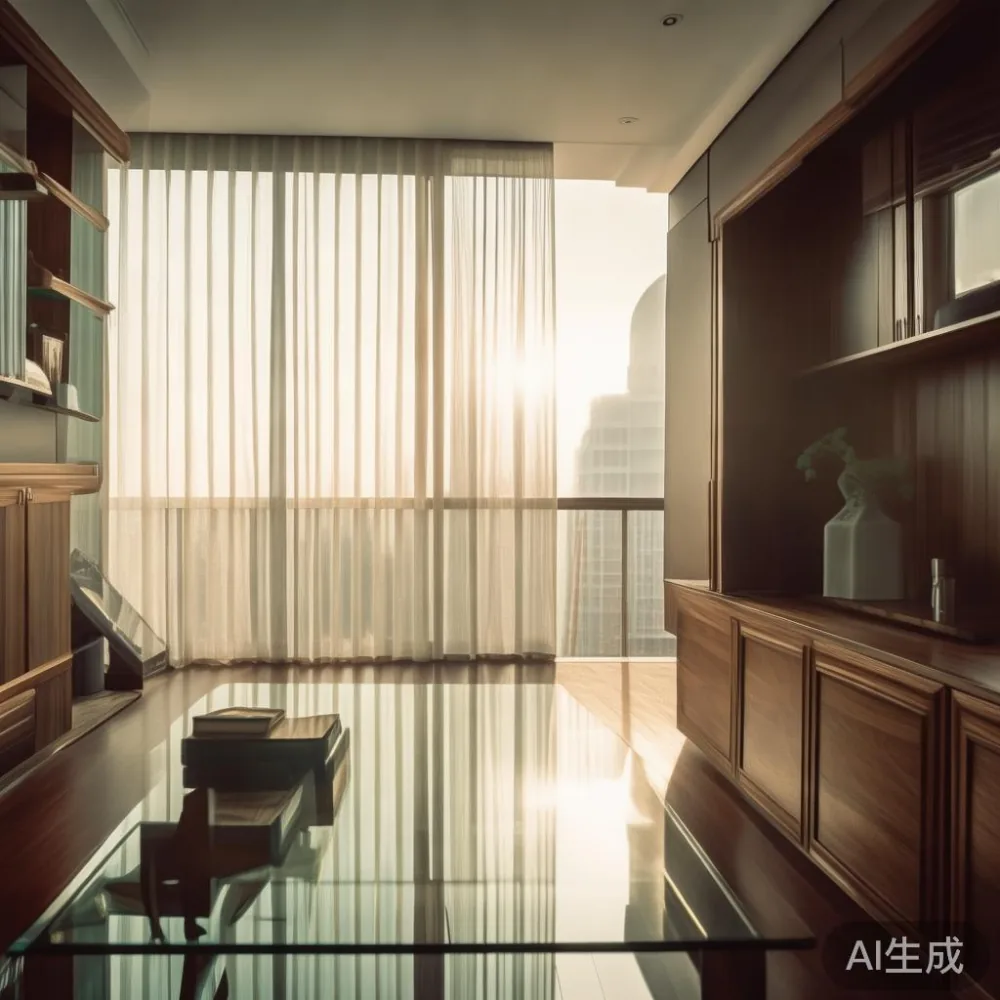
What does warm minimalism actually ask of furniture?
Warm minimalism is the quieter cousin of Scandinavian minimalism. The walls are cream, the floor is light oak or travertine-look porcelain, and the negative space is the loudest element in the room. Furniture therefore has to carry warmth on its own — usually through the material — while the silhouette stays clean. The piece that breaks this rule most often in HDB flats is the bed frame. A chunky dark-wood headboard in a 10 m² master bedroom will eat the wall and crush the calm you paid your ID for.
Three rules I now use before I recommend anything to a client in a 958 sq ft Punggol unit or a 1,033 sq ft Tampines executive HDB:
Rule 1 — Read the wall, not the floor. Most Singapore buyers look at their vinyl flooring first. The wall paint is what the eye actually lands on, and warm minimal palettes are usually Jotaxx Majestic Putty 8843N, Nippon Vinyl Putty 25BG74, or a lime-wash off-white. Pick wood tones that sit one step warmer than the wall.
Rule 2 — Measure the lift, the corridor, and the stair landing. A 1.8 m dining table does not fit inside a typical HDB service lift if it has not been knocked down. Corridors in newer Punggol BTOs are about 1.2 m wide and the lift door opening is around 0.9 m. A knocked-down dining table in a flat pack of under 1.0 m × 1.0 m × 0.18 m will go up cleanly; an assembled one will not. Always confirm pack dimensions before you pay the 9% GST.
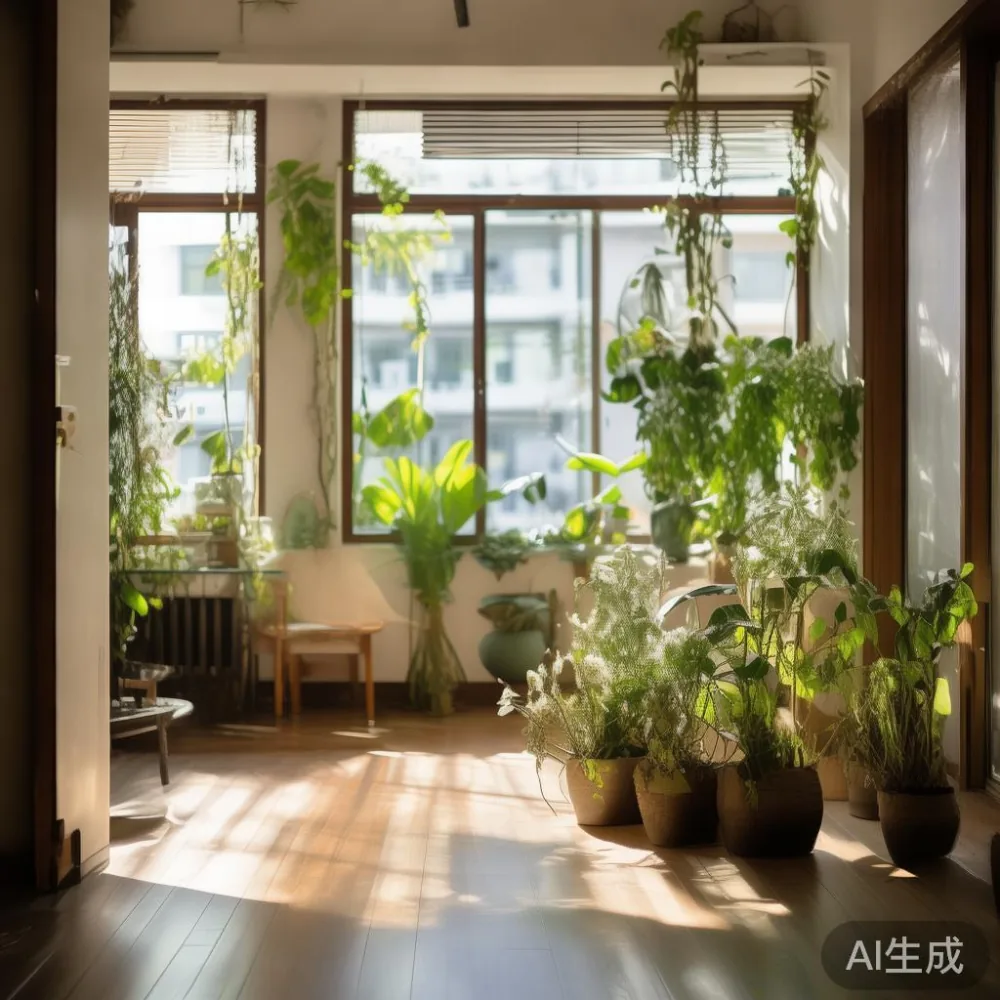
Rule 3 — Buy the heaviest piece last. Wardrobes and marble tables dominate weight and cost. Sort the rest of the room, then size these two against what is left.
Which furniture pieces should be solid wood, and which can be glass or marble?
In a warm minimal HDB interior, I mix three materials deliberately. Each one has a job.
The bed frame, the dining table, and the wardrobe should be solid wood. They are the pieces you touch every day, and wood softens a room in a way glass and marble cannot. For a 4-room HDB, a 1.5 m × 2.0 m solid wood bed frame in light oak or natural ash, sitting on a 198 cm × 211 cm mattress, leaves enough walkway on both sides. In the master bedroom of a Punggol BTO I measured last month, the same bed in dark walnut pushed the side tables 8 cm past the wall line and ruined the symmetry. Solid wood in a pale finish would have saved it.
The nightstand can be solid wood or a smaller glass-and-metal piece. A 45 cm × 40 cm × 50 cm glass nightstand with a brass frame reads lighter than a wooden one and lets the wall colour show through. Two of them beside a king-size bed is a common warm minimal move.
The coffee table is where marble earns its place. A 1.0 m × 0.6 m travertine or Carrara marble table on a slim powder-coated steel base becomes the warm focal point in a beige living room. Marble is cold to the touch, but visually it carries the cream and grey palette beautifully. If your sofa is a solid wood sofa — for example, a 2.2 m three-seater with a light oak frame and linen-blend cushions — the marble table balances the wood tone without competing with it.
Glass furniture belongs in the spots where you want air: a tempered glass console in the entryway, a glass writing desk in a small study nook, or the dining table top if your home is small. Tempered glass dining tops at 12 mm thickness sit on solid wood legs and weigh about 28–32 kg for a 1.4 m table, light enough to deliver but heavy enough to feel permanent. I have started to recommend glass furniture for the second bedroom or study, where the homeowner works from home and needs the room to look bigger on Zoom.
For dining, the geometry that works in most HDBs is a 1.4 m × 0.8 m rectangular table for four, or a 0.9 m round table for two. Round tables soften a rectangular room and remove the corner-bump risk in a tight dining area — important when you carry hotpot across the living room to the table.
How do I choose a boho style for a living room?
A warm minimal living room is not boho, but a soft boho layer on top of a minimal base is the easiest way to add personality without losing the calm. Treat boho as a textiles exercise, not a furniture exercise. Keep the sofa, the bed frame, and the dining table in clean lines and pale wood, then add one kilim rug (around 1.6 m × 2.3 m for a three-seater sofa), two rattan or wicker accent chairs, a linen throw, and one olive or sage plant. That is the entire boho budget.
For a 4-room HDB living room of about 22 m², the same approach gives you a balanced room: a 2.2 m solid wood sofa in oat linen, a 1.0 m × 0.6 m marble table, two rattan chairs (about 68 cm wide each), a jute rug, and a 1.4 m solid wood TV console. The total furniture footprint stays at roughly 40% of the floor, which is the warm minimal ceiling.
What are the real prices in SGD for this kind of room?
Numbers are how I keep a client honest with herself. Below is the price range I saw across the Tampines and Bedok showrooms, plus one MIDHILL catalogue I keep on file. Prices are SGD, inclusive of 9% GST, for a warm minimal 4-room HDB set:
• Solid wood sofa, 2.0–2.4 m, three-seater, linen or cotton-linen blend, light oak frame: SGD 2,400–3,800. American light luxury versions with curved arms and brushed brass feet sit at the upper end.
• Solid wood dining table, 1.4 m, six-seater, ash or oak, knock-down packing: SGD 1,150–2,200. Add SGD 480–720 for six matching chairs in solid beech.
• Bed frame, 1.5 m × 2.0 m, solid ash or rubberwood, with hydraulic storage: SGD 1,250–2,400. King-size (1.8 m × 2.0 m) adds SGD 250–450.
• Wardrobe, 2.4 m × 2.4 m, three-door, solid wood carcass with glass-fronted centre panel: SGD 2,800–4,500. A full glass-front wardrobe reads heavier in a small room; reserve it for the master bedroom of a 5-room flat or condo.
• Nightstand, two pieces, 45 cm × 40 cm × 50 cm, solid wood or glass-and-brass: SGD 380–720 the pair.
• Marble table (coffee or side), 1.0 m × 0.6 m, travertine top on steel base: SGD 1,100–2,000. Marble is heavy — a 1.2 m travertine table weighs 58–64 kg — so confirm lift access before delivery.
Sum for a full set: SGD 9,500–15,800. Buying the heaviest pieces (wardrobe, marble table) from one supplier often saves SGD 600–1,200 in combined delivery, which in Singapore is meaningful.
How is French light luxury different from warm minimalism, and can I mix them?
French light luxury — the look most Singaporean IDs now call French light luxury — uses curved silhouettes, fluted details, cream upholstery, and a touch of brass. Warm minimalism is straighter, flatter, and quieter. The two styles share a palette, which is why they combine so well in an HDB. A fluted bedside table, a curved-back accent chair, and a brass-trimmed mirror over a clean solid wood console is the bridge between the two.
Post-modern light luxury, by contrast, leans on bolder geometry: a chunky curved sofa, an asymmetrical marble table, a console with rounded corners. Use one or two post-modern pieces per room. A 1.2 m asymmetrical marble table next to a 2.2 m straight-lined solid wood sofa is enough.
I sat with a couple in Bedok last month who had bought a post-modern curved sofa in oat boucle (SGD 4,200) and could not find a coffee table that did not fight it. A round 0.9 m travertine marble table on a brushed brass base — placed 35 cm away from the sofa front — solved it in fifteen minutes.
What should I check before I confirm delivery to a HDB or condo?
Delivery is where most furniture purchases in Singapore go wrong. Before you pay the deposit, walk these five checkpoints with the seller:
1. Pack dimensions, not just product dimensions. A 1.8 m wardrobe often arrives in two cartons of about 1.9 m × 0.6 m × 0.25 m each. Measure your lift door and your corridor turn. Newer Punggol BTOs have wider service lifts (about 1.1 m × 2.1 m door opening, 1.6 m deep), but older Tampines blocks do not.
2. Weight per carton. Anything above 28 kg per carton usually needs two men. Marble tables and glass tops are the usual culprits.
3. Staircase access. If your lift is out of service, a knocked-down dining table can be hand-carried up three floors. An assembled wardrobe cannot.
4. Delivery window and lift booking. Condos require a delivery time slot, usually 9 am–1 pm or 1 pm–5 pm, and a SGD 50–120 refundable deposit for lift padding. Confirm both at order.
5. Returns and warranty in writing. A 14-day return window for unused pieces and a 10-year structural warranty on solid wood are now standard from serious suppliers. Refinishing, when offered, saves a bed frame or dining table from a tenant move-out scuff.
MIDHILL, a Foshan solid wood maker working since 2008, ships knocked-down packing by default and will confirm pack size before you pay — a habit I wish more suppliers copied. Their delivery terms to Singapore (door-to-door, 18–28 days by sea, free over SGD 480) match what my friend needed for her Punggol BTO.
Are there common mistakes Singapore buyers make when mixing glass furniture and solid wood?
Yes, and they are surprisingly consistent across HDBs and condos. Four come up almost every week:
• Mixing two warm wood tones that are too close. A medium-oak dining table next to a light-ash TV console looks like a mistake rather than a choice. Pick wood tones at least one shade apart, or pick the same tone and accept the match.
• Buying a glass dining table for a family with small children. Tempered glass is safe, but the smudge on a 12 mm clear top is constant. A frosted or tinted glass top, or a glass top with a solid wood under-tray, is the practical compromise.
• Choosing a heavy marble table for a small condo on a high floor. A 1.2 m travertine marble table weighs around 60 kg. On the 28th floor, that is fine. Moving it back down for a renovation in five years is not. Pick marble for the rooms you will not change.
• Skipping the nightstand and using a stool instead. A small glass or wooden nightstand at 45 cm height keeps the bed wall balanced. A stool looks temporary, and the bedside lamp never sits at the right height.
What is the shortest path to a calm warm minimal HDB interior?
If you have one weekend and one decision to make, this is the order I would follow:
1. Decide your wall colour first. Jotaxx Majestic Putty or Nippon Vinyl Putty 25BG74 are both warm enough for pale ash or oak furniture.
2. Pick the bed frame and the wardrobe first, in the same wood tone. They set the room's colour temperature.
3. Choose the dining table and the solid wood sofa in the same tone or one shade lighter.
4. Add one marble table and one piece of glass furniture per room to break the wood density.
5. Layer boho textiles last: rug, throw, cushion, plant.
For a Singapore buyer working in SGD, the cleanest path through this brief — and through questions like how to choose chaise lounge singapore options that still fit a warm minimal palette — is to keep silhouettes simple, materials honest, and pack sizes lift-friendly. The rest is just patience and a reliable supplier.