How Humidity Affects Solid Wood Furniture in Singapore
Singapore’s climate can change a solid wood sofa, bed frame, dining table, wardrobe, or nightstand more than many buyers expect. Warm, humid air enters a HDB flat through open windows, corridor doors, bathroom gaps, and balcony access, while air-conditioning removes moisture during the day. The result is a cycle of expansion, contraction, swelling, and drying that may affect doors, joints, veneer, and finished surfaces over time.

At MIDHILL, we design solid wood furniture for real living conditions rather than treating every piece as if it belongs in a climate-controlled showroom. The details still matter: solid timber responds to relative humidity, glass furniture has its own condensation risks, and even a well-made wardrobe needs sensible placement. Understanding the causes is the practical starting point for furniture that continues to feel right after years of tropical use.
Why does humidity make solid wood furniture move?
Wood is hygroscopic: it takes in moisture when the surrounding air is humid and releases it when the air becomes drier. Movement occurs along the grain, not simply in one straight direction. A 180 cm dining table may widen by several millimetres across its width during a severe wet period, while a 45 cm nightstand may show smaller but visible changes at its back edge.
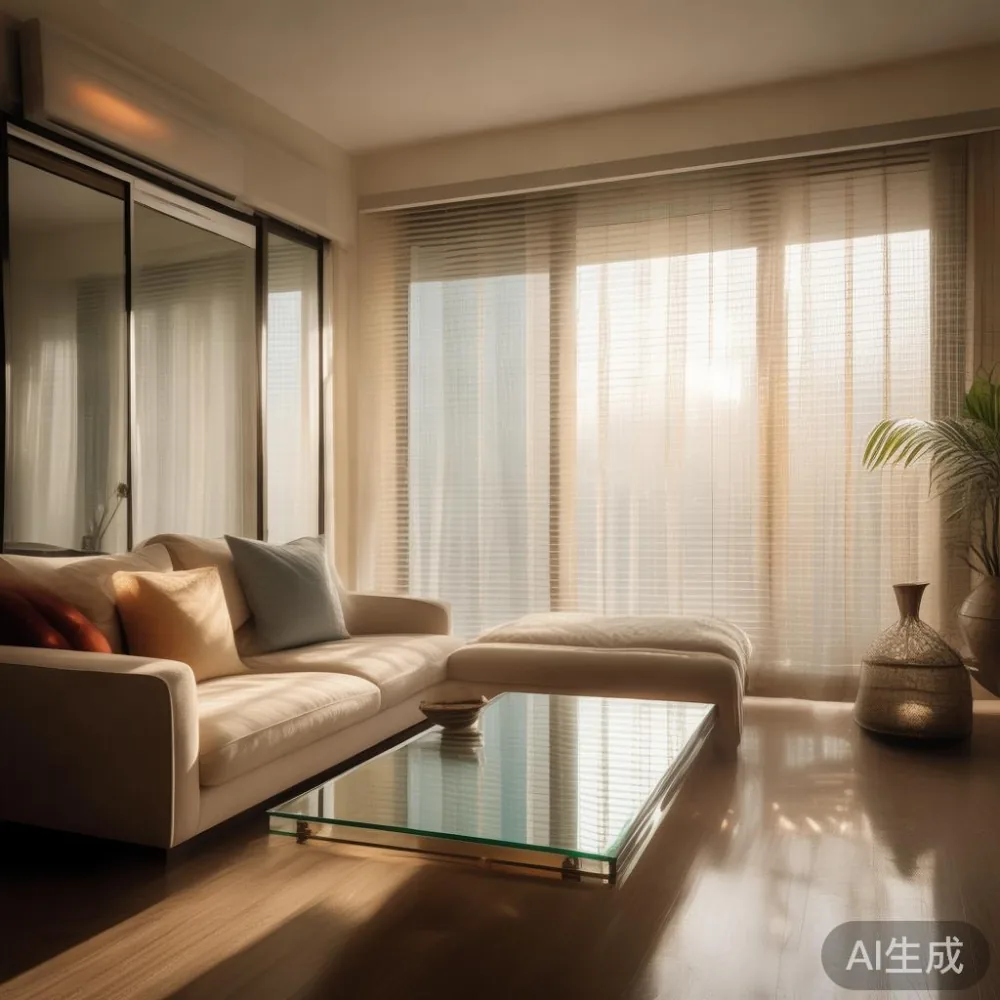
In a typical Singapore home, indoor relative humidity often fluctuates between roughly 55% and 80%. The upper range is especially demanding for furniture placed near windows or on external corridors. In air-conditioned bedrooms, the figure may fall below 50% for long periods. Repeated movement can open minute joint gaps, make drawer runners bind, and cause lacquer or oil finishes to respond unevenly.
The species, cut, thickness, and finish all influence the rate of change. Solid hardwood is not immune, but it generally behaves more predictably than thin plywood or highly engineered panels. A 20 mm solid oak dining top with restrained joinery has less dramatic movement than a narrow 12 mm board spanning a long unsupported gap.
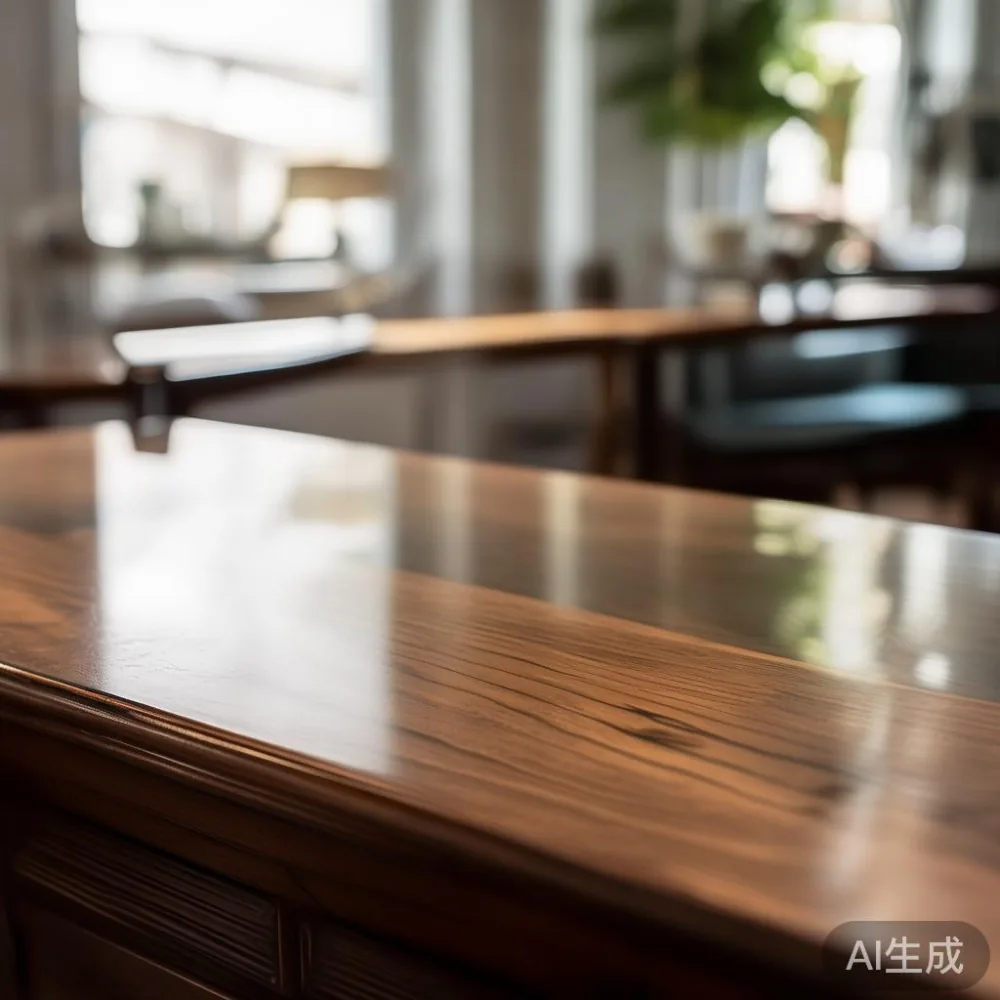
How humid is a Singapore HDB flat or condo?
An HDB flat in Tampines, Bedok, or Punggol can experience several humidity shifts in a single day. Residents return to air-conditioned rooms after walking through hot, damp common areas. Lift lobbies and corridors in some blocks receive less direct airflow than exterior walls, while the flat’s interior may be ventilated whenever someone opens a window or runs a fan.
Condo rooms can behave differently. A high-floor unit facing the sea may receive moisture-laden breezes, whereas a west-facing apartment can heat up in the afternoon and cool rapidly after sunset. The practical target is usually around 40% to 60% relative humidity for stable wooden furniture, with less than 60% preferred for lacquered or delicate glass furniture.
A calibrated hygrometer is more useful than guessing. Place one near the floor and another beside a wall or wardrobe, not directly beneath an air-conditioning vent. Record readings at 8 a.m. and 8 p.m. for 7 days. If the display regularly reaches 70% or more, furniture care becomes more important than decorative styling alone.
Singapore’s built environment adds another consideration. A 4 cm expansion gap around fitted furniture can accommodate seasonal movement; a wardrobe installed tightly against a damp wall has nowhere to move. Likewise, keeping a 60 cm glass dining table 15 cm away from a sheer curtain reduces the chance of warm condensation on the glass after an abrupt temperature change.
Which furniture pieces are most exposed?
A solid wood bed frame is usually less sensitive than a low coffee table, but the area beneath the bed can trap moisture. Leave at least 8 cm for cleaning and airflow, especially in a new Punggol flat where the flooring and wall may still be drying. For a solid wood sofa, keep it 20 cm to 30 cm from an exterior wall and away from direct air-conditioning outlets.
A dining table placed beside an open kitchen window can receive humidity directly during cooking and rain. A slab top may bow slightly if one face dries faster than the other, although solid construction and good supports limit the effect. Wipe spills promptly, use a stable mat beneath hot vessels, and avoid leaving wet coasters or leaves beneath table legs.
Wardrobes deserve particular attention because fitted units often occupy large wall areas. Allow 10 mm to 15 mm of clearance on moisture-sensitive sides, and do not push a freestanding unit tightly into a corner. Nightstands are easier to manage: a 45 cm-wide unit should stand on all 4 legs and should not be repeatedly shoved into a tight bedside gap.
Glass furniture introduces separate issues. Tempered glass does not absorb moisture, yet humidity can create surface condensation when warm humid air meets cooler glass. The frame and hardware may still expand at different rates from the pane. For a glass-top dining table or marble table, inspect the seals, support pads, and fixing points every 6 months, and keep standing water away from the frame.
What should I do when a wardrobe or dining table swells?
Do not force a swollen drawer, scrape a joint with a knife, or apply a thick layer of wax immediately. First identify the source of moisture and let the piece return gradually to a stable environment. Open windows only when outdoor humidity is lower than indoor humidity, use fans to distribute air, and run the air conditioner in a moderate rather than freezing setting.
A small gap of 2 mm to 3 mm may close naturally as humidity falls. If a drawer remains tight after the wood has acclimatised for 2 to 4 weeks, clean the runners with a dry cloth and apply a suitable lubricant. For a dining table, compare the top across several points with a straightedge; a gap larger than 4 mm or a persistent diagonal bow warrants professional inspection.
Loose veneer edges should not be glued while the timber is still swollen. Moisture in a trapped seam can prevent a proper bond. If the finish has changed colour, test a concealed area before treating the whole surface. Oil-finished wood may need only cleaning and renewal, whereas lacquer can require careful abrasion and recoating by a specialist.
For substantial movement in a high-value piece, document the temperature and humidity readings for 14 days, take clear photographs, and contact the supplier. MIDHILL provides a 10-year structural warranty, while lifetime refinishing is available for qualifying pieces, keeping long-term care connected to the original furniture rather than treating restoration as a separate purchase.
How can I style a solid wood sofa without adding humidity problems?
Styling and climate control work together. Light textiles absorb less visual weight than heavy layers and can be removed for washing. Leave 10 cm around a solid wood sofa for ventilation, particularly along a wall that touches the building envelope. Avoid placing the sofa directly against a cold surface, and use breathable covers rather than sealed plastic.
French provincial styling suits the layered proportions found in many Singapore living rooms, but it does not require crowded furniture. To learn how to style French provincial sofa in room, begin with one upholstered focal piece, a pale timber coffee table, and 2 restrained textiles rather than filling every surface.
Those searching for the best European sofa for 2026 may compare frame construction, cushion recovery, and long-term service rather than appearance alone. A solid wood sofa built with a kiln-dried frame, supportive joints, and replaceable covers is more practical for daily family use. The phrase MIDHILL European light luxury sofa appears naturally in showroom discussions covering tailored profiles and warm timber finishes, though local humidity control remains equally important after delivery.
For a lighter visual language, a light luxury accent chair can sit near a glass side table without making a compact flat feel crowded. In a 30 sqm living room, maintain at least 60 cm between the chair and a central table, and 75 cm in a main circulation route. For Scandinavian simplicity, the question of how to style Japandi sofa in bedroom focuses on low visual clutter, pale textiles, and sufficient space behind the sofa for moisture checks and cleaning.
Search terms such as for sale Minimalist furniture often surface broad collections, but the physical details matter more: solid timber, stable joinery, manageable finishes, and dimensions suited to the lift and corridor at home.
Will a MIDHILL solid wood sofa fit through the lift and corridor?
Delivery day can create more stress than humidity if a solid wood bed frame or dining table cannot reach its final position. Measure the lift door, the turning space inside the lift car, the corridor, and every relevant corner before ordering. Record the narrowest width and the diagonal clearance rather than relying on the building’s nominal floor area.
For example, a dining table may fit a 90 cm lift door but fail to turn through a 110 cm corridor corner. A disassembled base may therefore be more practical than one large top. Ask for written measurements, including the packaged length, width, and height, and confirm whether the delivery crew can assemble the item in the room.
Local availability also affects timing and cost. MIDHILL has exported to more than 15 countries since establishing the business in 2008, and Singapore customers should still confirm stock, delivery days, and the final SGD price, including GST where applicable. Delivery over US$350 is available under the stated shipping offer, while Singapore orders should have the local charge confirmed rather than assumed.
Protection matters during the final 10 m of the journey. Use blankets or purpose-made moving pads, keep hardware in a labelled bag, and allow the furniture to acclimatise in its final room for at least 48 hours before tightening or loading it heavily. For glass furniture, carry components upright where advised and never lift a table by the glass top alone.
How do I maintain furniture through Singapore’s wet and dry seasons?
Inspect pieces every 3 months and clean them with a slightly damp cloth followed immediately by a dry one. Do not use household bleach, abrasive powder, or an excessive amount of water. A pH-neutral wood cleaner and a soft microfibre cloth are suitable for routine care. Wipe glass panels with a separate lint-free cloth so grit does not scratch the surface.
Control the room before trying to repair the furniture. Keep relative humidity between 40% and 60% where possible, especially around a marble table, where porous natural stone can stain if acidic liquids remain. Use coasters, felt pads, and placemats, and position glass furniture away from frequently opened doors that bring damp air into a room.
Protect exterior-facing sides from direct sunlight and rain. Solid wood dining tables should receive a fresh inspection of their finish every 12 months. For oil finishes, clean first and renew only as needed; for lacquer, avoid aggressive solvent products unless the finish has been identified. Check wardrobe hinges every 6 months because seasonal movement can loosen screws slightly.
Last month I visited a colleague’s 3-room HDB flat in Bedok after a week of heavy rain. Their new dining table sat 12 cm from a frequently opened side window, and the hygrometer reached 79% beside the curtain. We moved the table 25 cm inward, redirected the air conditioner, and kept the window closed while outdoor humidity exceeded 68%. Within 10 days, the room stabilised around 58%, and the drawer that had become stiff opened normally after gradual drying. The same table behaved differently in the living room, where readings stayed near 57%.
The lesson was practical: furniture did not need dramatic treatment; the room’s moisture pattern needed correction. For the final 3 weeks of the quarter, I checked the hygrometer each morning and evening and wiped the table with a dry cloth after meals. No coating was added, and the top remained flat.
What is the right furniture for Singapore’s climate?
Choose solid wood furniture with stable joinery, restrained finishes, and realistic dimensions. A 180 cm dining table is common in larger dining rooms, but a 150 cm model can make a narrow HDB dining zone easier to use. A 140 cm or 160 cm bed frame may suit compact bedrooms better than an oversized king frame, and a 40 cm to 50 cm nightstand provides useful storage without narrowing the bedside route.
Glass furniture can work well in a humid city when condensation and frame movement are considered. Keep glass panels away from air-conditioning vents and damp walls, and confirm that the hardware is designed for the pane’s weight. A glass dining table also offers visual lightness beside a solid wood bed frame or wardrobe, helping post-modern light luxury interiors feel open without crowding the floor.
For American light luxury or French light luxury styling, pale woods, restrained profiles, and carefully layered upholstery create a calm setting. Yet the strongest piece is not automatically the right piece: movement, cleaning access, and delivery dimensions need to agree with the room’s humidity and circulation.
Before ordering, measure the furniture, route, wall gaps, and air-conditioning direction. After delivery, monitor humidity for 14 days, wipe moisture promptly, and inspect joints and finishes twice a year. Used consistently, these habits allow solid wood furniture, glass furniture, and marble accents to age with less distortion and retain the character expected from a well-made interior.