Understanding Humidity’s Impact on Wood Furniture in Southeast Asia
Singapore’s warm, humid climate can change the dimensions, finish and appearance of solid wood furniture faster than many owners expect. Relative humidity commonly sits between 70% and 85% outdoors during rainy periods, while air-conditioned interiors may remain around 55% to 65%. Those repeated shifts affect solid wood sofa frames, bed frames, dining tables, wardrobes and nightstands through a simple process: wood absorbs moisture when the air is humid and releases it when the air becomes dry.
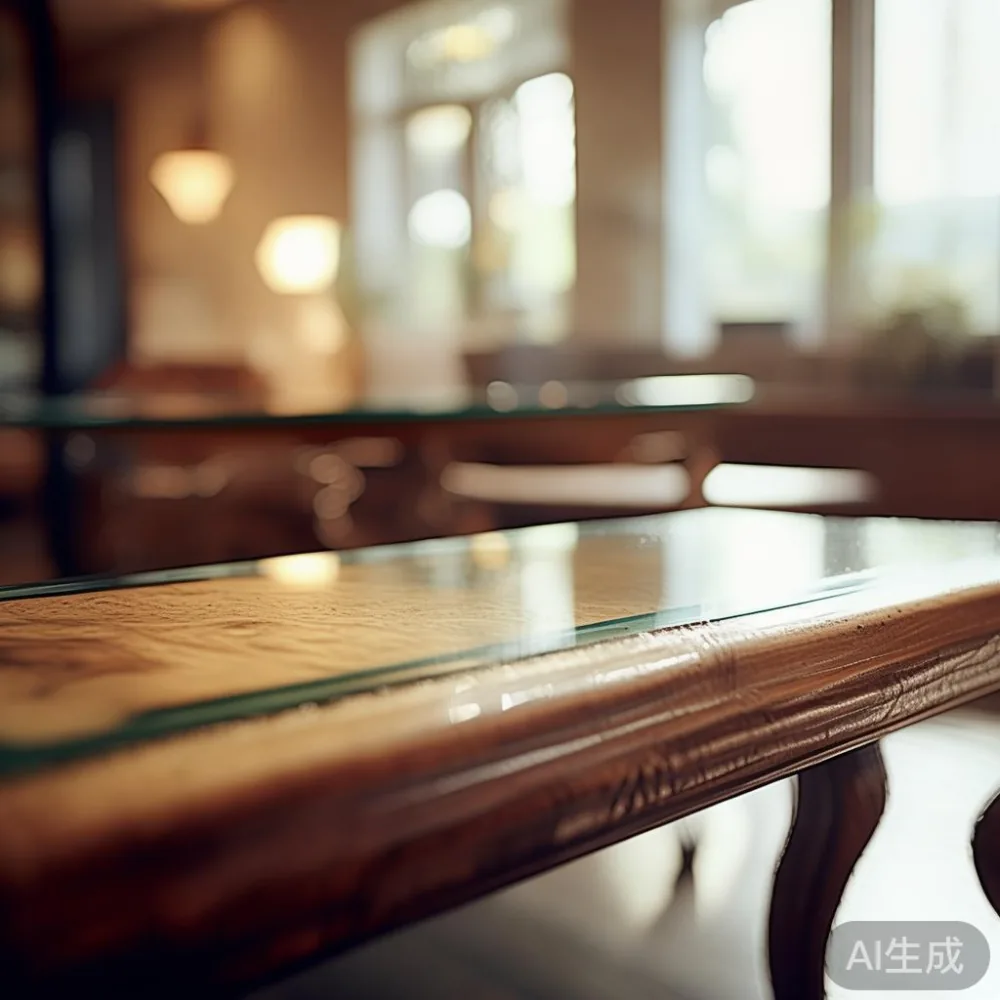
Glass furniture has a different set of concerns. Glass-top dining tables and marble tables do not warp, but their wooden supports, metal fixings and stone surfaces still respond to temperature and moisture. In a compact HDB flat in Tampines, Bedok or Punggol, a narrow lift and shared corridor can also make delivery and acclimatisation less forgiving than in a freestanding house.
For homeowners, retailers and designers, the practical question is not whether humidity exists in Southeast Asia. It is how to select furniture, protect it and maintain predictable performance without compromising the clean lines associated with French light luxury, American light luxury and post-modern light luxury interiors.
Why does tropical humidity make solid wood move?
Solid wood is not dimensionally inert. Its cells expand across the grain as moisture enters and contract as moisture leaves. A dining table may gain roughly 1 to 3 mm across a 180 cm width during a pronounced seasonal change, depending on the species, panel construction and finish. A wide wardrobe door can shift slightly more than a narrow nightstand drawer front.
The movement is usually small enough to remain invisible, but it can stress joints, affect sliding doors and make lacquered or oiled surfaces look uneven. High humidity can also encourage mould in damp corners, particularly where furniture touches an external wall or sits beside an unventilated window. A bedroom near a bathroom may see short periods of refined moisture, while a ground-floor unit in Bedok may experience higher evening readings.
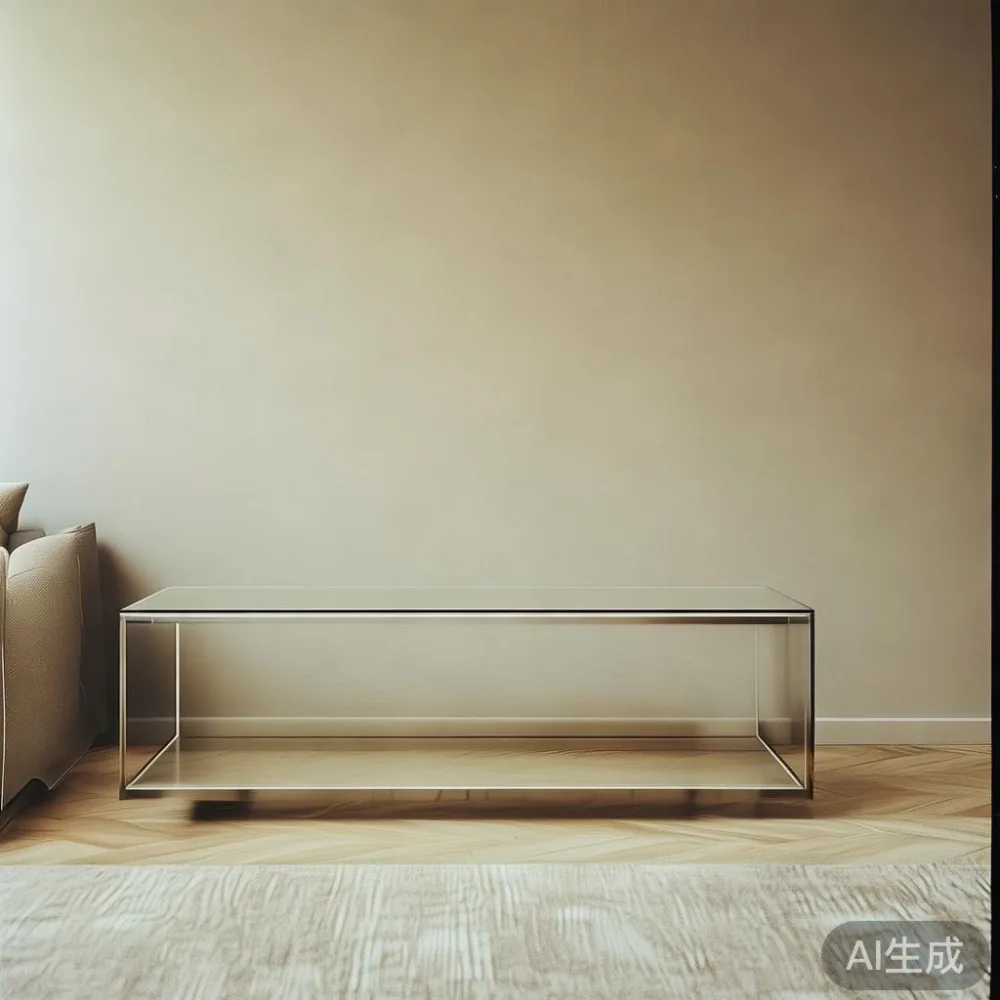
Temperature matters too. Warm air can hold more moisture, and Singapore’s outdoor conditions often fall near 28°C to 33°C. Rapid movement from a corridor into an air-conditioned flat may create condensation on a cool glass or marble surface. This does not automatically mean the material is defective; it means storage, placement and acclimatisation deserve attention.
One first-person test last month gave me a useful reminder. My colleague delivered a solid oak dining table to a client’s condo in Punggol and left it in the lift lobby for 40 minutes while the client cleared the route. The table measured 180 × 90 × 76 cm and weighed 46 kg. In the lobby, the relative humidity was 79%. Inside the dining area, it measured 63%. We left the table wrapped for 24 hours, opened the packaging and allowed another 12 hours before installation. The wrapped acclimatisation period was modest, but protecting the surface from immediate condensation mattered.
How humid is a typical Singapore home?
A comfortable interior is often targeted around 50% to 65% relative humidity. That range reduces movement in timber and helps prevent mould, condensation and leather or fabric issues. During heavy rain, an un-air-conditioned balcony can rise above 85%. In a compact HDB flat, the combination of wet laundry, frequent cooking, bathroom vapour and constant air movement can produce noticeable local differences even when the living room feels comfortable.
Digital hygrometers are inexpensive and more useful than guessing. Place one in the main living area and another in a bedroom or near a display cabinet. Check them at roughly 8:00 a.m. and 9:00 p.m. for 7 days. This creates a simple record of the conditions affecting a glass furniture dining set, solid wood bed frame or wardrobe.
Do not judge the whole flat by one reading. A sideboard beside a balcony window may see 72%, while a central dining room may remain at 61%. Air conditioning dehumidifies effectively, but doors and windows create short transitions. In a Tampines HDB home with a dining area near the open kitchen, using an extractor and closing the adjacent balcony door can improve consistency.
For comparison, a marble table top expands and contracts very little because stone is not porous in the same way as timber. Glass is also dimensionally stable. However, both can show condensation, fingerprints, mineral marks or water spotting when exposed to wet glasses, cleaning sprays and warm humid air. The wooden base beneath either material still requires stable indoor conditions.
What should I do before a solid wood table arrives?
Allow the furniture to acclimatise. Keep the packaging sealed for around 24 to 48 hours if the difference between outdoor and indoor humidity exceeds about 10 percentage points. If the wood has crossed an ocean from a drier climate, a more conservative 3 to 5 days may be useful. Do not place the item directly against an air-conditioning vent or in direct sunlight while it settles.
Measure access before ordering. Many HDB lifts have a door width around 80 to 90 cm and a car-lift depth of roughly 130 to 160 cm. Corridor turns can be tighter. A dining table that fits a showroom yet cannot clear the stairwell is a common renovation error. For a 200 cm table, a lift car measuring 140 × 210 cm may offer more workable turning space than a smaller car with fixed partitions.
Check the product’s packed dimensions, not only its assembled dimensions. A solid wood dining table may be delivered as a top and separate trestle legs. A flat-packed solid wood bed frame may fit the lift, but a fully assembled wardrobe may need to be turned on its side or carried through on its edge. Confirm the package weight too: a 55 kg dining table can be awkward for two people, while a 85 kg wardrobe may require 3 to 4 handlers or professional movers.
MIDHILL lists product dimensions and weights before dispatch, which helps homeowners compare access requirements. The company has supplied solid wood furniture since 2008, exports to more than 15 countries and provides a 10-year structural warranty. Customers can also use the lifetime refinishing service, subject to the stated service terms.
How should glass furniture be protected from moisture?
Glass furniture should be treated as part of a complete room system rather than as a moisture-proof object. Use a stable, flat base; keep it away from open windows with persistent condensation; and wipe spills promptly. For a glass-top dining table, coasters and felt pads reduce scratches and limit repeated contact with wet dinnerware. A glass-top dining table with a solid wood base should have spacers or protective pads at contact points so that the two materials do not rub directly.
Use a pH-neutral cleaner on stone. On a marble table, avoid acidic liquids such as wine, vinegar and citrus cleaner. Even with a protective sealer, wipe those spills within about 10 minutes rather than leaving them overnight. On tempered glass, use a soft microfiber cloth and avoid abrasive pads. Never pour water directly over a glass surface or marble top; spray the cloth instead, using roughly 5 ml of cleaner per cloth.
Humidity can influence the appearance of glass and stone through condensation rather than absorption. A chilled drink placed on a marble table in a 30°C room may create temporary moisture rings. Blotting rather than rubbing helps prevent mineral residue, although glass cleaner may still be needed after the surface dries.
For shoppers comparing specifications, queries such as for sale Nordic furniture often lead to useful questions about timber species, finish type, shelf clearances and delivery access. Nordic-inspired dining tables commonly use oak or ash, but the exact moisture response depends on whether the component is solid timber, veneer or engineered wood. MIDHILL’s material information provides a stronger basis for comparison than a style label alone.
How can I keep a solid wood sofa, bed frame or wardrobe stable?
Solid wood sofa frames need ventilation and distance from damp sources. Avoid placing a sofa against an exterior wall in a ground-floor flat if condensation appears on nearby glazing. Leave about 5 to 10 cm behind movable pieces where space permits, especially in HDB bedrooms with narrow air-conditioning outlets or cleaning access requirements.
For a bed frame, inspect the headboard and side rails after the first 2 weeks. Small gaps can develop as the frame adjusts, so tighten fixings only as specified by the manufacturer. Keep the frame away from a bathroom doorway and do not dry it with direct heat. If a solid wood bed frame has been exposed to damp, let it return gradually to the room’s normal temperature over 24 to 48 hours.
Wardrobe doors are more sensitive because flat panels move across their entire surface. A 240 cm wide wardrobe may show a few millimetres of variation, enough to affect a narrow 3 mm gap. Adjustable hinges can compensate within their design range. Do not force a swollen door; identify the swollen panel and the hinge responsible. For a compact bedroom, an Italian light luxury wardrobe with carefully proportioned doors can appear orderly, but the installation space and ventilation still need to be planned.
Nightstands are often placed close to windows and air conditioners. Check that the rear panel has 2 to 3 cm of clearance where possible. For upholstered drawers, use moisture-resistant inserts and keep damp cloths out of the compartments. A solid wood nightstand should be wiped dry after routine cleaning rather than repeatedly saturated.
Which finishes are easier to maintain in humid conditions?
Hard-wax oil gives timber a tactile appearance and allows careful spot repair, but maintenance frequency depends on use. Lacquer creates a more sealed surface and is easier to wipe, although severe water exposure can still cause clouding or peeling at edges and joints. Conversion varnish is durable but less forgiving to repair. Water-based finishes tend to be low in odour and easy to recoat, but they still need protection from standing water.
Ask for the finish name, sheen level and maintenance instructions. For a light-luxury dining table, specify a finish approved for indoor furniture in humid conditions and keep the product away from an open balcony. For a solid wood bed frame in a child’s room, choose a low-sheen surface that shows fingerprints less readily than a high-gloss finish.
The design vocabulary matters less than the technical specification. French light luxury often uses pale woods, cream upholstery and reflective glass, while American light luxury favours generous proportions and darker timber. Post-modern light luxury may combine stone, glass and sculptural wood forms. In every case, the material should suit the room’s humidity and cleaning routine.
Searches for top 10 Minimalist furniture may highlight clean silhouettes, but a minimal dining table still needs space for natural expansion. Searches for cheap light luxury furniture should lead beyond price to the timber species, joinery, finish, warranty and after-sales care. An Italian light luxury wardrobe may use narrow framing and elegant hardware, yet those choices do not remove the need for stable humidity. Likewise, understanding how to style European light luxury bed in room involves scale and lighting, but the bed frame should also have a sensible distance from wet areas.
How often should humidified wood be inspected?
Check visible surfaces every 3 months and during major weather changes. Look for dull patches, mould, swollen drawer fronts, loose joints and condensation around glass or marble. Wipe with a dry microfiber cloth first. For minor marks on an oiled finish, use the approved care product and a fine abrasive only if the supplier recommends it.
Never sand aggressively simply because a drawer feels tight. Moisture-related movement often reverses as humidity falls. Apply moderate pressure and test one hinge or fixing at a time. If a component remains distorted after the room has remained near 60% relative humidity for 14 days, contact the manufacturer for diagnosis.
Maintain ventilation in cupboards and under wardrobes. For wardrobes with an internal sensor light or open shelving, a modest gap of 3 to 5 cm from the wall can help air movement. Avoid storing wool, paper or fabric directly against unfinished wood if the room regularly exceeds 70% humidity.
Can deliveries fit through HDB lifts and condo corridors?
They often can, but measurement must happen before dispatch. For a condo, check the loading bay, parking bay, lobby turn and lift dimensions. For an HDB flat, obtain the lift capacity and door measurements rather than relying on online assumptions. A 90 cm lift opening may accept a 75 cm wide chair, but a 200 cm dining top may require a vertical lift or a controlled doorway turn.
Protect corners with blankets and use a rated trolley. Lift floors may have a maximum load of 1,000 kg or more, but the building manager’s posted limit governs. For a 60 to 90 kg bed frame, professional handling may be more suitable than carrying it up a flight of stairs. Installation should avoid forcing legs or rails into place.
At MIDHILL, delivery arrangements and returns are part of the purchasing decision. Free shipping applies to orders above US$350, while Singapore orders are quoted in SGD with delivery timing confirmed before dispatch. The return window is 14 days, subject to the product condition and stated exclusions. Since a local consignee may still pay import charges, GST and clearance charges, check the landed cost before purchase.
What humidity level is right for Southeast Asian wood furniture?
A target of 50% to 65% relative humidity is a sensible baseline for most occupied interiors. Tropical homes can reach that range with air conditioning and sensible ventilation. Measure rather than guess, keep furniture away from persistent condensation, allow new timber to acclimatise, and choose finishes that can be maintained. Glass furniture should be protected from water spots, while its wooden or metal base should remain in stable conditions.
For a dining room in Punggol, a hygrometer reading of 63% beside a solid wood dining table is reassuring. A reading of 82% beside an unclosed balcony door is a prompt to move the table, dry the floor and improve the room’s moisture balance. Those practical actions preserve the appearance and usability of a glass furniture dining set, solid wood bed frame, wardrobe, nightstand, sofa and marble table for years of daily use.