How to Match Furniture to a Warm Minimal Interior
A warm minimal interior is not an empty room. It is a carefully measured arrangement of light, texture, proportion, and comfort. In Singapore, that balance is especially important because an HDB flat in Tampines, Bedok, or Punggol may have a generous living area but limited wall space, shared corridors, and lift doors that determine what can be delivered without damage. A solid wood dining table might fit beautifully in a dining room yet still be difficult to manoeuvre through a 90 cm corridor. Glass furniture introduces another set of questions: transparency can visually expand a compact flat, while reflective surfaces can amplify daylight, but scale and edge treatment must be handled precisely.
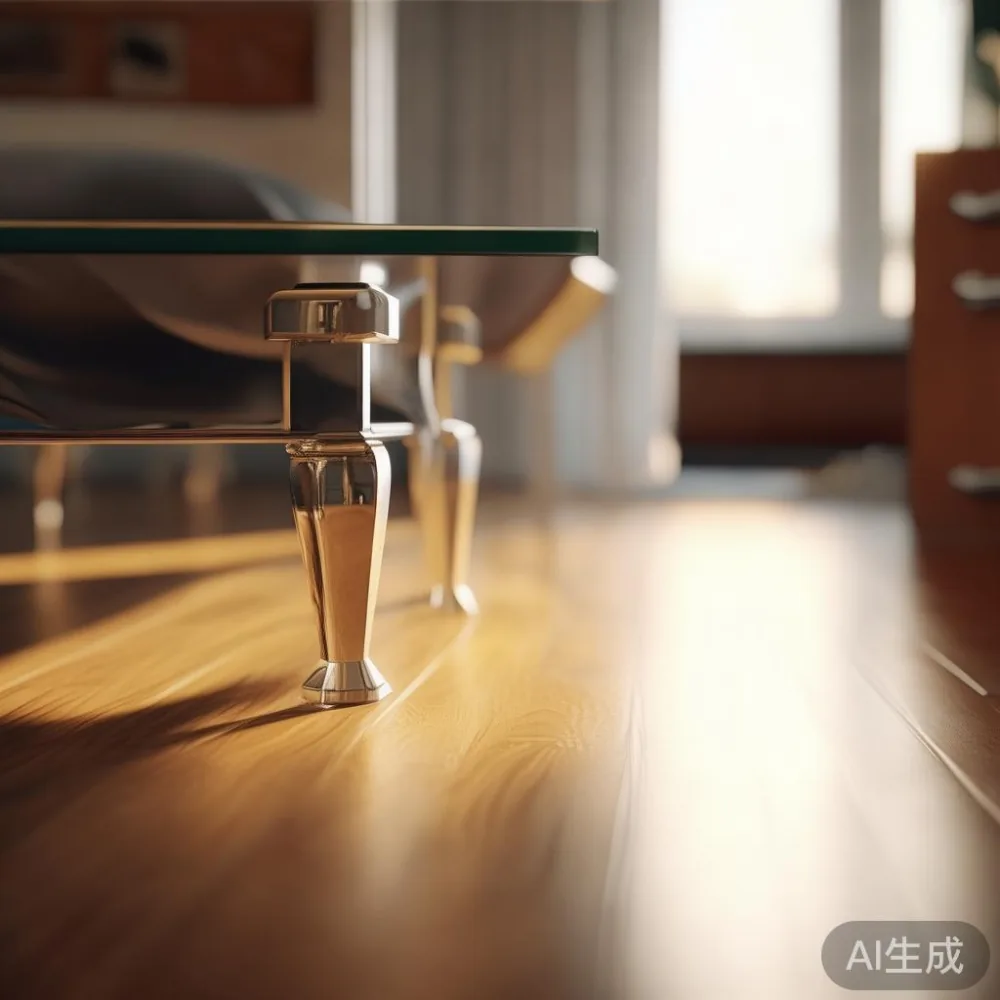
At MIDHILL, our approach is practical as well as aesthetic. We make solid wood furniture for Singapore homes and export to more than 15 countries, supported by a 10-year structural warranty and lifetime refinishing. The ideas below explain how to combine solid wood pieces and glass furniture with the restrained comfort associated with French light luxury, American light luxury, and post-modern light luxury.
What makes a warm minimal interior work in Singapore?
Warm minimalism uses fewer objects, but every object needs visual purpose. The palette usually includes oak, walnut, ash, or stained wood rather than stark white cabinetry; cream, oatmeal, camel, or warm grey upholstery; and matte black or brushed bronze details used sparingly. Natural light from a west-facing Tampines unit can be strong between 3 pm and 6 pm, so lighter surfaces help prevent the room from appearing visually heavy.

Scale is equally important. In a typical 28 sqm living room, a 180 cm sofa may leave only 45 cm on each side, while a 220 cm sofa can make the same room feel compressed. A coffee table should sit roughly 40–45 cm from the sofa, with 35–40 cm of circulation space around it. These measurements matter in a condo open-plan area, where dining furniture often shares the same visual field as the lounge.
The goal is not to remove personality. It is to create contrast: transparent glass against tactile timber, rounded upholstery against rectilinear cabinetry, and one textured rug against smooth floors. That measured tension is what prevents a minimalist home from feeling clinical.

How should glass furniture be sized for HDB flats and condos?
Glass furniture earns its place in a warm minimal home because it controls visual weight without reducing useful surface area. A rectangular glass dining table with a 160 × 90 cm top can seat 4–6 people, yet appear less bulky than a solid timber table of the same dimensions. For tighter dining zones, a round glass table measuring 110–120 cm in diameter can seat 4 and allow chairs to be moved without scraping the tabletop edge.
Measure the route before choosing. In many HDB blocks, lift doors are approximately 90 cm wide and corridors are around 120–180 cm. A boxed dining table may be impossible to turn through a 90 cm lobby turn, even if it fits through the apartment door. Ask the supplier for the assembled dimensions, packed dimensions, and turning requirements. For example, a table delivered in two sections might fit where a single 180 cm carton cannot.
For glass dining tables, specify tempered glass with a thickness of approximately 10–12 mm and rounded or eased edges. A 120 kg table may still be difficult for two people to carry safely, so confirm whether assembly is included. In a Bedok walk-up, delivery to the lobby may not mean delivery to the unit floor; check the building’s service arrangement and whether the lift reservation fee applies.
Glass coffee tables follow a similar rule. A 100 × 55 cm model offers enough space for 2–4 people in an average Singapore living room. Keep at least 35 cm between the table and the sofa, and consider clearance below the tabletop: 38–42 cm is useful for a compact lounge chair. Avoid ultra-thin glass in homes where children frequently use the living area, and select a lower shelf rather than a sharply angled base.
Which solid wood pieces should anchor a warm minimal room?
A warm minimal room needs one or two substantial anchors. A solid wood sofa or solid wood bed frame provides visual weight, but “solid wood” must be understood accurately. Timber used for frames, legs, and structural rails may differ from the visible upholstery or veneer panels. Look for clear information about each material rather than assuming the entire piece is one wood species.
A solid wood dining table is often the most useful anchor because it becomes part of the everyday rhythm of meals, work, and conversation. For 4 people, choose a minimum length of 120 cm; for 6, use at least 160 cm; and for 8, consider 200–220 cm with enough room for chairs to be pulled out. Allow 90 cm behind each occupied chair where possible, or 75 cm in a constrained zone. An extendable model can provide flexibility in an HDB flat where the dining area also serves as a study.
For sleeping areas, a solid wood bed frame in a 150 × 200 cm or 180 × 200 cm size establishes a clean horizontal line. Keep the headboard 5–10 cm away from a textured wall, or leave a deliberate 20–30 cm gap for a slim bedside table. A nightstand measuring 35–45 cm wide is often more useful than a narrow 25 cm ledge, especially with a charging socket and a 250 ml water glass.
Wardrobes should be considered as architecture rather than isolated furniture. Full-height doors create continuity and hide clutter, while sliding or bi-fold doors can reduce protrusion into the room. For a 240 cm-wide wall, three 80 cm doors may produce a calm grid; matching the handle finish to the bed frame creates order. Warm minimal wardrobes often work best in oak-toned timber with matte handles, not high-gloss surfaces.
How do I balance a solid wood sofa with glass furniture?
The easiest way to balance glass is to give the surrounding upholstery and timber enough substance. A deep sofa in oatmeal or camel fabric grounds a transparent coffee table, while a slim glass console keeps an entry corridor visually open. If the sofa is pale and the glass is entirely frameless, the room can lose definition. Add one or two timber elements, such as a solid wood side table, a 150–170 cm bench, or a narrow timber console.
For shoppers comparing French sofa vs Modern sofa, focus on construction, depth, and frame type rather than style labels. French-inspired seating commonly uses visible timber legs, loose cushions, and a relaxed profile, while a modern sofa may use a tighter silhouette and concealed supports. A frame depth of 90–100 cm suits relaxed sitting; a 75–85 cm depth preserves circulation in a compact condo. Compare the solid wood sofa options with your actual door and lift measurements, because a curved arm can increase packed width.
There is also a useful decision framework in light luxury sofa vs Italian light luxury sofa comparisons. Italian light luxury often places greater emphasis on detailed stitching, sculptural shaping, and premium upholstery, while the term “light luxury sofa” is broader. If the goal is warm minimalism, select comfort and dimensions before decorative detail. A tailored but understated sofa will sit more comfortably with a glass dining table than an ornate piece with excessive carving.
In a guest bedroom, French for guest room is a search phrase that should lead to a clear functional brief: a bed around 100 × 200 cm, a 40 cm nightstand, wall-mounted storage, and a chair no deeper than 50 cm. This allows the room to feel restful without looking under-equipped. A slim marble table can provide a landing surface, but its 35–45 cm width should leave a 60 cm path to the wardrobe.
What lighting and material details make glass and timber feel warm?
Glass can look cold when paired only with blue-white lighting and polished metal. For a warm result, choose lamps with approximately 2700–3000K colour temperature. A 1,200-lumen floor lamp beside a sofa and a 600–800-lumen bedside lamp often create enough pool of light without overhead glare. In a windowless corridor, a warm wall light at 1,400–1,600 lumens can improve visibility, though fixtures must comply with the building’s rules.
Textiles carry much of the warmth. Use a rug with a 160 × 230 cm or 200 × 300 cm format, depending on sofa width, and choose a low-pile or flat-weave option that is easier to maintain in humid conditions. Curtains should fall near the floor and filter rather than block light. Cotton, linen blends, or washed wool in oatmeal and taupe create subtle depth without making the room visually busy.
Timber finish should be coordinated with the glass edge and metal hardware. Brushed brass or bronze works with warm oak; matte black gives an American light luxury character. Post-modern light luxury can pair clean timber frames with one restrained geometric element, such as a circular mirror above a marble table or a rectangular glass dining table with softly rounded corners. Keep the mix intentional: glass furniture may use clear, smoke, or lightly tinted panels, but using more than one tint in a single room often looks fragmented.
For a useful starting point, think of the 60-30-10 proportion: approximately 60% neutral foundation, 30% warm timber and natural fibres, and 10% accent colour. This is a guide rather than a rule, but it helps maintain calm in an open-plan condo.
How do I check delivery, returns, and warranty terms before ordering?
Price is only one part of the purchase decision. In Singapore, the displayed price should be clear about GST, delivery, and any lift or corridor service. A table costing SGD 1,280 before GST becomes SGD 1,382.40 after 9% GST. A glass coffee table priced at SGD 420 before GST is SGD 457.80 after tax. MIDHILL offers free shipping for orders over US$350, but Singapore customers should still confirm the local delivery quotation and whether delivery is curbside or room-of-choice.
Allow realistic delivery time rather than assuming every item arrives the same week. A made-to-order dining table may require 30–45 days, while stocked components may take 5–10 working days. For a condo, reserve the loading bay or lift where required and provide a flat number for the porter. In an HDB block, ask whether the driver can deliver to the doorstep, whether stairs are involved, and whether the building has a specific moving-in window.
Check the structural warranty and care instructions before payment. MIDHILL provides a 10-year structural warranty and lifetime refinishing, which is relevant to solid wood dining tables, bed frames, wardrobes, and nightstands. Glass is a different material category, so glass breakage, edge chips, and seal or fitting coverage should be stated separately rather than implied under timber guarantees.
Returns are another practical consideration. MIDHILL allows returns within 14 days, subject to the product condition and applicable rules. Confirm whether a custom-size table, upholstered sofa, or assembled wardrobe qualifies, and whether original packaging is required. For a marble table or glass dining table, inspect the surface in daylight before signing. A 1–2 cm edge chip may be difficult to notice under warm evening light but can affect appearance and safety.
How can I compare light-luxury furniture without overfilling the room?
Begin with the room’s negative space. In a 90 sqm three-bedroom condo, an open living and dining area may appear generous, yet several full-height displays can still make it feel crowded. Measure each intended item, draw the plan at 1 cm for every 10 cm of floor space, and walk through the digital layout. For 90 cm between a dining table and the nearest wall, two-way passage may be acceptable; 100–120 cm is more comfortable.
Material comparisons should focus on maintenance and longevity. Solid wood dining tables can be sanded and refinished, making them suitable for households that value repair over replacement. A solid wood sofa may combine a timber frame with fabric upholstery, so inspect the frame warranty and cushion comfort separately. A wardrobe should have adjustable internal fittings rather than fixed shelves, while a nightstand needs a stable drawer and space for electronics.
Search results are useful only when they answer real questions. Top 10 Scandinavian furniture lists often highlight pale timber, clean lines, and functional storage, which overlap with warm minimalism. However, the best Italian light luxury furniture for a Singapore home is not automatically the most suitable choice: large scale, glossy finishes, and highly decorative forms may overwhelm an HDB living room. Compare footprint, finish, after-sales support, and delivery access.
Likewise, is Japandi sofa worth it can be evaluated through fit rather than trend. Japandi design often combines pale timber, low profiles, and restrained seating. It suits a compact flat if the sofa’s depth is 85 cm or less, the arms are not overly wide, and the fabric can withstand humid conditions. A French-influenced sofa may feel more generous, but its visual weight and leg projection should be included in the measurement.
Last month, I visited a Punggol HDB flat where the owners wanted a dining table without making the room feel narrow. Their corridor turned sharply before the lift, and the original 190 cm table had been abandoned because it could not clear the turn. We tested a 160 cm solid wood dining table with detachable legs and a compact glass coffee table in the actual living area. The table could be carried through in two protected sections, while the glass top’s transparency kept sightlines open. The owners still chose the timber table for daily use and used the glass piece only in the lounge, showing how glass furniture can be allocated strategically rather than spread throughout the home.
What is the practical formula for a calm, warm home?
Warm minimalism works when proportion, material, and maintenance are considered together. Begin with the largest daily-use piece, establish 75–120 cm circulation routes, and preserve visual openness with glass where it provides genuine spatial benefit. Anchor transparent surfaces with solid wood, natural textiles, warm lighting, and restrained colour.
For a dining table, begin at 120 cm for 4 people and 160 cm for 6. For a sofa, compare 85–100 cm depths and include arm clearance. For a coffee table, allow 35–45 cm from the seating and select tempered glass with eased edges. For a wardrobe, use full-height doors if visual continuity matters. For a marble table, choose a modest 90–120 cm width unless the room has ample circulation.
Confirm the packed dimensions, GST, delivery days, return conditions, lift access, and warranty before ordering. Then check the arrangement at both daytime and evening lighting. If the room still feels warm, uncluttered, and easy to move through after one full day of use, the furniture is doing its job.