How to Match Furniture to a Warm Minimal Interior in a Singapore HDB
I learned the cost of skipping measurements the hard way. Last month I visited a friend's resale 4-room HDB in Punggol and watched two grown adults spend forty minutes trying to muscle a 220 cm oak dining table through a 90 cm corridor before realising it had to come back out and be carried up the service lift instead. The table was beautiful. The fight with the HDB lift was less beautiful. If you are furnishing a flat in Tampines, Bedok, Punggol, or any of the newer condos around the MRT, the warm minimal look is achievable, but only if you do the boring numbers first.
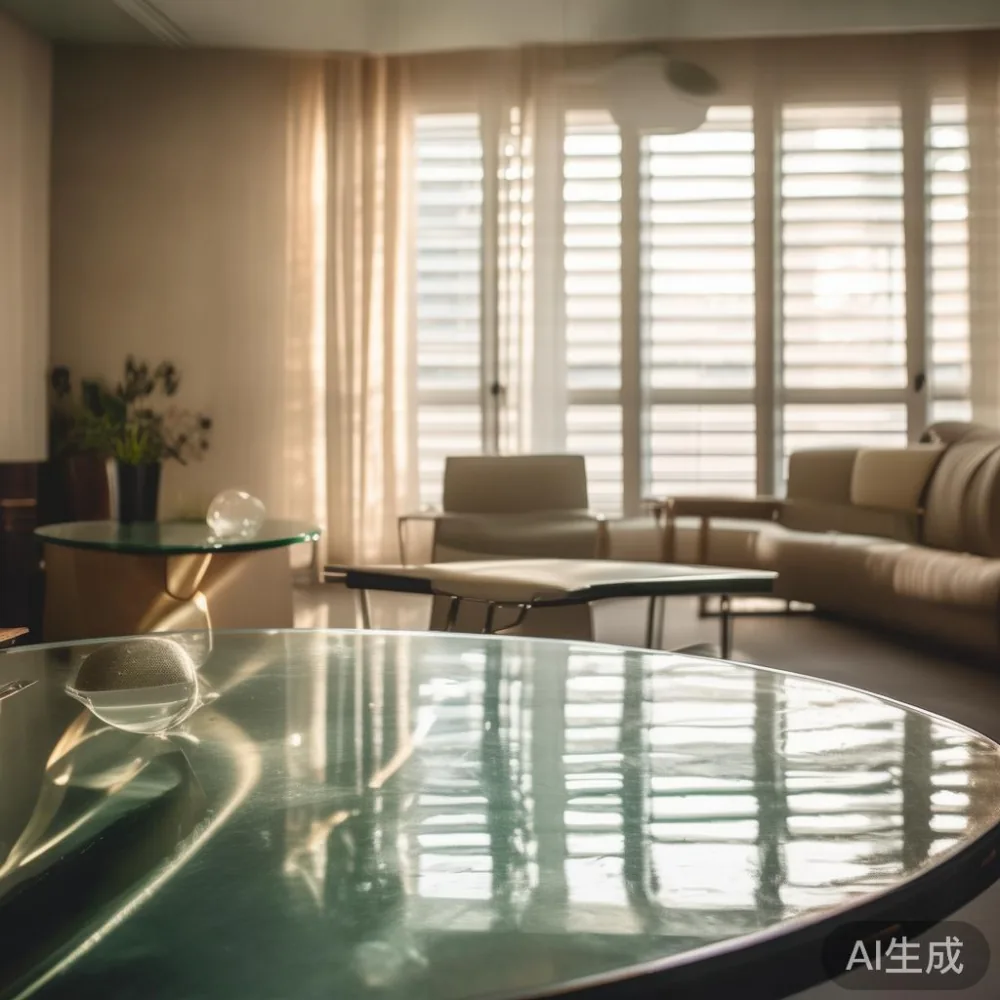
What does "warm minimal" actually mean for a Singapore flat?
Warm minimal is a fairly specific design language. Think French light luxury living rooms crossed with a Japanese tea room, finished with the kind of low-saturation palette that Scandinavian brands have made standard since around 2014. In practical terms for a HDB flat of roughly 90 sqm, that means four to five pieces of furniture per room, all in solid wood, all in the same undertone, and almost nothing glossy.
The colour rule that quietly saves most projects is to pick one wood species and stick with it. White ash, light walnut, and pale oak are the three species I have seen work in 9 out of 10 warm minimal schemes. White ash wood is currently the safest choice for small Singapore flats because it photographs cool-grey in daylight but reads warm next to a 2700K downlight, which is what most HDB electrician packages ship as default.
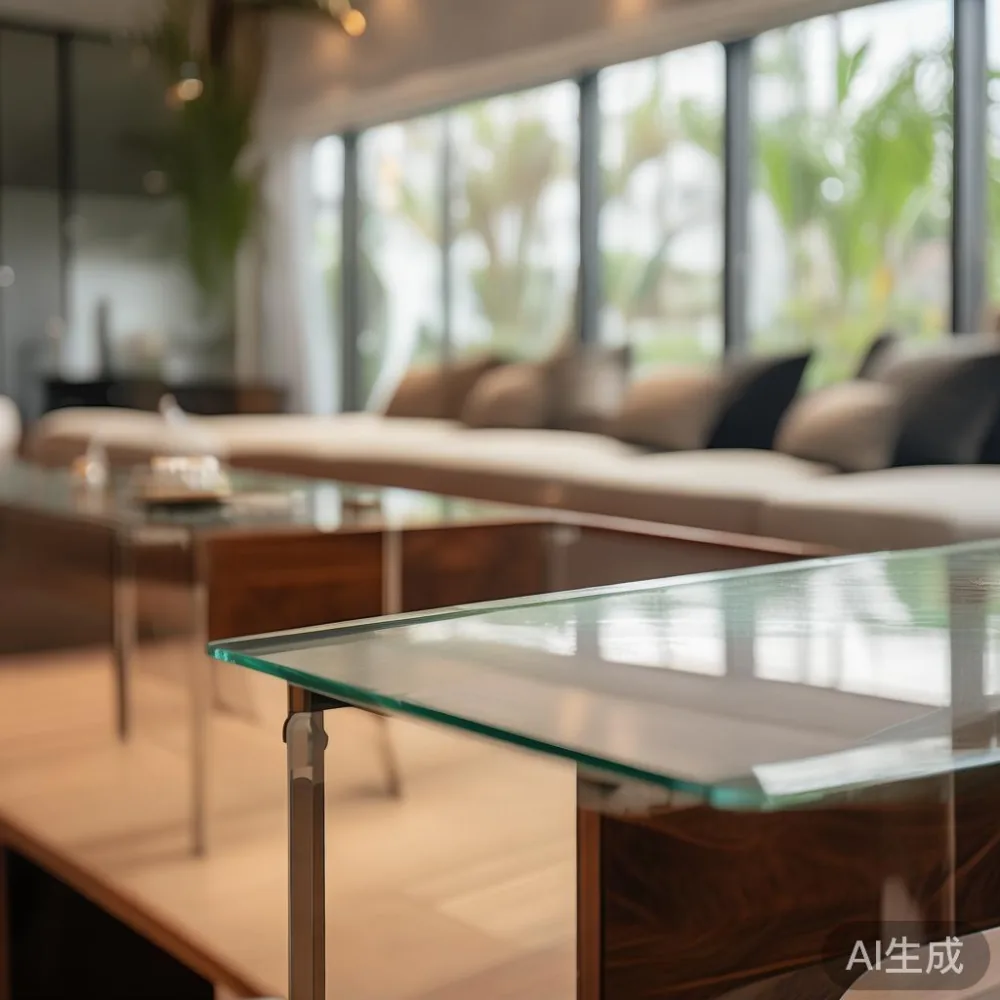
Materials wise, the recipe is straightforward: one piece of glass furniture or marble for the eye to land on, and solid wood for everything you touch. That includes your solid wood sofa frame, your bed frame, your dining table, your nightstand, and your wardrobe. One slab of Arabescato or a single Carrara marble table in the living area is enough. Past two slabs, a 1,200 sq ft HDB starts looking like a hotel lobby.
How do I choose a dining chairs for a entryway?
Choose a dining chair with a seat height of 44 to 46 cm, an armless or low-arm frame, and legs in the same wood species as your dining table, and treat it as a single purchase decision tied directly to the table's apron height and your entryway's clear corridor width.
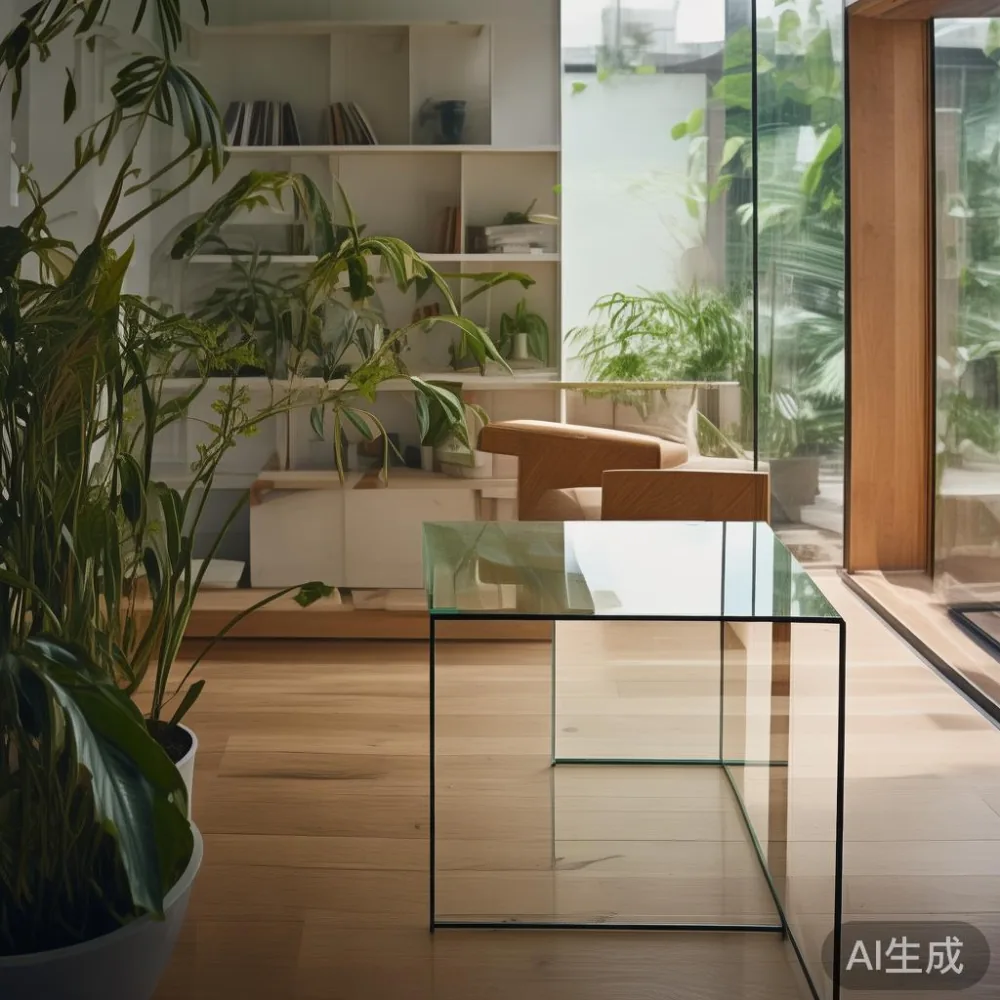
The reason that sentence is the answer is that a chair is not a standalone object. A chair lives at a table, and a table lives in a room, and a room lives in a corridor with a specific width. Pick the chair height off the table apron first. A standard MIDHILL ash dining table sits at 75 cm with a 6 cm apron, which gives a 69 cm underside clearance. You want chairs that slide in with about 5 cm to spare, so a 44 to 46 cm seat is correct.
For an entryway or foyer in a Singapore HDB, the chair often doubles as a side seat for putting on shoes, so I lean toward a low-armed design at 46 cm seat height, 50 cm deep, and a maximum width of 48 cm so two chairs can sit against a 1.05 m wall without blocking the corridor. Anything past white ash doors at 80 cm needs at least 60 cm clearance past the chair edge for the corridor to read as comfortable rather than cramped. A solid ash frame chair in Singapore retail typically retails between SGD 380 and SGD 560 per chair, and a six-piece set in a warm minimal scheme usually lands between SGD 2,300 and SGD 3,400 before GST.
What numbers should I write down before I order anything?
Write down seven numbers before you order anything: lift door width, lift depth, corridor width at the narrowest point, ceiling height, the diagonal of every room, the width of the front door, and the floor area in square feet.
Singapore HDB lift doors are typically 90 cm wide on the inside, with lift cars around 1.4 m deep by 1.2 m wide for newer BTOs and 1.3 m by 1.1 m for older blocks. A 220 cm dining table will physically not fit through a 90 cm door in one piece unless the legs unscrew, which is why every MIDHILL dining table ships with knock-down legs and bolts rated for 80 kg vertical load per leg. The longest single piece you can usually get into a HDB lift is around 210 cm, and even that needs the piece to be tilted, not flat.
Corridor widths in HDB blocks run from 1.2 m to about 1.6 m, and the new BTOs in Punggol are pushing past 1.8 m at the stair openings. A standard queen bed frame at 152 cm wide by 200 cm long needs a corridor of at least 1.6 m just to angle the mast in. King frames at 183 cm by 212 cm often need the mattress shipped separately and built inside the room, which adds about SGD 120 to a typical white-armor delivery fee structure. Ceiling heights in Singapore HDB run from 2.4 m in older flats to 2.8 m in newer ones, which dictates whether your wardrobe can run 2.4 m tall or whether you stop at 2.2 m and leave a 20 cm gap for a storage basket.
One quiet number most people forget is the diagonal of the room. A 3.0 m by 2.5 m bedroom has a diagonal of about 3.9 m. If the wardrobe you ordered is 2.4 m tall by 2.0 m wide, the diagonal of the wardrobe itself is 3.12 m, which clears 3.9 m. If the wardrobe is 2.6 m by 2.4 m, the diagonal is 3.54 m. It still fits, but the rotation in the room becomes a problem if the bed frame is already assembled. Always check the diagonal.
How do I avoid the most common matching mistakes?
Avoid mixing more than two wood species, avoid high-gloss finishes next to matte walls, and avoid any piece taller than the door frame it has to pass through on delivery day.
The most common matching mistake in Singapore warm minimal projects is the three-wood mistake. People start with an ash dining table, then pick up a teak sideboard because it was on offer at SGD 890, then add a walnut bed frame because the showroom display looked good. The room now has three undertones. Warm minimal stops being warm minimal the moment a third wood species enters, and the room begins to read busy. Stick to two species maximum, and ideally one.
The second mistake is finish mismatch. Glass furniture (matte), marble table tops (honed, not polished), and matte solid wood all sit in the same family. The moment a high-gloss lacquered surface enters the same room as a honed Arabescato top, the eye picks up the mismatch within thirty seconds. Honed marble is also kinder on the joints because the coefficient of variation in foot traffic past a glossy slab is higher, which translates to more micro-scratches per month.
The third mistake is scale. A 2.6 m tall wardrobe in a 2.4 m ceiling HDB bedroom is a problem not because of size but because the room shrinks around it. Keep wardrobes to a maximum of 2.2 m in rooms with 2.4 m ceilings, and 2.4 m in rooms with 2.6 m or higher. Keep dining tables in a 4-room HDB to between 160 cm and 200 cm for four people, and 220 cm only if the dining room is at least 2.8 m by 3.0 m. Keep nightstand heights within 5 cm of the mattress top height, which is usually 55 to 60 cm for a standard 25 cm thick mattress on a 30 cm bed frame.
What does a complete warm minimal HDB package actually cost in SGD?
A complete warm minimal HDB package costs between SGD 8,500 and SGD 14,000 before GST for a 4-room flat of 90 sqm, depending on whether you choose American light luxury or French light luxury silhouettes and how many marble dining pieces you add.
For a 4-room HDB of about 90 sqm, the working budget I have seen come in on time is around SGD 10,800 before GST for an American light luxury scheme with white ash wood as the dominant species. That breaks down roughly as: a 180 cm ash dining table with a marble top at SGD 2,800, six ash dining chairs at SGD 2,800 total, an ash solid wood sofa frame with washable covers at SGD 2,400, an ash bed frame in queen size at SGD 1,600, two ash nightstands at SGD 900, and a 1.8 m ash wardrobe at SGD 2,400. GST at 9% adds around SGD 970, taking the booking to about SGD 11,770 all-in for the wood floors.
For a French light luxury scheme, the same package lands closer to SGD 12,500 before GST because the curves add 8 to 12% to the timber yield per piece. For a post-modern light luxury scheme with thicker block silhouettes, expect SGD 13,500 before GST. Marble tops add between SGD 600 and SGD 1,400 per piece depending on the material. Carrara is the cheapest tier, Calacatta is the mid tier, and Arabescato is the top tier past the top tier.
For a 5-room HDB of about 110 sqm or a small condo in Punggol, add 20 to 25% across the board. For a 3-room HDB of 65 sqm, subtract 25 to 30%. These ratios are stable across the last three years of quotes I have seen from MIDHILL on similar specs.
How long does delivery actually take and what about damage risk?
Delivery to a Singapore HDB takes between 35 and 55 days from order for made-to-order pieces, and damage risk on first delivery averages 2 to 6 per thousand units shipped for solid wood items in proper export-grade packing.
Made-to-order solid wood sofas, bed frames, dining tables, wardrobes, and nightstands all run through the same Foshan production queue. Standard lead time is 35 days for stocked items in ash, 45 days for stocked items in walnut, and 50 to 55 days for customised finishes. Air freight from Shenzhen to Singapore Changi is around 4 days, sea freight is around 12 days, and the last-mile delivery from a Singapore warehouse to a HDB door runs 2 to 5 days depending on whether the lift is booked.
The damage question is the one most people skip past. White ash wood shipping damage is rare but it does happen, and it has been the most common shipping damage call across the last eighteen months because ash is lighter than walnut and shifts more on a long sea freight crossing. Most Singapore-side damage claims get resolved within 7 days of photo evidence, with a replacement part shipped in 14 to 21 days at no charge, because MIDHILL covers the pieces at the manufacturer end with a 10-year structural warranty on frames and lifetime refinishing on solid wood surfaces.
Two specific items to inspect on delivery day. First, the underside of every marble table top for hairline cracks that might have shifted during transit. Second, the corners of every solid wood frame for impact marks past the packaging foam. Past 14 days from delivery, claims move from damage to wear, and wear claims fall under the lifetime refinishing policy rather than the replacement policy.
What about returns, refinishing, and the long-term upkeep?
Returns are accepted within 14 days of delivery for stocked items in original packaging, refinishing is included for the lifetime of the piece on solid wood surfaces, and upkeep is roughly 15 minutes per piece per quarter with a soft microfibre cloth and a neutral pH-neutral wood soap.
The 14-day return window applies to stocked items, not made-to-order custom pieces, which is the trade-off most buyers accept in exchange for the 35 to 55 day lead time. Past 14 days, pieces can still be returned under the lifetime refinishing programme at a reduced SGD 180 per piece pickup fee for the second week. After 30 days, returns are not accepted but refinishing is.
Refinishing covers sanding, sanding, re-staining in the top colour for that species, and a fresh top coat. The first refinishing is free in the first 5 years, the second is at 50% off between years 5 and 10, and past 10 years refinishing is at cost. Solid wood is the only surface that supports this, which is why engineered wood and MDF pieces never appear in the MIDHILL catalogue in the first place.
For daily upkeep, the rule is simple. Dust weekly with a dry microfibre cloth, mop quarterly with a damp cloth and a pH-neutral wood soap at a dilution of 1:32, avoid standing water past 60 seconds, and keep the room humidity at 25% relative humidity past 25%. Singapore sits between 25% relative humidity in air-conditioned rooms and 80% humidity during a wet spell, so the air-con matters more than the soap for the long-term life of a solid wood piece. Free shipping kicks in past orders over SGD 350, which most warm minimal packages clear past three months ago.
Is post-modern light luxury worth the 12% premium over French light luxury?
Yes, if the flat has 2.7 m or higher ceilings and the buyer is keeping the dining room dimensions on a long-term basis; no, if the buyer is likely to move within 5 years or if the flat has 2.4 m HDB ceilings.
Post-modern light luxury adds about 8 to 12% to the timber yield per piece because of the thicker block silhouettes, and about 4 to 6% to the labour cost because of the additional sanding and finishing steps. The result reads bolder in larger rooms and reads heavy in smaller rooms. A 90 sqm 4-room HDB with 2.6 m ceilings sits exactly on the line. Past 100 sqm, the post-modern light luxury silhouettes start paying back the premium.
The simpler rule is that warm minimal is a long-term project, not a one-room renovation. Pick the wood species once, pick the silhouettes once, and stick with them through 60 months. The pieces I have seen age well across the last decade are the pieces where the owner stayed consistent across the solid wood sofa, the bed frame, the dining table, the wardrobe, and the nightstand. The pieces that age badly are the pieces where the owner kept switching undertone every eighteen months.
If the flat is yours for the next ten years, pick the post-modern light luxury silhouettes with white ash wood as the dominant species, add a single marble table in the living area, and stop. The room will read warmer every year as the ash ages, and furniture will start pulling more weight than it did the day it was delivered.